
Last updated November 25, 2026
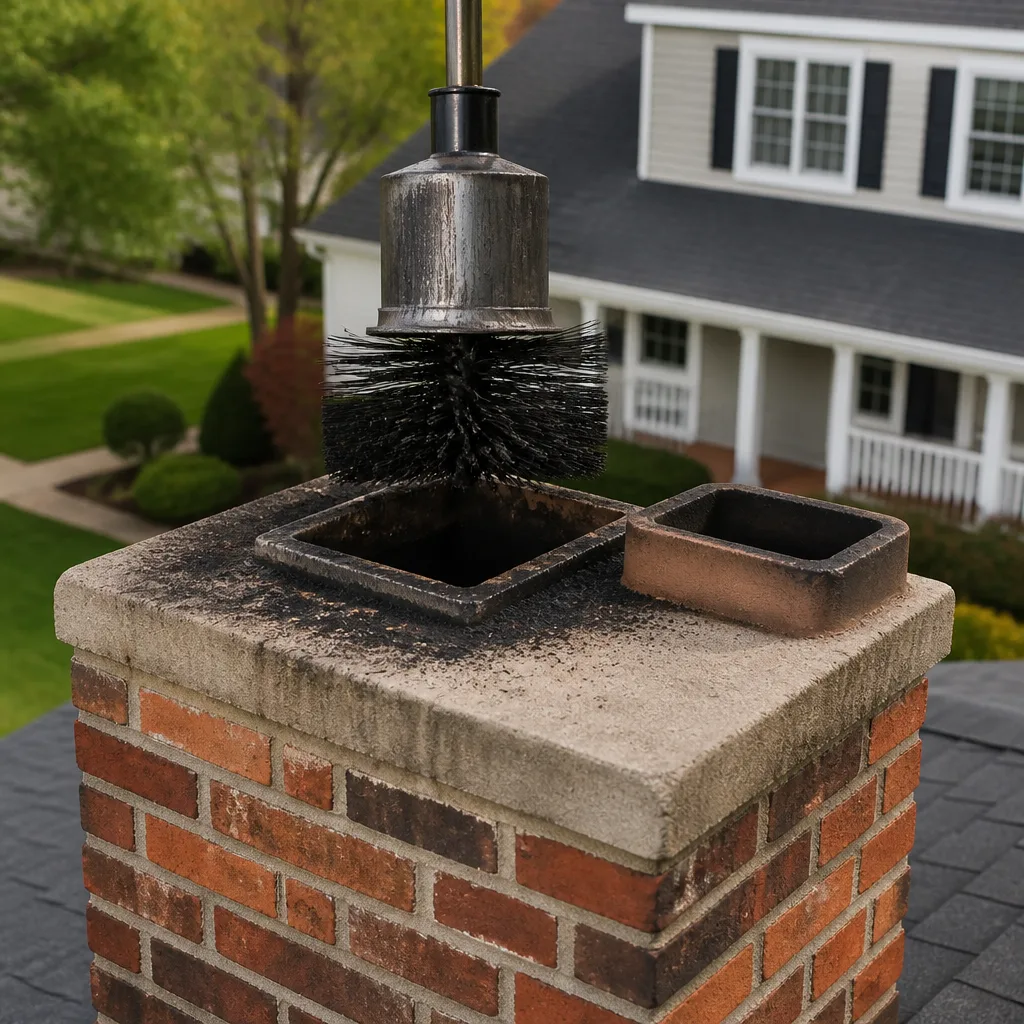 Sweep & inspection
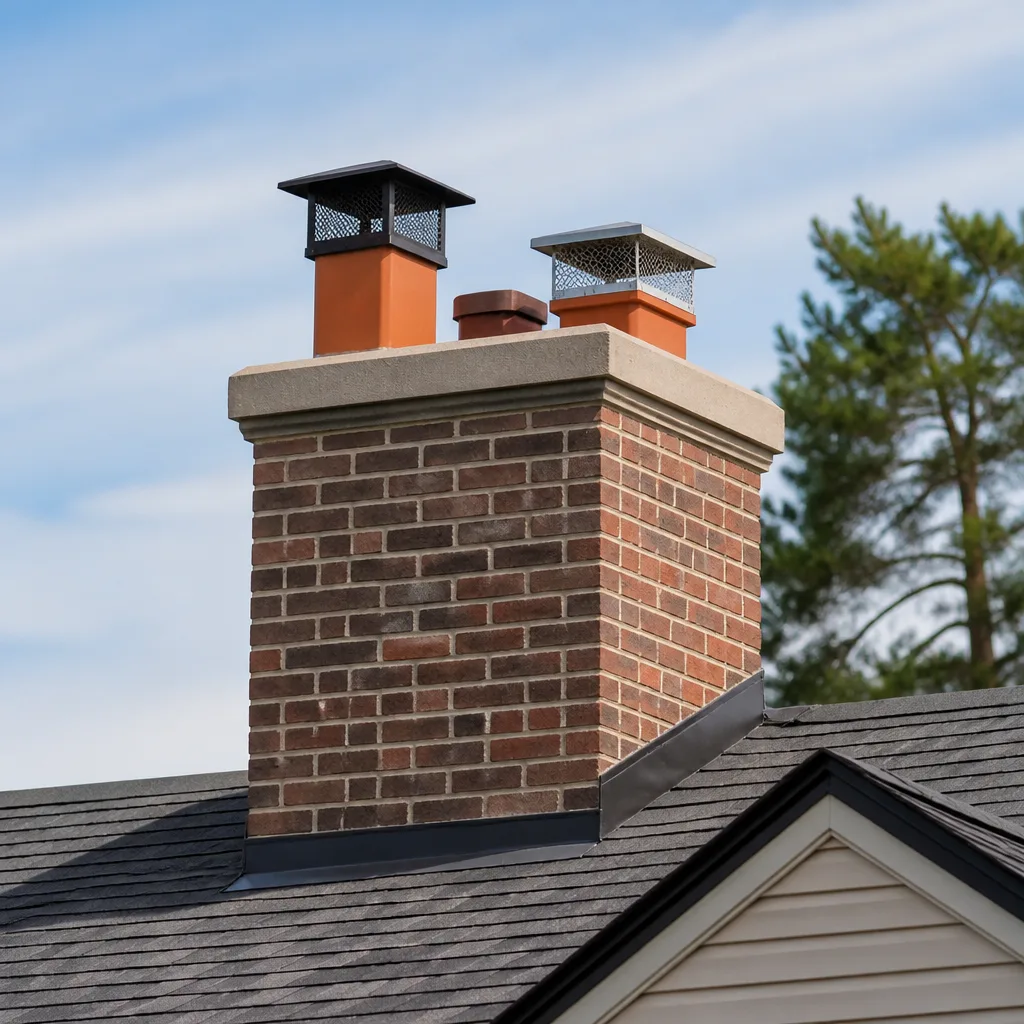 Caps & crowns
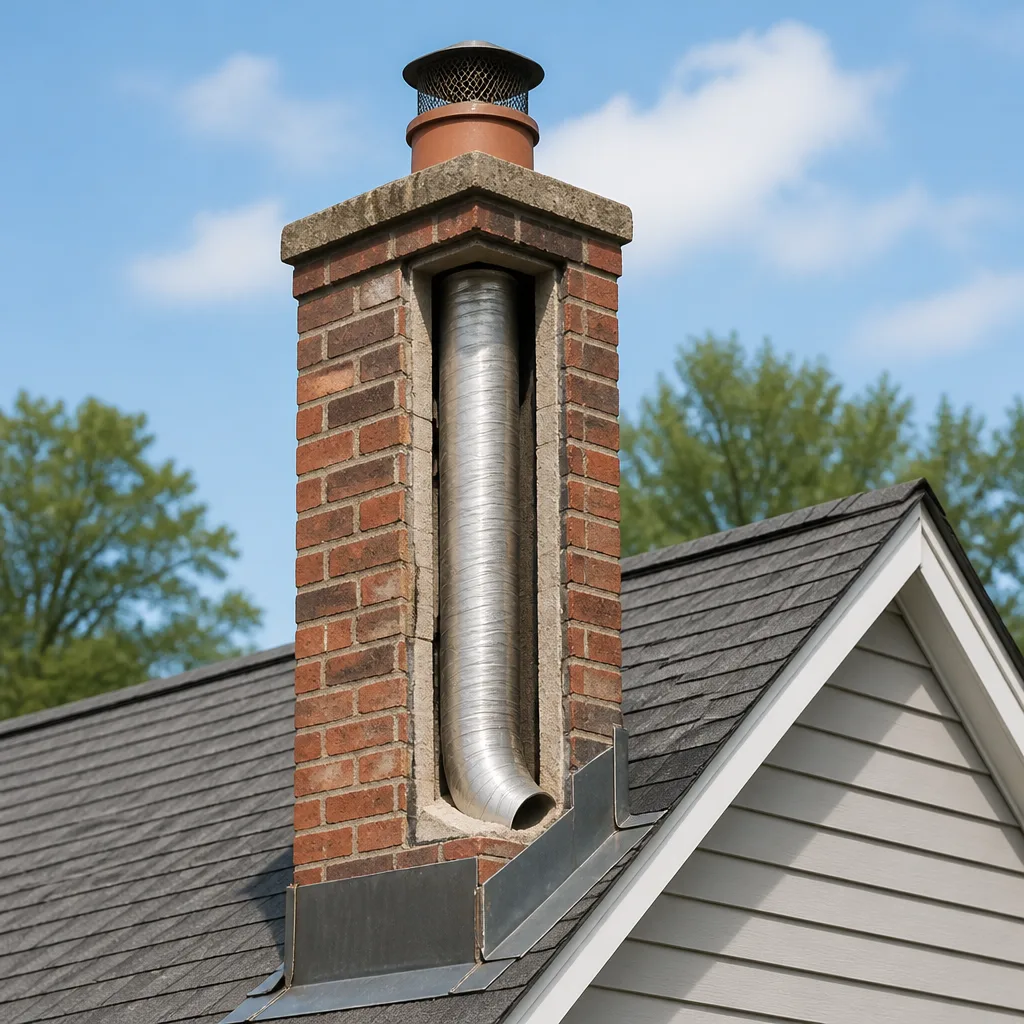 Flue relining
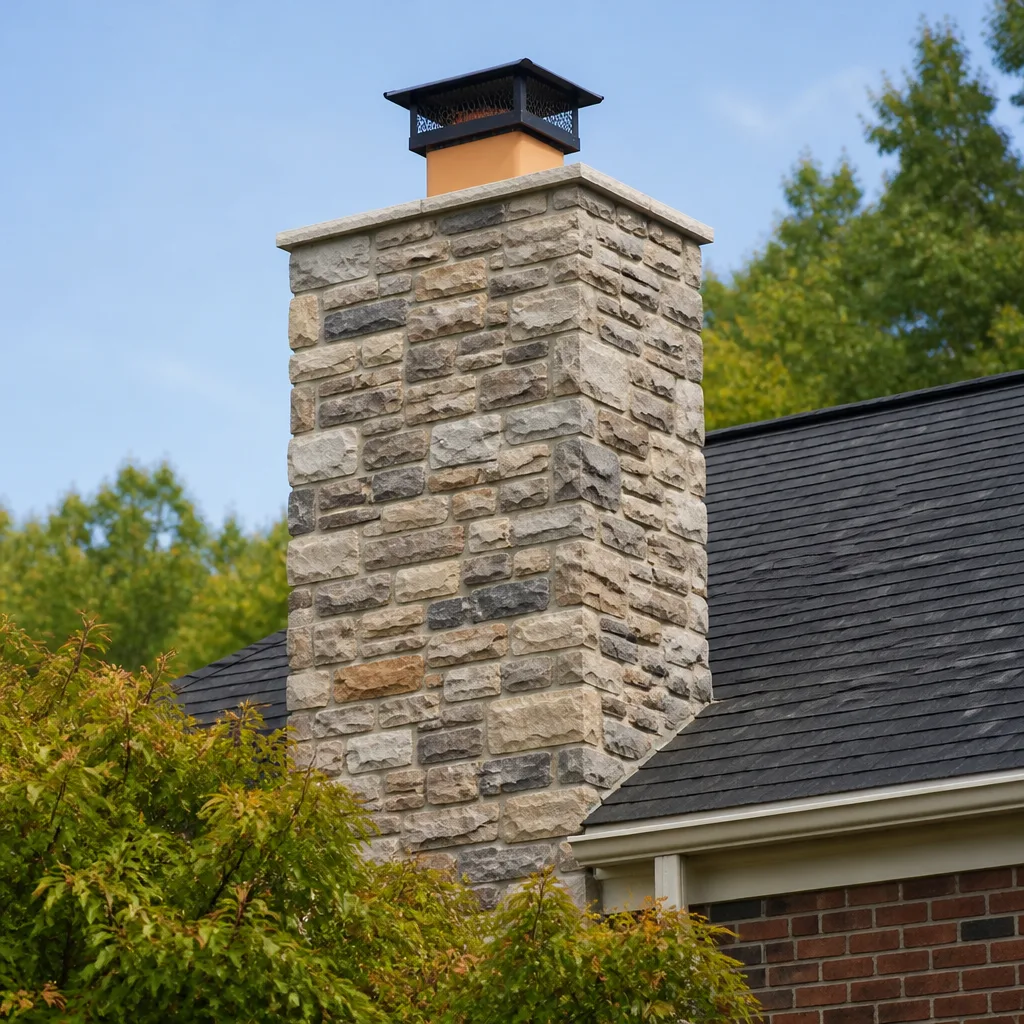 Masonry repair
 Gas fireplace service
Level 1 sweep and inspection to the NFPA 211 annual standard - flue, crown, cap, and flashing checked and photographed
Chimney sweep logs do not sweep chimneys. They loosen some creosote - which then falls where a brush and vacuum still have to collect it.
Chimney Sweep Maintenance Checklist for Cypress Homeowners
The most-touched part of your chimney is also the least inspected. Most homeowners have never looked closely at their damper – that metal plate you open before every fire – even though a warped, rusted, or stuck damper is one of the top reasons smoke rolls back into a living room instead of going up the flue. If your fires have started feeling smoky or slow to draw, the damper is the first place to look, not the last. This guide is a real maintenance checklist you can use between professional visits, built around the way Cypress homes and Cypress weather actually treat a chimney. You’ll learn what to check room by room before the season starts, how to document your chimney’s condition year over year, and where the do-it-yourself line sits before you need a trained sweep.
Quick Answer
A chimney maintenance checklist for a Cypress home should cover four things: a pre-season visual walkthrough from the firebox to the cap, a professional sweep and inspection once a year for actively used fireplaces, a check of the damper and cap after every windy stretch, and a photo record you compare each year. The tasks you can safely handle are cap clearing, damper testing, and visual checks of the firebox and exterior. Anything involving the flue interior, the crown, or the liner belongs to a qualified professional.
Styles & brands we work with
- Sweep & inspection
- Caps & crowns
- Flue relining
- Masonry repair
- Gas fireplace service
Table of Contents
- The Pre-Season Walkthrough: Room by Room
- Testing Your Damper Before the First Fire
- Clay Tile Flues and Terracotta Caps in Cypress Homes
- Stucco Chimney Exteriors and the Cracks That Matter
- Building a Year-Over-Year Photo Record
- What You Can Do vs. What a Licensed Sweep Handles
- The Post-Cleaning Checklist: Verifying the Work
- When to Schedule Your Annual Sweep
The Pre-Season Walkthrough: Room by Room
Before you light the first fire of the year, walk through your home in a set order. This is not a substitute for a professional inspection – it’s how you catch the small things that tell you a sweep is due sooner rather than later. Do this in the same sequence every year and you’ll notice changes faster.
- The living room or den. Look at the fireplace opening. Check for soot streaks above the opening, which suggest the fire has been drawing poorly. Look at the hearth for cracked tiles or loose mortar. Nothing should wobble underfoot.
- The firebox. Shine a flashlight on the brick or refractory panels. Hairline cracks in the firebox brick are common and often superficial, but wide gaps or crumbling mortar need a professional eye. Look up at the damper frame for rust flakes.
- The damper. Open and close it several times by hand. It should move without forcing and seal flush when closed. We cover this in detail in the next section.
- Any adjacent rooms. If the chimney shares a wall with a bedroom or hallway, check for soot stains or discoloration on that wall. Staining on the interior side of a chimney chase is a sign moisture or debris is moving through the masonry.
- The attic, if accessible. Look at the chimney’s path through the attic for water staining on the framing near the chase.
- The exterior. Walk outside and look up at the chimney from a distance. Binoculars help. Check the cap, the crown, and the condition of the stucco or siding.
Cypress homes often sit on smaller lots where the chimney faces a side yard or sits close to a neighboring roofline, so getting a clean look at the exterior sometimes means stepping into the yard at an angle rather than straight back. Take your time. The walkthrough should take fifteen minutes and you’ll repeat it every year, which is what makes it valuable – you’re not just looking, you’re comparing against last year.
Testing Your Damper Before the First Fire
A damper that doesn’t seal or doesn’t open fully will cost you heat, draw, and smoke in the room. Test it like this:
- With no fire and a cold firebox, reach up and operate the damper handle or lever. It should move smoothly through its full range.
- Open it fully. Look up past the damper into the flue with a flashlight. You should see daylight or a clear opening, not a ledge of creosote or a bird nest.
- Close it fully. Look for gaps around the edges. A closed damper that still shows light through the edges is not sealing.
- Check the metal itself. Rust, warping, or a hinge that feels loose are all reasons to have it looked at professionally.
When the damper fails to seal, warm air escapes up the flue in the off-season and cold air can come down. When it fails to open fully, smoke backs into the room – the classic smoke rollback problem. Neither is something to live with. A damper is a moving part, and moving parts wear. On homes in Cypress with fireplaces that see regular use from late fall through early spring, we’ve seen dampers need repair or replacement sooner than homeowners expect. If yours is stuck, warped, or won’t seal, that’s a fireplace repair conversation, not a cleaning one.
Clay Tile Flues and Terracotta Caps in Cypress Homes
Many Cypress homes built in the 1970s through the 1990s use clay tile flue liners – individual terracotta tiles stacked with mortar joints between them. It’s a good system when it’s intact and a real problem when it isn’t, because a cracked tile lets heat and combustion gases reach the surrounding framing. The tile itself is hidden from view; you can only see the top of the flue from the roof, and the joints between tiles need a camera to inspect properly.
What you can check from the ground or a safe ladder position:
- The terracotta cap or crown. Many Cypress chimneys have a terracotta or cast crown at the top. Look for spalling – flakes of the tile or crown material coming loose – and for cracks wide enough to catch your fingernail. A crumbled crown lets water into the flue.
- The flue tile tops. From the roof, the tops of the clay tiles should look clean and even. Chipped, spalled, or offset tiles suggest movement or moisture damage.
- The mortar joints inside the firebox. The firebox is lined with brick or refractory material and its joints take a beating. Crumbling mortar there is worth having checked.
Clay tile isn’t the only liner system in Cypress, and it isn’t always the best fix when tiles fail. When a flue needs relining, professional-grade flexible liners like DuraFlex are what a chimney specialist installs, and HeatShield resurfacing is used to restore deteriorated flue interiors without a full tear-out. Those are decisions that come out of an inspection, not a guess.
Stucco Chimney Exteriors and the Cracks That Matter
Stucco is one of the most common exterior finishes on Cypress chimneys, and it’s a good one – until it cracks. Stucco is a cement-based coating over the chimney’s masonry or framing, and it’s designed to shed water. When a crack opens, water gets behind the stucco and into the chimney structure, where it can rust the damper, rot framing, and break down the mortar inside the flue. Hairline cracks in stucco are normal, especially at corners and around the cap. The ones that matter are wider cracks, cracks that run diagonally, and any area where the stucco has pulled away from the surface underneath.
Check these spots on your exterior walkthrough:
- The crown. The crown is the sloped top surface that sheds water away from the flue. A cracked or crumbling crown is one of the leading causes of water getting into a chimney. This is why a proper cap and crown matter so much – they’re the first line of defense.
- The flashing. Where the chimney meets the roof, metal flashing seals the joint. Look for lifted, rusted, or missing flashing and for staining on the roof sheathing around it.
- The stucco field. Run your eye down the chimney’s faces. Look for cracks wider than a hairline, bubbling, or areas where the finish has gone chalky and thin.
- The cap. If the chimney has a spark arrestor cap, check that its mesh is intact and that it isn’t clogged with debris or bird nesting material.
A cracked crown or a failing cap is a chimney repair job, not a cleaning job. Cap and crown work is one of the most preventive repairs you can make on a Cypress chimney, because it stops water at the top rather than chasing it after it’s already inside. Materials matter here: brands like Gelco and Famco are what chimney professionals use for crowns, caps, and flashing because they’re made for the job, not repurposed from another trade.
Building a Year-Over-Year Photo Record
Chimney problems develop slowly. A crack that’s a little wider this year than last year tells you something a single photo never will. Build a simple photo record with your phone. It takes five minutes and it’s the single best thing you can do between professional visits.
- Take the same photos in the same order every year. Firebox interior, damper open, damper closed, exterior from the yard, the crown from a distance, and the firebox mortar joints are the six shots that matter most.
- Use the same lighting. A flashlight held at the same angle gives you a comparable image. Don’t mix flash and no-flash photos year to year – you’re comparing detail, and lighting changes hide it.
- Name the files by year. “Firebox 2025” and “Firebox 2026” lets you flip between them. Keep them in one folder on your phone or in cloud storage.
- Compare side by side before you call anyone. Look for cracks that have widened, mortar that has crumbled further, or staining that wasn’t there last year. When you call for a sweep, mention anything that changed.
- Photograph the roof-level exterior every couple of years. If you’re not comfortable on a ladder or roof, a professional sweep can capture those photos during an inspection.
This record is also the best way to answer the question that hangs over every chimney repair estimate: is this new problem actually new? When you can show a photo from three years ago with the same crack at the same width, you know it’s not progressing. When you see it’s doubled in size, you know it’s time to act. Chimney Sweep Cypress includes a camera inspection and a photo report with every visit, so you end up with a professional record alongside your own.
What You Can Do vs. What a Licensed Sweep Handles
The line between homeowner maintenance and professional work is fairly clear, and crossing it is where people get hurt or cause damage. Here’s how to think about it.
Safe for homeowners:
- Testing the damper by hand
- Clearing debris or bird nests from an accessible cap (only from a safe, stable position – never balance on a roof edge)
- Visual checks of the firebox, hearth, and exterior stucco
- Keeping the firebox swept of ash and the hearth clean
- Taking photos and keeping a year-over-year record
- Checking that the cap mesh isn’t clogged
Requires a professional:
- Sweeping the flue itself – this needs proper brushes and rods and a real understanding of what you’re looking at inside
- Camera inspection of the flue, liner joints, and any offsets
- Anything on the roof involving height or the crown
- Liner repair or relining
- Firebox and damper repair
- Cap and crown installation
The two tasks that require the most caution are the ones that look easiest. Roof work is a fall hazard, and flue work is a combustion hazard. A qualified sweep has the equipment and training to do both safely. When you’re ready to book a professional chimney sweep, ask whether the visit includes a camera inspection and a written report – those are the two things that separate a real diagnostic visit from a quick brush-and-go.
The Post-Cleaning Checklist: Verifying the Work
A chimney sweep is a service you can’t see the results of from the outside, which is exactly why so many homeowners wonder afterward whether the work was actually done. Use this checklist to confirm a proper job.
- Ask for the before-and-after photos. A camera inspection report should include images of the flue interior and the firebox, alongside any issues that were found. Anything recommended for repair should be showable on camera.
- Confirm the sweep covered the full flue, not just the firebox. Ask the technician directly what they swept and what they found. A proper sweep addresses the flue from the firebox up.
- Check the firebox and hearth visually. They should be clean, with no soot smeared on the surrounding masonry or the floor.
- Look at the cap and crown from the ground. If the technician was on the roof, the cap should be back in place and seated properly.
- Read the written report. Every repair or maintenance item should be listed with a clear explanation of what it is and how urgent it is. Ask directly which items are safety issues and which can wait.
- Confirm what changed. If the report says “liner crack at joint 4,” ask to see the photo. The right answer is a photo you can look at, not a shrug.
- Check the price against the estimate. A flat-price sweep agreed before booking should match the invoice, with no add-ons you didn’t agree to.
One thing worth saying plainly: a good sweep will tell you when work can safely wait. If a report recommends thousands of dollars of liner work you have no way to verify, ask for the camera evidence. Any reputable chimney professional will show you.
When to Schedule Your Annual Sweep
For a Cypress fireplace that’s used regularly from fall through early spring, one professional sweep and inspection per year is the working standard. The best window in Cypress is late summer into early fall, before the first cold snap brings everyone else to the phone. The advantage isn’t just scheduling – it’s that any repair found during the inspection has time to be completed before you want to light a fire, rather than leaving you with a cold firebox in December.
Some situations call for an inspection sooner:
- You’ve moved into a home with a fireplace and don’t know its service history
- You’ve had a chimney fire, or a fire that burned unusually hot
- You’ve noticed smoke rollback, a smoky smell in the room, or a draft that feels wrong
- You’ve had a major storm, or a tree limb has hit the chimney or roof
- You’re burning unseasoned wood or have been burning more than usual
- It’s been more than a year since the last inspection, or you can’t remember the last time the flue was looked at
Burning season in Cypress runs long, so it’s easy to lose track of when the last sweep happened. Keeping your inspection report with your photo record solves that. When you’re ready to book, Chimney Sweep Cypress handles diagnostics and repair under one roof, so a recommended fix doesn’t mean calling a second contractor.
Common Mistakes to Avoid
- Skipping the exterior check because the fire burns fine. A fire can burn cleanly while the crown cracks and water works its way into the chimney structure behind the stucco.
- Treating a cleaning as an inspection. A sweep and an inspection are two separate services. Confirm the visit includes a camera inspection and a written photo report.
- Believing a crack in the firebox is always serious, or always harmless. Hairline cracks are common; wide gaps and crumbling mortar are not. Don’t guess – have it looked at and get the answer from the report.
- Ignoring the damper because it “still works.” A damper that opens and closes but doesn’t seal is still costing you heat and drawing poorly. Test for seal, not just movement.
- Burning unseasoned wood to stretch a supply. Green wood produces far more creosote and can build a dangerous layer in the flue in a single season.
- Never keeping a photo record. Without a year-over-year reference, you can’t tell whether a crack is new or twenty years old.
- Choosing the lowest bid on a chimney repair. Repair materials matter. A patch job using non-chimney products won’t hold up to Cypress weather, and you’ll be paying for the same repair again.
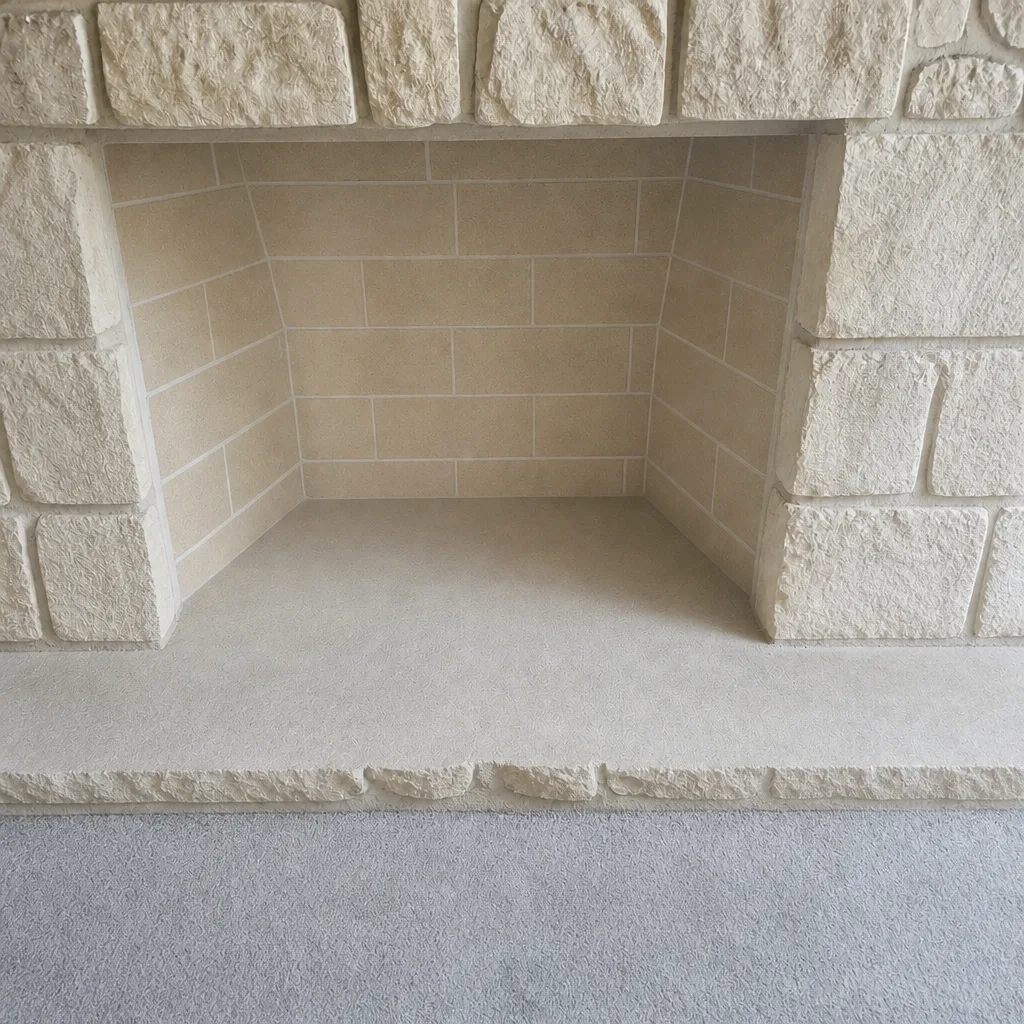
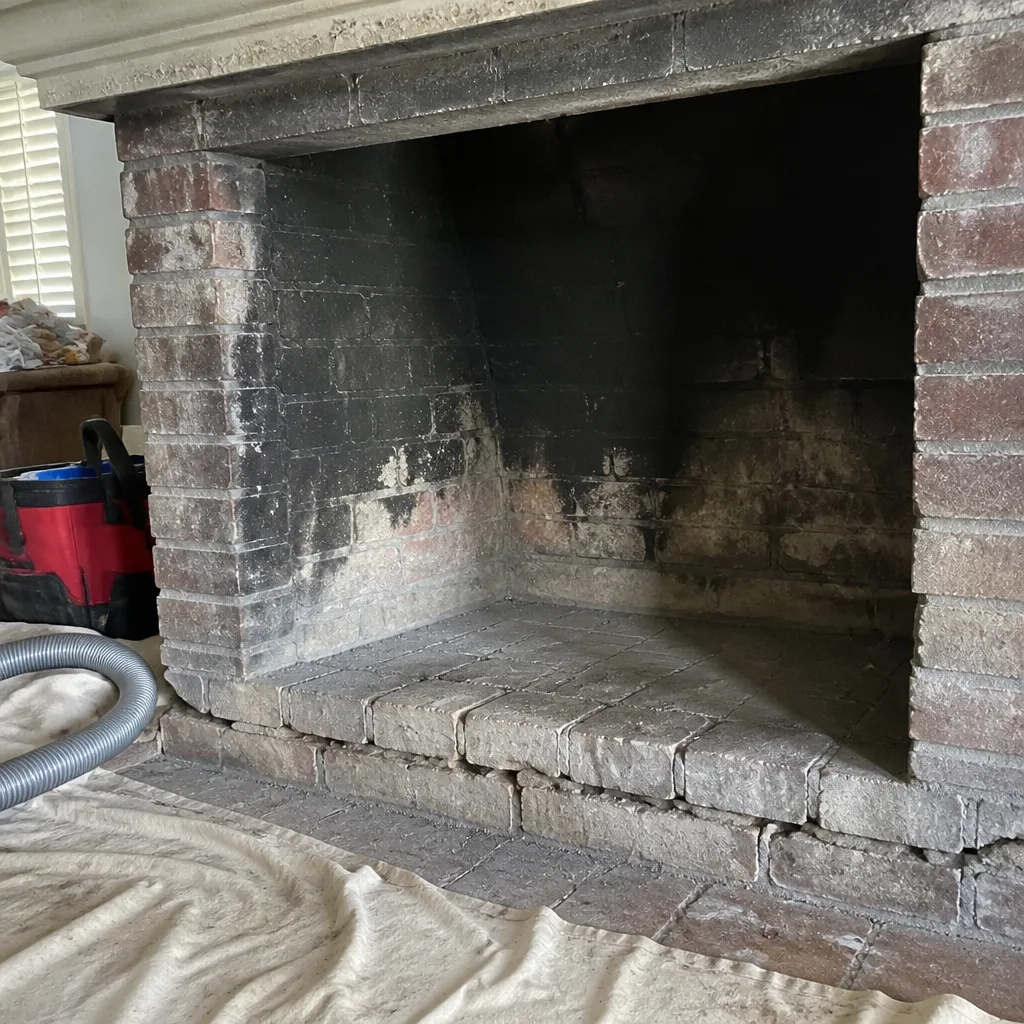
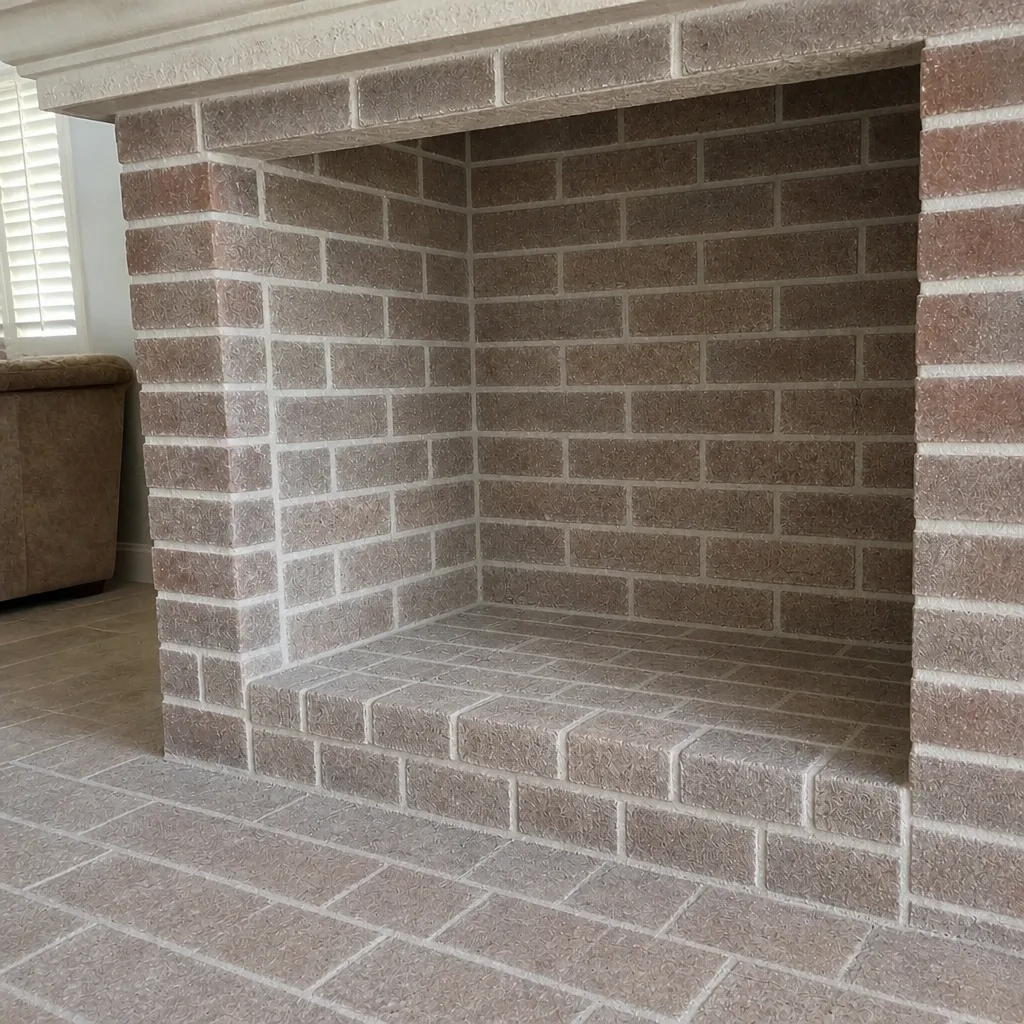
See the difference
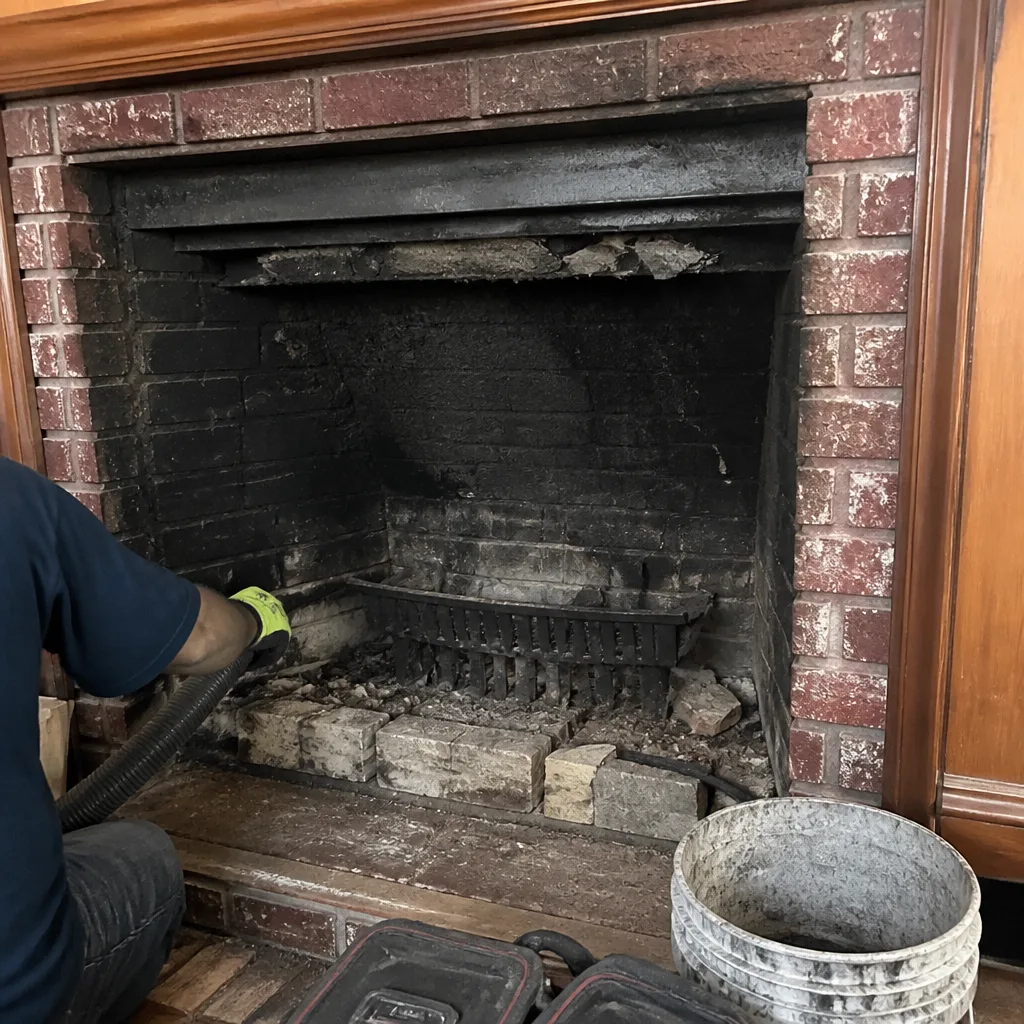 Before
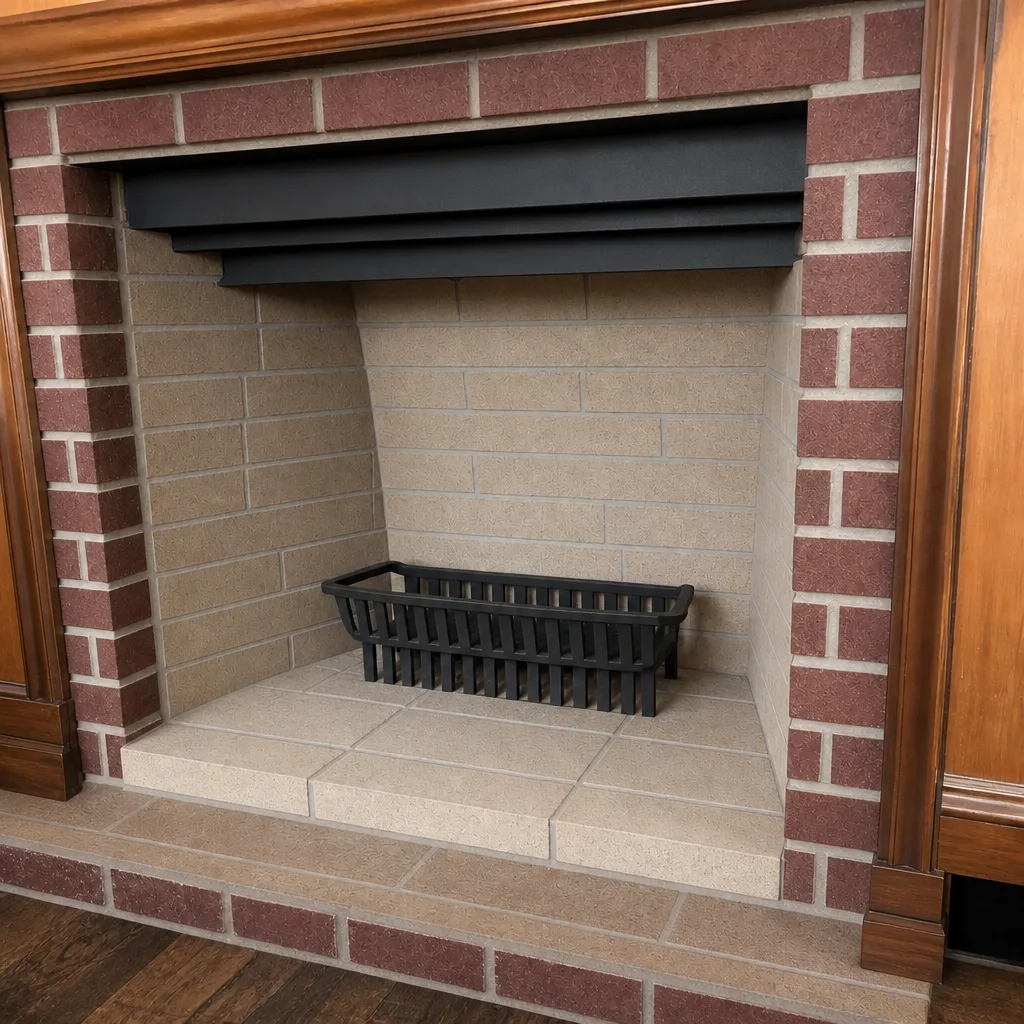 After
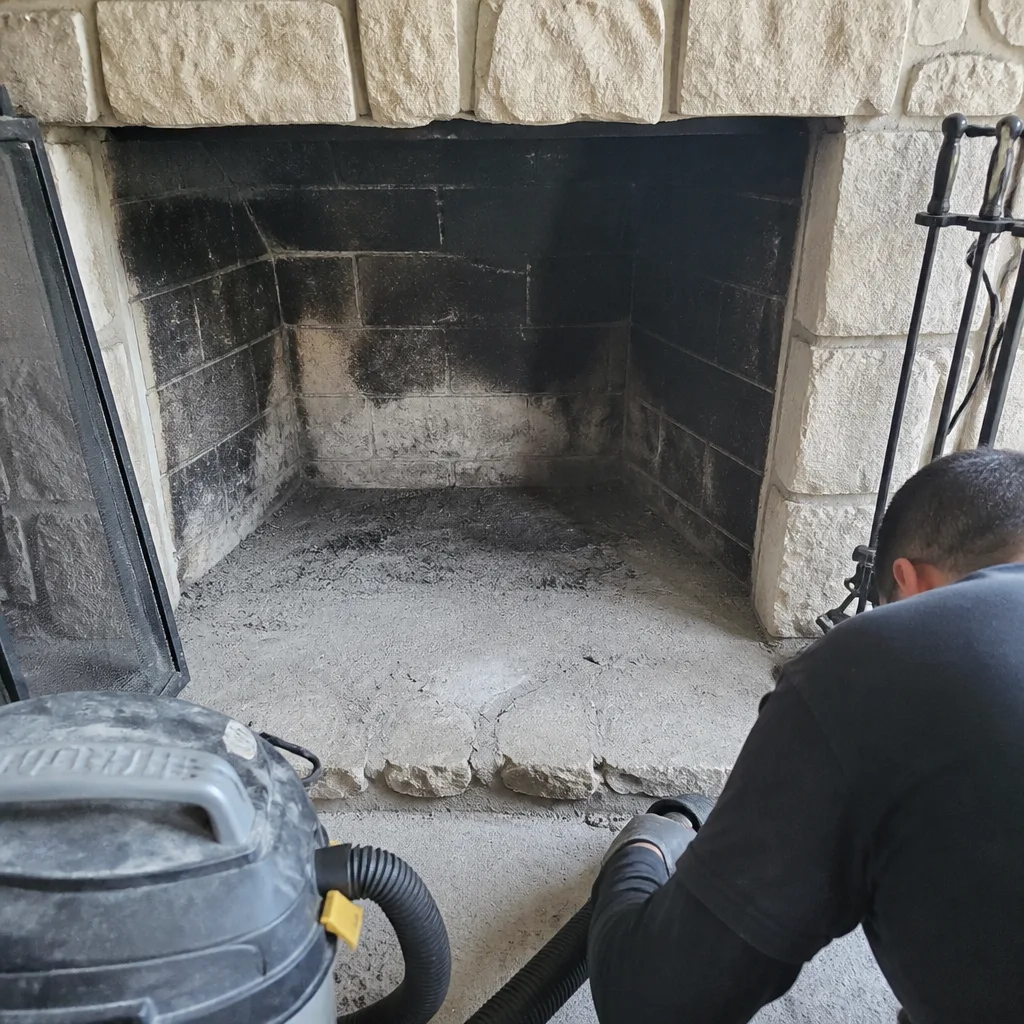 Before
 After
 Before
 After
When to Call a Professional
Call a professional when any of these are true: you’ve never had the chimney inspected; it’s been more than a year since the last sweep; the damper is stuck, warped, or won’t seal; you see smoke rollback; you can see cracked or spalled clay tile at the flue top; the crown is crumbled or the stucco has pulled away; the cap is missing or damaged; or you noticed soot staining on the interior wall near the chimney chase. Those are all signs that a visual inspection won’t answer the question – you need a camera look down the flue. Chimney Sweep Cypress offers free estimates in Cypress, and we answer 24/7, so you can call when something looks wrong. Call (844) 656-4099.
Frequently Asked Questions
Once a year for an actively used fireplace is the standard we work to. A Cypress fireplace used from fall through spring should get a sweep and an inspection every year, and a home with a fireplace of unknown service history should be inspected before its first fire.
Chimney sweeping and inspection is priced per job by a written estimate, and the estimate itself is free. The price depends on the fireplace type, whether a camera inspection is included, and whether any repair is needed. Call (844) 656-4099 for an exact quote – estimates are free, and we set the price in writing before booking.
Only if the inspection shows a reason for one. Clay tiles crack and the joints between them can fail, and when they do, a flexible liner system like DuraFlex is the repair. But a damaged liner is a diagnosis, not a default – and you should be able to see the camera evidence before you agree to the work. Ask to see the photos.
Creosote builds up in the flue, and when it reaches a certain thickness it becomes fuel that can ignite in a chimney fire. Separately, cracks in the flue or firebox let heat and combustion gases reach the chimney’s framing and living space – and that’s a carbon monoxide concern. Skipping the inspection doesn’t cause either problem, but it means you won’t know you have one until it’s already bigger than it needed to be. Call (844) 656-4099 for an exact quote – estimates are free.
The damper, the firebox brick, the hearth, the cap from a safe position, and the stucco and crown on your exterior walkthrough. Those are the homeowner tasks. Sweeping the flue, inspecting the inside of the flue, roof work, and any liner or firebox repair belong to a qualified sweep.
It can be either. A blocked flue or a heavy creosote layer will cause poor draw, and so will a damper that doesn’t open fully or a flue that’s too short for the firebox. That’s exactly why we pair the sweep with a camera inspection – the answer is in the inspection, not in a guess. Call (844) 656-4099 for an exact quote – estimates are free.
The Bottom Line
A chimney maintenance checklist isn’t a reminder to book a sweep once a year. It’s a structured way to watch your chimney between professional visits, so that small changes – a crack that widened, a crown that spalled, a damper that stopped sealing – get caught before they become structural repairs. The homeowner tasks are real and worth doing: the pre-season walkthrough, the damper test, the exterior stucco and crown check, and the year-over-year photo record. The flue interior, roof work, and any repair belong to a professional. Do both, and a Cypress fireplace stays a working fireplace for a long time.
Our technicians have up to 12 years of experience, and every visit includes a camera inspection and a photo report. We work with professional-grade brands like DuraFlex and HeatShield, and we do the sweep and the repair – you don’t coordinate a second contractor. Call (844) 656-4099 for a free estimate.
Written by the team at Chimney Sweep Cypress.