
Last updated November 25, 2026
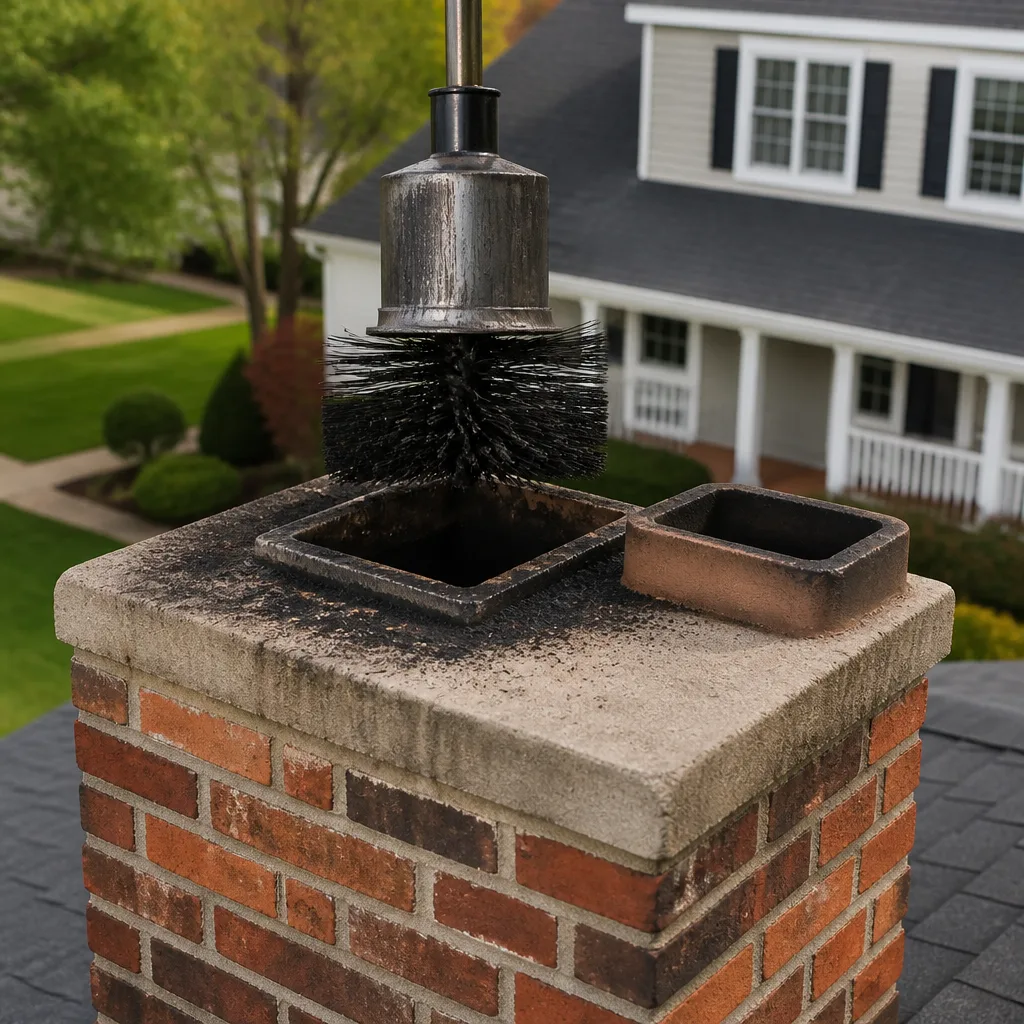 Sweep & inspection
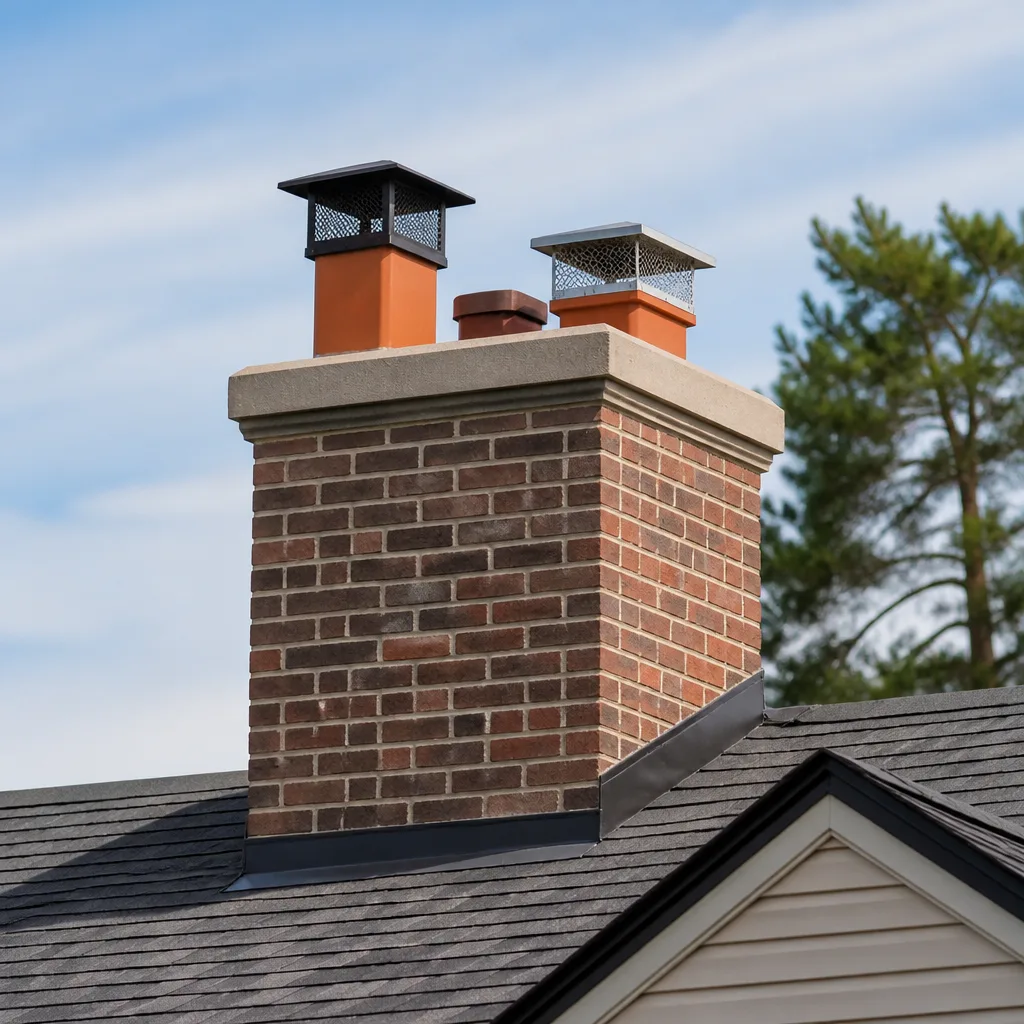 Caps & crowns
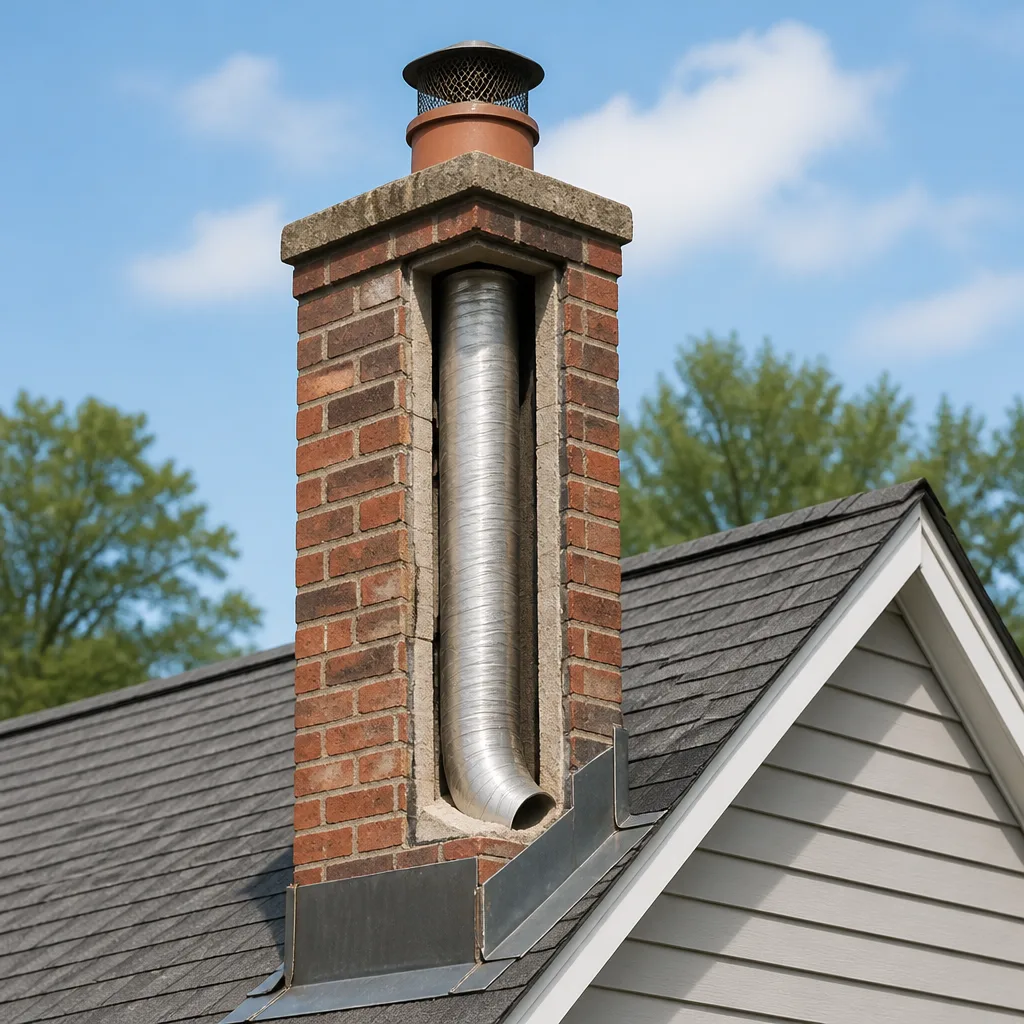 Flue relining
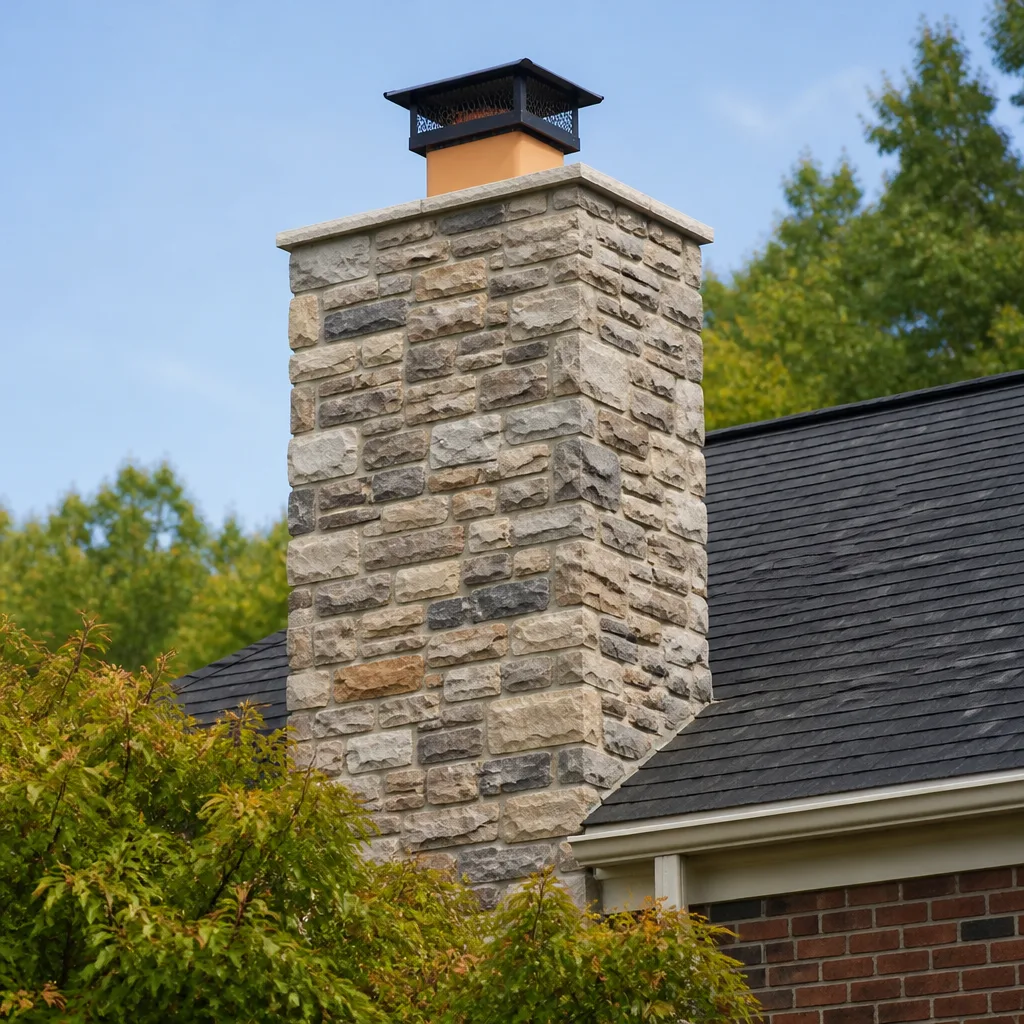 Masonry repair
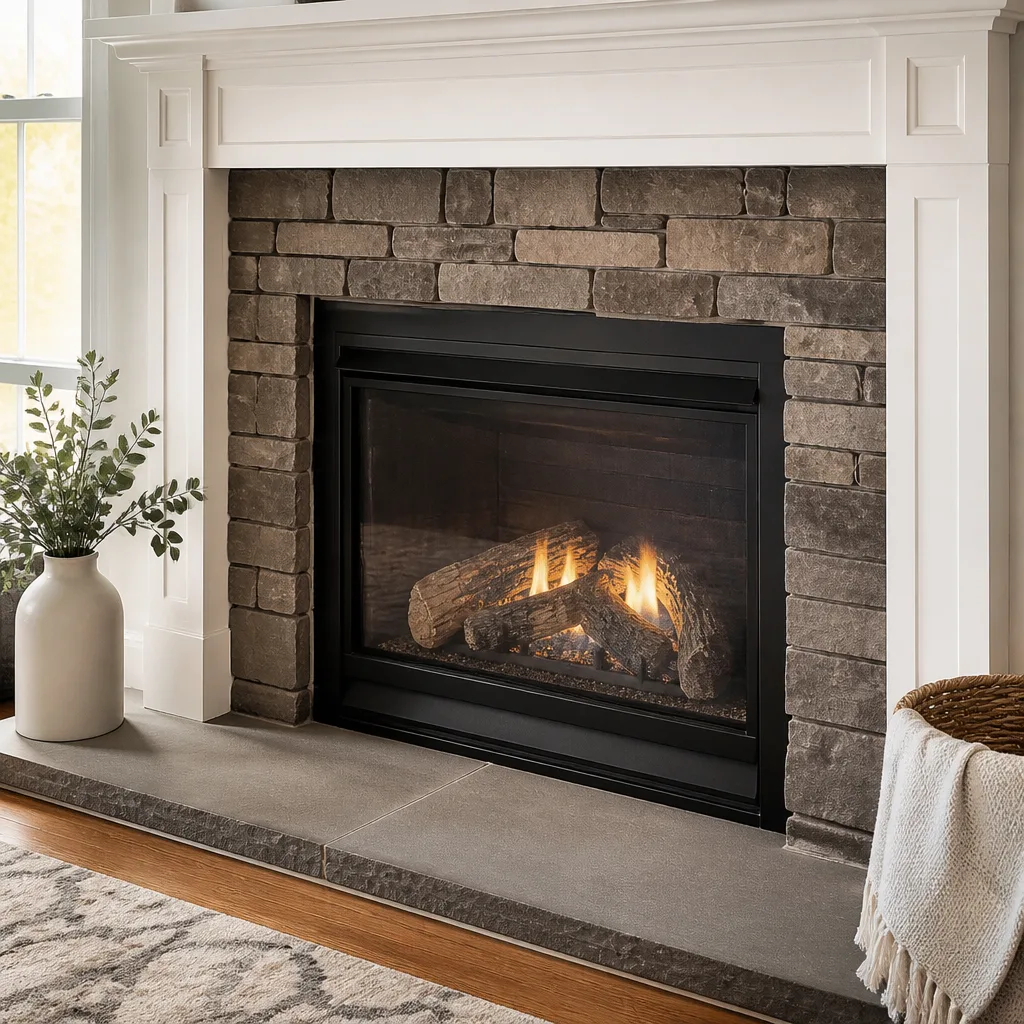 Gas fireplace service
Level 1 sweep and inspection to the NFPA 211 annual standard - flue, crown, cap, and flashing checked and photographed
Chimney sweep logs do not sweep chimneys. They loosen some creosote - which then falls where a brush and vacuum still have to collect it.
Chimney Sweep Maintenance Schedule: What to Do and When
Cypress homeowners who use their fireplace 10 nights a year don’t need the same schedule as someone burning through a cord of wood each winter, but most maintenance guides pretend otherwise. The standard “sweep it once a year” advice treats every chimney the same, and that’s a problem in a place with warm months that linger well past the point where a fire feels necessary. Your actual burn pattern matters more than the calendar. This guide builds a maintenance calendar around how much you really burn, what you burn, and what your chimney system actually is. We’ll cover the pre-season checks that catch animal nesting or a stuck damper, the post-season tasks that keep hardware alive, why gas inserts need a different rhythm, and the line between what you can check yourself and what needs a technician on site in Cypress.
Quick Answer
Sweep and inspect a wood-burning chimney once a year if you burn regularly, or every two to three years if you light a handful of fires a season, using the NFPA 211 rule that buildup of a quarter inch or more means it’s time to clean. Gas fireplaces need an annual service call regardless of how often you run them. Check the cap, crown, and flashing every spring after the burn season ends, and look up the flue visually once a month while you’re using it.
Styles & brands we work with
- Sweep & inspection
- Caps & crowns
- Flue relining
- Masonry repair
- Gas fireplace service
Table of Contents
- How Often Should You Sweep a Chimney? Start With Your Burn Frequency
- Pre-Season: What to Check Before the First Burn
- Post-Season: The Checks That Extend Hardware Life
- Gas Fireplace Maintenance: A Different Schedule Entirely
- The Monthly Owner Checklist vs. What Needs a Technician
- Inspection Levels and What They Actually Tell You
- A Cypress-Specific Maintenance Calendar
How Often Should You Sweep a Chimney? Start With Your Burn Frequency
The honest starting point isn’t a schedule, it’s a count. Before you pick an interval, think about how many fires you actually light in a season and how much wood goes through the firebox. That number drives everything else.
The industry standard comes from NFPA 211, which says chimneys should be inspected annually and cleaned when there’s a visible buildup of creosote or soot, roughly a quarter inch or more of deposit. Notice what that means: the standard asks you to inspect every year, not necessarily to sweep every year. Those are two different tasks, and conflating them is why so many homeowners end up paying for a cleaning they didn’t need or skipping an inspection they did.
Here’s how we map burn frequency to a realistic schedule:
- Light use (5 to 15 fires a season, occasional evenings): Inspect each year before the season, sweep when the inspection finds meaningful deposit. Many light users go two or three seasons between cleanings, especially if they burn dry, seasoned hardwood.
- Moderate use (a few fires a week through the burn season): Inspect and usually sweep once a year. Buildup accumulates faster than most people expect at this volume.
- Heavy use (daily burning, a cord or more per season): Sweep once a year at minimum, and be ready to sweep mid-season if you notice a strong draft change or heavy soot on the glass door.
- Whatever your volume, if you burn unseasoned or green wood: Shorten every interval above. Wet wood produces more creosote, and more creosote means more frequent cleaning.
In Cypress, the burn season is short. That means a lot of homes here genuinely fall into the light-use category, and the annual-sweep boilerplate doesn’t fit them. An inspection-first approach, where you confirm the condition before scheduling the sweep, is the better fit for the climate and the way people actually live here. When it’s time for the cleaning itself, a professional chimney sweep will measure the deposit and tell you honestly whether it warrants a full sweep or can safely wait another season.
Pre-Season: What to Check Before the First Burn
A chimney that sat unused through Cypress’s warm months is a very different chimney from one that’s been under constant use. That downtime is when small problems develop quietly. Before you light the first fire of the season, run through this sequence.
- Look into the firebox with a flashlight. You’re checking for animal nesting, leaves, or debris that found its way in during the idle months. Birds and small animals are the most common surprise. If you see evidence of a nest, don’t burn; have it cleared and the flue inspected.
- Test the damper by hand. Open and close it a few times. A damper that’s stiff, stuck, or won’t seal is a sign of corrosion or a bent hinge, and it will affect draft and heat loss all season. If it sticks, note it and have it looked at rather than forcing it.
- Check the firebox and door seals for moisture. After a hot, humid stretch, condensation inside an idle system is common. Look for water stains, rust on the damper or door hardware, or a musty smell that points to a moisture problem coming from above.
- Inspect the chimney cap from outside. A missing or damaged cap lets everything in, from rain to wildlife. It’s one of the cheapest preventive parts on the whole system and one of the most important. Our cap and crown work covers exactly this kind of weatherproofing.
- Confirm the flue is clear. A flashlight up the flue or a mirror check is a reasonable visual. If anything looks blocked, dirty, or wet, stop here and get it inspected before burning.
These are checks, not repairs. The point is to catch the problems that develop during idle months before they turn into a smoky first fire or a draft that won’t draw. Most of what we find on pre-season inspections in Cypress falls into that nesting, condensation, and damper category, and most of it is straightforward to resolve if it’s caught early.
Post-Season: The Checks That Extend Hardware Life
The end of the burn season is when your chimney’s exterior takes stock of the year. Warm months bring sun exposure, and the structural parts, the cap, the crown, and the mortar joints, are what weather most between seasons. This is the inspection that pays for itself by preventing water intrusion.
Water damage is one of the most common and most expensive problems a chimney develops, and it almost always starts at the top. Here’s what to check once the last fire of the season is out:
- Crown condition: The concrete crown at the top sheds water away from the flue. Cracks, spalling, or a crown that’s pulling away from the flue means water is getting into the masonry. A cracked crown is a repair, not a cosmetic issue, and it’s one we see often in an area with this much annual sun.
- Cap and screen: Confirm the cap is still secure, the screen is intact, and nothing has loosened over the season. A loose cap flaps in wind and can let water or pests in.
- Flashing: The metal where the chimney meets the roofline is a common leak point. Look for lifted edges, gaps, or rusted sections. Flashing problems send water down into the attic or ceiling, frequently far from the chimney itself, so they’re easy to misdiagnose.
- Mortar joints: Check the visible mortar between bricks up the exterior. Crumbling, receding, or missing mortar means the structure is letting moisture in. Repointing is better done before it spreads.
- Spalling brick: Bricks that are flaking or popping their faces are absorbing moisture. Catching this early keeps a small repair small.
For the interior side, the post-season task is simpler: a sweep or inspection once the heating season is behind you, so the system sits clean through the idle months. If your inspection uncovers liner wear, our chimney repair work uses professional-grade materials like DuraFlex flexible liner systems, installed the way they’re meant to be, not patched to pass inspection.
Gas Fireplace Maintenance: A Different Schedule Entirely
Gas fireplaces are the most under-serviced systems we encounter in Cypress. Homeowners tend to treat them as maintenance-free because there’s no ash to scoop and no wood to buy, so they go years between service calls. That’s a mistake, and it’s a structural difference from wood-burning maintenance.
Here’s the core distinction. A wood-burning chimney’s schedule is driven by creosote accumulation, which depends on burn volume and wood quality. A gas fireplace’s schedule is driven by debris accumulation and component wear, which happen whether or not you run it. Gas appliances produce very little creosote, so the “sweep when there’s a quarter inch of buildup” rule barely applies. What does apply is this:
- Annual service regardless of use. Even a gas fireplace that runs a few times a month should be serviced once a year. Debris like dust, lint, and the occasional spider or insect nest accumulates in the burner and controls area.
- Venting and the flue: Gas fireplaces vent through a flue or venting system that can collect debris and, in some designs, condensation. Blockages in a gas vent are a real hazard because the exhaust has nowhere to go.
- Burner and control inspection: The burn pattern, the ignition, and the safety controls need checking. A gas smell, a burner that won’t stay lit, or a flame that’s the wrong color or shape is a reason to stop using the unit and have it looked at.
- Glass, gaskets, and seals: The door glass and the seals around the firebox degrade over time. A failing seal can let exhaust into the room.
The practical upshot: a gas insert or gas log set that sees light use still gets an annual service call, while a lightly-used wood fireplace can often go longer between full sweeps. Gas work carries real safety stakes, so it’s a job for a trained technician, not a weekend project. If your gas fireplace has been running on the same schedule since it was installed, that’s a good indication it’s overdue for a look.
The Monthly Owner Checklist vs. What Needs a Technician
There’s a useful split between what you can check while you’re using the fireplace and what genuinely requires someone on site. Knowing the difference keeps you attentive without turning you into your own chimney inspector.
What you can check monthly, safely, from outside the firebox:
- Look toward the flue with a flashlight to confirm it appears clear and dry.
- Note how the draft performs. A fire that smokes into the room, or a draft that’s gotten noticeably weaker than usual, is a signal.
- Listen for new sounds, like a flapping cap or rattling hardware.
- Watch for water stains, damp smells, or rust that weren’t there before.
- Keep an eye on the exterior, from the ground, for anything obviously loose or damaged on the cap and crown.
What requires a trained professional on site:
- Any actual cleaning of the flue interior, which needs the right brushes and a clear view of the whole liner.
- Evaluating the liner for cracks, gaps, or wear, which you can’t reliably see from below.
- Any repair to the crown, cap, flashing, or mortar joints.
- Inspecting the firebox, damper, and smoke chamber above the firebox.
- Diagnosing a draft, moisture, or performance problem after the simple checks are done.
The whole point of the monthly checklist is to catch changes early, so that when you do call, you’re calling with a specific observation rather than a vague worry. It also helps you avoid the trap of a report that flags problems you can’t verify. When we inspect, we want you to see what we see, and the answer to “do I really need this repair” should always be something the evidence supports.
Inspection Levels and What They Actually Tell You
Not every inspection is the same, and knowing the levels helps you understand what you’re paying for. The industry describes three general levels of chimney inspection.
- Level 1: A visual inspection of readily accessible parts of the chimney, from the firebox to the cap, without special tools. This is the routine check you’d want with an annual sweep, and it fits a chimney that’s in known good condition with no changes in use.
- Level 2: A more thorough inspection that includes accessible parts of the attic and roof, and the use of a camera to see inside the flue. It’s the appropriate level after a change in the system’s use, a change in fuel type, a new appliance, or a problem like a chimney fire or a moisture issue. This is the level that can actually see a liner problem.
- Level 3: The most detailed inspection, used when a Level 1 or 2 finds a problem that requires access to concealed parts, potentially involving removing parts of the chimney or surrounding structure. It’s a targeted tool, not a routine one.
For most Cypress homeowners on a normal schedule, a Level 1 inspection with an annual sweep is the yearly baseline, and a Level 2 makes sense when something has changed or a problem is suspected. The value of a camera inspection is that it turns “you need work” into “here’s what’s inside the flue, and here’s the evidence.” That’s the standard we hold to: nothing gets recommended that you can’t see for yourself.
A Cypress-Specific Maintenance Calendar
Here’s how the whole year lines up when you build the schedule around this climate and this burn season, rather than a cold-climate template.
- Late spring, right after the last fire: Post-season inspection of the cap, crown, flashing, and mortar joints, plus the interior sweep or inspection so the system sits clean. This is the exterior-weathering check.
- Midsummer: If any repair was flagged in spring, get it done now, while the weather is dry and there’s no fire in the firebox. That’s when crown work, cap replacement, and flashing repairs make the most sense. For gas fireplaces with a flagged repair, schedule it now too.
- Early fall, before the first burn: The pre-season checks from the section above. Look for nesting, test the damper, confirm the cap is secure and the flue is clear. This is the step that prevents a smoky first fire.
- During the burn season: Run the monthly owner checklist. For gas fireplaces, add the annual service call once a year regardless of use.
- Before each season’s first fire, if it’s been more than a year: Confirm the last inspection is current, and schedule a visit if not.
The reason this looks different from a national guide is that Cypress’s warm months dominate the calendar. There’s a long window in the year when nothing is burning, and that window is the right time for the structural work. Doing cap, crown, and flashing repairs in the idle season means the system is weatherproofed and ready before the first cool night, rather than being patched mid-season.
Common Mistakes to Avoid
- Treating the annual sweep as mandatory no matter the use. A lightly-used Cypress fireplace doesn’t automatically need a cleaning every year; it needs an inspection that honestly tells you whether it does. Paying for sweeps you don’t need isn’t the goal.
- Skipping the inspection because you skip the sweep. The NFPA 211 standard is annual inspection. If you burn at all, someone should look at the system once a year, even if the sweep can wait.
- Going years between gas fireplace service calls. Gas inserts and log sets need an annual service whether or not they run often. Homeowners treat them as maintenance-free and they aren’t.
- Ignoring the crown and flashing between seasons. Water damage starts at the top and travels down, and by the time you see a ceiling stain, the problem has usually been there a while. The spring exterior check is the one that protects the masonry.
- Burning unseasoned wood and keeping the same schedule. Wet wood means more creosote and more frequent cleaning. If you switch to greener wood, shorten your interval.
- Relighting a chimney that sat all summer without a pre-season check. A blocked flue or an animal nest is a real hazard and one of the more common things found in an idle system. Do the check before the first fire.
- Commissioning repairs you can’t verify. If a report didn’t include camera evidence and photos, ask for it. You should be able to see the problem before you pay to fix it.
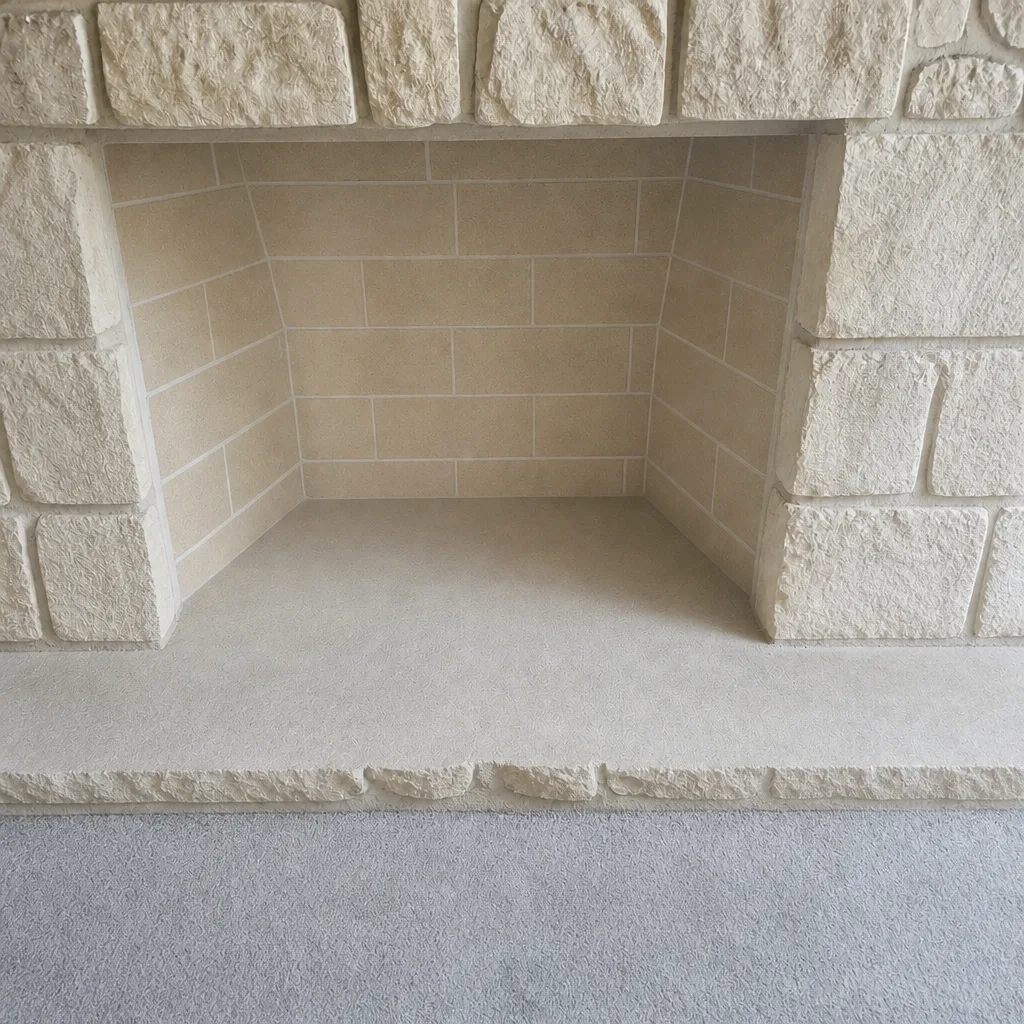
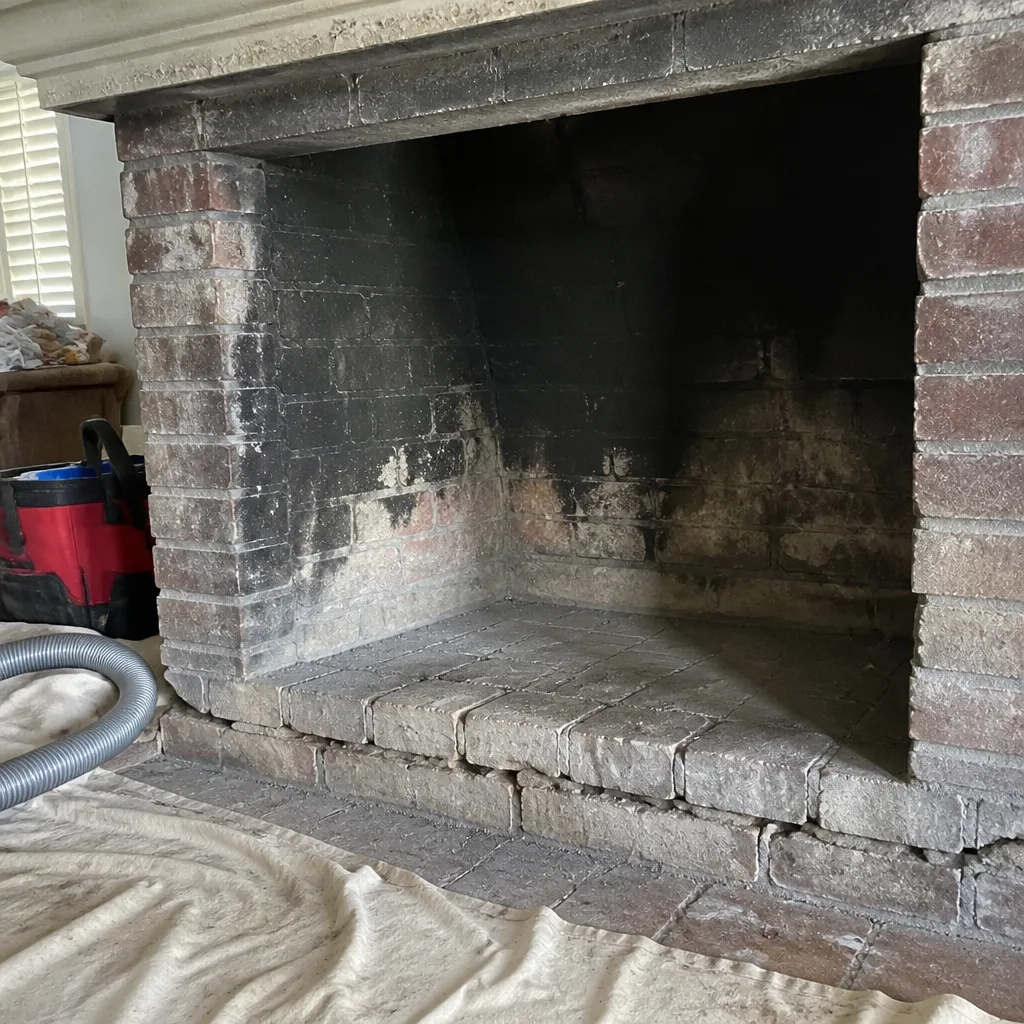
See the difference
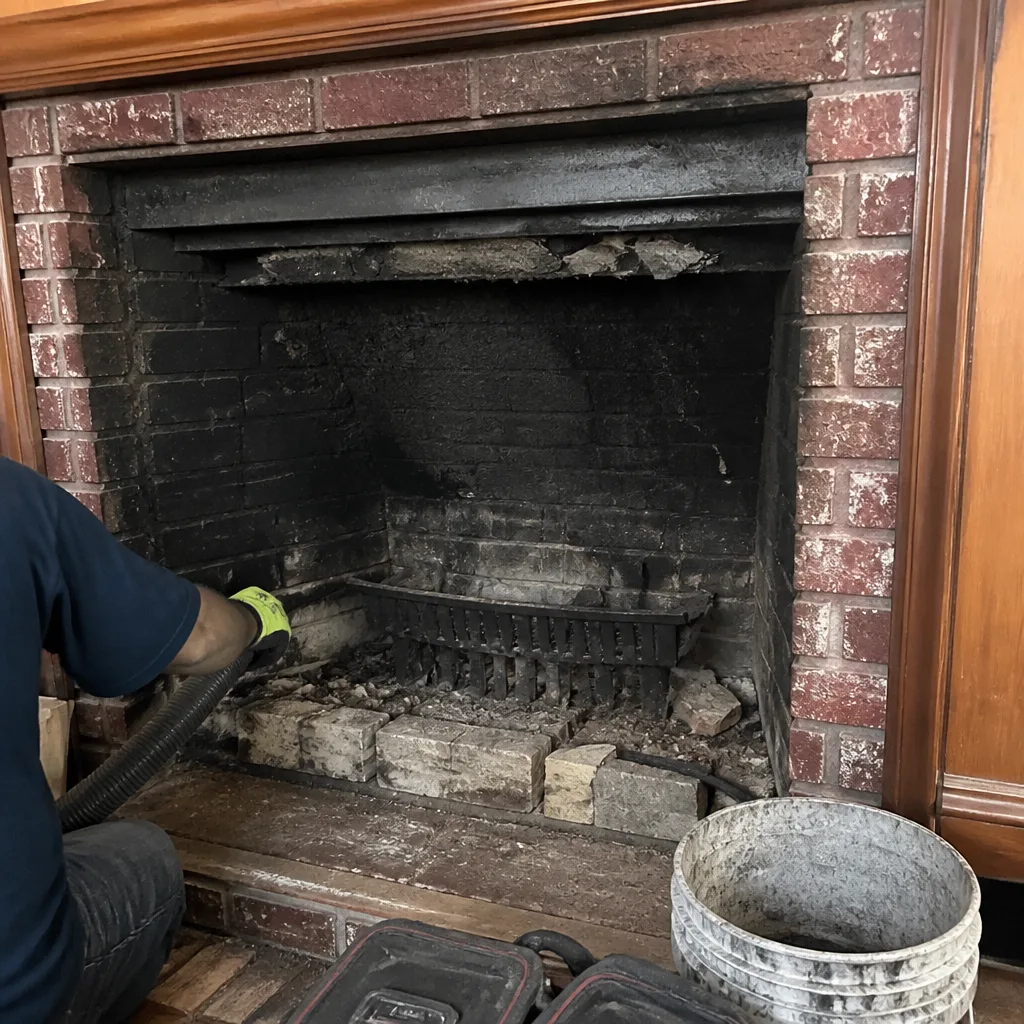 Before
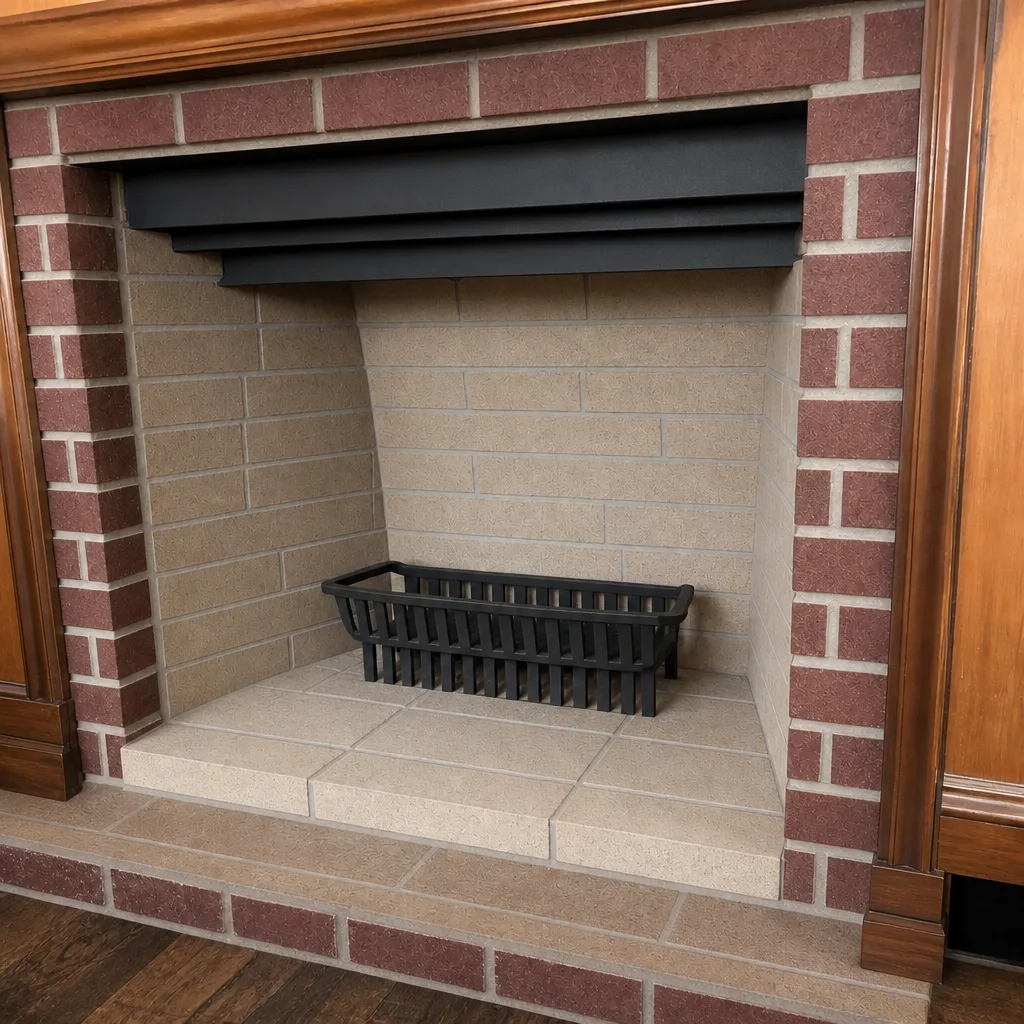 After
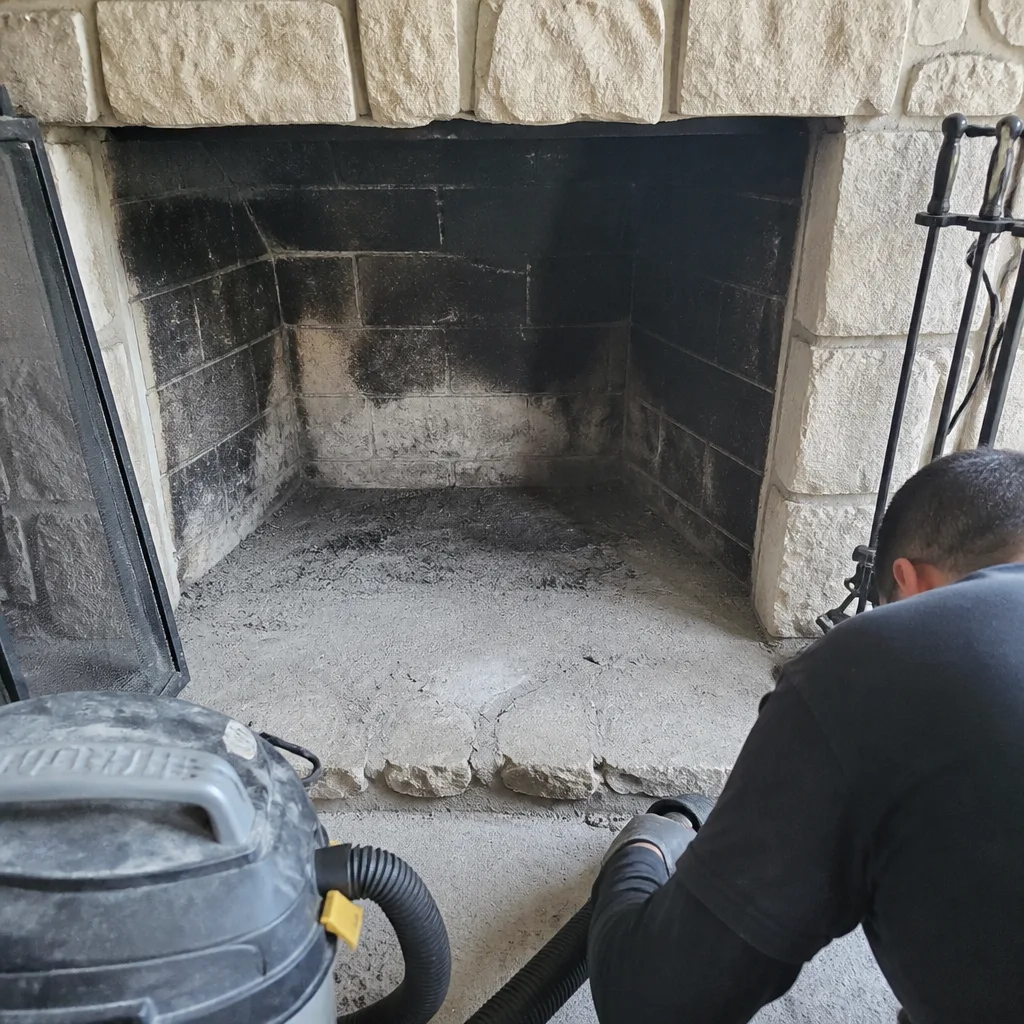 Before
 After
 Before
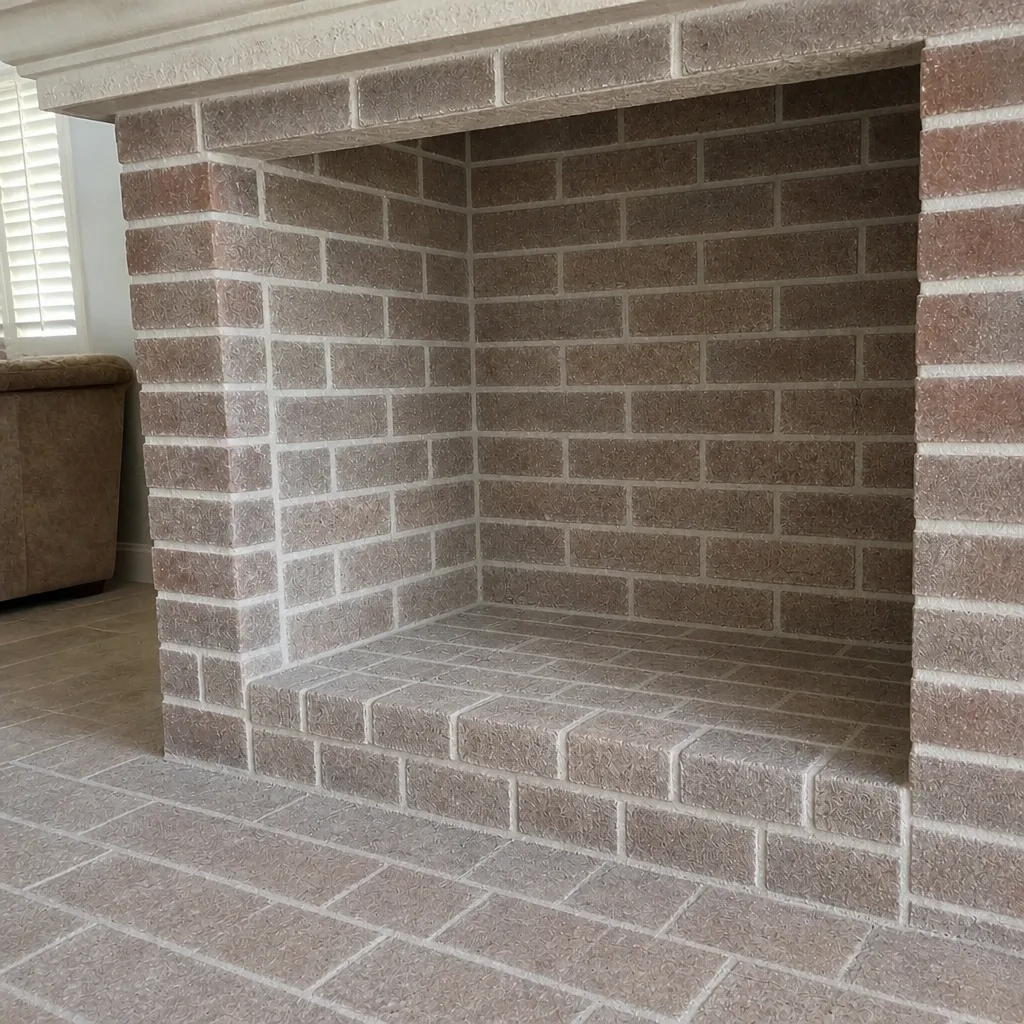 After
When to Call a Professional
Call for the annual inspection if you burn regularly, and call sooner if you notice any of these: a fire that smokes into the room, a draft that’s gotten weaker, a musty smell or water stains near the chimney, visible cracks in the crown or mortar, flaking brick, or a gas fireplace that smells, won’t stay lit, or burns with an unusual flame. Call too if it’s been more than a year since your last inspection, or if the last one flagged a repair that never got done. The safety part matters: carbon monoxide and chimney fire risk are real, they’re not scare-tactics, and a clean, inspected flue is how you keep both in check. Chimney Sweep Cypress offers free estimates in Cypress, and we inspect it and we fix it under one roof. Call (844) 656-4099.
Frequently Asked Questions
Sweep a wood-burning chimney when there’s roughly a quarter inch or more of creosote or soot buildup, and inspect it annually. Light users may go two or three seasons between sweeps, while regular users typically need one a year. The inspection is what tells you which applies to you, so start there. Call (844) 656-4099 for an exact quote on an inspection or sweep, and estimates are free.
Yes, if you burn at all, an annual inspection is the baseline, even when it doesn’t need cleaning. The inspection is what catches a blocked flue, a failing damper, or a worn liner before it becomes a bigger problem. A lightly-used wood fireplace may still go longer between full sweeps. Call (844) 656-4099 to book an inspection.
Because gas fireplaces accumulate dust, lint, and debris in the burner and controls, and their venting and seals degrade over time, whether or not they run. A yearly service checks the burn pattern, safety controls, seals, and venting. It’s the most under-serviced system type we see in Cypress. Call (844) 656-4099 to schedule a service visit.
Look into the firebox for nesting and debris, test the damper by hand, check for moisture or rust that developed during the idle months, confirm the cap is secure, and make sure the flue appears clear. If anything looks wrong, don’t burn until it’s inspected. Call (844) 656-4099 if you’d rather have it checked before you light up.
Creosote builds up and reduces how safely the chimney vents, and the crown, flashing, and mortar joints weather and let moisture in over time. Small repairs become structural repairs, and the cost and disruption grow the longer it waits. It’s not a reason to panic, but it’s a reason to inspect and address problems while they’re still small. Call (844) 656-4099 for a free estimate.
Sometimes you can safely wait, and we’ll tell you so. Nothing gets recommended without camera evidence and photos you can look at yourself, and repairs that can safely wait get flagged as such rather than pushed. If the evidence says it can wait, it can wait. Call (844) 656-4099 if you want an honest assessment.
The Bottom Line
Your maintenance schedule should fit your actual use, not a national template built for a cold climate. In Cypress, that means inspecting annually, sweeping when the deposit warrants it, doing the structural checks on the cap, crown, and flashing every spring, keeping gas fireplaces on an annual service no matter how light the use, and running a simple monthly check during the burn season. Full-system care from the firebox to the cap keeps the whole chimney working as a unit, and the right schedule saves you money by cleaning only when needed and repairing before small problems spread. If you’re due, Chimney Sweep Cypress handles inspections, sweeps, fireplace repair, and structural work under one roof, using professional-grade materials like HeatShield and DuraFlex.
Ready to get on a schedule that fits how you actually burn? Call Chimney Sweep Cypress at (844) 656-4099 for a free estimate. We answer 24/7. Fast dispatch from 7am to 7pm, Sunday through Friday. We’ll inspect your chimney system, show you what we find, and quote any work in writing, so you can decide with the full picture in front of you.
Written by the team at Chimney Sweep Cypress.