
Last updated November 25, 2026
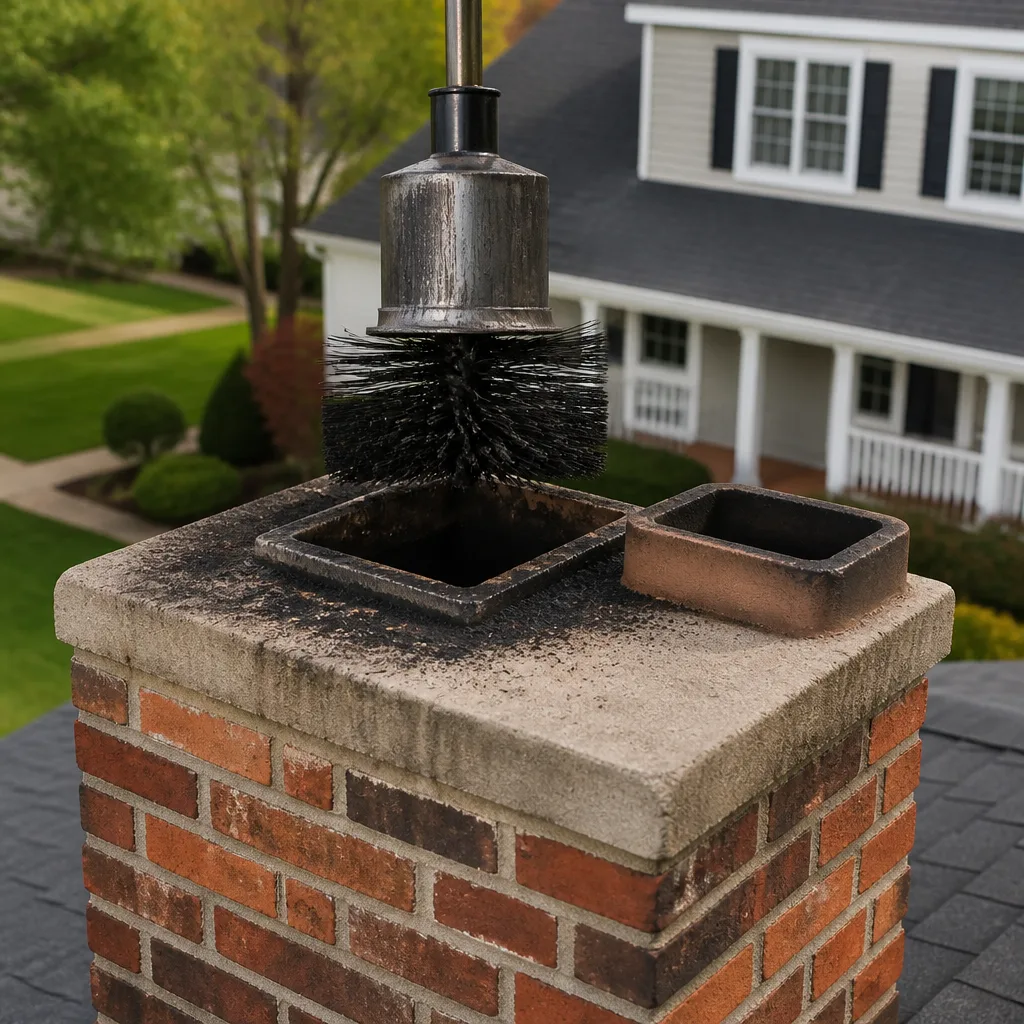 Sweep & inspection
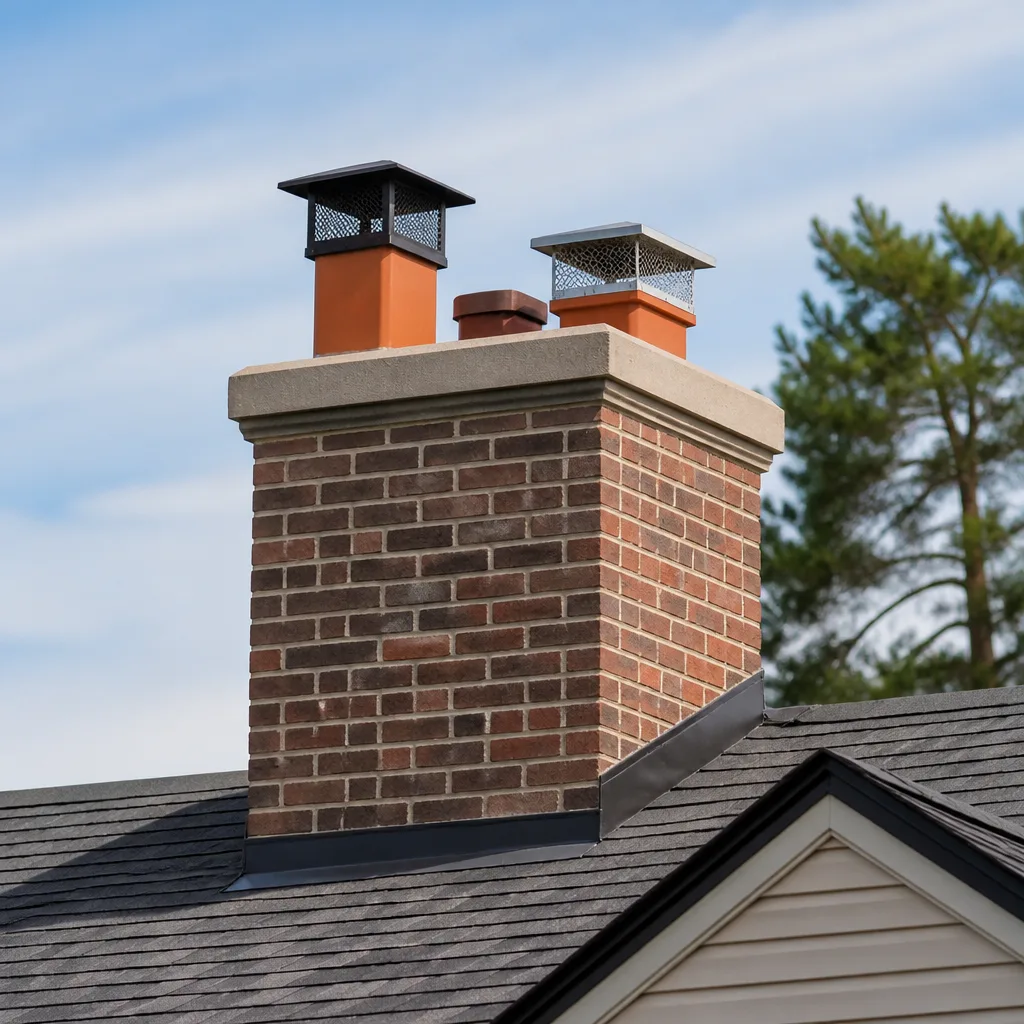 Caps & crowns
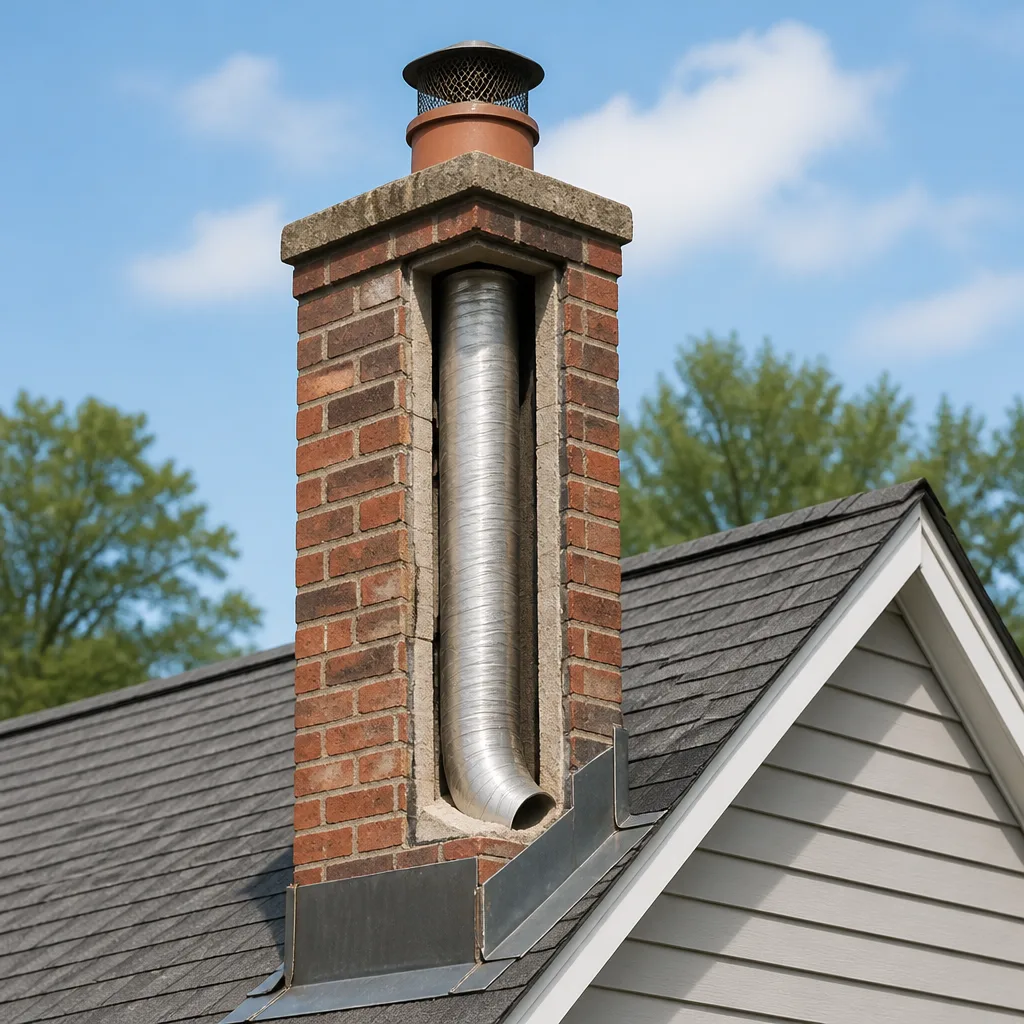 Flue relining
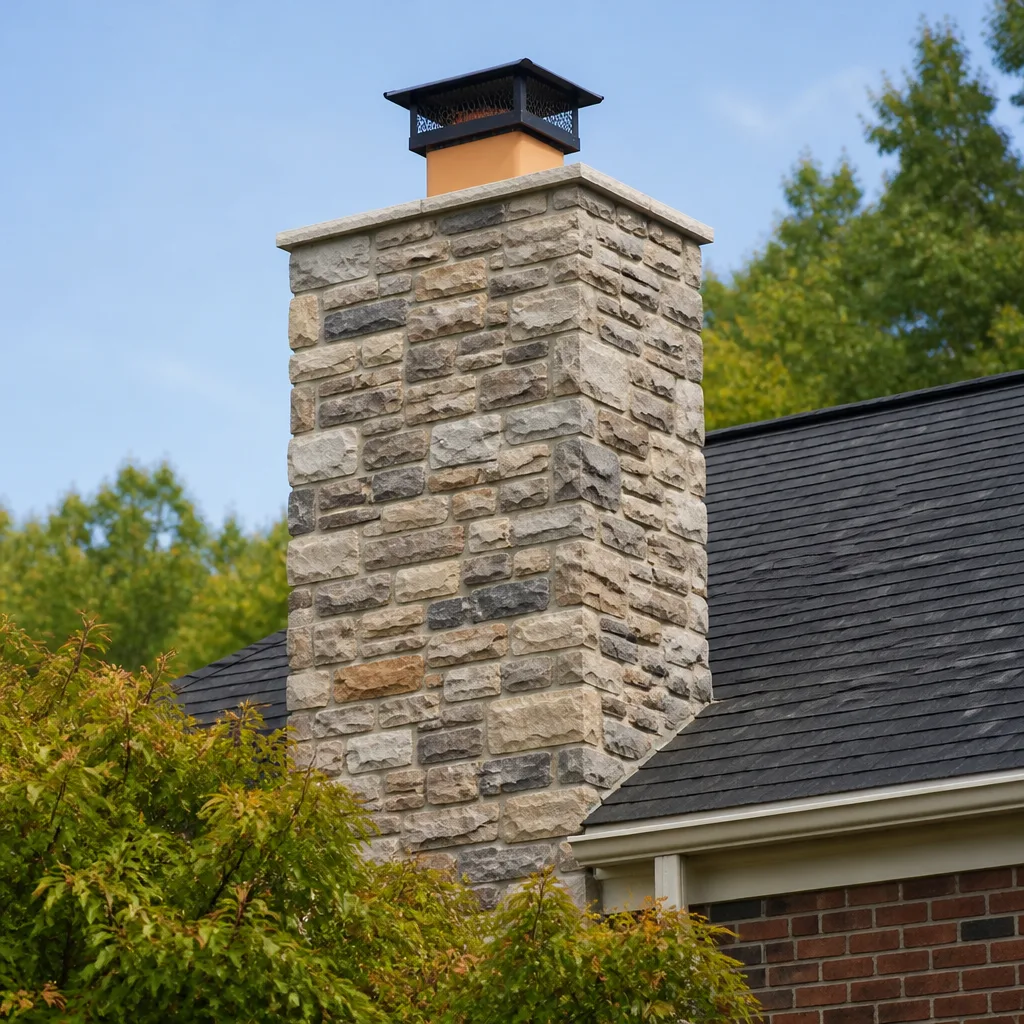 Masonry repair
 Gas fireplace service
Level 1 sweep and inspection to the NFPA 211 annual standard - flue, crown, cap, and flashing checked and photographed
Chimney sweep logs do not sweep chimneys. They loosen some creosote - which then falls where a brush and vacuum still have to collect it.
The Complete Guide to Chimney Cleaning in Cypress
Most Cypress homeowners light their fireplace fewer than 15 times a year. That sounds like good news for the chimney. It isn’t. Low-frequency burning in a mild climate is one of the fastest routes to the sticky, hard-to-remove creosote that makes a cleaning genuinely difficult, and it’s a pattern we see constantly in homes across this city. Fires that never really get going, damp wood, a flue that stays cool between burns: those conditions leave behind deposits that a hot, daily winter fire would have burned away. This guide walks the whole system – flue, liner, firebox, smoke chamber, cap – so you know exactly what a thorough cleaning covers, what a cut-rate crew quietly skips, and what you should walk away holding when the job is done right.
Quick Answer
A proper chimney cleaning in Cypress removes creosote, soot, and debris from the full flue and firebox, and it always includes a visual inspection of the liner, smoke chamber, and cap. It should end with photos and a written report you can keep. A basic “sweep and go” that only brushes the flue and hands you a receipt isn’t a full cleaning – and in a warm climate where creosote cures dense, the parts that get skipped are usually the parts that matter most.
Styles & brands we work with
- Sweep & inspection
- Caps & crowns
- Flue relining
- Masonry repair
- Gas fireplace service
Table of Contents
- Why a Mild Cypress Climate Changes How Creosote Forms
- The Five Parts of a Chimney System (And What a Basic Sweep Ignores)
- What CSIA Standards Actually Require During a Cleaning
- What a Full Cleaning Looks Like, Step by Step
- Moisture, Weather, and Liner Wear in Cypress
- What You Should See and Receive When We Leave
- How Often Does a Cypress Chimney Really Need Cleaning?
- Why This Isn’t a Do-It-Yourself Job
Why a Mild Cypress Climate Changes How Creosote Forms
Cypress winters are mild. Fires tend to be occasional – a few evenings a season, a holiday gathering, the odd cold snap. That pattern creates a creosote problem that cold-climate homeowners rarely deal with in the same way.
Cool, short burns don’t produce enough heat to fully drive off moisture and volatile compounds from the wood. Those compounds condense on the cooler walls of the flue and cure slowly into a glazed, tar-like layer. This is Stage 2 creosote, and it’s the kind that resists a standard brush. In a cold climate where the fireplace runs every night, the flue stays hot and much of that same material burns off or stays softer. Here, it sits, cures, and builds.
What makes it worse in Cypress
- Seasoned vs. unseasoned wood. Wood stored in a humid garage or covered with a tarp that traps moisture burns cool and smokes. Cool smoke means more creosote.
- Short, low fires. A fire that goes out before the flue warms up deposits more than it removes. A hotter, shorter burn cleans as it goes.
- Long idle periods. Between burns, the flue stays damp and the deposits have time to harden into glaze.
- Older masonry flues. Cypress has a good stock of homes built in the 1960s through 1980s, many with clay tile liners that have had time to develop joint gaps and surface spalling.
None of this is a reason to stop using the fireplace. It’s a reason to have it cleaned on a schedule that matches how you actually burn, not how a cold-climate checklist assumes you burn. When a fireplace is used lightly, our experience is that a standard annual cleaning often catches the early stages – which is exactly when it’s easiest to deal with.
The Five Parts of a Chimney System (And What a Basic Sweep Ignores)
A chimney isn’t one pipe. It’s a system of connected parts, and each one fails in its own way. A basic sweep handles one or two of them well and ignores the rest. Here’s the full map, from the firebox to the cap.
- The firebox. The brick or steel chamber where the fire burns. It takes the most heat and the most physical wear. Cracked masonry, failed firebrick, and worn mortar joints here let heat reach framing. A full cleaning brushes and inspects the firebox; a basic sweep often doesn’t look.
- The damper. The metal flap that controls draft. It needs to open fully and seal cleanly. A rusted or warped damper that doesn’t open all the way is a smoke problem the homeowner feels but never sees.
- The smoke chamber. The angled space above the damper where smoke gathers before entering the flue. Its corbeled brick walls trap soot and need to be scraped by hand. Most basic sweep crews skip it entirely because it’s slow, awkward work. This is where chimney repair often starts.
- The flue and liner. The vertical passage and the liner that protects the surrounding structure. The liner is the safety layer. A standard brush goes down the flue, but it can miss the joint gaps, cracks, and weak points that only a camera will show.
- The cap and crown. The top. The crown is the concrete surround that sheds water away from the flue; the cap is the cover that keeps rain, animals, and debris out. These are the first line of defense against water damage, and a sweep-and-go almost never touches them.
When we say full-system chimney care, this is what we mean. From the firebox to the cap, each part is cleaned, checked, and reported on. If something needs repair, we do it – we work with professional-grade materials like DuraFlex liner systems, HeatShield resurfacing for smoke chambers, and caps and crowns from Gelco and Famco, so the fix isn’t handed off to a second contractor who may never show up.
What CSIA Standards Actually Require During a Cleaning
The Chimney Safety Institute of America (CSIA) publishes standards for what a chimney sweep should do. Those standards are public. They’re also honored inconsistently. Here’s the gap between the standard and what a lot of low-cost crews actually perform.
| Task | CSIA standard | What cheap crews often do |
|---|---|---|
| Inspect before cleaning | Yes – assess condition first | Skip to the brush |
| Clean full flue | Yes, top to bottom | Bottom-up only, partial |
| Clean smoke chamber | Yes, by hand | Usually skipped |
| Clean firebox | Yes | Light brushing, no inspection |
| Camera inspection | Standard of care | Rarely offered |
| Written report with photos | Expected | Verbal “all good” or nothing |
| Cap and crown check | Yes | Ignored |
The pattern is consistent. The tasks that take time – the smoke chamber, the camera, the written report – are the first things cut when a crew is paid per job and racing the clock. The flue gets brushed, the receipt gets handed over, and the parts most likely to fail go unexamined. That’s not a cleaning, it’s a partial sweep wearing a cleaning’s name.
One more point on the CSIA standard: it calls for a visual inspection before the cleaning, not just after. What the technician sees on the way in shapes what they do. A flue with a failing liner needs a different touch than one that’s sound. Skipping that pre-check is how a brush ends up damaging a liner it should have flagged.
What a Full Cleaning Looks Like, Step by Step
Here’s the sequence a legitimate full cleaning follows. When you book a chimney sweep in Cypress, this is what the visit should look like from start to finish.
- Protect the room. Drop cloths on the floor, a tarp in front of the firebox, and a running vacuum with a HEPA filter to capture fine soot. A good setup means no dust cloud and no cleanup for you afterward.
- Inspect before touching anything. The technician checks the firebox, damper, smoke chamber, flue, and cap with a flashlight and camera, noting the liner condition and any gaps or cracks.
- Brush the flue. Top-down brushing with the correct sized brush for the flue type – not a one-size-fits-all brush that damages tile or leaves the edges untouched.
- Scrape the smoke chamber. Hand tools into the angled corbeling where soot accumulates. This is the work that separates a real cleaning from a quick one.
- Clean the firebox and damper. Brush and vacuum, then test the damper’s movement and seal.
- Vacuum the whole system. Fine soot that settles after brushing gets pulled out with the HEPA vacuum, not left to drift.
- Re-inspect with camera. A second look through the whole flue confirms the cleaning worked and documents condition – this is where photos come from.
- Check cap and crown. Confirm the cap is secure and the crown sheds water. Note any cracks or missing mortar.
- Write it up. Photos, condition notes, and any recommended repair in a written report, with a clear split between what needs doing now and what can wait.
Nine steps. Most take minutes. A few – the smoke chamber and the camera – take real time, and they’re the ones a cut-rate crew skips. Both are the reason the visit should be booked, not squeezed in.
Moisture, Weather, and Liner Wear in Cypress
Cypress sits close enough to the ocean that the air carries moisture most of the year. That relative humidity matters more than people expect, because it works on the chimney from two directions.
From the outside in
Every chimney top is exposed. The cap takes the rain; the crown sheds it away from the flue. When a cap goes missing or a crown cracks, water gets into the masonry flue. In a mild climate that water doesn’t freeze and spall the brick the way it would in a cold state, so the damage stays quiet longer. What it does instead is soak into the clay tiles and mortar, soften the joints over time, and rust the damper and firebox hardware. A missing cap is one of the most common water-damage entry points we see in Cypress, and it’s one of the easiest to prevent.
From the inside out
On the flue side, the same humidity slows the drying of creosote between burns. Deposits that would dry to a brittle flake in a dry climate cure to a sticky glaze here. That’s why the flue inspection matters: a camera shows whether a ceramic or metal liner has developed cracks or joint gaps that need attention before they let heat reach framing.
This is the reason we carry cap and crown work as its own service category. Cap and crown repair from Gelco and Famco addresses the structural weatherproofing, not just the inside of the flue. When we inspect, we’re looking at both sides of the wall.
What You Should See and Receive When We Leave
You shouldn’t have to take our word for the state of your chimney. You should be able to see it. Here’s what a completed cleaning should leave in your hands.
- Before-and-after photos of the flue interior, shot with a camera – not a hand-held snapshot down the firebox, but the inside of the flue itself.
- A written report noting the condition of each of the five parts, the liner type, and any observed defects.
- A clear recommendation that separates “do this now” from “watch this.” Not everything needs repair the day it’s found, and a report that flags everything as urgent isn’t a report, it’s a sales pitch.
- A flat cleaning price agreed before the work begins, so the number on the invoice is the number you were quoted.
If a crew can’t show you the inside of your own flue, you’re being asked to take a lot on faith. We’d rather hand you the photos and let you see what we see. A camera inspection and a photo report are the difference between a cleaning and a guess.
How Often Does a Cypress Chimney Really Need Cleaning?
The short answer is once a year for most homes, but the honest answer depends on how much you burn. The CSIA guidance is to have the chimney inspected annually and cleaned when there’s roughly an eighth of an inch of creosote buildup. For a Cypress fireplace used a handful of times a season, that often means a cleaning every year or two, with an inspection in between.
| Situation | Suggested schedule |
|---|---|
| Used a few times a season | Annual inspection; clean as buildup shows |
| Used most winter evenings | Annual cleaning |
| Burning unseasoned or green wood | Clean more often – at least annually |
| Older masonry flue (pre-1990 home) | Annual inspection with camera |
| Newly purchased home | Inspect before first use, regardless of prior records |
A fireplace that’s been idle for a few seasons is a special case. Deposits have had time to cure and set, and the flue may never have been checked since before it went quiet. If you’ve just moved into a Cypress home and don’t know the chimney’s history, an inspection is the first thing to book – before you light a fire, not after.
The seasonal timing matters, too. Book before the first cool evenings bring everyone else in. A sweep is a booked appointment; if you wait for the first cold snap, you’re competing with every other fireplace owner in the city for the same calendar slots.
Why This Isn’t a Do-It-Yourself Job
It’s tempting to think a chimney is just a vertical pipe, and a brush on a pole is all it takes. There are two reasons that logic fails.
The first is the danger. A swept chimney involves working at height on the roof, and the flue itself can hold a hidden hazard: glazed creosote, when it ignites, burns as a hot chimney fire, and a chimney fire can spread heat into a wall cavity. A brush striking the right spot in a damaged liner can also open a path for heat that wasn’t there before. Working on or in a chimney is high-tension work that calls for training, and the risk sits on the roof and in the flue, not just at the hearth. The instinct to save an afternoon isn’t worth a serious injury or a chimney fire, and the safety caveat matters: this is a job for a trained professional.
The second is what a homeowner can’t do from below. Renting a brush lets you scrub the flue, but it doesn’t let you scrape the smoke chamber, inspect the liner with a camera, check the cap, or read the condition of the firebrick. You’d be doing a partial job while skipping the parts that actually determine whether the system is safe to use. That’s why we inspect it and we fix it – the diagnosis and the repair belong together.
What’s worth doing yourself is the small stuff between cleanings: keeping the area around the hearth clear, storing firewood off the ground and covered loosely so it seasons, and avoiding the tarp-trapped wood that burns wet. That’s maintenance, and it helps a chimney stay healthier between visits.
Common Mistakes to Avoid
- Burning unseasoned wood. Wood stored in a damp garage or covered with a tight tarp burns cool and heavy, and it’s the fastest route to Stage 2 creosote in a mild climate like this one. Dry, seasoned wood burns hot and leaves less behind.
- Skipping the cap. A missing or loose cap lets rain and debris into the flue, one of the leading causes of water damage in Cypress homes. It’s a small fix that prevents a much larger one.
- Trusting a “reported done” with no photos. If a crew can’t show you the inside of your own flue, they can’t tell you it’s clean. Ask for the camera photos every time.
- Waiting until the flue is glazed. Soft, early creosote brushes away easily. Hard, glazed Stage 2 creosote is slow, specialist work the longer you wait. Book before the buildup gets ahead of you.
- Hiring a crew that can only sweep. A sweep that flags liner damage but can’t repair it leaves you chasing a second contractor who may not see the same thing. A full-system team inspects and fixes in one relationship.
- Burning short, low fires. A fire that never warms the flue deposits more than it removes. If you’re burning, burn hot enough for the draft to do its job.
- Assuming the previous owner took care of it. A newly purchased home should be inspected before you use the fireplace, whatever the seller said. The records are often missing, and the flue is the part no one checked.
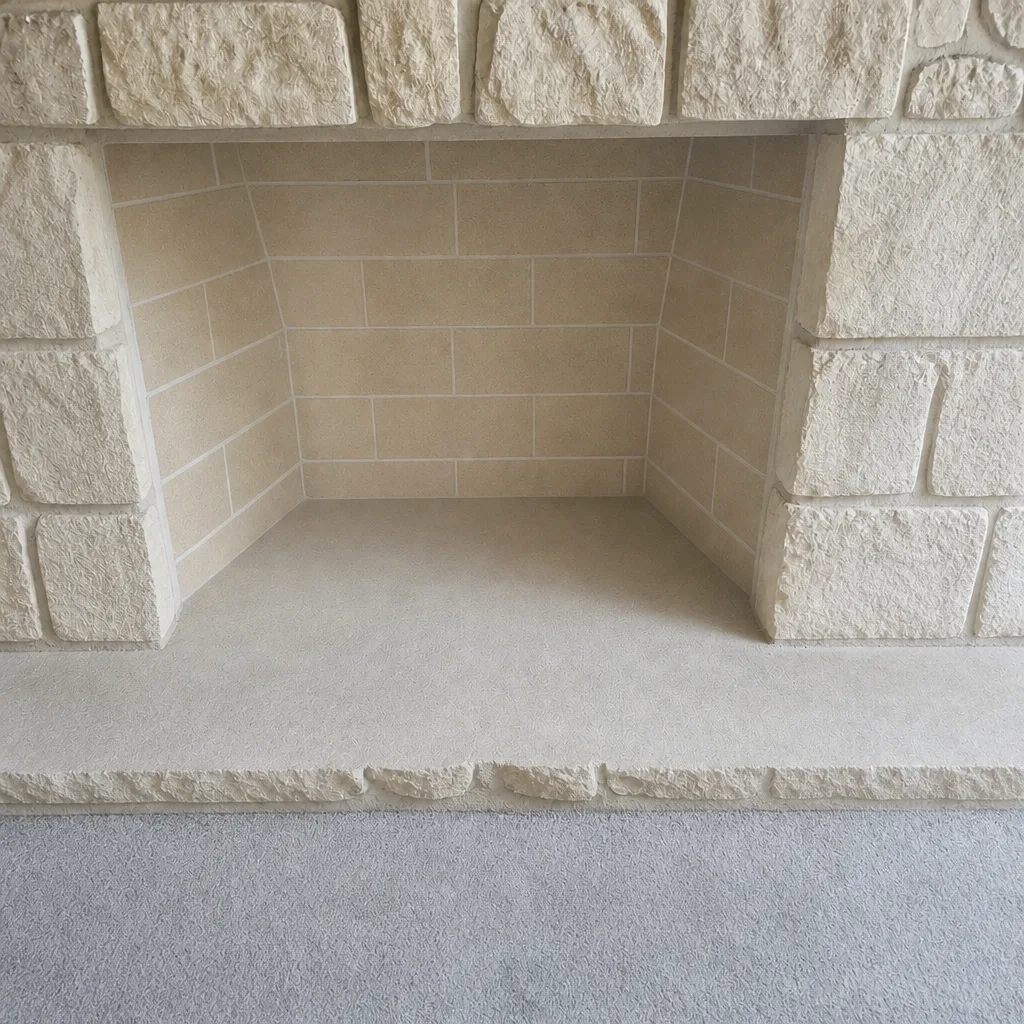
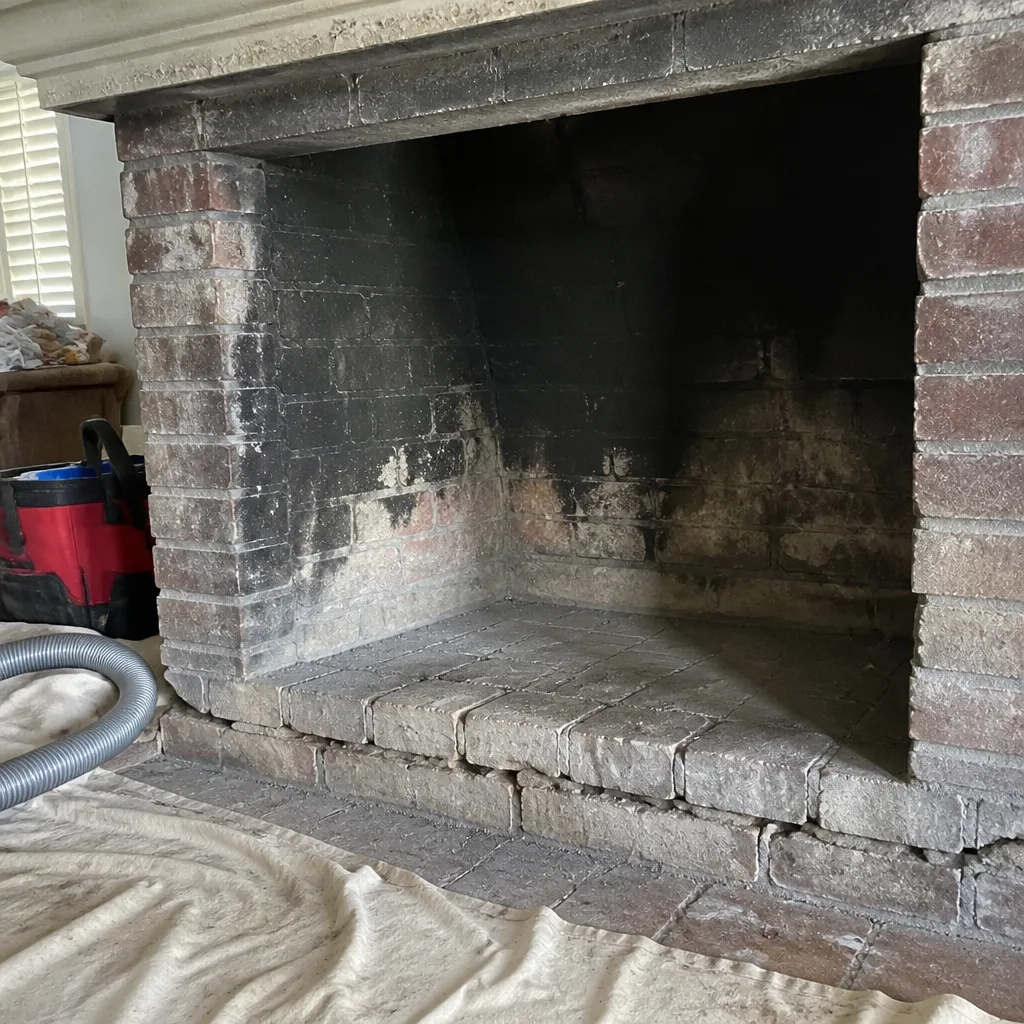
See the difference
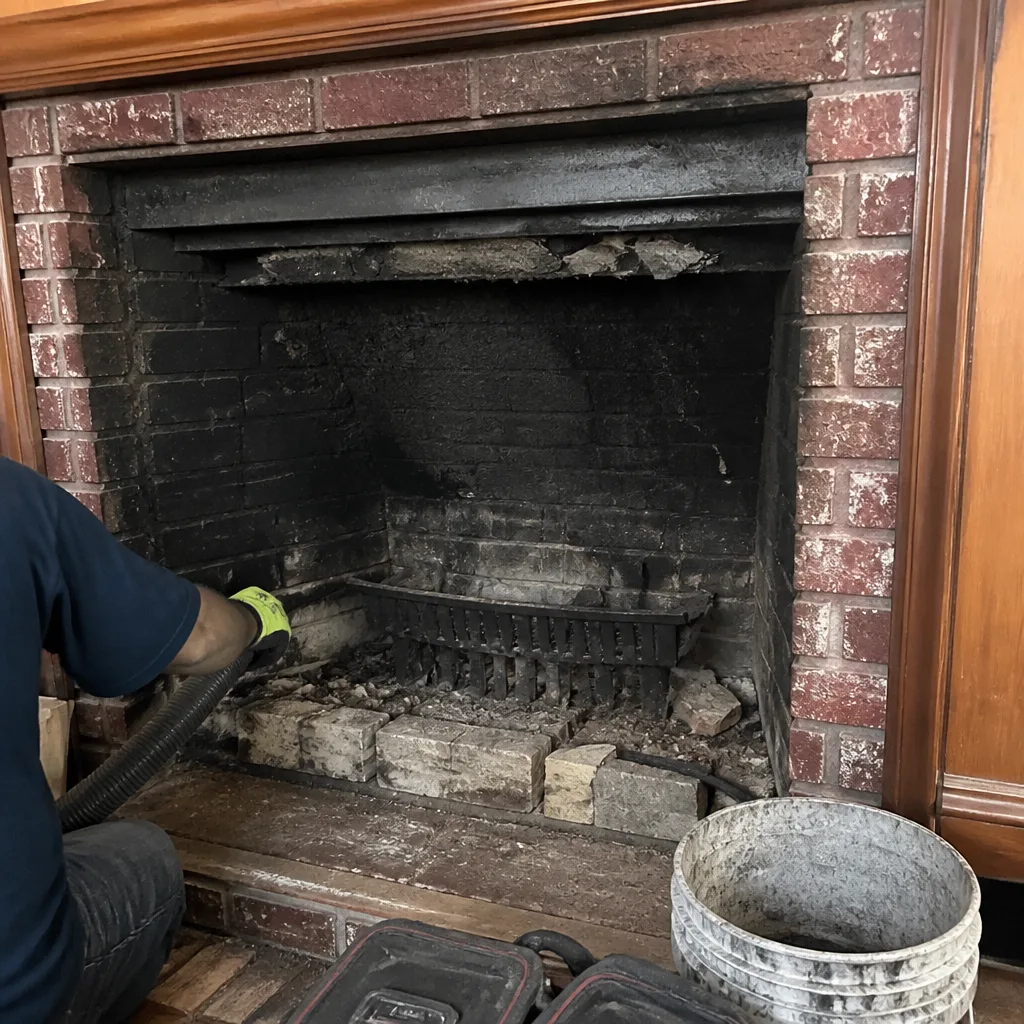 Before
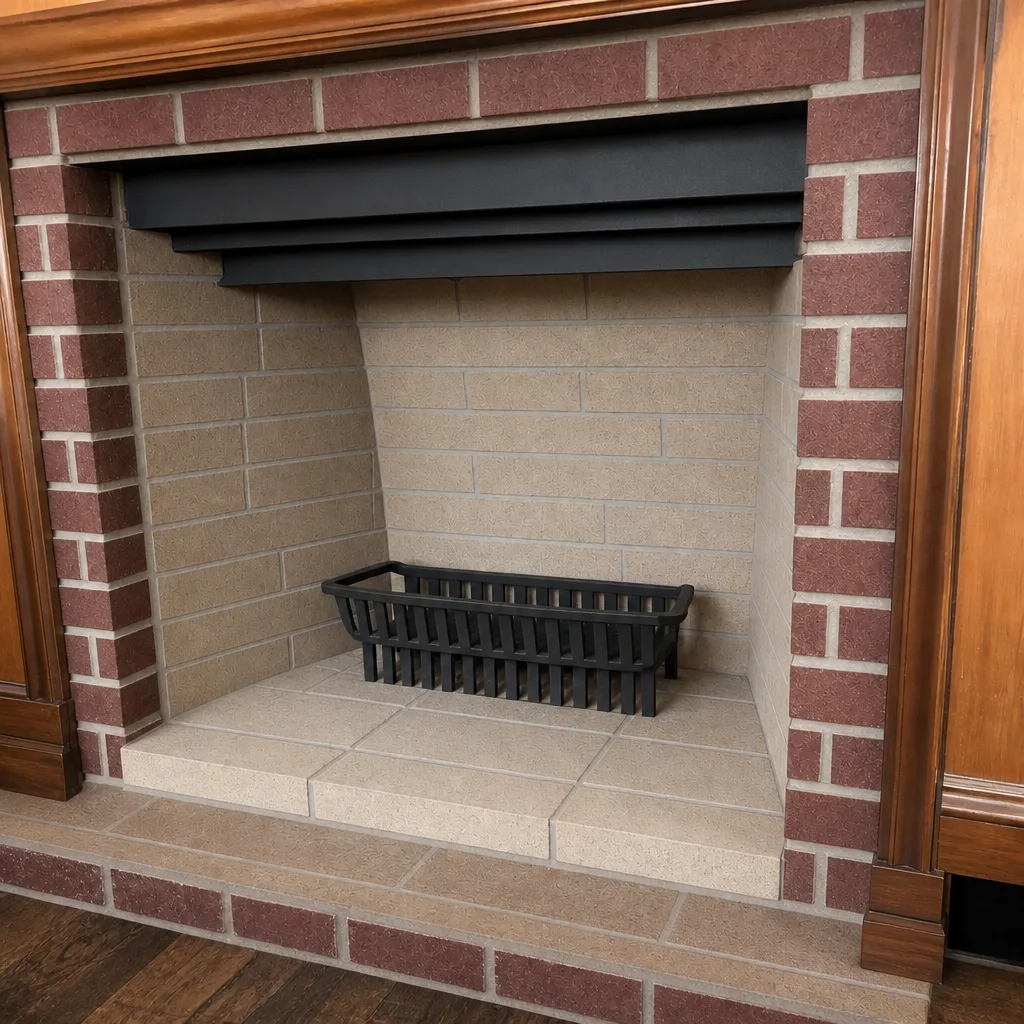 After
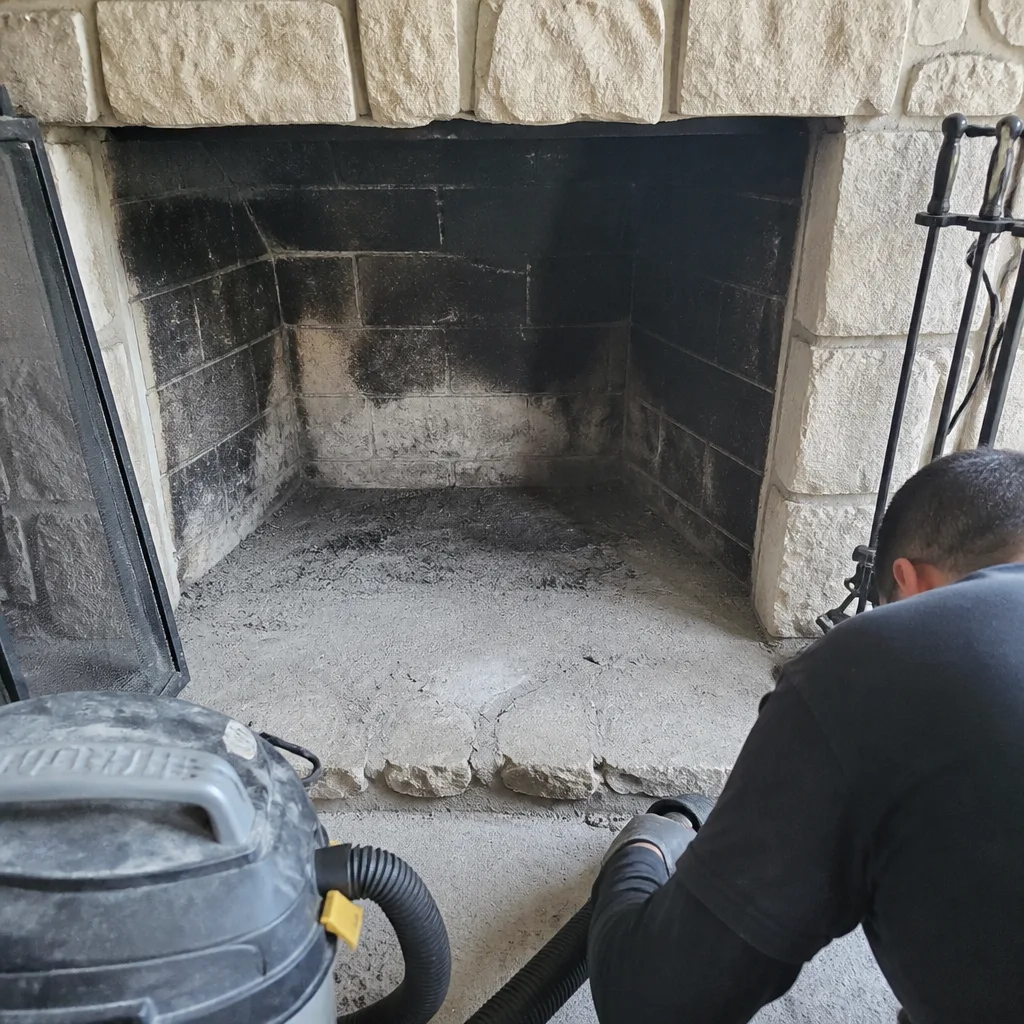 Before
 After
 Before
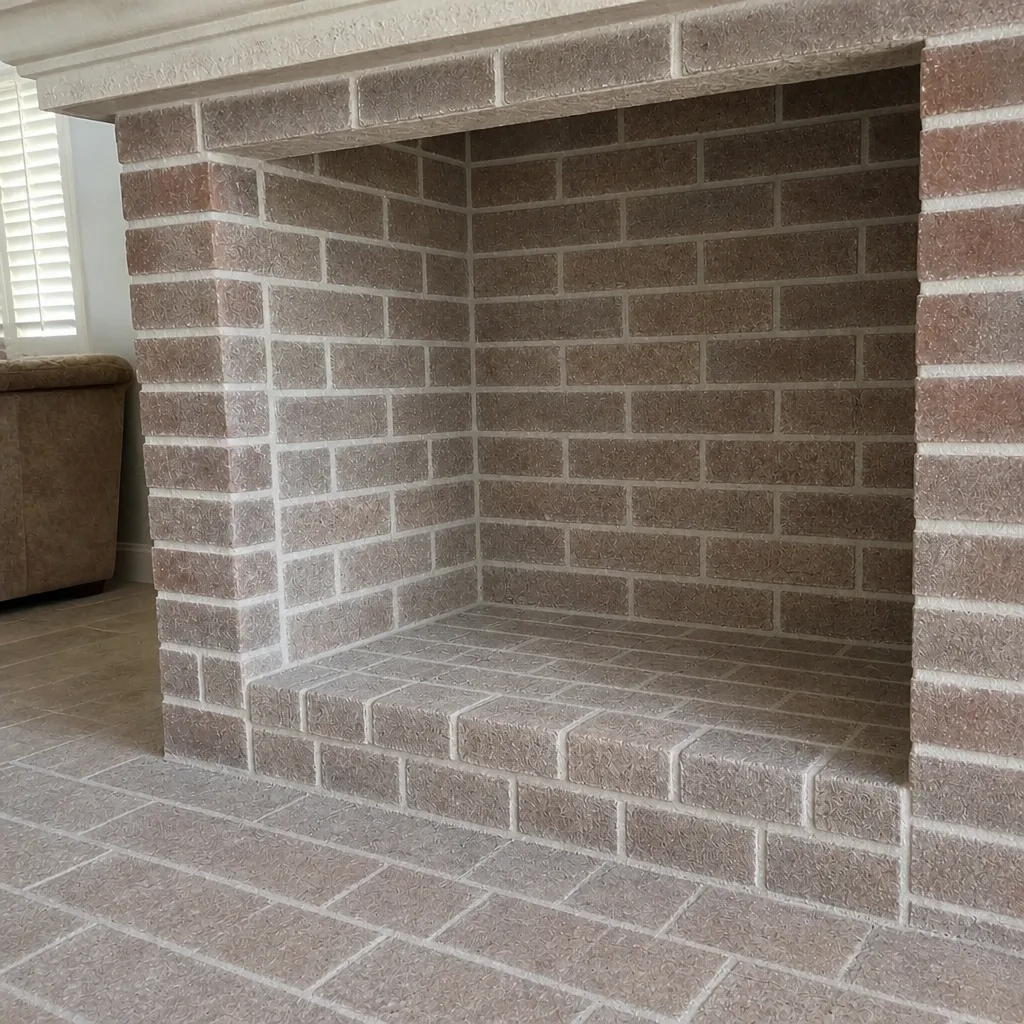 After
When to Call a Professional
Call a professional if you can’t remember the last cleaning, if the fireplace hasn’t been used in a few seasons, or if you’ve just moved into a Cypress home with an unknown chimney history. Call if you see soot on the firebox, a cracked firebrick, a damper that won’t open fully, or a cap that’s loose or missing. Call if you smell smoke in the room when the fire is going, or if the flue looks black and glossy inside. And call if you want the full system checked – firebox, damper, smoke chamber, flue, and cap – with photos and a written report to show for it. Chimney Sweep Cypress offers free estimates in Cypress; call (844) 656-4099. We answer 24/7. Fast dispatch from 7am to 7pm, Sunday through Friday.
Frequently Asked Questions
The price depends on the job – flue size, access, how much creosote has built up, and whether cap or crown work is needed – so the estimate is set per job in writing before we start. You won’t get a number over the phone that changes on the day; the written estimate sets the final price. Call (844) 656-4099 for an exact quote, and the estimate is free.
Only if the inspection shows it – and you should be shown the camera evidence before anyone says the word “liner.” A sound masonry flue doesn’t need one. If the liner is cracked, has joint gaps, or has failed, a flexible liner system from DuraFlex is the standard fix, and the photos explain why. If the evidence isn’t there, the answer is no. Call (844) 656-4099 to see the inside of your own flue.
Once a year for most homes, with an inspection in between if your fireplace only gets occasional use. Because fires here are less frequent, creosote tends to cure harder between burns, so the annual inspection is your best tool for catching buildup early. We tell you what the flue actually shows rather than working to a fixed rule. Call (844) 656-4099 to book.
Creosote builds, and glazed creosote can fuel a chimney fire that spreads heat into the surrounding wall. Skip it long enough and the liner and masonry take on moisture damage that could have been prevented. None of it announces itself; it stays quiet until it isn’t. Call (844) 656-4099 and we’ll tell you honestly where your chimney stands.
No. A proper setup includes drop cloths, a tarp at the firebox, and a running HEPA vacuum, so fine soot is captured rather than drifting into the room. When the visit is over, the room should look the way it did before we arrived. Book it and see for yourself – call (844) 656-4099.
We inspect it and we fix it. Cleaning and inspection are connected directly to repair, so liner work, smoke chamber resurfacing with HeatShield, and cap and crown installation happen through the same relationship rather than getting handed off. That’s the point of full-system chimney care. Call (844) 656-4099 to start with an inspection.
The Bottom Line
Chimney cleaning in Cypress isn’t just about brushing soot. In a mild climate where fires are occasional, creosote cures dense and hard, and the parts a cut-rate crew skips – the smoke chamber, the liner camera, the cap – are exactly the parts most likely to fail. A real cleaning covers all five parts of the system, ends with photos and a written report, and connects what’s found to what gets fixed. We inspect it and we fix it, with materials like DuraFlex and HeatShield, and we tell you plainly when a repair can wait. Start with an inspection, get the camera evidence, and let it guide the work.
Chimney Sweep Cypress provides Chimney Sweep Cypress, fireplace repair, chimney repair, and cap and crown work across the full system, so a single call covers diagnostics and repair. If you need fireplace repair or a full-system cleaning, call (844) 656-4099 for a free estimate. We answer 24/7. Fast dispatch from 7am to 7pm, Sunday through Friday.
Written by the team at Chimney Sweep Cypress.