
Last updated November 25, 2026
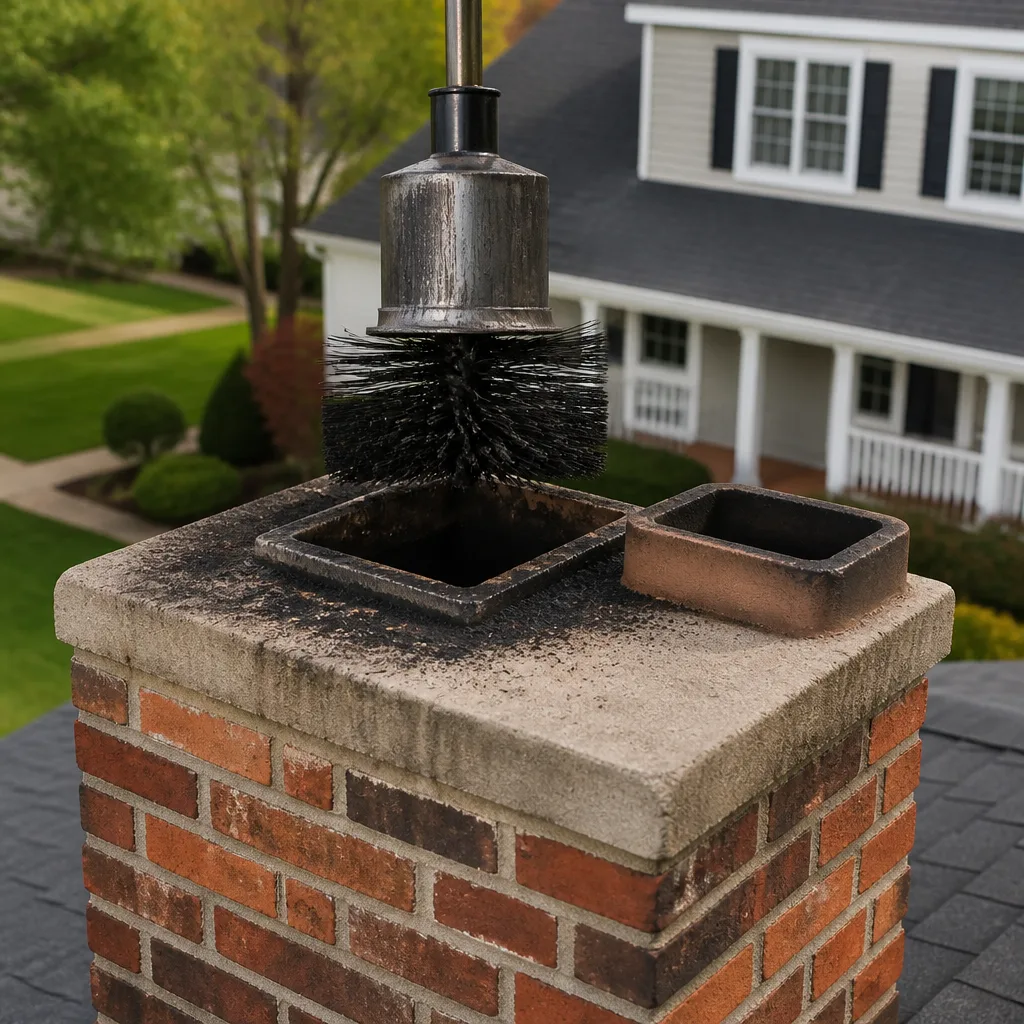 Sweep & inspection
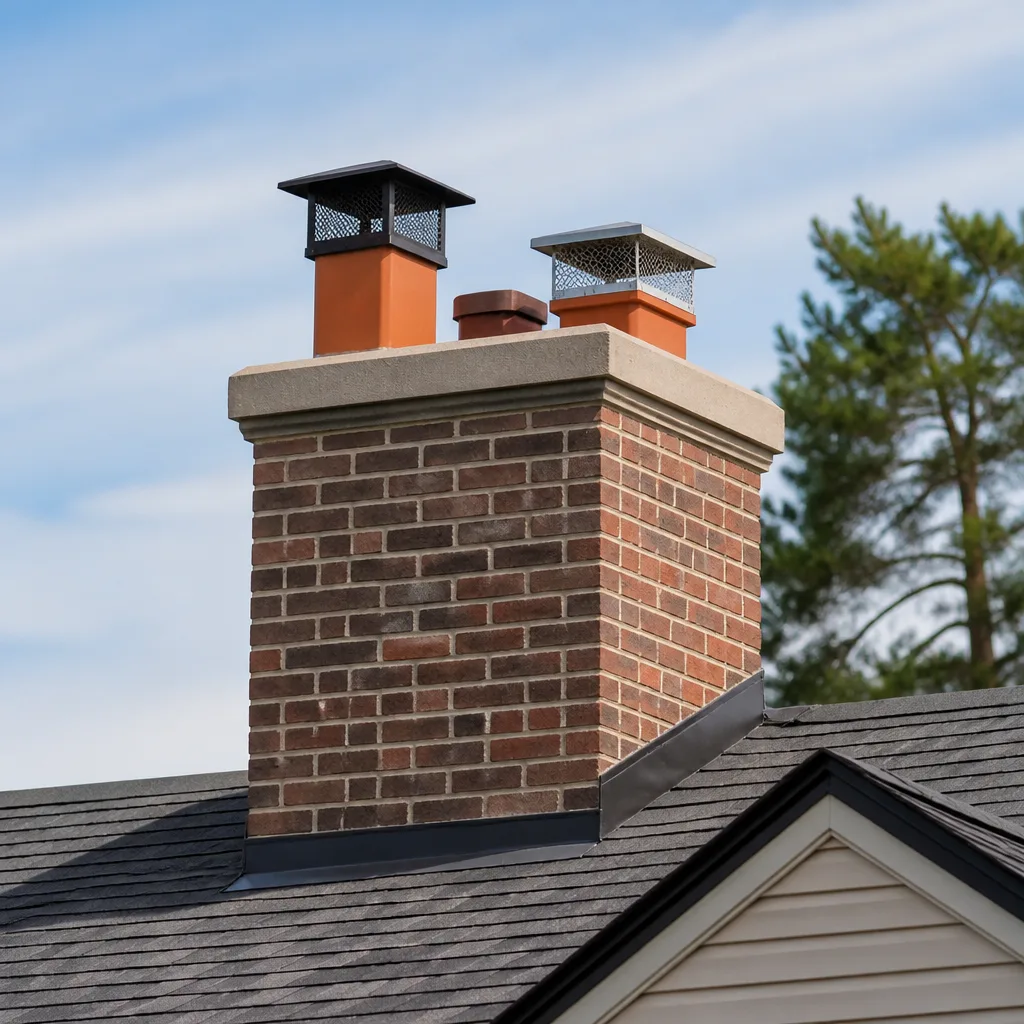 Caps & crowns
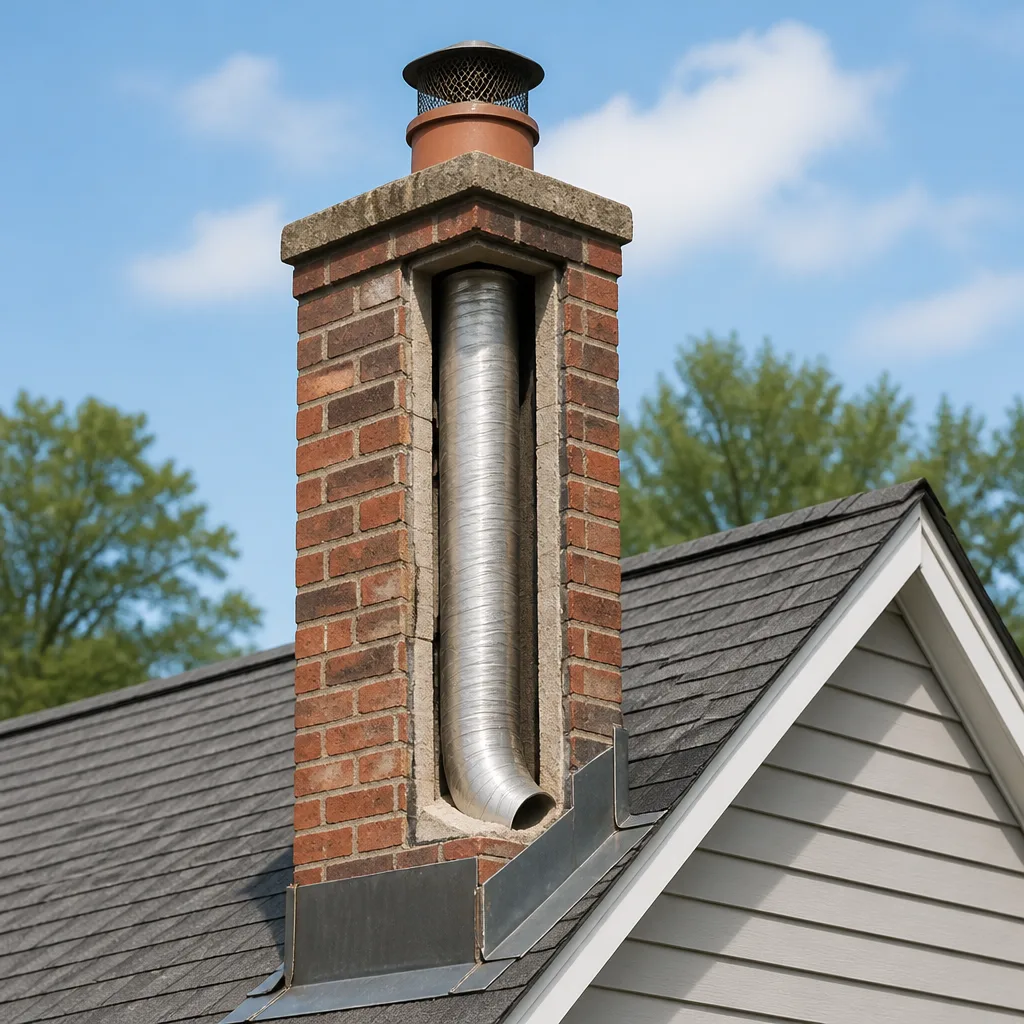 Flue relining
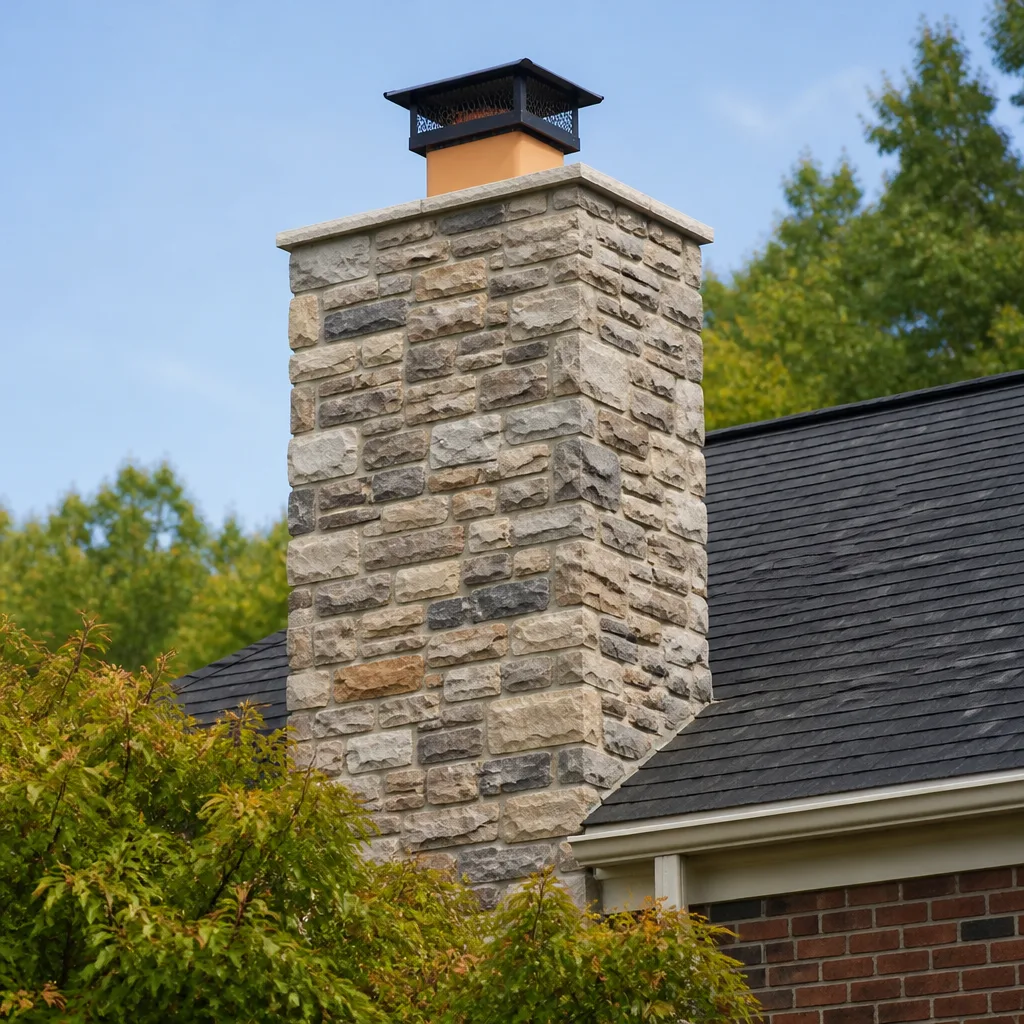 Masonry repair
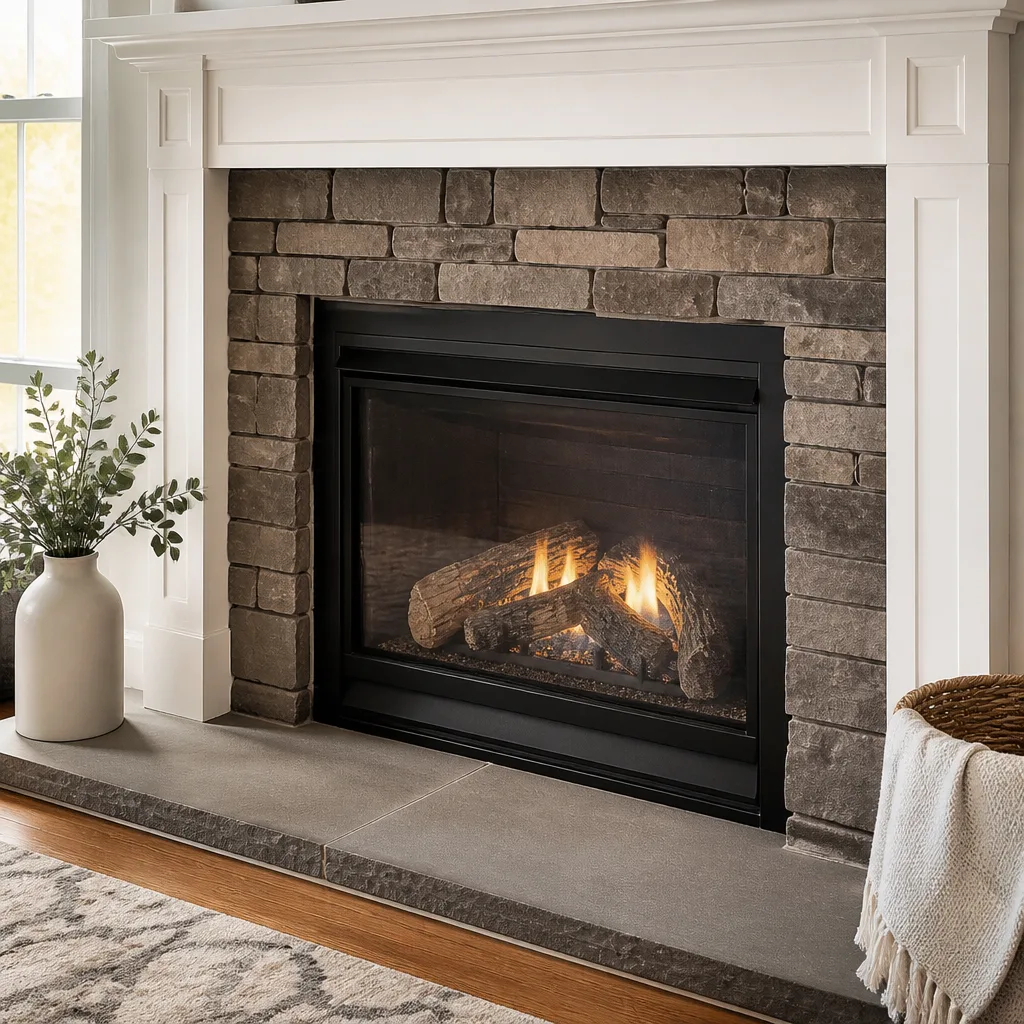 Gas fireplace service
Level 1 sweep and inspection to the NFPA 211 annual standard - flue, crown, cap, and flashing checked and photographed
Chimney sweep logs do not sweep chimneys. They loosen some creosote - which then falls where a brush and vacuum still have to collect it.
How to Hire a Chimney Cleaning Contractor in Cypress: A Step-by-Step Guide
Here’s the part of hiring a chimney sweep that surprises most people: in California, there is no state license specifically for chimney contractors. A general handyman with a shop vac and a ladder can put “chimney cleaning” on a truck and a listing page, and nothing stops them. That means the credential gap between a trained sweep and an untrained one is invisible on most job platforms. You can’t check a box that tells you who’s qualified. The screening falls on you. This guide gives you the questions, certifications, and red flags to separate a full-system specialist from a generalist, and it’s written from Cypress, where mild winters keep fireplaces in use and small older homes make chimney condition worth knowing.
Quick Answer
Hiring a chimney cleaning contractor in Cypress comes down to verifying two real certifications (CSIA and NFI), asking five specific interview questions, and insisting on a camera inspection you can see the footage from before any repair is recommended. Because California has no dedicated chimney license, a contractor’s willingness to answer detailed questions and provide written scope is your best filter. Get at least two written estimates, check complaint history through the BBB and the California contractors board, and walk away from anyone who won’t put the sweep and any repair in writing.
Styles & brands we work with
- Sweep & inspection
- Caps & crowns
- Flue relining
- Masonry repair
- Gas fireplace service
Table of Contents
- Why Hiring a Chimney Sweep in Cypress Is Harder Than It Looks
- The Certifications That Actually Matter (and How to Verify Them)
- Five Interview Questions That Separate Specialists from Generalists
- What a Written Estimate Should Look Like
- Checking Complaint History the Right Way
- Cypress Market Red Flags
- The Step-by-Step Hiring Process
- What to Expect on the Day of the Sweep
Why Hiring a Chimney Sweep in Cypress Is Harder Than It Looks
Chimney service in California operates with almost no licensing barrier at the state level. What that means for a Cypress homeowner is that the title “chimney sweep” is descriptive, not regulated. There’s no state exam, no bond specifically for chimney work, no license class that reads “chimney contractor.” A person who cleans gutters can rebrand tomorrow as a sweep and there’s nothing on the books to prevent it.
Contrast that with the trades next door. Electricians, plumbers, HVAC contractors, and general building contractors all hold contractor licenses through the California State License Board. Each of those requires experience, exams, and ongoing accountability. Chimney work isn’t in that list. That’s not because it’s simple. A chimney has structural components, a liner that vents combustion byproducts, a crown that sheds water, and a firebox that sees high heat. A familiar-looking result after a sweep (clean firebox, no visible soot) tells you nothing about whether the liner was inspected, whether the flue connection is intact, or whether the crown is draining properly.
Cypress adds its own wrinkle. Winters are mild, fireplaces are used on cool mornings and through the holidays, and many homes in Cypress were built in the postwar decades. A fireplace that’s used lightly but never inspected can sit for years with small problems accumulating: a cracked crown, a damper that doesn’t seal, soot-glazed flue tiles that get harder to clean each season. None of that is visible from the living room. Which is why the question you’re really answering when you hire isn’t “who will clean my chimney?” It’s “who will look at the whole system and tell me the truth about what they see?”
We’ve seen that gap play out when a homeowner hires on price alone and ends up with a clean-looking firebox and no information. That’s why this guide is structured as vetting, not shopping. You’re not looking for the cheapest sweep in Cypress. You’re looking for one who can answer for the whole chimney, from the firebox to the cap.
The Certifications That Actually Matter (and How to Verify Them)
Two credentials are worth paying attention to: CSIA (Chimney Safety Institute of America) certification and NFI (National Fireplace Institute) certification. Both are voluntary, industry-run programs, not government licenses. That’s precisely why they signal something: a sweep who earns and keeps them has chosen accountability that the state doesn’t require.
What CSIA Certification Tells You
CSIA certification is earned through a proctored exam and requires periodic renewal with continuing education. A CSIA-certified sweep has demonstrated working knowledge of chimney construction, venting, inspection standards, and safety. They follow a standard inspection protocol. What to look for: the sweep’s name and certification number should be verifiable through the CSIA’s public directory, not just printed on a business card. Ask for the number, look it up yourself. It takes two minutes.
What NFI Certification Adds
NFI certification is specifically about hearth appliances: wood stoves, gas fireplaces, pellet appliances, and the venting those systems need. If your Cypress home has a gas insert or a factory-built fireplace rather than a traditional masonry fireplace, NFI certification is the relevant credential because the venting rules and clearance requirements differ. A sweep with both CSIA and NFI has credentials that cover both the chimney and what’s hooked up to it.
How to Verify Independently
- Ask the sweep, at the point of booking, for their CSIA or NFI certification number.
- Look the number up on the issuing organization’s own directory. Never rely on a photo of a certificate or a card.
- If the number isn’t findable, ask how they were trained. A reputable sweep won’t be offended by the question.
- Check that the certification reflects current status, not an expired one.
- Ask whether they carry general liability insurance and can provide a certificate of insurance before work begins.
None of this makes a sweep honest automatically. But certification plus insurance plus a verified business identity is a much stronger starting point than a price tag and a phone number.
Five Interview Questions That Separate Specialists from Generalists
Before you book, ask these five questions. What separates a full-system specialist from a generalist shows up in the answers far more than in the marketing. Each question below includes what a good answer sounds like.
Question 1: “Do you do a camera inspection, and will I see the footage?”
Good answer: Yes, they scope the flue with a camera, and they’ll show you the footage and explain what they see. If a repair is recommended, they can point to the exact spot on video. Weak answer: “We do a visual check from the top.” A visual check has its place, but it can’t reveal the condition of the liner interior, gaps at flue tile joints, or offset damage. If a sweep recommends a repair with no camera evidence, you can’t verify the claim.
Question 2: “What brands of repair materials do you install?”
Good answer: they can name professional-grade product lines, such as DuraFlex flexible liner systems, HeatShield resurfacing compound, or brands like Gelco, Famco, Olympia Chimney, or Copperfield for caps and crowns. If the sweep does only cleaning, they won’t know these names. That’s fine as long as they’re honest about it and refer you to someone who does repair work. Weak answer: “We use whatever’s available at the supply house.” Materials are the difference between a repair built to last and one patched to pass inspection.
Question 3: “Do you handle repairs yourself, or do you refer them out?”
Good answer: the same business both inspects and performs the repair. That matters because an inspection-only business that hands off repairs has an incentive structure to flag more work. A company that has to live with its own recommendations is more careful about what it recommends. Chimney Sweep Cypress handles both: we inspect it and we fix it, so the diagnostic and the repair are on the same team.
Question 4: “What does the written estimate include?”
Good answer: line items for the sweep, separately for the inspection, and separately for any recommended repair, each with a clear scope and description. Weak answer: one number on a handwritten slip, or a price given over the phone before anyone has looked inside the firebox.
Question 5: “What happens if the inspection turns up nothing that needs repair?”
Good answer: “Then we tell you it’s clean and clear and you’ll see the camera footage.” A full-system specialist who works on camera evidence should be comfortable with a no-work result. If every visit ends in a repair pitch, that’s information about the business, not about your chimney. For homeowners wanting to understand what typical chimney repair work looks like in this market, we cover it in more detail on the service page.
Ask all five, and listen for how the answer is delivered. A specialist explains. A generalist deflects or gets defensive.
What a Written Estimate Should Look Like
A written chimney estimate is your contract. Before you sign it, you should be able to read it and know exactly what will be done, what won’t be done, and what happens if something else turns up once the flue is opened. Here’s what to look for.
Line Items, Not Lump Sums
- The sweep itself, described as a flue cleaning, with the method noted (rotary, brush, or both).
- The inspection, listed separately, with the level of inspection named (Level 1, Level 2, or Level 3).
- Any repair recommended, itemized, with what specifically will be repaired or replaced.
- Materials named, not “liner” but the actual liner material type.
- If a cap or crown is involved, the make or product line, such as Gelco or Famco.
- Whether cleanup, protective floor covering, and haul-away are included.
Scope Language to Read Carefully
Watch for the word “as needed” with no dollar ceiling. Watch for “additional work quoted on site” without a change-order process described. Watch for repair language that describes a symptom (“seal the flue”) rather than a fix (“resurface the flue with HeatShield”) because you want to know the actual method. Vague scope language usually signals one of two things: the contractor hasn’t done enough diagnosis to know the fix, or they want flexibility to adjust the price once you’re committed.
What a Good Estimate Always Says
It should say who does the work, what the finish condition will look like, and what protects you if the scope changes. It should say when the work will happen, without a promise of a specific arrival window. And it should be clear about the price, since the written estimate sets the final price.
Checking Complaint History the Right Way
Reviews alone won’t tell you whether a Cypress chimney contractor is reliable. The complaints that matter are the ones filed elsewhere, in places that record disputes regardless of the business’s ability to solicit happy customers. Check three sources in combination.
The Better Business Bureau
The BBB logs complaints and shows whether a business responds and resolves them. What you’re looking for: the type of complaint (billing, quality, no-show) and the pattern. One complaint about a late arrival is noise. Several complaints about surprise charges after the work starts is a signal. Note whether complaints were addressed.
Yelp and Google Reviews
Read the two- and three-star reviews specifically. Five-star reviews tell you about the best outcomes; two- and three-star reviews tell you about the failure modes. Look for whether the owner or team responded and how. A business that replies to a negative review with specifics earns more credibility than one that ignores it or argues.
The California State License Board (CSLB)
Because chimney work has no dedicated license, most chimney sweeps won’t appear in the CSLB database under a chimney classification. But if the business also holds a general building contractor license for structural chimney repair, that license will be searchable. Check the license status: active, expired, or revoked. Also check whether there are disciplinary actions attached. If a business claims a CSLB license, verify the license number against the database rather than trusting a business card.
That combination, BBB complaints plus recent Yelp and Google reviews plus a CSLB check where applicable, gives you a fuller picture than any single source. What you’re looking for isn’t proof of perfection. It’s consistency.
Cypress Market Red Flags
Some red flags are universal. Others show up more often in Cypress because of the way the market here is set up. Here are the ones we’d want a homeowner to catch before booking.
Unusually Low Flat-Rate Prices
A sweep price that’s dramatically below the local range usually means something has been left out: the inspection, camera scope, cleanup, or actual time on the flue. A too-low initial charge also creates pressure to find repair work that makes the visit profitable. Compare a few local estimates and ask what’s included in each. The lowest number and the best value are rarely the same.
No Physical Business Address
Ask for the business address. A contractor who can’t give you one is either a one-person operation with no accountability structure or is not committed enough to the area to have a verifiable presence. You want a business you could find if the work needed to be resolved later.
No Camera Inspection Offered
If the sweep says a camera isn’t necessary for a routine sweep, that might be true for a clean flue. But if any repair is suggested, camera evidence should come before the recommendation. A Cypress homeowner should be able to see the liner, the crown, and the damper with their own eyes. If a contractor wants to quote a repair before you’ve seen the footage, walk away.
Pressure to Approve Repair On the Spot
Some repairs are urgent, and some can safely wait. A trained sweep will say which. Anyone who insists that every problem needs fixing today, before you’ve had a chance to review the estimate, is selling rather than advising. Get a second opinion for any recommendation above routine maintenance.
No References, No Insurance Certificate, No Written Estimate
Any one of these alone is a warning. All three together is a hard no. You’re inviting someone into your home and onto your roof, and you deserve documentation.
The Step-by-Step Hiring Process
Here is the sequence we’d recommend for a Cypress homeowner, from first search to finished work.
- Start with a list of three or four local contractors. Pull from recommendations and online search, but treat certifications and reviews as separate factors from price.
- Ask the five interview questions before you book. Note who answers directly and who deflects. Bother this step. It saves the most time downstream.
- Verify certification independently. Look up the CSIA or NFI number on the issuing organization’s own directory.
- Request the certificate of insurance. Have it before any work begins, not after.
- Book the sweep and inspection together. A routine chimney sweep and a Level 1 or Level 2 inspection should be one visit, with results explained before anyone leaves.
- Review the camera footage. Have the sweep walk you through what they see on the video, in your home, before a written estimate is prepared.
- Compare written estimates. Line-item scope against line-item scope. Resist the urge to compare only the bottom number.
- Confirm the scope and the price in writing. The written estimate sets the final price. If anything changes as work begins, the change should be in writing before it happens.
- Get the finish condition and cleanup confirmed. Floor coverings, drop cloths, and firebox cleanup should be part of the job, not an afterthought.
- Keep the written report. Every inspection should produce a written record with photos or video stills. You’ll want it next season and any time you sell or insure the home.
If a contractor pushes back on any of these steps, that’s a data point. Most of them cost the contractor nothing but time and paperwork.
What to Expect on the Day of the Sweep
A routine chimney sweep in Cypress is a modest job from the homeowner’s point of view. A technician arrives with drop cloths, protective gear, and the brushes or rotary equipment for the flue type. Floor protection goes down before any work begins. The firebox, smoke shelf, and flue are cleaned from the bottom and top as needed. Soot and creosote are collected and hauled away. The damper, the firebox brickwork, the crown, and the cap are all checked as part of the visit.
What you should NOT expect: a sweep that takes ten minutes and ends with a handshake. If the visit is shorter than the trip, ask what was checked. A proper sweep and inspection usually takes an hour or more, depending on the fireplace.
If the inspection finds something, the technician explains it before you see an estimate. A camera scope is used if anything beyond a routine sweep is suggested. Then the estimate comes in writing with line items. Compare it to what you were shown on the camera. That’s the check that keeps a diagnostic honest.
The other thing you should expect: for a Cypress home with a working fireplace, the sweep is the start of a relationship, not a one-off transaction. The technician who inspects your chimney this year should be the one you call next year, because they’ll know the history. Full-system care is easier when it’s the same team from the firebox to the cap. For fireplace repair, that continuity matters most because a firebox, damper, and flue all interact with each other.
Common Mistakes to Avoid
- Hiring on price alone. A sweep that undercuts the local range usually gets it back by leaving something out or finding a repair. The lowest number and the best value are rarely the same bid.
- Trusting a business card over a directory. Anyone can print “CSIA Certified” on a card. Look the number up on the CSIA or NFI directory yourself. It’s two minutes and it’s the whole point of the credential.
- Approving a repair without camera evidence. If a sweep recommends a liner replacement or a crown rebuild with no footage, you have no way to verify what’s being fixed. Wait for the camera, or get a second opinion.
- Skipping the written estimate. A phone quote is a guess. A written estimate is a commitment. If the contractor won’t put it in writing, they’re asking you to trust a verbal promise once the work is already underway.
- Not asking what was inspected. “Sweep” and “inspection” can mean very different things depending on the contractor. Confirm which level of inspection is included and whether it comes with a written report.
- Ignoring the cap and crown. Water damage is one of the most common chimney problems in Cypress, and it usually starts at the top. A sweep visit that doesn’t check the cap and crown is leaving out the part most likely to fail.
- Booking a repair with a company that doesn’t do repairs. A cleaning-only company that refers repairs out adds a handoff between diagnoses and fixes. That handoff is where details get lost. Ask up front whether the same business that inspects also does the work.
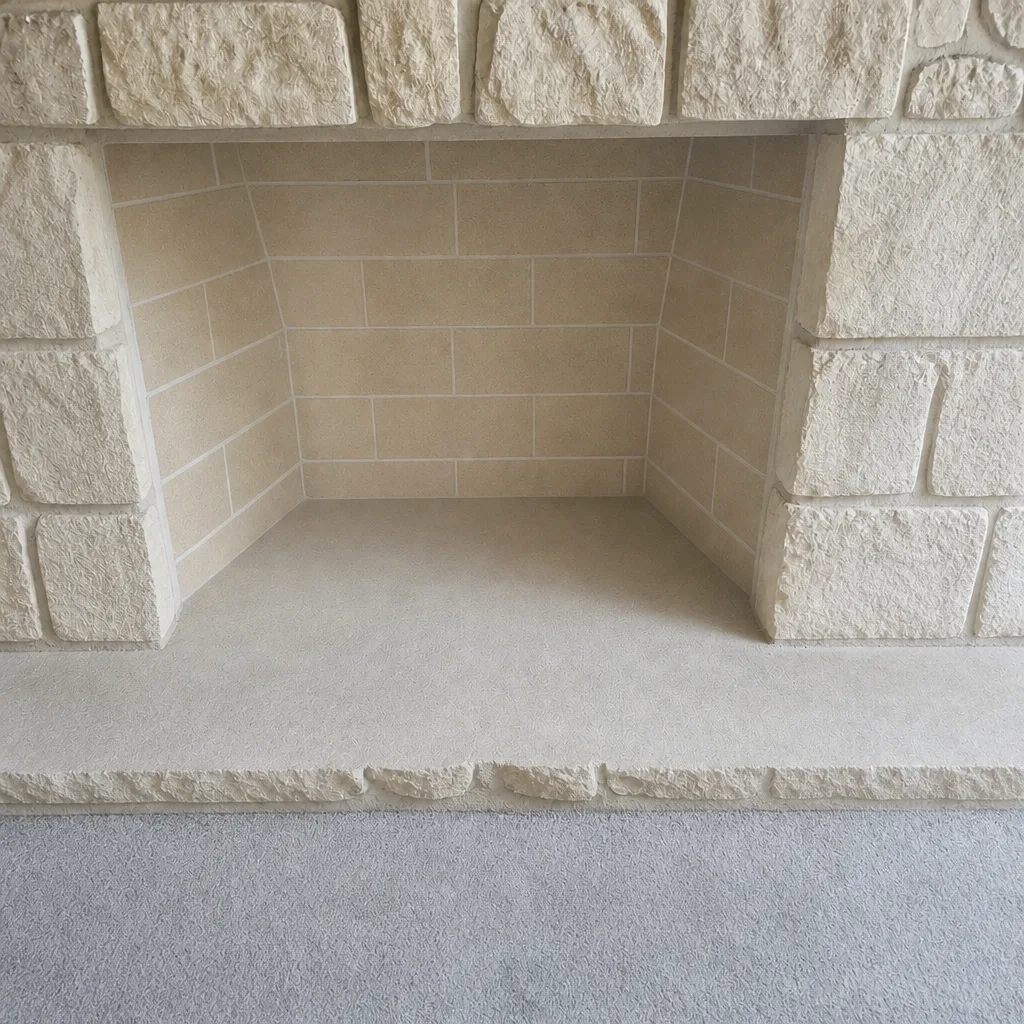
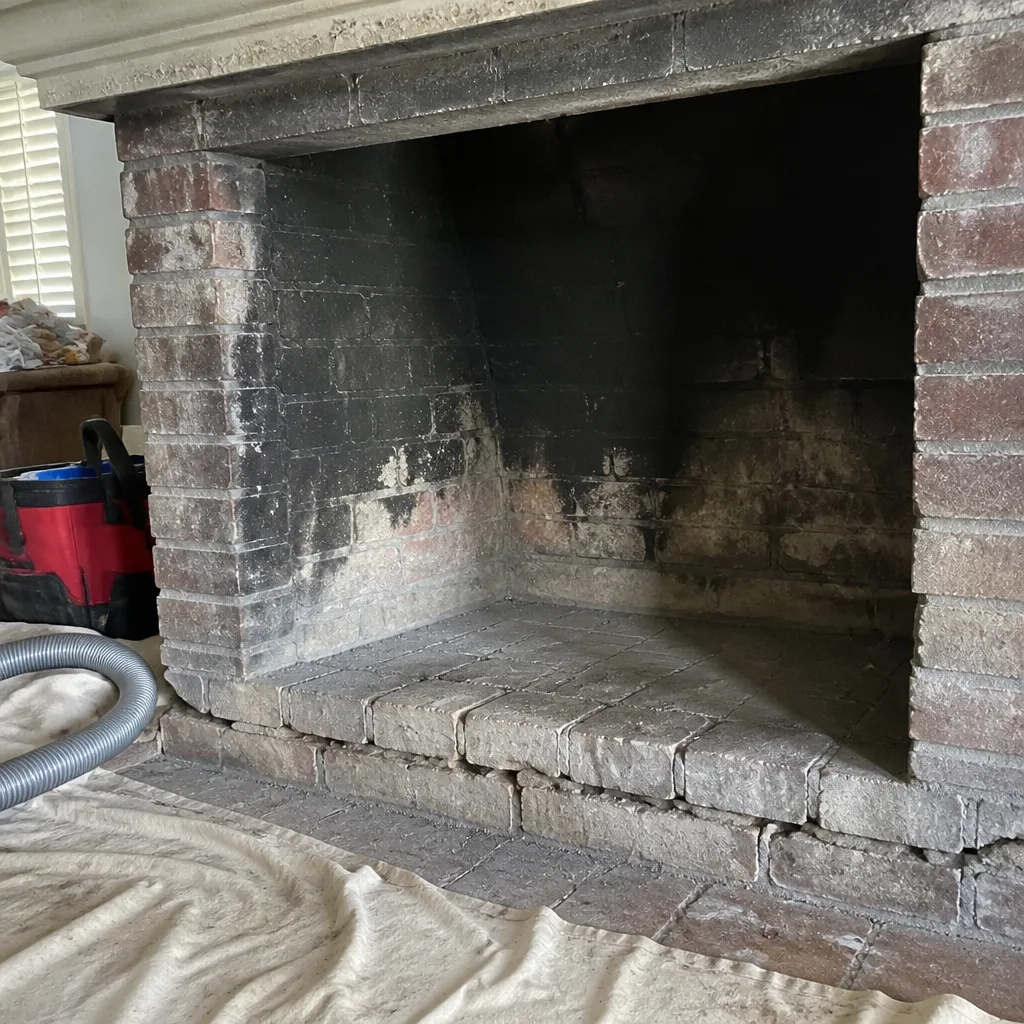
See the difference
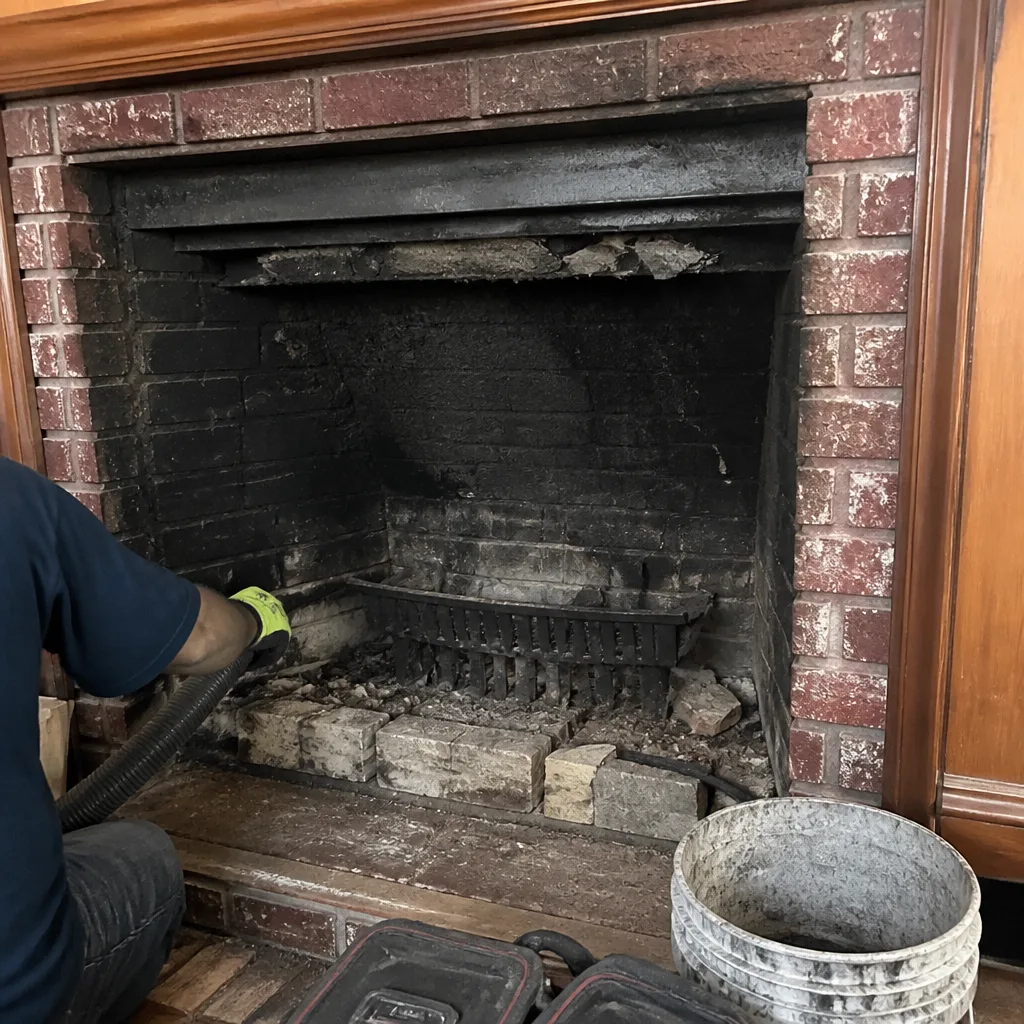 Before
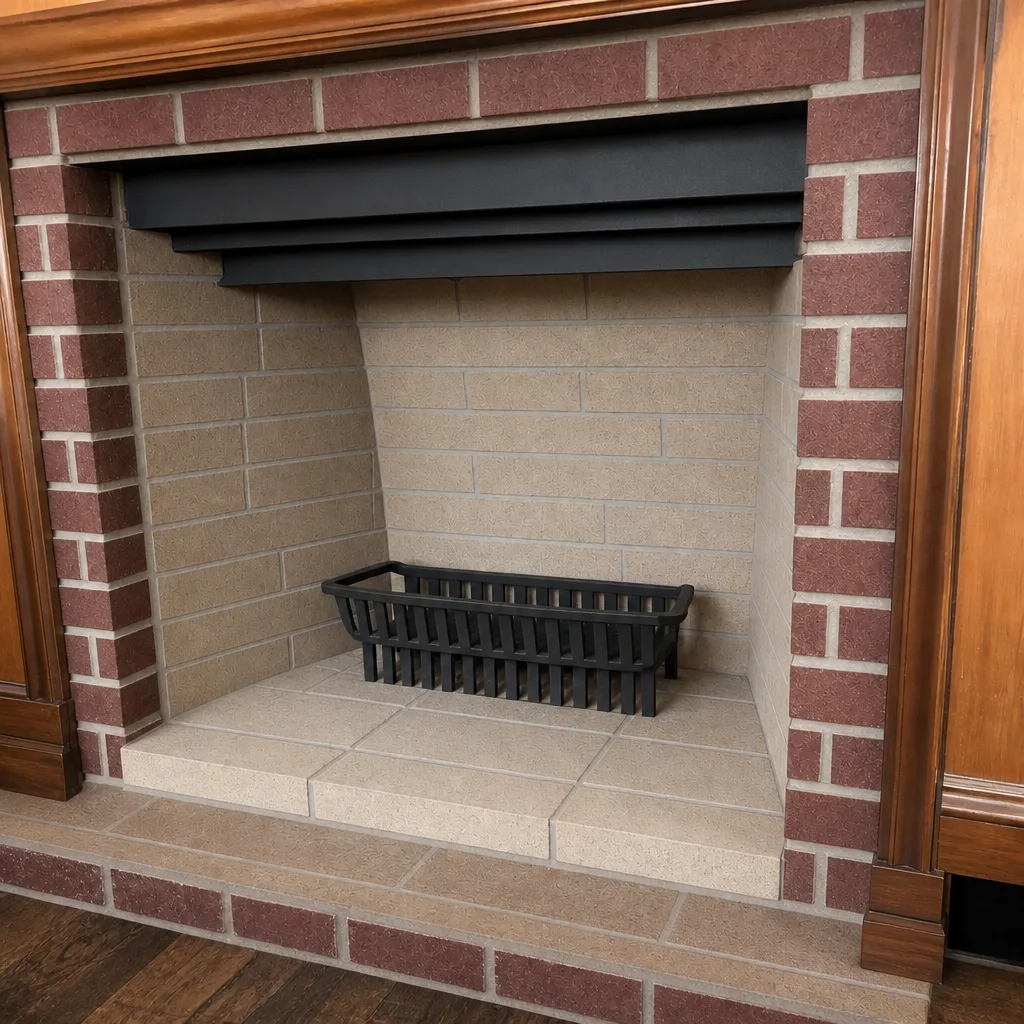 After
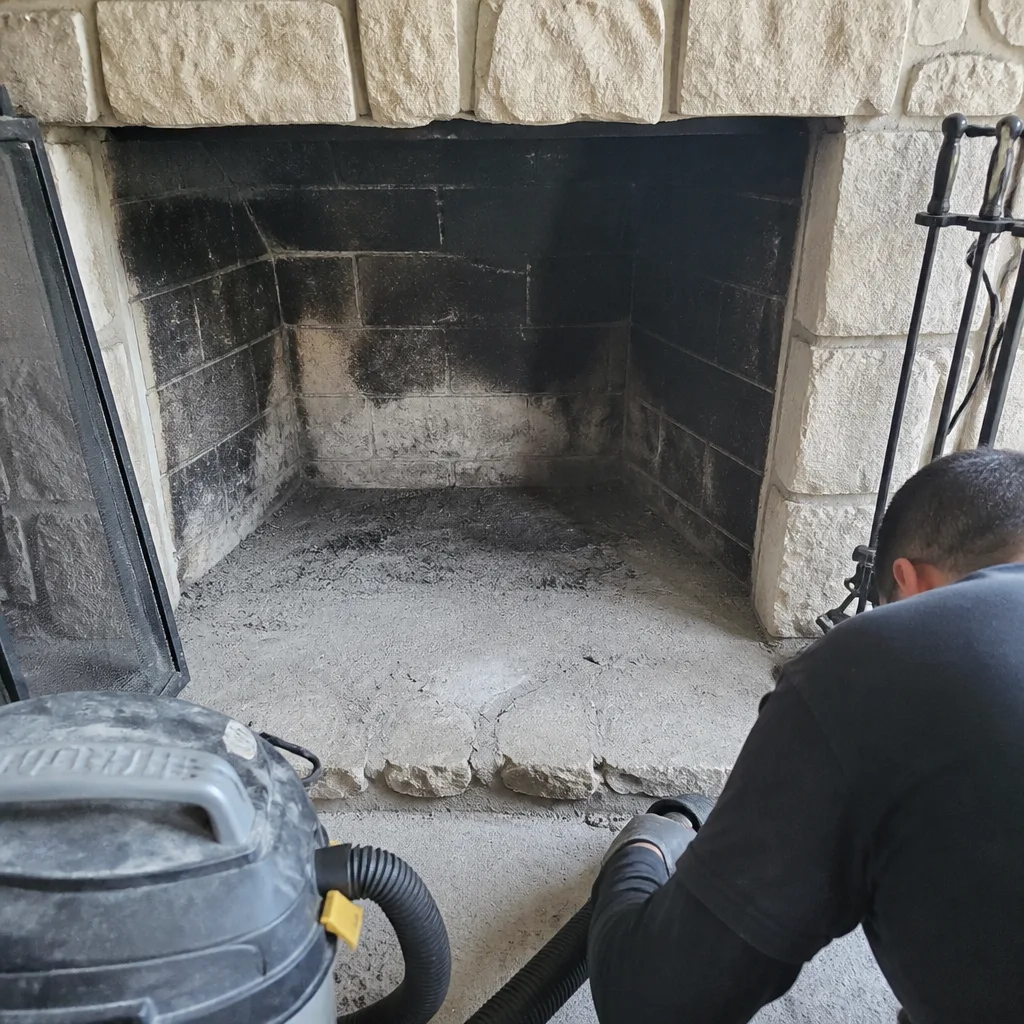 Before
 After
 Before
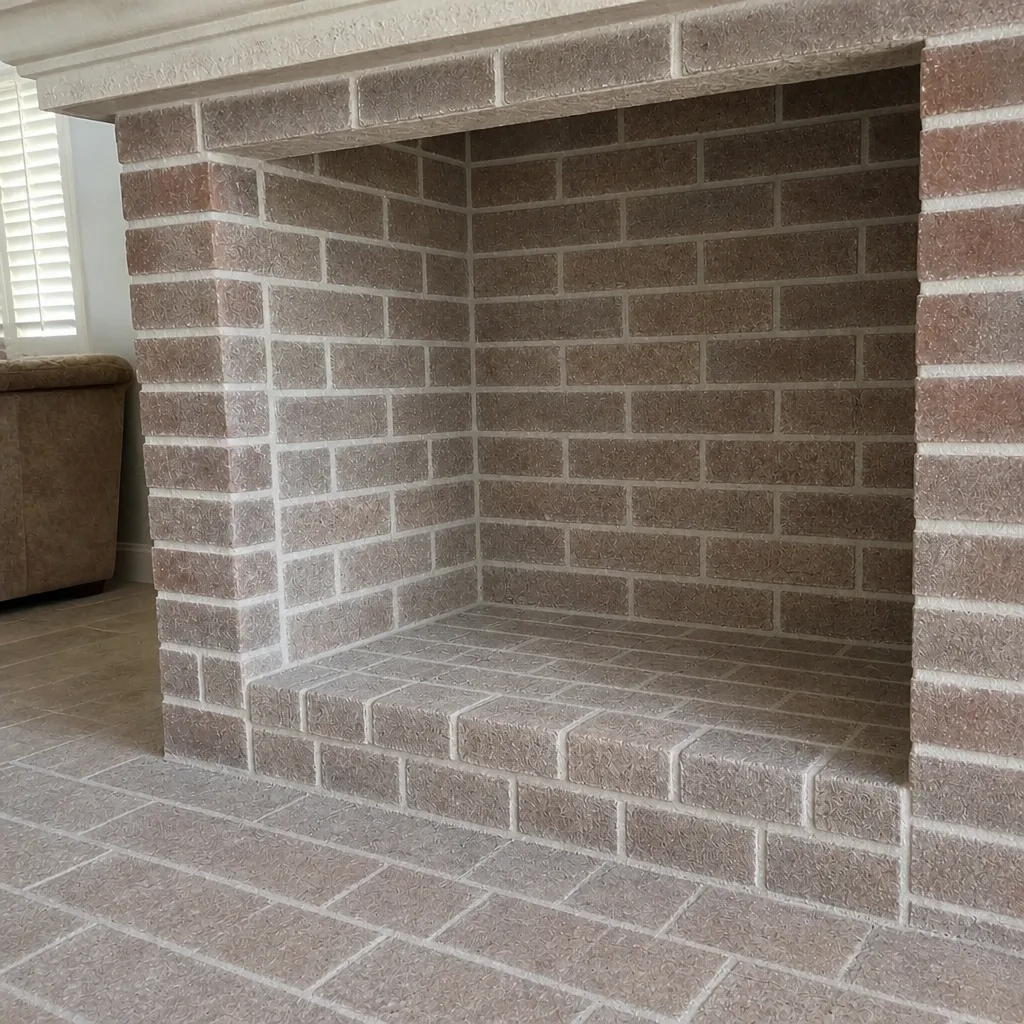 After
When to Call a Professional
Some chimney issues call for a professional immediately. A strong smoke smell inside the house when the fireplace is in use, a visible crack in the flue tile, a firebox with damaged brick, or water staining on the ceiling near the chimney top all warrant a call. Creosote buildup at Stage 3, where the flue glazes over, is a fire risk and needs a trained sweep, not a homeowner with a brush. If your fireplace hasn’t been swept in more than a year and you burn regularly, book one. If you’ve just bought the home and don’t know the chimney’s history, book one. For Chimney Sweep Cypress service across all five categories (sweep, inspect, repair, fireplace work, and cap and crown), the first step is the same: a full-system look with camera evidence you can review.
Chimney Sweep Cypress offers free estimates in Cypress. Call (844) 656-4099. We answer 24/7. Fast dispatch from 7am to 7pm, Sunday through Friday.
Frequently Asked Questions
A routine chimney sweep in Cypress typically falls within a local range, and the written estimate you receive sets the final price. Sweep, inspection, and repair are estimated as separate line items so you know what you’re paying for. Call (844) 656-4099 for an exact quote. Estimates are free.
Only if the camera inspection shows a reason: cracks, gaps at the flue tile joints, a liner that’s too small for the appliance, or heat damage. Nothing should be recommended to you without camera evidence you’ve seen. A sweep who recommends a liner replacement before showing you the footage hasn’t given you enough information to decide. Call (844) 656-4099 to have your flue scoped and reviewed.
A fireplace in regular use should be swept about once a year, and a level of inspection should be part of that visit. A Cypress home where the fireplace is used only a handful of times each winter may stretch slightly longer, but a yearly look is the simplest way to catch problems while they’re small. If you’ve moved into a home with an unknown chimney history, book one now. Call (844) 656-4099 to schedule.
Creosote builds up in the flue every time the fireplace burns, and it gets harder to remove as it thickens. Left long enough, the accumulation can become a fire risk and can also restrict the draft. Blockages, a damaged cap, or a failed damper can also let combustion byproducts enter the living space rather than venting up the chimney. That’s a carbon monoxide concern worth taking seriously. Call (844) 656-4099 to book a sweep and inspection.
California does not have a state license specifically for chimney work, so the title “chimney sweep” is not regulated at the state level. That’s why certifications like CSIA and NFI, and proof of general liability insurance, matter more here than in licensed trades. If the contractor also does structural chimney repair, they may hold a general building contractor license, which you can verify through the CSLB. Call (844) 656-4099 to ask what certifications our connected technicians hold.
Anyone can advertise chimney cleaning, but not everyone has the training, tools, or insurance to do it safely. Cleaning a flue without proper equipment risks damage to the liner, and without an inspection it tells you nothing about the rest of the system. For anything beyond a simple sweep, you want a contractor who inspects with a camera and can perform repair work themselves. Call (844) 656-4099 if you’d like a second opinion on work you’ve already had quoted.
The Bottom Line
Hiring a chimney cleaning contractor in Cypress is a vetting process, not a price comparison. Two certifications matter (CSIA and NFI), five interview questions do most of the work, and camera evidence is the one thing that turns a repair recommendation from a claim into something you can verify. Written estimates with line items, a verified insurance certificate, and a quick check of BBB and CSLB records fill in the rest. A full-system specialist handles the sweep, the inspection, and the repair, so you’re not coordinating three contractors. Our technicians have up to 12 years of experience, and we work with professional-grade brands like DuraFlex, HeatShield, Gelco, Olympia Chimney, Famco, and Copperfield. Book the sweep, review the footage, and decide from what you see.
Contact
Ready to get your Cypress chimney looked at by a contractor who inspects it and can fix it? Chimney Sweep Cypress offers full-system chimney care from the firebox to the cap, with camera inspection and a written report as part of the visit. Call (844) 656-4099 for a free estimate. We answer 24/7. Fast dispatch from 7am to 7pm, Sunday through Friday.
Written by the team at Chimney Sweep Cypress.