
Last updated November 25, 2026
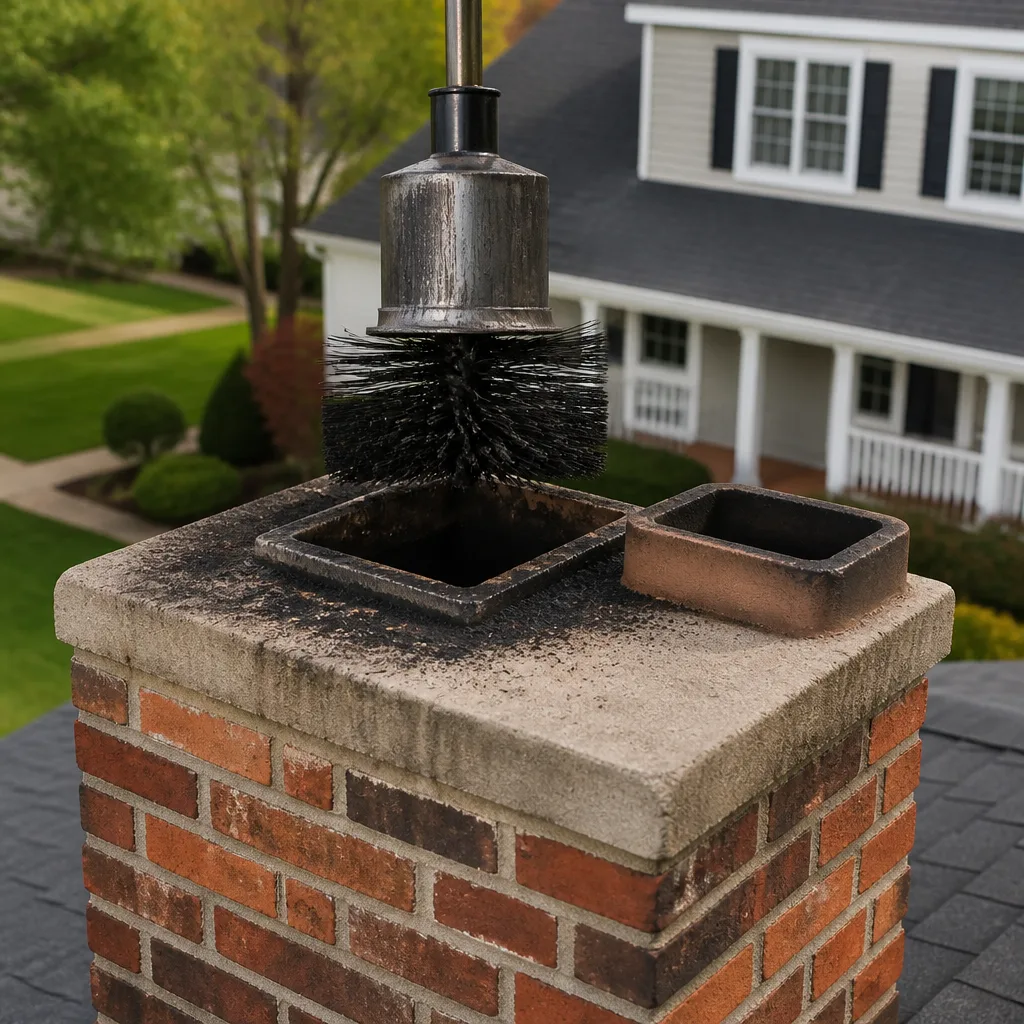 Sweep & inspection
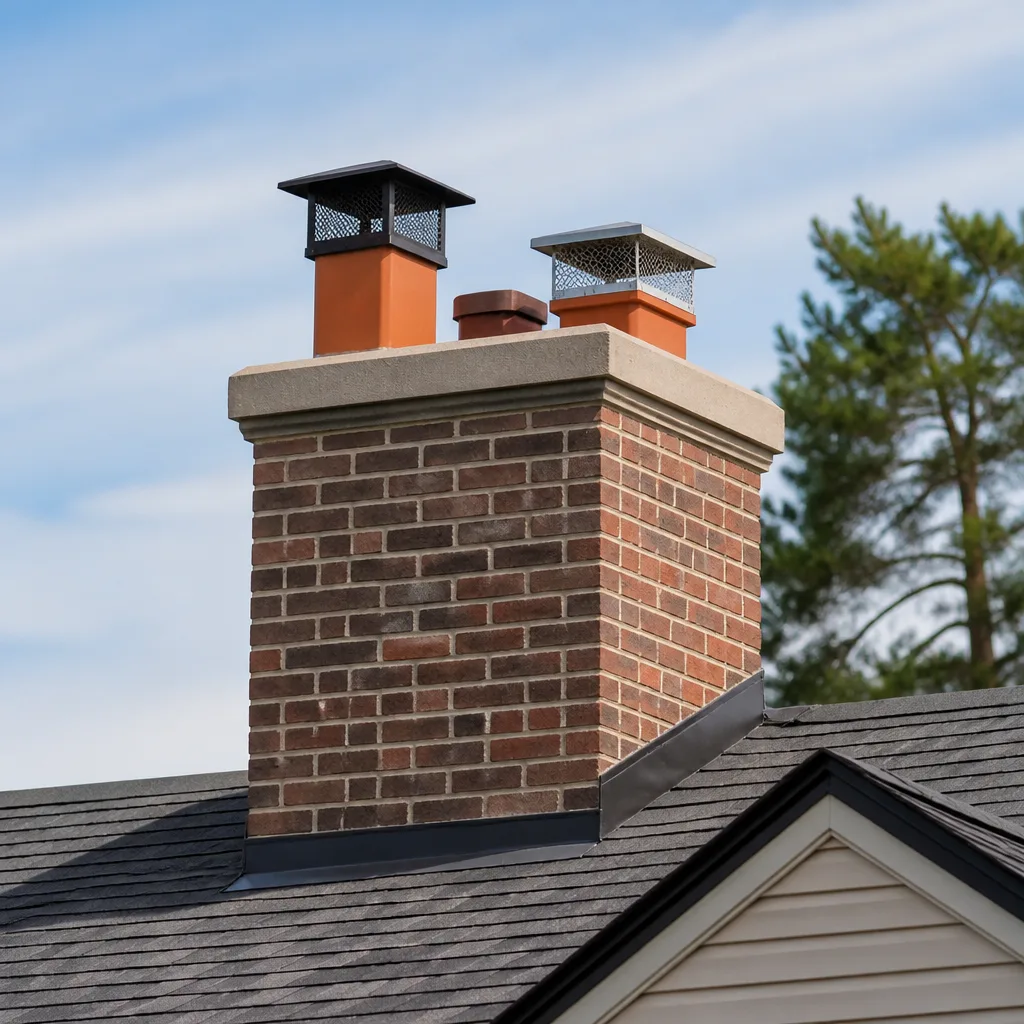 Caps & crowns
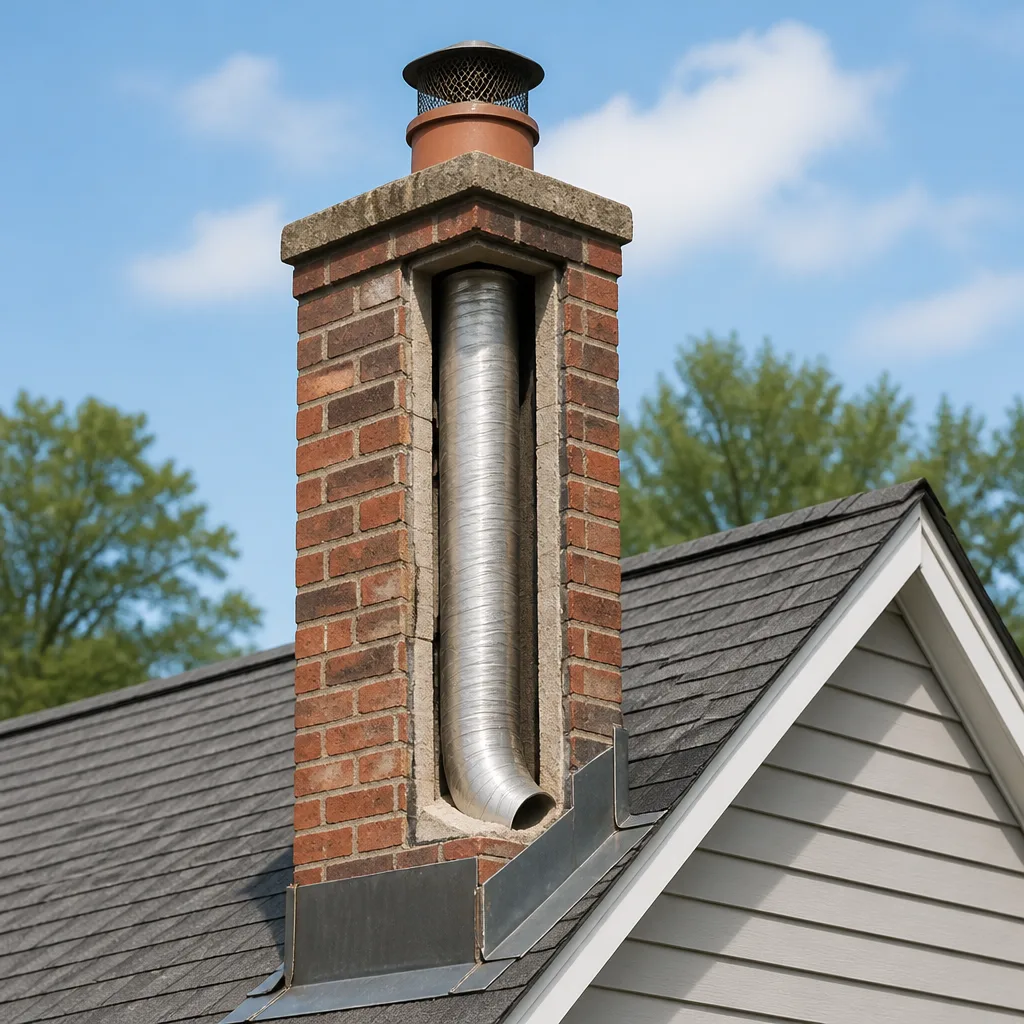 Flue relining
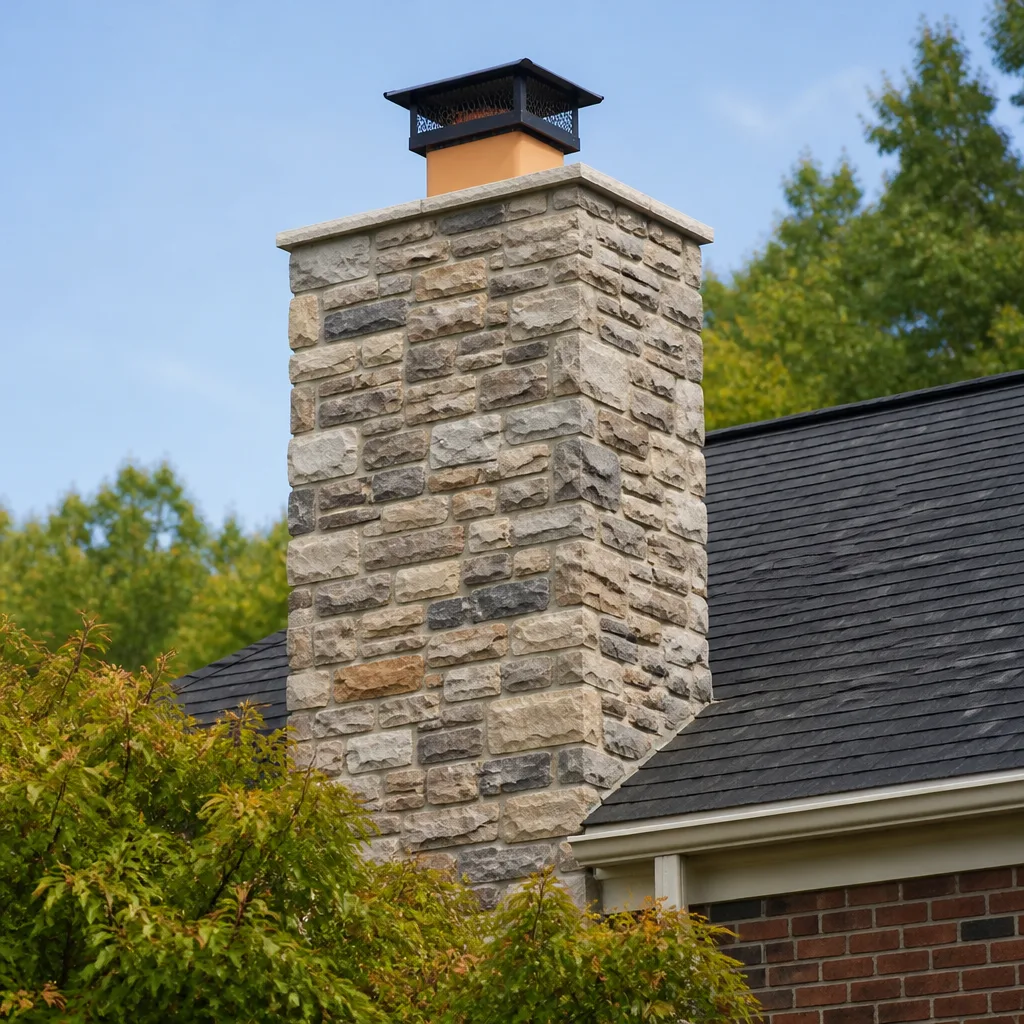 Masonry repair
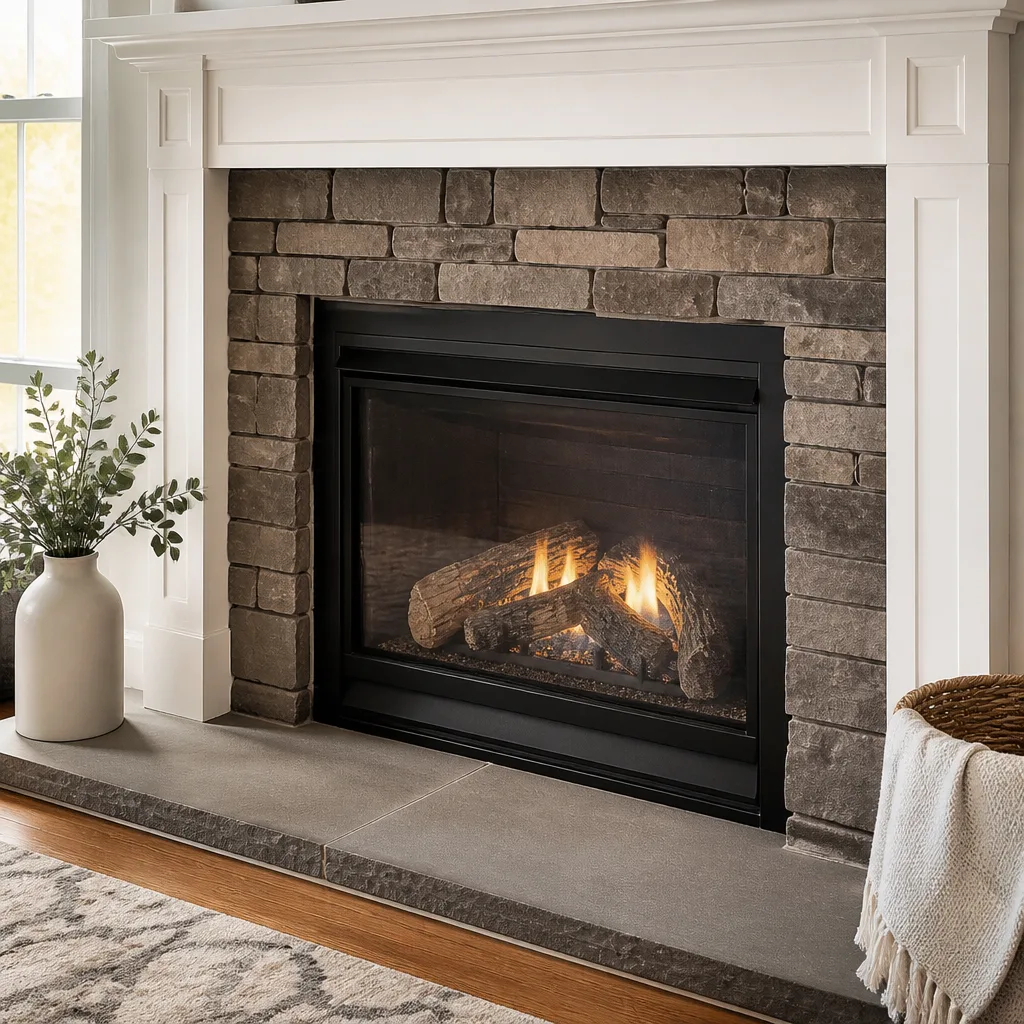 Gas fireplace service
Level 1 sweep and inspection to the NFPA 211 annual standard - flue, crown, cap, and flashing checked and photographed
Chimney sweep logs do not sweep chimneys. They loosen some creosote - which then falls where a brush and vacuum still have to collect it.
Seasonal Chimney Cleaning Care for Cypress: Year-Round Homeowner’s Guide
October in Cypress still feels like August, and that’s exactly why so many chimneys here go into fireplace season unprepared. Homeowners wait for a cold snap to think about the flue, then light the first fire of the year in a chimney nobody has looked at since spring. Santa Ana wind events in late summer and fall push leaves, twigs, and nesting material into uncapped flues right before you need them clear. Cypress doesn’t hand you four crisp seasons, but your chimney system still runs on four distinct maintenance phases tied to fire risk, marine layer moisture, wind events, and peak use. This guide walks you through the whole year, month by month.
Quick Answer
The best time to schedule a chimney cleaning in Cypress is late summer, ideally August or September, before Santa Ana season and before fall demand peaks. A second light check belongs in spring, after the rainy months, to catch moisture damage to the crown and mortar. Year-round care means one thorough annual sweep and inspection, plus seasonal visual checks and prompt repair of any cap, crown, or flashing damage before the next fire season.
Styles & brands we work with
- Sweep & inspection
- Caps & crowns
- Flue relining
- Masonry repair
- Gas fireplace service
Table of Contents
- Why Cypress Chimneys Age Differently Than the Rest of the Country
- The Month-by-Month Cypress Chimney Calendar
- Why August and September Are the Best Months to Book a Cleaning
- Marine Layer Moisture, Mortar, and Crown Integrity
- Fire Season, Ember Exposure, and Defensible Space
- Off-Season Fires and Gas Logs Still Need Maintenance
- What a Proper Cypress Chimney Inspection Covers
- Materials That Hold Up: What Goes Into a Lasting Repair
Why Cypress Chimneys Age Differently Than the Rest of the Country
Most chimney advice you’ll find online was written for a place with hard winters and deep snow. That advice assumes the chimney’s biggest enemy is freeze-thaw damage and ice. Cypress doesn’t work that way. Winters here are mild, which sounds like good news for masonry, but it changes the failure pattern entirely. Instead of ice splitting mortar joints, you get months of damp, cool air followed by dry heat, and that cycle does its own quiet damage over time.
At the same time, Cypress sits in a fire-prone region. Santa Ana wind events push hot, dry air through the canyons and across the basin, and embers can travel well ahead of a visible flame front. For a homeowner, this means the chimney has two jobs most people never connect: venting smoke safely in winter and staying sound enough to resist ember intrusion in fall. A cracked crown or a missing cap is a venting problem in January and an ember entry point in October.
We’ve seen this play out across Cypress neighborhoods like the tracts around Cypress College and the older streets near Los Alamitos Race Course, where mature trees drop debris onto roofs all year. The trees shade the chimney, keep the crown damp longer, and fill the flue with leaves. It’s a different maintenance rhythm than a mountain cabin, and it’s why a generic “sweep once a year” reminder misses half the picture. Our technicians have up to 12 years of experience reading these local patterns, and the calendar below reflects that.
The Month-by-Month Cypress Chimney Calendar
This is the working calendar we walk homeowners through. It’s built around the actual weather rhythm here, not a textbook four-season model. Print it, stick it on the fridge, and treat it as your reminder system.
- January: Peak fireplace use. Check the firebox for excessive soot buildup, listen for unusual draft sounds, and keep the cap clear of debris after any wind storm.
- February: Still heavy use. Watch for smoke rolling back into the room; that’s often a sign of partial blockage or a damaged flue.
- March: Fireplace season winds down. Book your spring visual check now, before the rainy weeks set in.
- April: Rainy-season inspection window. Look at the crown, flashing, and mortar from the ground with binoculars. Any staining or crumbling is worth a professional look.
- May: Post-rain follow-up. This is when marine layer moisture has had weeks to work into cracks. Get a full inspection if you see water stains on the ceiling near the chimney.
- June: Dry-out month. Minor repairs done now cure well in warm, dry weather.
- July: Brush back tree limbs near the cap. Trim anything overhanging the flue.
- August: Best month to book your annual cleaning and inspection. Demand is still low and scheduling is easy.
- September: Final pre-season check. Confirm cap and crown are intact before Santa Ana winds arrive.
- October: Santa Ana season begins. Visual check after any wind event; clear debris from the cap.
- November: First fires of the year. Watch for draft problems and smoke spillage.
- December: Peak use returns. Keep an eye on creosote buildup if you burn frequently.
One point worth repeating: the Cypress calendar is front-loaded. The most important work happens in August and September, not October. Get ahead of it and the rest of the year takes care of itself.
Why August and September Are the Best Months to Book a Cleaning
Late summer is the window that most homeowners miss. It’s still warm, the fireplace hasn’t been touched since spring, and Santa Ana season is weeks away. There are three concrete reasons to book in August or September instead of waiting until November.
- You get on the schedule before the rush. Every chimney company in the region sees a demand spike from October through December. Booking in late summer means a wider choice of dates.
- Repairs have time to cure and settle. If your inspection turns up a cracked crown or worn flashing, a September repair has warm, dry weeks to cure before winter rains. A December repair is a race against weather.
- Santa Ana season is the worst time to discover a missing cap. The first wind event of the year is not the day to learn your flue is wide open and full of leaves.
The annual chimney sweep is the anchor of the whole year. It removes creosote, clears debris, and gives us a clean view of the interior flue during the inspection. Creosote is the flammable residue left by wood smoke, and it accumulates in layers. Glazed, hardened creosote is much harder to remove than the soft, flaky kind, which is one more argument for regular cleaning rather than a long gap. In Cypress’s mild climate, a chimney can go a full year without being used hard and still accumulate enough buildup to matter by the time fall arrives.
If you’re not sure when you last had the chimney looked at, that alone is a reason to book. Schedule the sweep, get the camera inspection, and use the late-summer window to fix anything the inspection turns up.
Marine Layer Moisture, Mortar, and Crown Integrity
Cypress sits far enough inland to feel the ocean’s influence without the coastal fog density of a beach city. The marine layer still pushes in on spring mornings and leaves the roof damp for hours before the sun burns through. Over a full spring, that cycle works its way into every porous surface on the chimney, especially the mortar joints and the crown, which is the concrete cap at the very top.
Here’s what happens: water soaks into hairline cracks in the crown or mortar. When the sun comes out, it dries from the outside in, trapping moisture deeper in the masonry. Over multiple springs, that trapped water expands and pops the surface. You get spalling, where the face of the brick or mortar flakes off. Left alone, the crown starts to crumble, water gets behind the flashing, and the first sign indoors is a water stain on the ceiling or a musty smell in the firebox.
The spring inspection is the tool that catches this early. From the ground with binoculars, look for:
- Visible cracks wider than a hairline in the crown
- Crumbs of mortar on the roof or in the gutter below the chimney
- Rust streaks on the cap or flashing
- Water stains on the ceiling or in the attic near the chimney chase
- Dark, damp patches on the brick after a dry day
Crown and flashing repairs are structural weatherproofing, and they belong on the spring to-do list, not the fall one. Fixing a crown in April gives the repair the whole dry season to cure. Fixing it in November tends to mean a temporary patch. If you need to go further than that and repair more than the crown, the work belongs in the chimney repair category, and it can usually be scheduled within the same spring visit.
Fire Season, Ember Exposure, and Defensible Space
Fire season is the part of chimney care that homeowners in Cypress tend to overlook, because they think of it as a landscaping problem, not a chimney problem. That’s half right. Defensible space rules focus on vegetation, but the chimney is the point where embers and wind enter the structure. A missing cap, a broken spark arrestor, or a cracked crown gives an ember a direct path into the flue or the framing.
The general principles that apply to any Cypress home in a fire-prone area:
- Keep the flue capped and screened. A proper cap with a spark arrestor keeps embers, birds, and debris out. If the cap is missing or damaged, replace it before Santa Ana season.
- Clear vegetation around the chimney. Tree limbs that touch the cap or overhang the flue create both ember contact risk and debris loading.
- Remove debris from the crown and the roof. Dry leaves piled around the chimney are the first thing to catch when embers land.
- Inspect the crown and mortar seasonally. Cracks that open in June widen by October, when the winds arrive.
- Confirm the spark arrestor screen is intact. A torn or missing screen is one of the simplest ember defenses to lose and one of the cheapest to restore.
Our full-system approach matters here: cap, crown, and flashing work are part of the same service as cleaning and inspection. We inspect it and we fix it, which means an ember-path issue flagged in September doesn’t have to wait for a second contractor to schedule the repair. That matters when the wind season is already closing in.
Off-Season Fires and Gas Logs Still Need Maintenance
Not every fire is a wood fire, and not every chimney care task disappears when the wood smoke does. Gas log setups, decorative fireplaces, and the occasional summer fire pit in the living room all keep the chimney in service. Each has its own maintenance rule that most seasonal guides skip.
- Gas logs vent differently. A vented gas log set still uses the flue, and it still deposits moisture and residue. An annual inspection applies even if you never burn wood.
- Vent-free logs produce water vapor. They put moisture into the room rather than the flue, but they still deserve an annual check for the firebox and the surrounding structure.
- Decorative summer fires still produce creosote. A single evening fire every few weeks over a summer adds up over a season. The rule of thumb is still the same: get the flue cleaned when the buildup reaches a noticeable layer.
- Dormant fireplaces need a spring check too. A gas fireplace that sat unused all winter deserves the same moisture and pest inspection as a wood-burning one. Nests and debris find their way into any flue that’s not in regular use.
The bigger point is that a chimney in Cypress doesn’t get a true off-season. Even a lighter-use fireplace accumulates moisture, debris, and small amounts of buildup. That’s why we recommend one sweep and inspection per year regardless of how much you burned the previous season.
What a Proper Cypress Chimney Inspection Covers
An inspection is not a sweep with a clipboard. It’s the diagnostic visit that tells you what your chimney needs, and in Cypress it should be prioritized over a cleaning if you’ve gone more than a year without one. When we inspect a chimney, we work from the firebox to the cap, not the other way around. Here’s the sequence we follow.
- Firebox and hearth. We check for cracked firebrick, loose mortar, and signs of water intrusion.
- Damper. The damper must open fully and close tightly. A stuck damper is both an efficiency issue and a smoke-in-the-room issue.
- Smoke chamber. The transition from firebox to flue often accumulates soot and small debris, and it’s where smoke backdrafts show up first.
- Flue interior. We use a camera to view the full length of the flue and flag cracks, gaps, or separation in the liner.
- Crown. We look for cracks, spalling, and any separation between crown and flue.
- Flashing. The metal where the chimney meets the roof is a common leak point, and it’s easy to miss without a direct look.
- Cap and spark arrestor. Confirm the cap is attached, the screen is intact, and there’s no debris buildup.
- Exterior masonry. We check for spalling brick, missing mortar, and any signs of water working into the structure.
The camera inspection deserves emphasis. It’s the difference between “looks fine from here” and knowing exactly what’s inside the flue. If you’ve ever been told you need thousands of dollars in liner work by someone who didn’t show you a camera image, that’s exactly the situation we built our process around preventing. Every inspection produces photos and a plain-English explanation of what we found. Nothing gets recommended without evidence you can look at yourself, and if a repair can safely wait a season, we say so.
Materials That Hold Up: What Goes Into a Lasting Repair
Most chimney repairs fail for one of two reasons: the wrong material for the job, or the right material installed without the knowledge it requires. Both are avoidable if you understand what’s going into your home and why. When we’re talking about a chimney repair or a fireplace rebuild, the material choice matters as much as the labor.
For liner work, we use DuraFlex flexible liner systems. DuraFlex is a professional-tier product, and installing it correctly requires understanding the flue dimensions, the appliance venting requirements, and the transition points at the top and bottom. A liner that isn’t sized or seated right will perform poorly and may need replacement sooner than necessary. For resurfacing, we use HeatShield, which restores the interior of a damaged flue without a full rebuild. HeatShield is a specialized repair, and not every sweep company offers it.
For the exterior work, we install Gelco and Olympia Chimney products for caps, crowns, and structural components, and we work with Famco and Copperfield for the same reason: they’re the brands professional chimney technicians rely on across the country. When we look at a fireplace repair or a cap and crown job, we’re thinking about how the repair will hold up across the next marine layer spring and the next Santa Ana fall. Built to last, not patched to pass inspection.
If you’re comparing quotes, ask what materials the contractor uses and why. A quote that names no products is a quote that hasn’t thought about the long term. Full-system chimney care means the materials, the installation, and the diagnostics all come from the same place. If you want that entire scope handled under one roof, Chimney Sweep Cypress covers it from the firebox to the cap.
Common Mistakes to Avoid
- Waiting for cold weather to book a cleaning. October demand is high and Santa Ana season is already underway. August and September are the better months in Cypress.
- Assuming a mild winter means no maintenance. Our winters are mild, but mildness doesn’t eliminate moisture damage or creosote buildup. A chimney that sat unused for a season still needs a sweep and inspection.
- Skipping the spring check because the fireplace is off. The spring check is when you catch marine layer moisture damage to mortar and crown, before it spreads into the structure.
- Ignoring the cap. An uncapped flue in Cypress is an open door for leaves, birds, and embers. Replace a missing or damaged cap before fall wind season.
- Treating a cleaning as the whole job. A sweep clears the flue. It doesn’t inspect the crown, flashing, or liner. Book the inspection alongside the sweep or you’re only doing half the work.
- Making structural repairs in rainy weather. Crown and flashing repairs done in spring or summer have time to cure. The same repair done in November is a patch, not a fix.
- Going with a low-bid sweep who can’t handle the repair. If the sweep flags an issue and hands you a report, you’re now coordinating a second contractor. Look for a provider who both inspects and repairs.
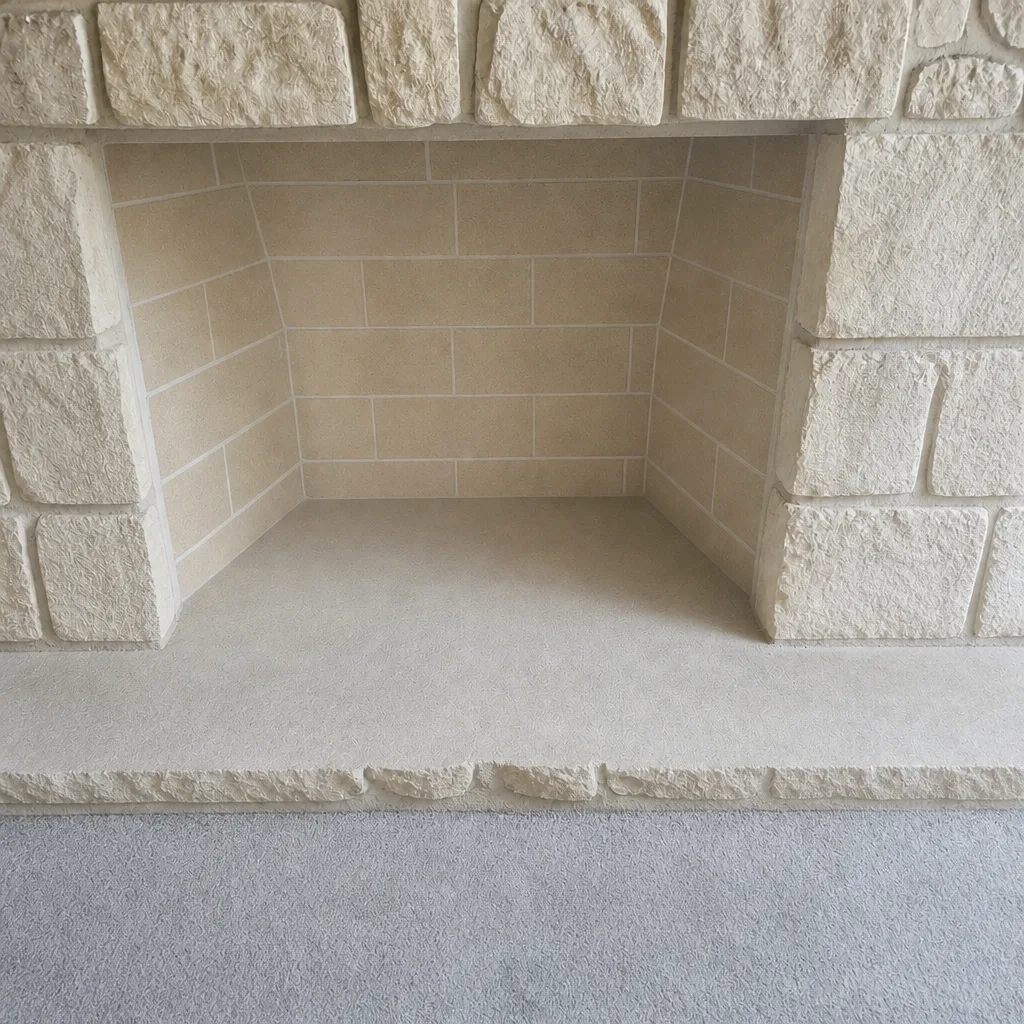
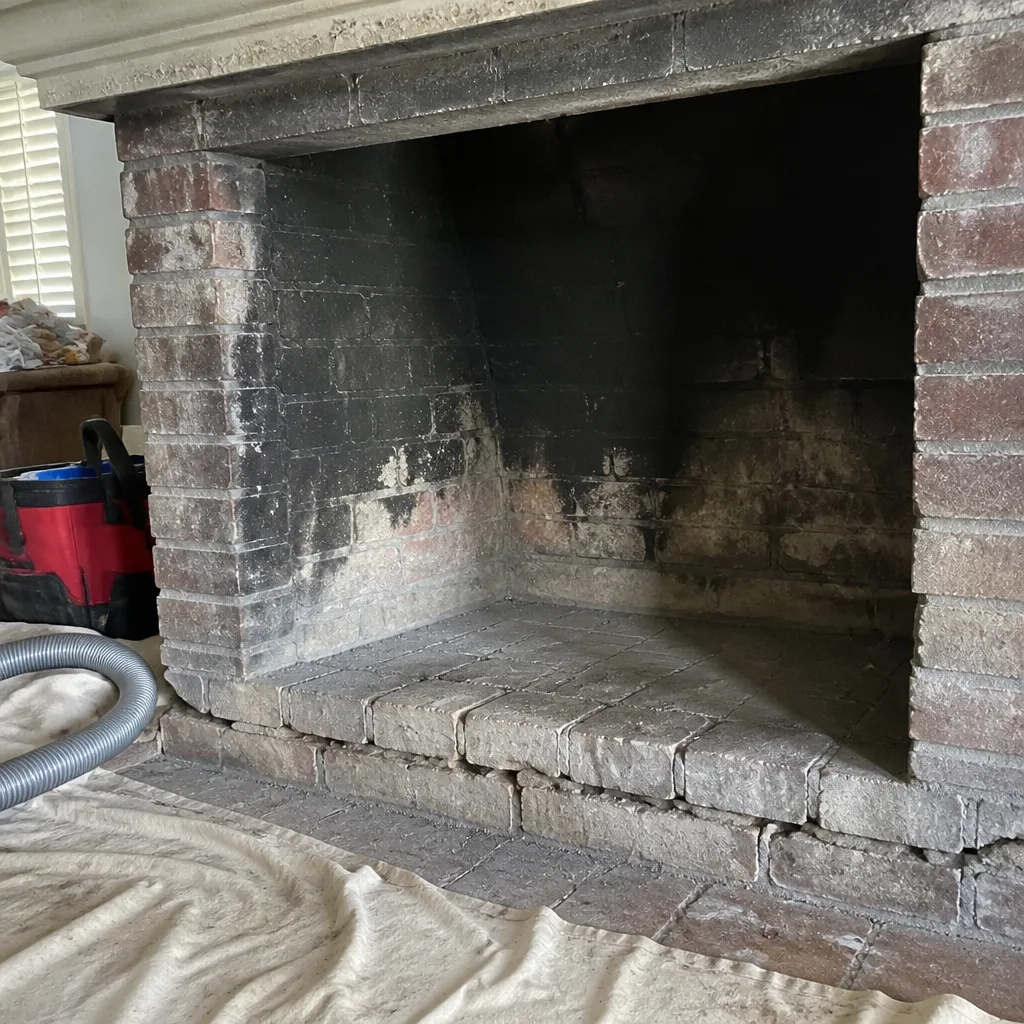
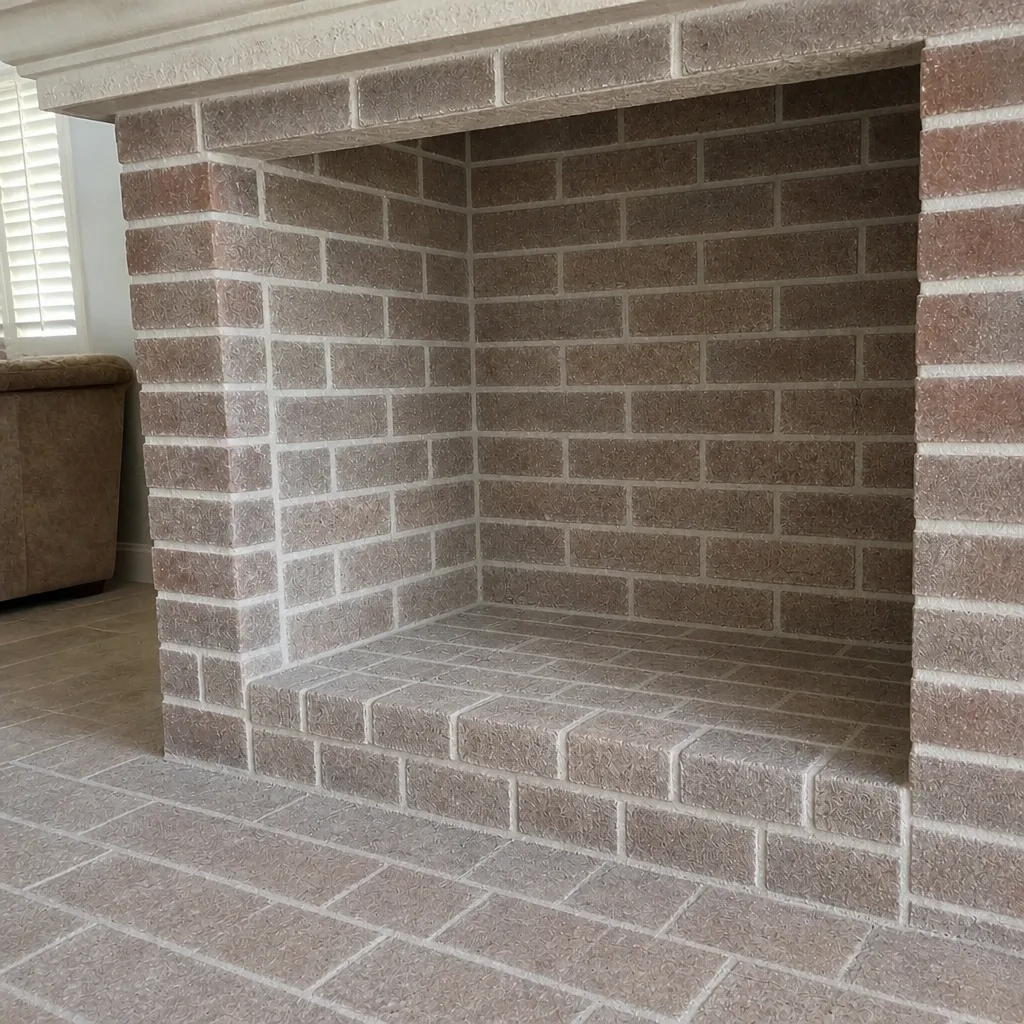
See the difference
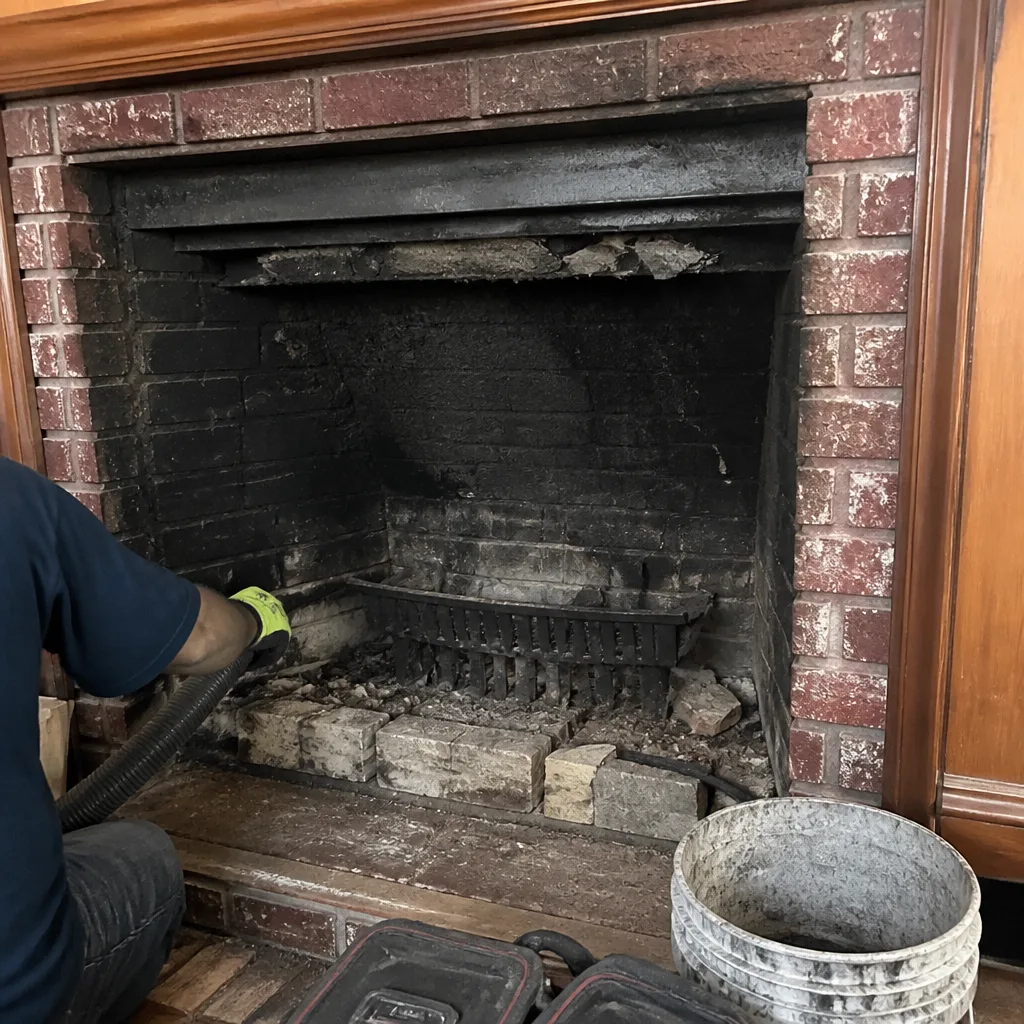 Before
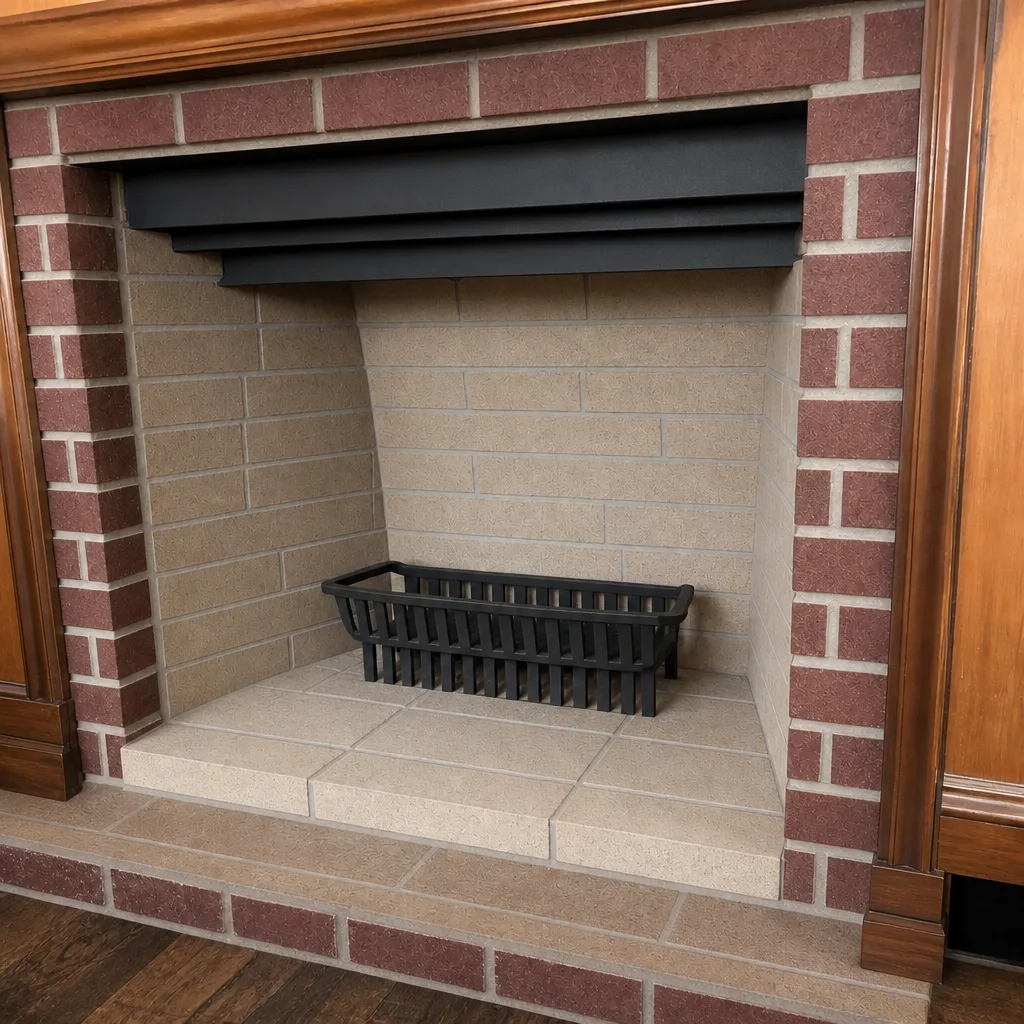 After
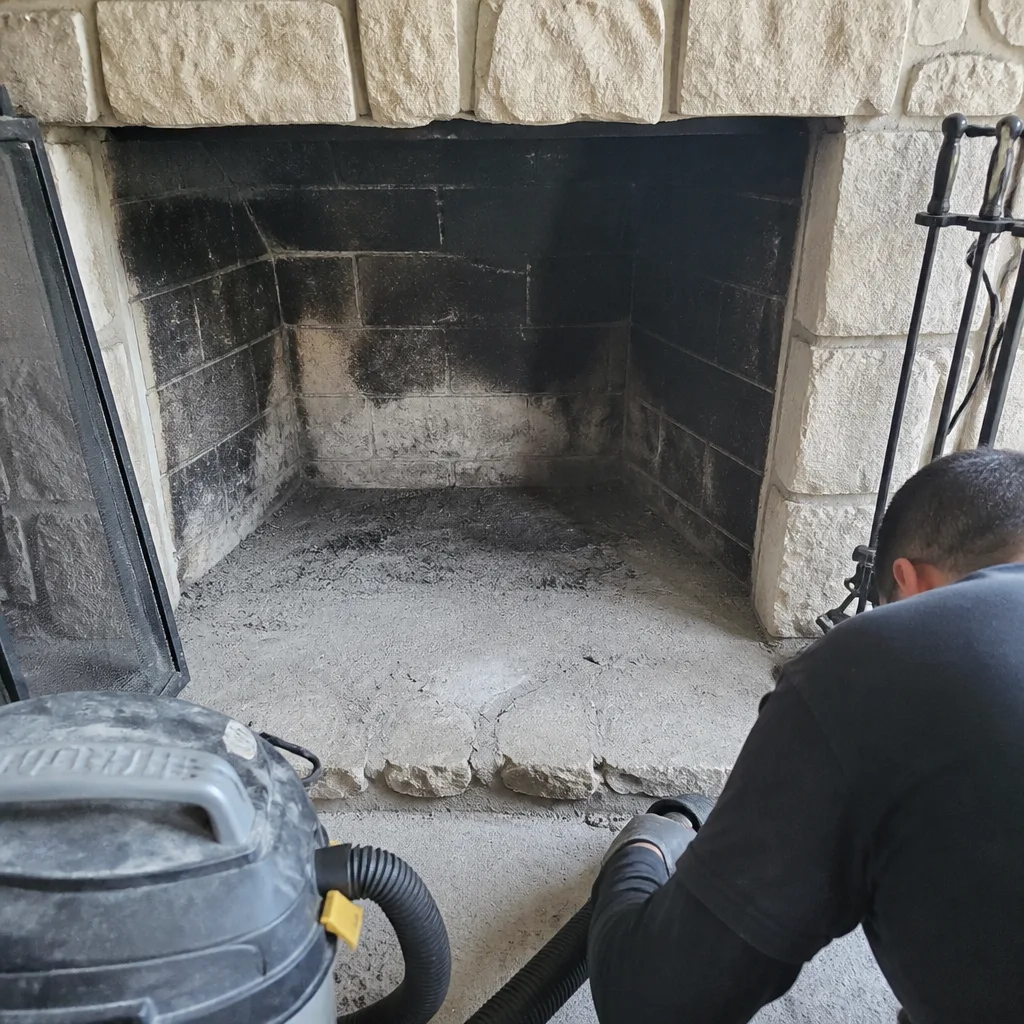 Before
 After
 Before
 After
When to Call a Professional
Some chimney care is checkable from the ground. Some of it needs a professional. Call for a proper inspection if you haven’t had the flue looked at in more than a year, if you’ve just moved into a Cypress home with a fireplace you haven’t used, or if you see any of the warning signs we’ve described: water stains near the chimney, crumbling mortar, a missing cap, smoke rolling back into the room, or a smell of creosote in the firebox. Call before the first Santa Ana event of the year if you suspect a cap or crown problem. Call before the first fire of the season if the flue hasn’t been swept since spring. Chimney Sweep Cypress offers free estimates in Cypress. Call (844) 656-4099. We answer 24/7. Fast dispatch from 7am to 7pm, Sunday through Friday.
Frequently Asked Questions
Once a year is the right baseline for most Cypress homes, even if you only burn occasionally. The mild climate doesn’t reduce the need for an annual sweep and inspection, because moisture and debris accumulate year-round. If you burn wood heavily through the winter, the annual sweep is a hard minimum and a mid-season check may be worth it. Call (844) 656-4099 for an exact quote. Estimates are free.
August or September is the best window in Cypress. Demand is lower than the October through December rush, and the cleaning lands before Santa Ana wind events push debris into the flue. Repairs flagged during a late-summer inspection also have time to cure before the winter rain. Book earlier in the year if you suspect a problem.
Yes. Gas log setups still use the flue, and vented logs deposit moisture and residue that a sweep removes. Even vent-free logs deserve an annual check of the firebox and surrounding structure. Schedule the same annual inspection you’d schedule for a wood-burning fireplace.
The marine layer pushes damp air into chimney masonry on spring mornings, and the sun dries the outside first, trapping moisture inside. Over a few springs, that cycle pops mortar and crown surfaces. The damage shows up as spalling brick, crumbling mortar, or water stains indoors. A spring inspection catches it before it spreads.
Yes. An uncapped or damaged flue is an ember entry point during Santa Ana wind events. A cap with an intact spark arrestor, a sound crown, and cleared vegetation around the chimney all reduce that risk. Inspect the cap and crown before wind season arrives, not after.
A cleaning last year doesn’t cover this year’s inspection. The sweep clears the flue; the inspection checks the crown, cap, flashing, and liner. Those are different tasks and both belong on the annual calendar. Nothing gets recommended without camera evidence you can see for yourself, and we’ll tell you when work can safely wait.
The Bottom Line
Cypress doesn’t have four dramatic seasons, but your chimney has four maintenance phases, and the calendar that follows them is different from the one most homeowners are given. Late summer (August and September) is when the sweep and inspection belong. Spring is when marine layer moisture gets caught before it becomes structural damage. Fall is when cap and crown condition matters most for ember exposure. Winter is when you watch for smoke and draft problems during peak use. Book the annual sweep in late summer, get the camera inspection every year, and repair what the inspection finds before the wind season starts.
Call (844) 656-4099 for a free estimate. We answer 24/7. Fast dispatch from 7am to 7pm, Sunday through Friday.
Written by the team at Chimney Sweep Cypress.