
Last updated November 25, 2026
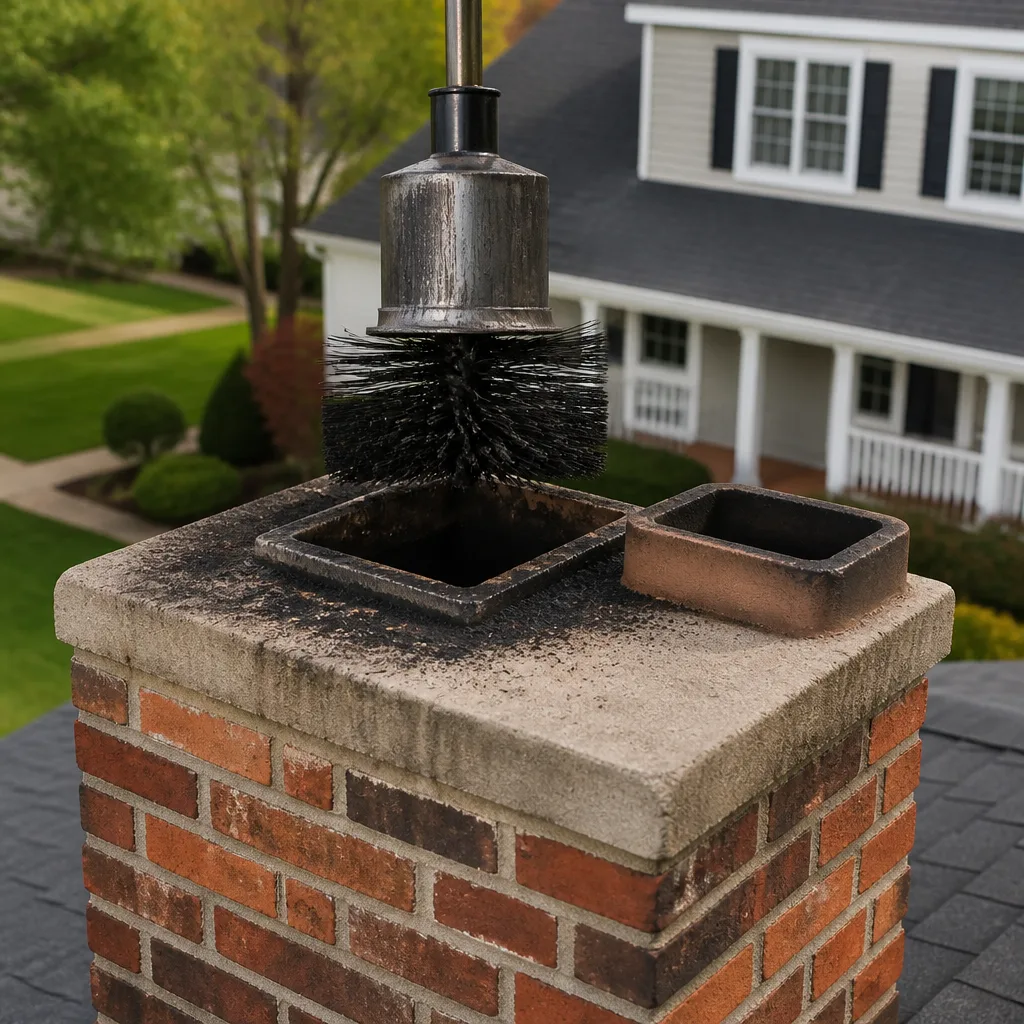 Sweep & inspection
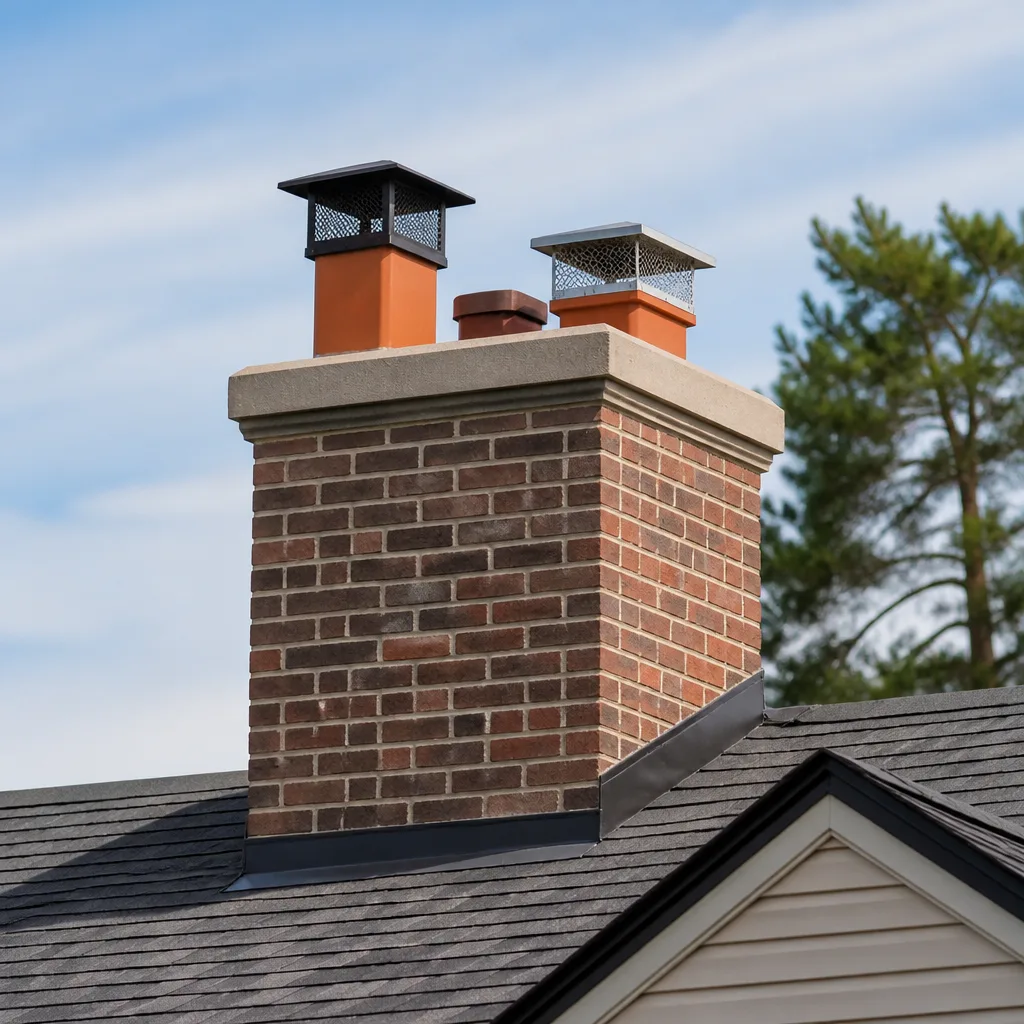 Caps & crowns
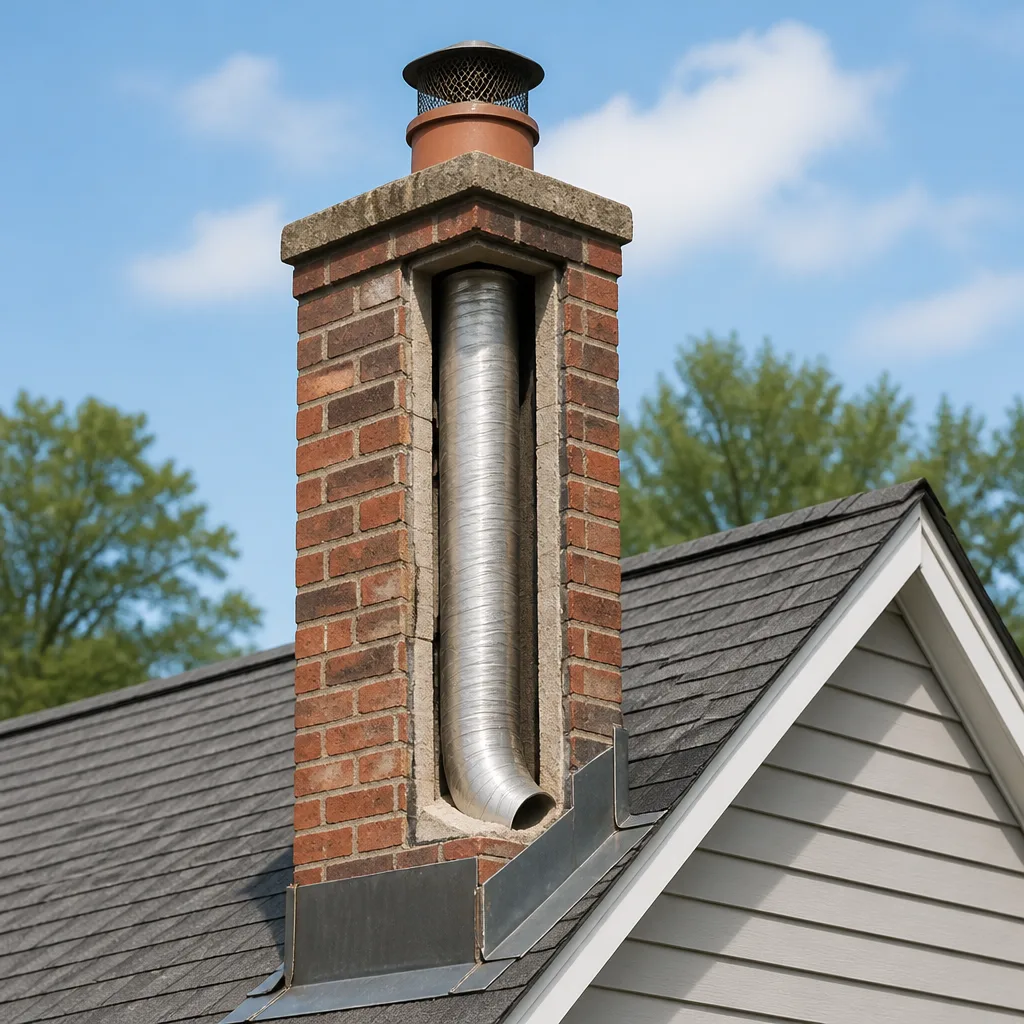 Flue relining
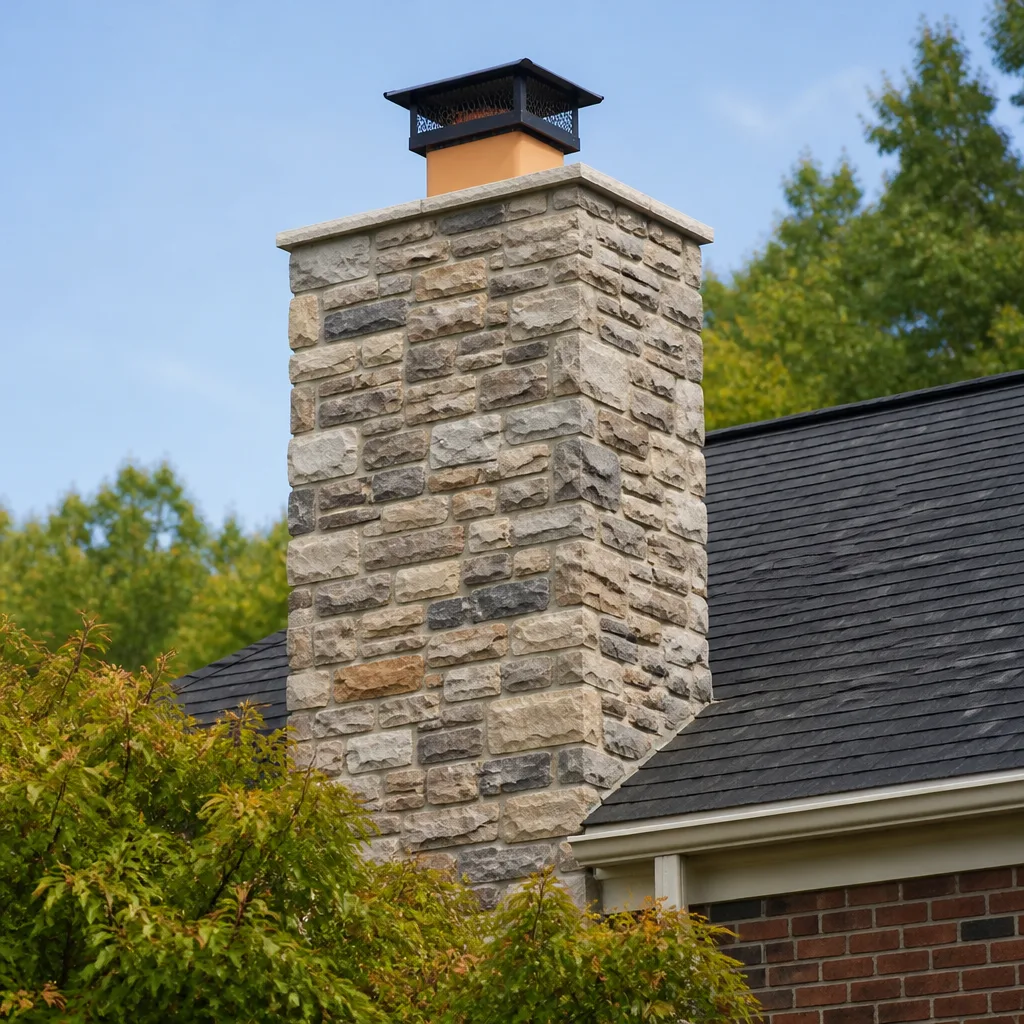 Masonry repair
 Gas fireplace service
Level 1 sweep and inspection to the NFPA 211 annual standard - flue, crown, cap, and flashing checked and photographed
Chimney sweep logs do not sweep chimneys. They loosen some creosote - which then falls where a brush and vacuum still have to collect it.
Chimney Cleaning Permits, Codes & Inspections in Cypress, CA: What You Need to Know
Most homeowners assume any chimney work is “just maintenance,” so nobody mentions permits until something goes wrong. The line is sharper than that. A routine sweep in Cypress usually needs no permit at all. But the moment a contractor opens up your liner, rebuilds a firebox, or resets a crown, California building code and the local building department get involved, and the paperwork matters more than the soot. A liner swap done without a permit can complicate an insurance claim years later, long after the invoice is paid. This guide walks through where that line sits in Cypress, which inspections are legally required, and how to protect yourself before anyone starts work.
Quick Answer
Routine chimney cleaning and sweeping in Cypress generally do not require a permit, but repair and replacement work on the liner, firebox, crown, or flue structure usually does, under the California Residential Code. A Level 2 inspection is required at real estate transactions, after a chimney fire or seismic event, and whenever the flue is relined or the system is changed. Before any repair, ask the contractor for the pulled permit; a licensed professional will hand it over without hesitation.
Styles & brands we work with
- Sweep & inspection
- Caps & crowns
- Flue relining
- Masonry repair
- Gas fireplace service
Table of Contents
- Does chimney cleaning need a permit in Cypress?
- What the California Residential Code actually says
- Who has jurisdiction: Cypress, Orange County, or the state?
- What a Level 2 inspection is and when it’s legally required
- The insurance consequences of unpermitted work
- How to verify a contractor’s permit before work starts
- What Cypress weather does to a chimney over time
- Common mistakes to avoid
Does chimney cleaning need a permit in Cypress?
No. Cleaning a chimney is maintenance, and maintenance does not trigger a permit. When a technician sweeps the flue, removes creosote, and checks the firebox, nothing permanent changes about the structure, so the City of Cypress building department has nothing to review. That holds for a standard annual sweep and for a Level 1 inspection, which is a visual check of accessible parts of the system.
The permit line appears when work becomes structural or changes the flue. In practice, that means:
- Relining or replacing a flue liner, whether with a stainless system like DuraFlex or a cast-in-place product like HeatShield
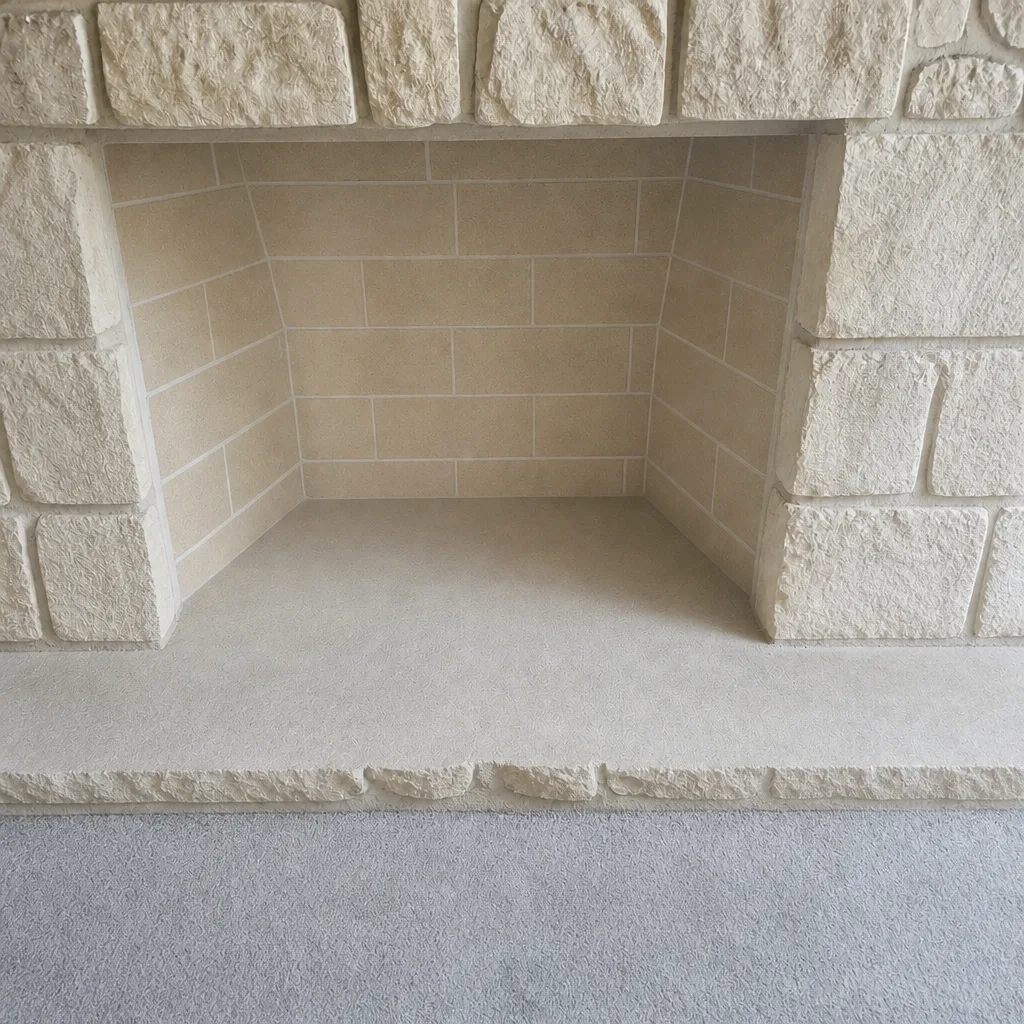
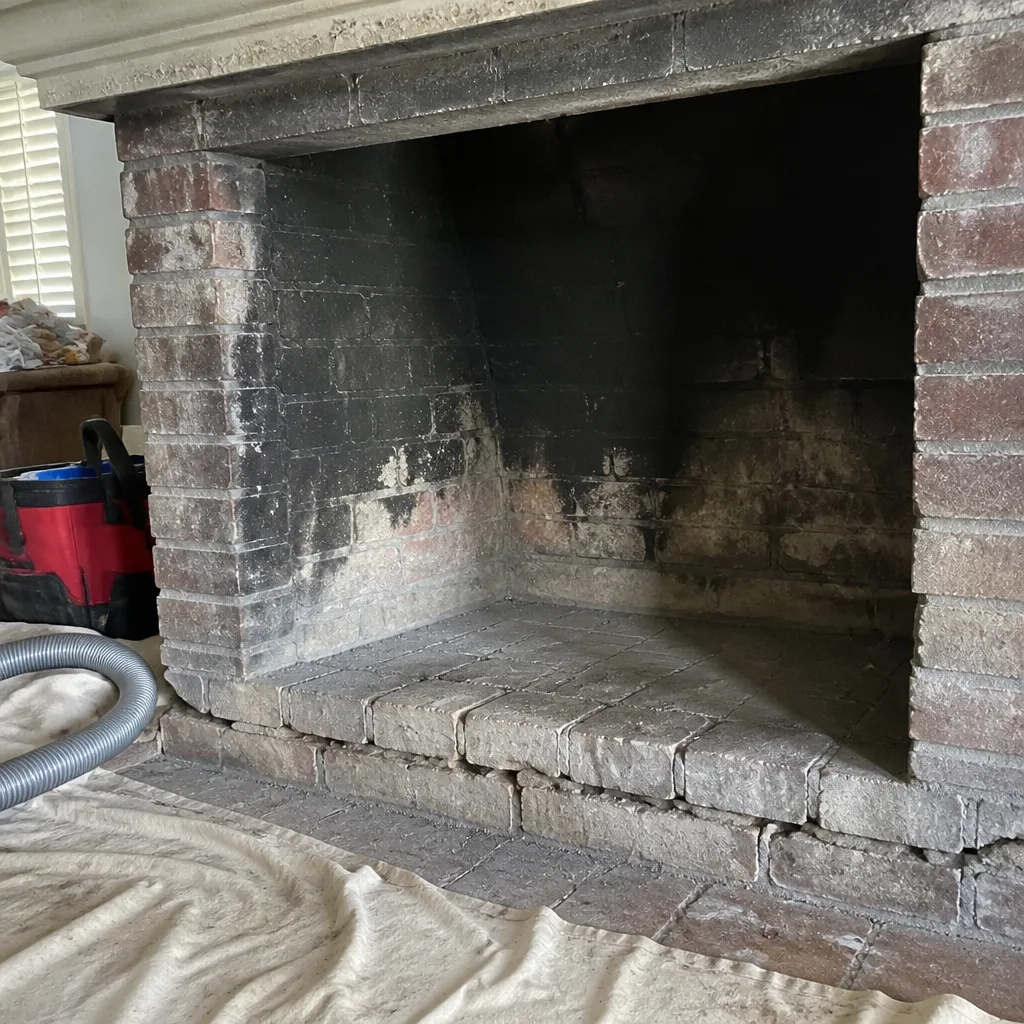
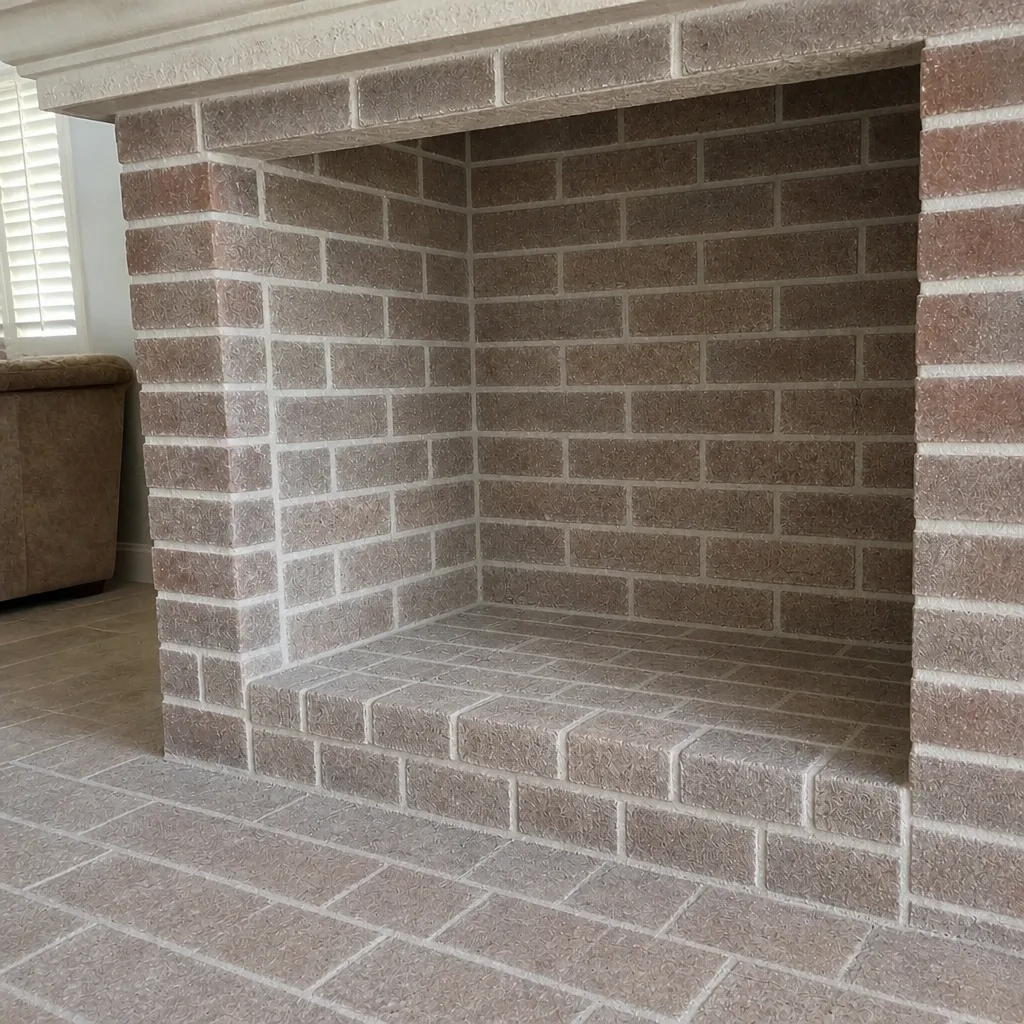
- Rebuilding or resurfacing a firebox, since the firebox is part of the chimney’s fire containment
- Replacing a crown at the top of the chimney, which is a structural cap over the masonry
- Repairing or replacing flashing where the chimney meets the roof, since that intersects the roofing system
- Adding a new chimney, fireplace, or wood stove, which is new construction and needs full plan review
- Changing the fuel type or appliance connected to a flue
A chimney cap is a gray area. A decorative or spark-arresting cap that sits on top and bolts down is usually treated as an accessory. Rebuilding a damaged crown underneath it is not. If you’re unsure which side of the line a job falls on, the answer is a phone call to the Cypress building department before the crew arrives. In our experience, most confusion comes from a contractor who treats a reline like a cleaning and skips the permit entirely.
What the California Residential Code actually says
The California Residential Code (CRC) governs how a chimney must be built and repaired in a one- or two-family home, and the sections that cover chimneys appear in Chapter 10 of the code, covering chimneys and fireplaces. Two appendices deal directly with the details of construction: Appendix C covers chimney and vent dimensions and materials, and Appendix D addresses fireplaces. The CRC also calls for the chimney to be inspected and, where conditions warrant, tested to confirm it’s sound and properly lined before it’s put back into service after a repair.
The practical effect for a Cypress homeowner is this: an inspector reviewing a reline or firebox rebuild will be looking at whether the flue is correctly sized and lined for the appliance vented to it, whether the clearances to combustible material are maintained, and whether the chimney has the required cap and spark arrestor. A contractor working from memory rather than the adopted code edition will get caught on those points.
What the CRC does not spell out is who is allowed to perform which repairs, or whether a given repair in a given city needs a permit. That’s where local adoption and ordinance come in. The CRC is the technical rulebook. The local building department decides how it’s applied and who signs off.
Who has jurisdiction: Cypress, Orange County, or the state?
Three layers overlap for chimney work in Cypress, and knowing which one applies saves a lot of confusion.
- City of Cypress building department. The city issues permits for structural and repair work on residential property and sends a building inspector to sign off. For a chimney reline, firebox rebuild, or crown replacement, this is the permit you or your contractor pulls.
- Orange County and state fire code. The fire code addresses clearances, spark arrestors, and the safety of the installed appliance, and it’s typically enforced by the local fire authority or through the building department’s plan review. For a standard chimney, this usually surfaces as a clearance or spark arrestor requirement during inspection.
- Statewide code adoption. California adopts the CRC and the California Fire Code on a statewide cycle, and Cypress operates under the adopted edition. The code you’re held to is the version in force when the permit is pulled, not the version in force when the chimney was originally built.
For a homeowner, the takeaway is simpler than the layering suggests. If your job is a repair or replacement, the permit comes from the City of Cypress, and the contractor performing the work is the one who should be pulling it. Cypress sits in western Orange County, and its single-family housing stock includes a great deal of homes built in the mid-twentieth century. A chimney that old has often been patched once or twice already, so the condition on inspection matters more than the paperwork age.
Whether a permit is required and what inspection it triggers is a question for the City of Cypress building department. They have the current fees, the current timelines and the final say on what needs a permit. A professional chimney contractor who works in Cypress regularly already knows how to pull that permit and how to schedule the inspection.
What a Level 2 inspection is and when it’s legally required
A Level 2 inspection is a more thorough check of the chimney than a basic visual sweep, using a camera to look inside the flue and documenting the condition of the liner, joints, and connections. It’s the inspection the industry standard calls for when a property changes hands, when the system has been damaged, or when the type of appliance or fuel connected to the flue changes.
The situations where a Level 2 inspection is expected or legally required include:
- A home sale or real estate transaction. Buyers and their lenders want documented condition of the chimney, and a Level 2 report is what provides it.
- After a chimney fire. Even a small fire can damage a liner in ways you cannot see from the top or the firebox.
- After an event that may have damaged the chimney, such as an earthquake, a lightning strike, or a roof impact.
- When the flue is relined or the appliance connected to it is replaced.
- When the chimney has changed use, such as a wood-burning fireplace converted to a gas insert, or an unused flue brought back into service.
- When a Level 1 inspection turns up a problem that can’t be resolved with a visual check.
What a Level 2 report gives you is a written record with photos, showing the inside of the flue and the condition of the liner and joints. That’s the document an insurer or a buyer will ask for. Our technicians have up to 12 years of experience performing these inspections, and we can work with the full picture from camera to photo report so you’re not reading a one-line summary and guessing.
Who can legally perform a Level 2 inspection? A qualified chimney professional, typically a certified sweep with the camera equipment and training to interpret what it sees. The inspection is not a DIY job; it’s a credentialed service, and the report it produces is what has standing with an insurer or a buyer’s attorney.
The insurance consequences of unpermitted work
An unpermitted chimney repair can complicate a homeowner’s insurance claim after a fire, and often it’s not the claim adjuster who first notices but the fire investigator who comes after. If the liner was replaced without a permit and the fire started in or near the flue, the insurer can argue the work was never inspected and refuse to pay the portion of the loss tied to it. That’s not a scare tactic. It’s a common clause in property policies: work requiring a permit must be permitted and inspected, and the homeowner carries the risk if it wasn’t.
The problem compounds at resale. A buyer’s inspector will flag unpermitted chimney work, and the fix is often to open up the chimney, inspect it, and either permit it retroactively where the city allows that or redo it. Both options cost more than pulling the permit would have in the first place.
Protecting yourself comes down to a few habits:
- Ask for the permit before work starts. A licensed contractor will know the permit number and can show you the application. “We’ll pull it afterward” is not how permits work.
- Keep the inspection record. A signed-off permit and the Level 2 inspection report are the two documents that matter at claim time.
- Match the invoice to the work. A liner replacement billed as a “cleaning and tune-up” is a red flag on its own.
If a repair was already done without a permit, don’t panic. In many cases the work can be inspected after the fact, and a qualified contractor can walk you through what the City of Cypress will need. Not every job can be saved, but the earlier you find out, the cheaper it is to fix.
How to verify a contractor’s permit before work starts
Asking for a permit isn’t hostile. It’s the single most useful thing you can do to protect your home and your coverage. Here’s the process in order:
- Ask which permit the job requires. For a reline, firebox rebuild, or crown replacement, the answer should name a specific permit and the City of Cypress as the issuing authority. A blank stare is your signal to find someone else.
- Ask for the permit number and the application, not just a promise. A permit is a public document. The contractor can hand you the number, the date applied, and the scope of work described on the application. Check that the scope matches the work being done.
- Confirm the permit is under the contractor’s license, not yours. A homeowner pulling a permit on behalf of a contractor can shift liability onto you. It should be the contractor’s permit.
- Ask when the inspection is scheduled. The inspection is the point of the permit. A contractor who plans to skip it and close the job without a sign-off is leaving you with a paper trail that doesn’t hold up.
- Get the approved inspection record after the work. Ask for the signed-off inspection so you have it when you sell the house, refinance, or need to make a claim.
What if they refuse? If a contractor can’t or won’t show you a permit for work that clearly needs one, don’t sign. If they’ve already started, stop the work and call the City of Cypress building department to ask what’s required. If the work is finished and the permit was never pulled, a qualified chimney professional can inspect the work and tell you whether it can be brought into compliance.
One more thing worth knowing: a scope of work that involves a new liner, a rebuilt firebox, or a crown should come with a written permit plan before the crew arrives. Our own process connects the inspection directly to the repair, so we’re not handing off a report to someone else to execute. We inspect it, and we fix it, which means the permit discussion and the repair discussion happen in the same conversation.
What Cypress weather does to a chimney over time
Cypress winters are mild. There’s no snow load, no freeze-thaw cycle to worry about, and no ice dam. That’s the good news. The less good news is that a mild, occasionally wet winter doesn’t let a chimney off the hook. Rain and the marine layer’s slower drying create the conditions for water intrusion and masonry decay, and a chimney that sits unpainted and uncapped for a decade or two will show it.
The Cypress building stock makes that more relevant than it might sound. Much of the city’s single-family housing dates to the mid-twentieth century, and a chimney from that era has often had a liner relined or patched already. A mildly wet winter is also the season when a damaged crown or missing cap lets water into the flue, and the water finds the softest brick or mortar joint to attack first. The monthly inspection that matters is the one that catches a small crack before it becomes a rebuild.
What this means for codes and permits in Cypress is that a routine sweep is rarely the only work a scheduled job turns up. An inspection often finds a hairline crack in the crown, a missing spark arrestor, or a gap where a liner has pulled loose. Those are the findings that move a job across the permit line, and the same inspection that finds them tells you whether the repair is urgent or can safely wait. Our cap and crown work uses materials from Gelco, Famco, and Copperfield precisely because those are the same supplies certified chimney professionals use across the country, and a repair that patches a flashing crack with the wrong product will fail the next rainy season.
What work triggers a permit in Cypress? A simple breakdown
Not every chimney job looks the same on paper, and the permit question depends on what’s actually changing. Here’s how the common jobs break down for a Cypress homeowner.
- Routine sweep and Level 1 inspection: no permit. This is the yearly cleaning most fireplaces need.
- Level 2 camera inspection: no permit on its own, but often the required first step before a permit is pulled for a repair.
- Liner reline or replacement: typically requires a permit and an inspection.
- Firebox rebuild or resurfacing: typically requires a permit.
- Crown replacement: usually requires a permit because it’s structural masonry.
- Chimney cap installation: often treated as a minor accessory, but a new cap on top of a rebuilt crown follows the crown’s permit.
- Flashing repair at the roof: usually requires a permit and a roofing inspection.
- New fireplace or wood stove installation: full permit and plan review.
What’s not on this list is the one thing homeowners ask about most: tuckpointing, the repointing of mortar joints between bricks. Small spot repairs to brick mortar are often handled as maintenance. Once the repair affects the structural integrity of the chimney, the permit conversation comes back. When in doubt, call the City of Cypress building department and describe the job. Their answer is the only one that counts.
See the difference
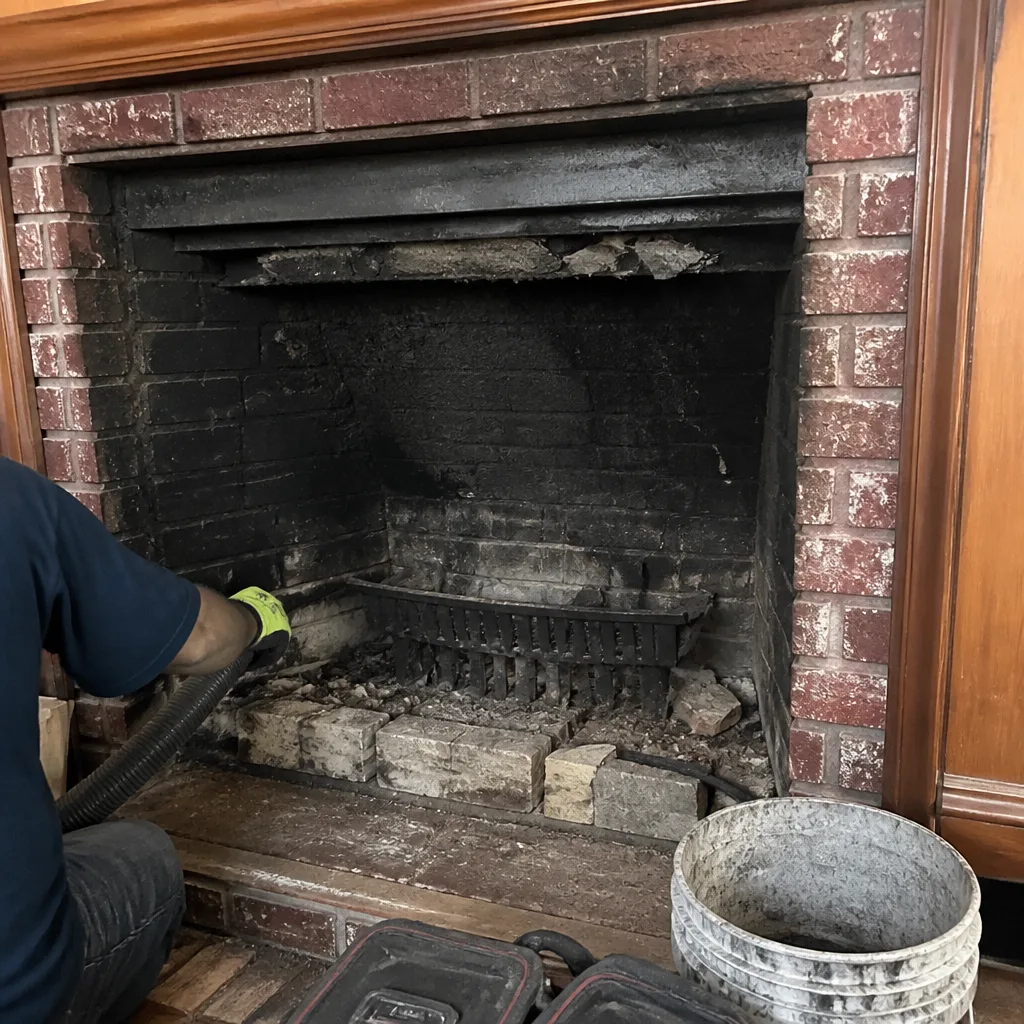 Before
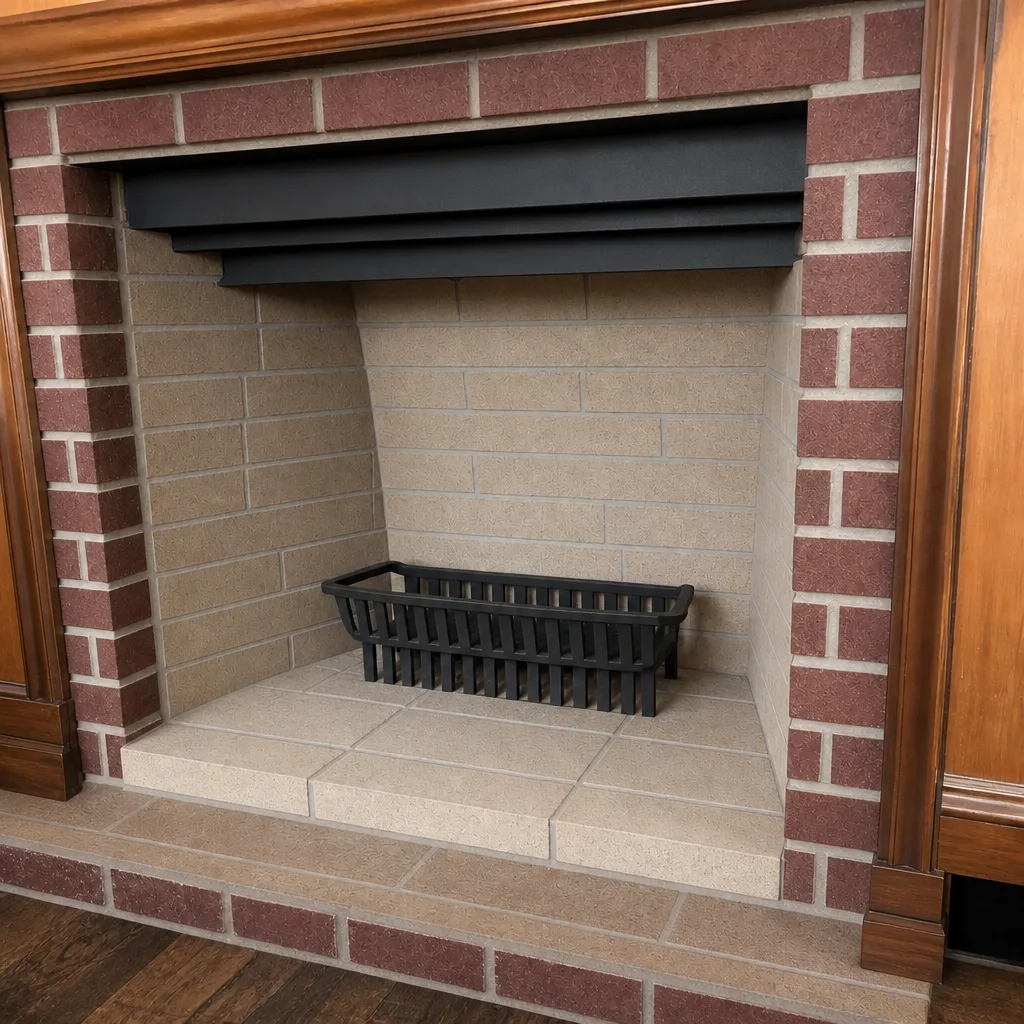 After
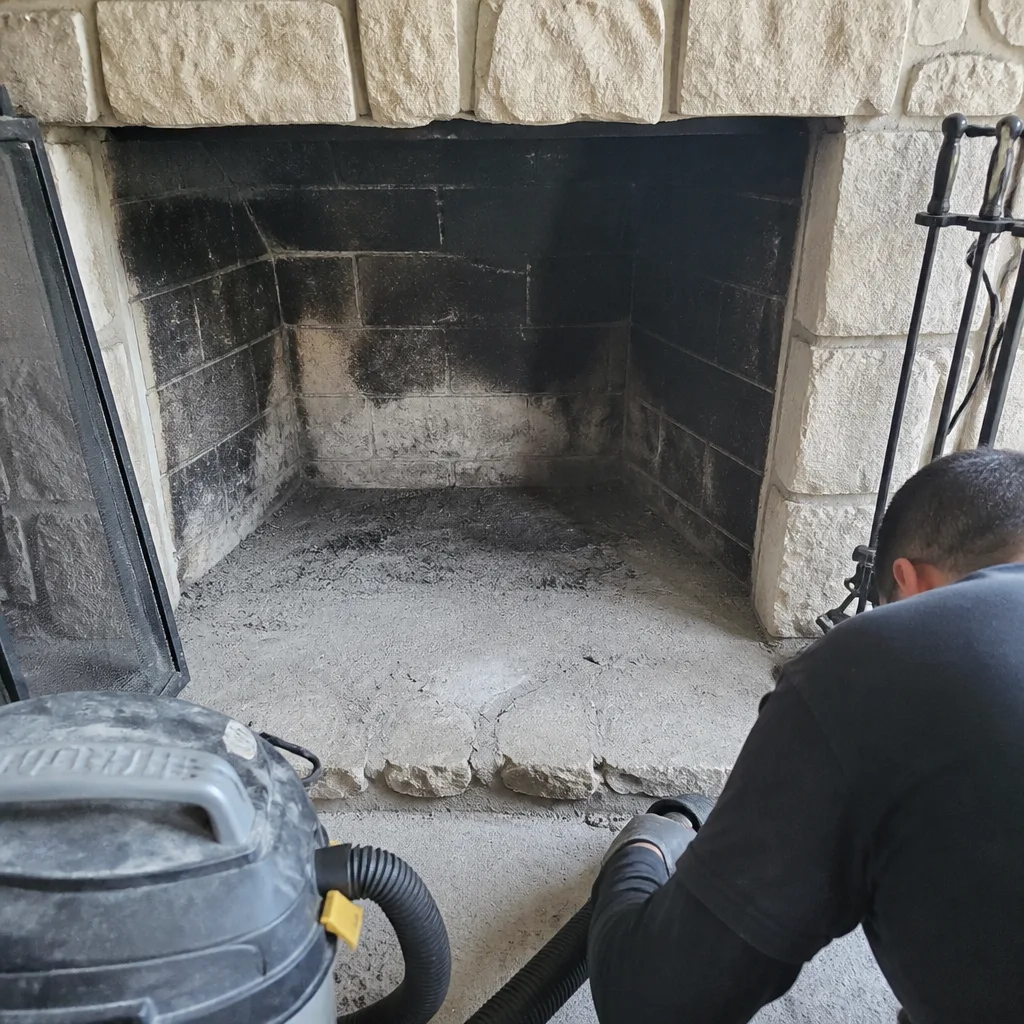 Before
 After
 Before
 After
Common Mistakes to Avoid
- Treating a reline as a cleaning. A “discount liner” sold as part of a routine sweep is often installed without a permit, and that’s the paper trail that fails at claim time. Ask for the permit before the liner goes in.
- Letting the contractor pull the permit under your name. A homeowner permit puts the liability on you. The permit should be under the contractor’s license.
- Believing the inspection report is a permit. An inspection is a report. A permit is a document from the City of Cypress. The report can suggest a repair; the permit is what authorizes it.
- Skipping the Level 2 inspection at resale. In a Cypress transaction, a buyer’s inspector will flag any chimney that wasn’t documented, and that can hold up closing. Get the Level 2 done before the sale, not after.
- Fixing the cap without fixing the crown. A new cap over a cracked crown is a repair that fails the next wet winter. The cap and crown are one job.
- Chasing the lowest bid without a permit scope. A bid that doesn’t mention a permit is often a bid on work that won’t be inspected. The cheapest quote is not the cheapest job once the fix is added.
- Waiting until the fireplace is in use to call. The best time to book a sweep in Cypress is before the burning season, not during it, when the schedule is tight and a small crack has had months to worsen.
When to Call a Professional
Call a qualified chimney professional when the job is anything beyond a routine sweep, when you don’t know the last time the chimney was inspected, or when a contractor asks you to sign off on a repair with no permit and no inspection record. Call when a home sale is in progress, when the fireplace hasn’t been used in a season or more, or when you smell smoke in a room the fireplace isn’t in. A sweep is booked, so the urgency is seasonal, not hourly: the ideal time to call is before the burning season, when a small crown crack is still a small crown crack.
What a professional inspection buys you is a written record with photos, so the recommendation is one you can see for yourself rather than one you have to take on faith. If work can safely wait, you’ll be told so. Chimney Sweep Cypress offers free estimates in Cypress, and a report you can hold onto. Call (844) 656-4099. We answer 24/7. Fast dispatch from 7am to 7pm, Sunday through Friday.
Frequently Asked Questions
No. Routine chimney cleaning and a Level 1 visual inspection are maintenance and do not require a permit from the City of Cypress. A permit becomes part of the project once the work touches the liner, firebox, crown, flashing, or flue structure. If your sweep turns up one of those issues, the permit discussion is the next step, and the repair should not start without it. Call (844) 656-4099 for an exact quote; estimates are free.
A Level 2 inspection is expected or required at a real estate transaction, after a chimney fire, after an earthquake or other event that may have damaged the chimney, when the flue is relined, when the appliance or fuel type changes, and when a Level 1 inspection can’t resolve a suspected problem. The report it produces is the document a buyer or an insurer will ask for. If you’re not sure whether you need one, that’s a good question for a phone call: (844) 656-4099.
Yes. A property policy can tie coverage to work that was permitted and inspected, and an unpermitted liner or firebox repair can complicate a fire claim. The risk compounds at resale, where an inspector will flag the undocumented work. The fix is almost always cheaper before the repair than after. Ask for the permit before work starts and keep the signed-off inspection record. Call (844) 656-4099 for an exact quote; estimates are free.
A liner only needs replacing when the inspection shows a specific defect: a crack, a gap, a failed joint, or a liner that’s the wrong size for the appliance vented to it. Nothing should be recommended without camera evidence you can see for yourself, and a proper Level 2 inspection produces exactly that, with photos of the inside of the flue. If a contractor can’t show you the defect, get a second opinion before authorizing the work. Call (844) 656-4099 for an exact quote; estimates are free.
Once a year for a fireplace in regular use, and more often if you burn a lot of wood or notice buildup in the firebox. The sweep is also the annual opportunity to check the crown, cap, and flashing before the wet season, which matters in a Cypress home where a small crack has months to worsen. Between sweeps, a visual check of the firebox and the top of the chimney is worth doing. Call (844) 656-4099 to book a sweep; estimates are free.
Creosote builds up in the flue and becomes the fuel for a chimney fire, and the first obvious sign of a problem is often the fire itself. A blocked or damaged flue can also let carbon monoxide back into the house, which is the risk that makes a camera inspection worth having. Skipping the annual check doesn’t make those risks go away, it just means you find out later. Call (844) 656-4099 for an exact quote; estimates are free.
The Bottom Line
In Cypress, a routine sweep is maintenance and needs no permit. A liner, firebox, crown, or flashing repair usually does, because that work is governed by the California Residential Code and enforced by the City of Cypress building department. A Level 2 inspection is the document that ties the two together: it’s required at resale, after a fire, and before most structural repairs, and it’s what gives an insurance claim or a buyer something to rely on. Ask any contractor for the permit before work starts, and keep the signed-off inspection. From the firebox to the cap, Chimney Sweep Cypress handles the sweep, the inspection, and the repair under one roof, and uses professional-grade materials like DuraFlex and HeatShield so the work is built to last, not patched to pass inspection. For a free estimate in Cypress, call (844) 656-4099. We answer 24/7. Fast dispatch from 7am to 7pm, Sunday through Friday.
Explore our full range of services through Chimney Sweep Cypress, book a chimney sweep for your annual cleaning, or read more about fireplace repair and chimney repair if an inspection has turned up a problem.
Written by the team at Chimney Sweep Cypress.