
Last updated November 25, 2026
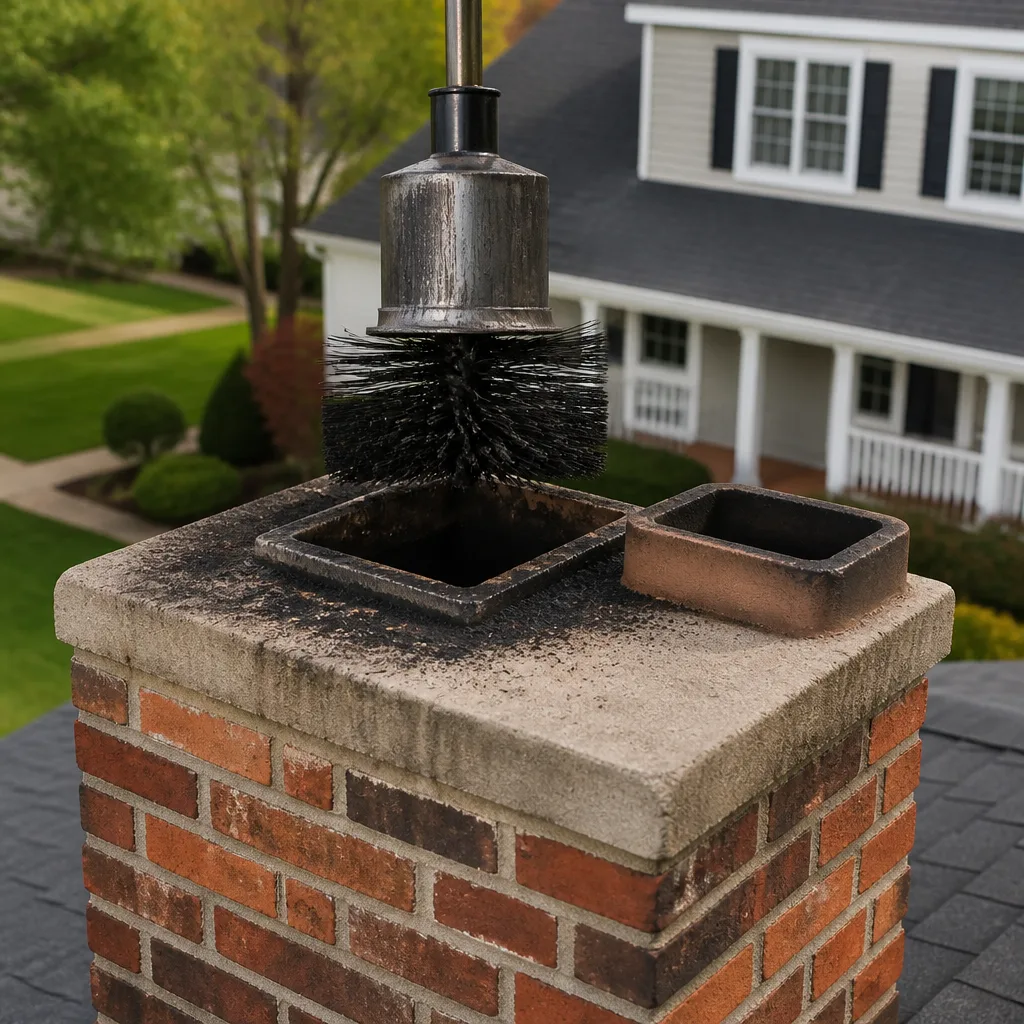 Sweep & inspection
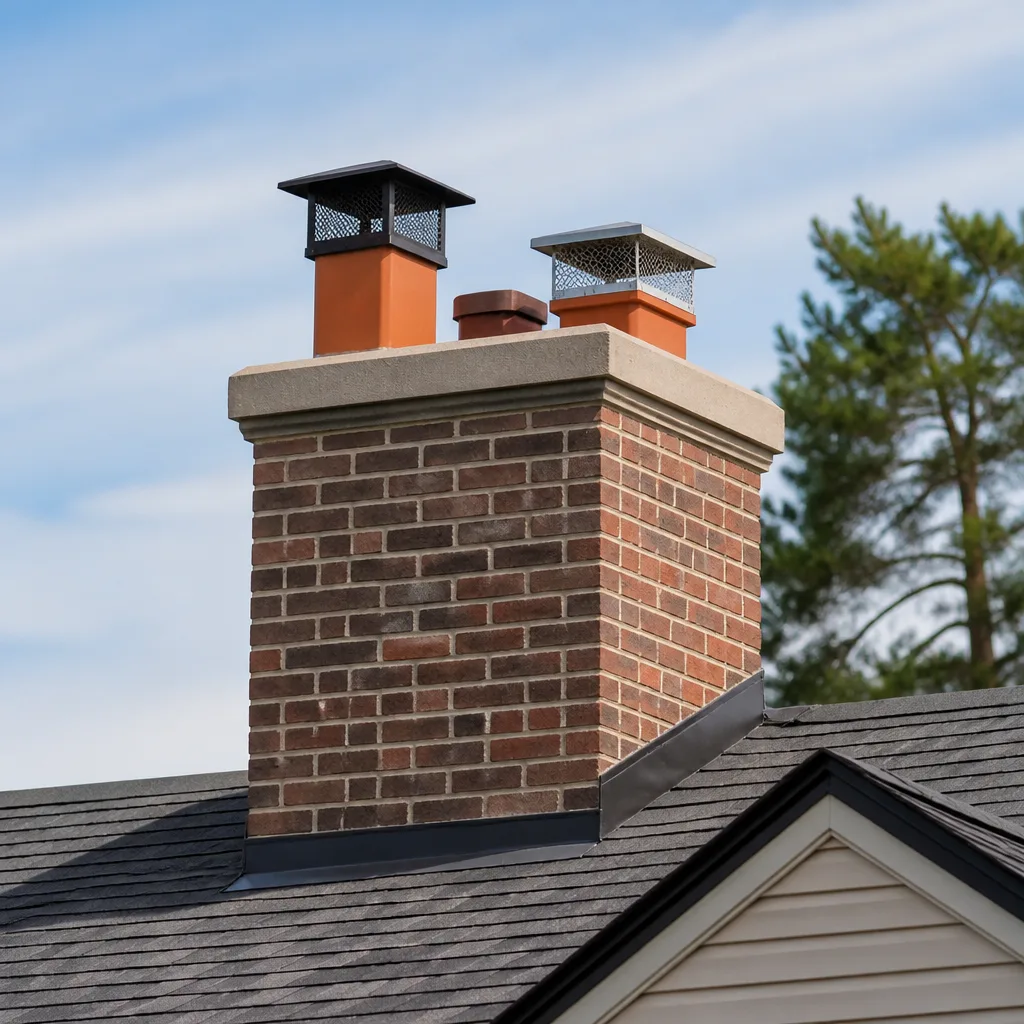 Caps & crowns
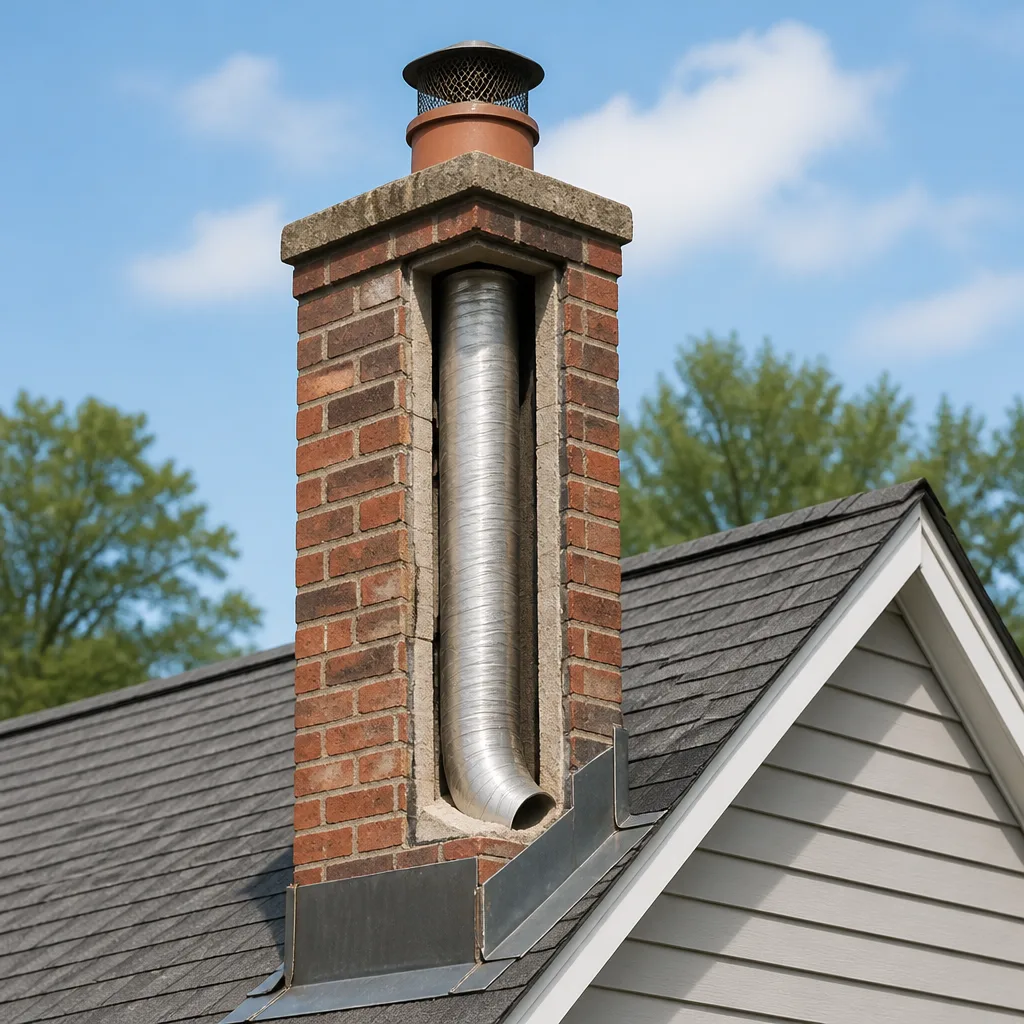 Flue relining
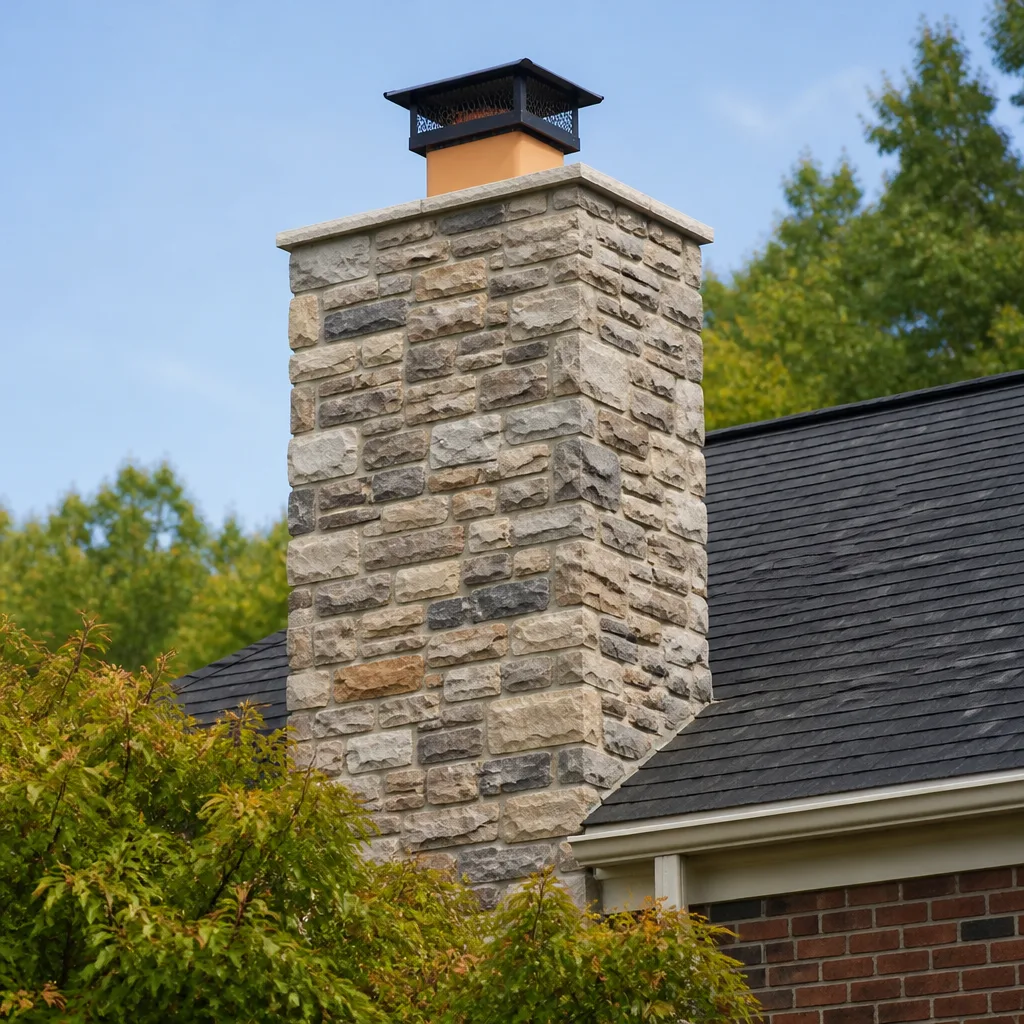 Masonry repair
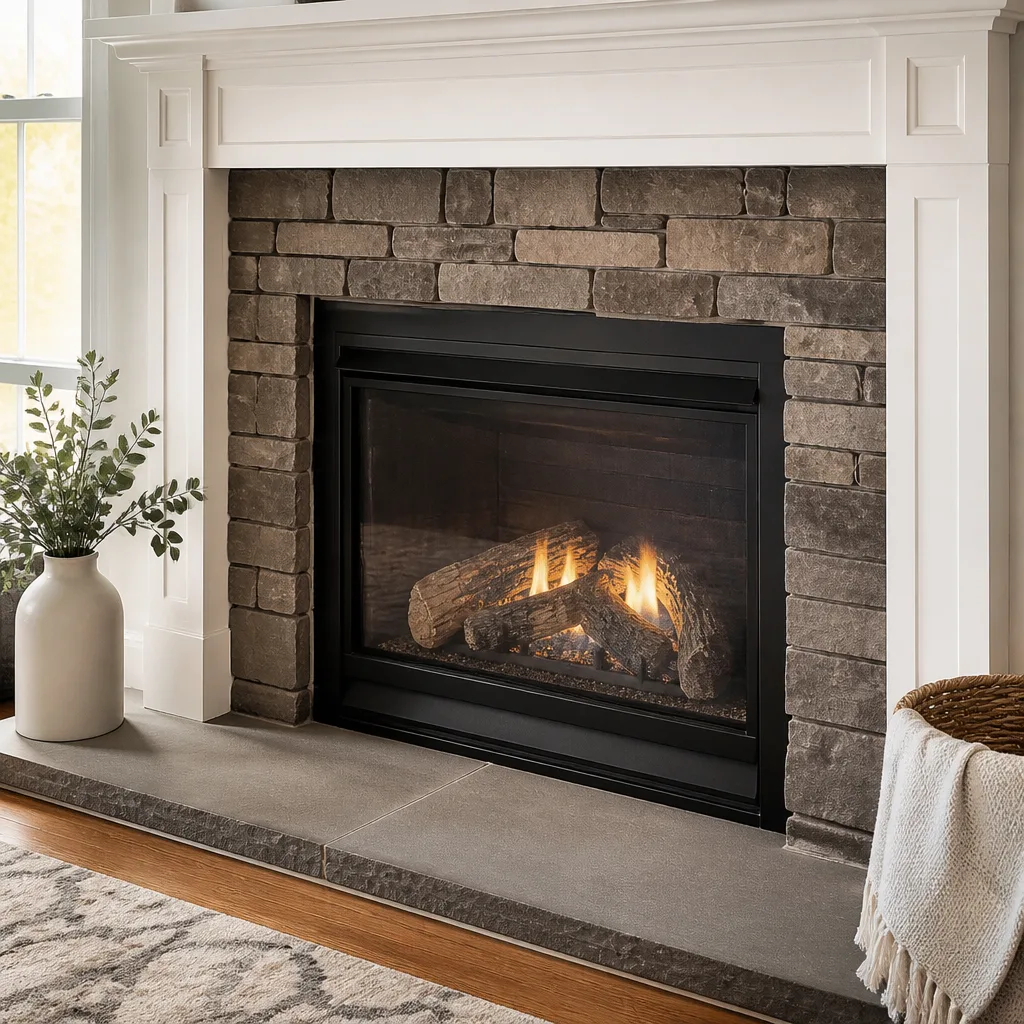 Gas fireplace service
Level 1 sweep and inspection to the NFPA 211 annual standard - flue, crown, cap, and flashing checked and photographed
Chimney sweep logs do not sweep chimneys. They loosen some creosote - which then falls where a brush and vacuum still have to collect it.
DIY vs Professional Chimney Cleaning: The Cypress Homeowner’s Decision Guide
Here’s the part most guides skip: the brush-and-rod kit on the hardware store shelf can genuinely clean a chimney. Not always, but sometimes, and that’s exactly what makes this decision harder than it looks. The kit works well on a straight, single-flue masonry chimney with light, flaky creosote. What it can’t tell you is whether that’s the kind of chimney you actually have. Whether your flue has an offset a straight brush will never reach, whether your creosote has moved past the flaky stage, or whether a hairline crack in a liner is waiting behind all that soot. In this Cypress guide, we’ll draw the honest line between what’s realistically do-it-yourself and what quietly becomes a liability, so you can decide with facts instead of guesswork.
Quick Answer
DIY chimney cleaning is only appropriate when four things are true at once: the flue is a straight, single-story masonry chimney, the creosote is Stage 1 (light and flaky), you can safely and comfortably reach and stand on the roof, and you have the right equipment, including a properly fitted brush and a HEPA-filtered vacuum to contain the dust. If any one of those is uncertain, professional cleaning is the safer and usually smarter call in Cypress, because a certified technician can also spot liner cracks, animal intrusion, and Stage 2 or 3 creosote that a homeowner simply can’t see from the firebox. The rest of this guide explains how to actually check each of those conditions before you commit.
Styles & brands we work with
- Sweep & inspection
- Caps & crowns
- Flue relining
- Masonry repair
- Gas fireplace service
Table of Contents
- What Are the Three Creosote Stages, and How Do You Check Them From the Firebox?
- Which Chimney Configurations Are Actually DIY-Compatible?
- The Real Cost of DIY: Equipment and Time Versus a Professional Visit
- The Specific Risks That Make DIY the Wrong Choice
- What You Can Legitimately Do Yourself
- What a Professional Chimney Sweep in Cypress Actually Involves
- Roof Access and Southern California: Why It Isn’t Just About Balance
- How Often Does a Cypress Chimney Need Sweeping?
What Are the Three Creosote Stages, and How Do You Check Them From the Firebox?
Creosote forms in three recognizable stages, and knowing which stage you’re in is the single biggest factor in whether DIY makes sense. Before you buy a brush, spend ten minutes looking up into the firebox and the lower flue with a bright flashlight. What you see there tells you a lot.
Stage 1: Light, Flaky, and Brushable
Stage 1 creosote looks like dried soot with a thin, flaky crust you can flake off with a screwdriver or a stiff brush. It’s the natural result of normal burning in a reasonably well-vented chimney, and it’s the only stage a homeowner has any business brushing out themselves. If the flue looks like this, you’re in DIY territory, provided the other conditions in this guide line up.
Stage 2: Hard, Glossy, and Stubborn
Stage 2 creosote has baked into a hard, dark shell, often with a shiny or glazed surface that looks almost like black glass or dried tar. A standard polypropylene brush will skate across it rather than remove it. It takes more aggressive tools, sometimes chemical treatments, and always the trained eye of someone who knows when to stop. This stage is where DIY stops being reasonable and professional cleaning takes over.
Stage 3: Concentrated Fuel, an Actual Fire Risk
Stage 3 creosote is the worst case: thick, puffy, or cracked deposits that look almost like charcoal or a coral-like structure. This is concentrated fuel sitting in your flue. Even without a total blockage, it can ignite under normal use, and we’ve seen what comes after. If you suspect you’re at Stage 2 or 3, don’t brush and hope. Call a professional for an inspection before you light another fire.
A quick safety note: looking up the flue from the firebox with a flashlight is fine. Reaching up into a flue, or climbing into a firebox to get a better angle, is not. There’s no lintel to protect you and the flue interior gets very narrow quickly. If you can’t see clearly from where you stand, book a professional inspection and let them do the looking. The same is true of the roof: getting up there to peer down the flue is the most dangerous part of the entire job, and we’ve said so to plenty of Cypress homeowners who wanted to know the honest answer.
Which Chimney Configurations Are Actually DIY-Compatible?
We’ve seen this misjudged more than any other part of the decision. A chimney that looks easy from the ground isn’t necessarily easy from the flue. Here’s the configuration framework we’d give a neighbor.
DIY-Compatible (Only If All Conditions Apply)
- Straight, single-flue masonry chimney. No offsets, no bends, no transitions from one material to another.
- Single-story home, gentle roof pitch. You can safely reach and stand on the roof without scaffolding or a harness.
- Stage 1 creosote. Light soot, no glazing, no thick deposits.
- No liner concerns. The flue interior is sound and you have no reason to suspect cracks.
- Regular sweeping history. The chimney hasn’t been neglected for seasons.
Not DIY-Compatible
- Chimneys with offsets or bends. A straight brush physically can’t follow the flue path, and a whip attachment that can requires tools and technique most homeowners don’t have.
- Two-story homes or steep roof pitches. Roof access is the biggest safety issue in chimney cleaning, full stop.
- Metal flues and prefabricated systems. These have specific brush requirements and should always be checked by someone familiar with the system.
- Gas fireplace flues and inserts. These require trained eyes and manufacturer-specific service. There’s no brush-and-go option here.
- Any chimney with a known or suspected liner issue. Cleaning a damaged liner is a way to make the damage worse.
- Signs of animal intrusion. Nests and debris need to be removed, but you also need to know why the entry point was open in the first place.
Cypress homes range from older single-story neighborhoods with classic masonry chimneys to newer builds with prefabricated systems. If you’re not sure which one you have, that uncertainty alone is a reason to have it assessed before you decide about DIY.
The Real Cost of DIY: Equipment and Time Versus a Professional Visit
People often compare the price of a hardware store kit to the price of a professional sweep and conclude DIY is cheaper. It’s worth pricing out what the kit actually needs to do the job properly, and what your time is worth.
What DIY Chimney Cleaning Actually Requires
- Chimney brush, correctly sized to your flue. A brush that’s too small leaves creosote behind. One that’s too large can damage flue tiles. You need the inner dimensions of your flue to get this right.
- Rods, or a rope-pull system. Enough length to reach the bottom of your flue from the roof, plus the flexibility to handle your chimney’s path.
- HEPA-filtered vacuum. A standard shop vac pushes soot and fine creosote dust back into your living space. A HEPA unit captures it. Using a standard vacuum is one of the most common mistakes we hear about.
- Drop cloths and a sealing cover for the firebox opening. You need to seal off the room before you start, or you’ll be cleaning a downstairs room afterward.
- Safety equipment. Ladder rated for the height, gloves, safety glasses, respirator for fine soot.
- Roof access. Safe ladder placement, boot traction, roof jacks if needed. On a steep pitch this is genuinely a fall-risk situation.
Add it all up, and the equipment cost for a decent DIY setup often gets close to or exceeds the cost of a single professional sweep. A basic kit gets you by, but a proper HEPA vacuum and correctly sized brush quickly add up. And you’re using those tools once a year at most.
Then there’s the time. A first-time DIY sweep on a straightforward chimney takes half a day once you factor in setup, cleanup, and the inevitable second pass. A professional visit finishes the same job in a fraction of that. For Cypress homeowners with a two-story home or vulnerable roof, professional cleaning is the only sensible option regardless of equipment.
The Specific Risks That Make DIY the Wrong Choice
These are the categories where we’d push back on DIY even if everything else looks fine. Each of them is a reason for a trained set of eyes, not a reason for more confidence.
Liner Cracks and Damage
Flue tiles and liners can crack from heat, from settling, or from an earlier chimney fire the homeowner never knew happened. Running a brush through a cracked liner can widen the crack and dislodge pieces. Worse, you might not see the damage at all. A professional inspection includes a camera view of the flue interior so any cracks are documented, not guessed at. This is where the difference between a cleaning and an inspection really matters. A basic sweep-and-go service may not catch these issues. That’s why we tie inspection directly to repair capability, and why some problems call for resurfacing with HeatShield or a new liner system.
Animal Intrusion and Nest Debris
Birds, squirrels, and raccoons regularly get into chimneys through open or damaged caps. The nest material is flammable, and removing it safely requires understanding what came in and how. It’s also a sign your cap needs work. A cap that’s intact and correctly installed is one of the most effective preventatives against water damage and animal intrusion combined. Family-level fixes usually stop at “clear the nest.” A full-system chimney specialist looks at the cap and crown while they’re there.
Stage 2 and Stage 3 Creosote
We covered the creosote stages earlier, but the risk is worth repeating in this category. When creosote has baked into Stage 2 or Stage 3, brushing it in a DIY setting is the wrong move. It requires techniques and tools designed for the job.
Gas Fireplace Systems and Inserts
If you have a gas fireplace or a gas insert, the flue and system need a different service approach than wood-burning masonry. The venting design is specific, the components are specialized, and cleaning must stay within the manufacturer’s parameters. There’s no DIY angle we’d endorse here.
Anything You Can’t See Clearly From the Firebox
If you can’t see what’s going on up there with confidence, you’re making a decision without the information you need. That’s true of any chimney work, and it’s especially true if the chimney has been unused for a while before you moved in.
What You Can Legitimately Do Yourself
This is the other side of the honest answer. There are real, useful things a homeowner can do between professional visits. These are maintenance tasks, not cleaning tasks, but they pay for themselves in the long run.
- A visual look inside the firebox. Not with your arm, just with a flashlight. Note what the walls and flue look like, and whether you see glazed or thick deposits. It helps you know when to call.
- Clear and inspect the cap from the ground. A pair of binoculars tells you a lot. If the cap is missing or visibly damaged, that’s a call to make.
- Lubricate the damper. A grinding or sticky damper usually just needs a little graphite or high-temp lubricant at the hinge points. Follow the damper manufacturer’s guidance if you can find it.
- Keep the firebox clean between burns. Removing ash and leftover debris regularly keeps your chimney working more efficiently and reduces buildup.
- Watch the smoke. Dark, dense, rolling smoke out of the chimney means incomplete combustion, which builds creosote faster. It’s a signal to call, not a signal to keep burning.
- Schedule the annual inspection. The homeowner’s most useful task is making the annual chimney inspection a habit, not an afterthought.
These things help. They don’t replace the actual cleaning, but they make the decision easier because you’ll know when something has changed.
What a Professional Chimney Sweep in Cypress Actually Involves
For comparison, here’s what a professional chimney sweep covers when it’s done properly, step by step.
- Pre-sweep inspection. Before a brush goes anywhere, the technician assesses the firebox, the smoke chamber, the damper, and the flue. Any obvious issue is flagged before the work begins.
- Interior protection. Drop cloths, a firebox cover, and a HEPA vacuum are set up first so the living space stays clean throughout the job.
- Sweeping the flue. Correctly sized brushes, whip attachments for tricky paths, and rods matched to the chimney’s actual interior.
- Cleaning the firebox, smoke chamber, and damper. A sweep isn’t just the flue. Soot and creosote build up throughout the system, and a proper cleaning covers all of it.
- Inspection report. What the technician found, in plain language, with recommendations only where the evidence supports them. If a liner has a crack, you see it. If the crown needs work, you see why. If everything’s fine, you hear that too.
- Post-cleanup. Floors, hearth, and firebox left clean. If anything came up during the sweep, you’ll know before the technician leaves.
The difference between a basic sweep and full-system chimney care shows up in step five. A qualified sweep who can do chimney repair connects the inspection to the fix, instead of handing you a report that flags problems and then sends you looking for someone else to solve them. That full-lifecycle approach is what Chimney Sweep Cypress is built around: sweep, inspect, repair, fireplace work, and cap and crown installation, from the firebox to the cap.
It also shows up in the materials used for any repair work. Professional-grade products like DuraFlex flexible liner systems and HeatShield chimney resurfacing materials exist for a reason, and they aren’t on the shelf at the hardware store. They’re used by certified chimney professionals for the reliability of the system, not the price tag. When a repair is done with the right materials by someone who knows how to install them, it holds up. When it’s done wrong, it fails at the worst possible time. That’s the difference between a system built to last and a patch that passes a visual check.
Roof Access and Southern California: Why It Isn’t Just About Balance
It’s tempting to frame roof access as a balance question. If you’re comfortable on a roof, it’s fine. If you’re not, hire someone. That’s only part of the truth.
The bigger issue is that most chimneys in Cypress don’t get swept from the roof at all. Modern sweeps work from the firebox side using specialized rods and whips, which eliminates roof access entirely for the standard sweep. That reduces the most dangerous part of the job. If you’re going to attempt DIY, you need to understand the two approaches and whether your chimney can be swept from below.
For most Cypress homeowners, the answer is either “yes, from below” or “no, this chimney needs professional access.” The determination isn’t a judgment call. It depends on the flue’s path, its diameter, and whether the creosote is loose enough to come off from a firebox-side brush. When you’re not sure, we’d rather tell you honestly and skip the DIY than have you try a firebox sweep on a flue that needs roof access.
One more factor: Southern California’s mild climate means nobody leaves a fire burning year-round, so Cypress chimneys often sit unused for six or seven months. That dormant period is when caps fail, animals move in, and small problems quietly get worse. The first fire of the season is when people find out. If you’ve just moved into a home with a fireplace you haven’t used, book an inspection before the first cold night, not after.
How Often Does a Cypress Chimney Need Sweeping?
The industry standard is annual sweeping and inspection for any chimney that gets regular use. “Regular use” means roughly a fire a week during the colder months, which describes a lot of Cypress fireplaces in December and January. That annual visit catches buildup before it reaches Stage 2, catches liner damage before it becomes a safety issue, and catches cap and crown problems before the first winter rain.
If you burn more often, or you burn wet wood, or you have a wood stove, get it swept more frequently. The honest rule of thumb is this: when soot and creosote have built up to about a quarter inch inside the flue, it’s time for a sweep. You can’t see that from the firebox with a flashlight in most cases, which is another argument for an annual professional visit even when DIY seems possible. Our technicians have up to 12 years of experience, and across those visits we’ve seen plenty of chimneys that looked fine from the room side and weren’t once the flue was opened up.
Scheduling matters too. A chimney swept in late summer or early fall has the whole burn season ahead of it. A chimney swept after the first fire is already into the season with whatever was in the flue from last year. If you’re thinking about a Cypress sweep, this is the time of year to book it.
Common Mistakes to Avoid
- Judging your chimney from the room side only. What you can see from the firebox is a fraction of the total flue. Reaching up into it or assuming the rest looks the same is how cracks get missed. Use the firebox view as a rough guide, not a final answer.
- Buying a brush without measuring the flue. A poorly sized brush doesn’t clean the flue fully, and it can scratch the tiles if it’s oversized. If you don’t know the inner dimensions, you don’t know the brush.
- Using a standard shop vac instead of a HEPA vacuum. Fine soot particles go right through a standard filter and end up in your living room. That’s a cleanup problem and a health consideration worth taking seriously.
- Brushing off Stage 2 or Stage 3 creosote as if it were Stage 1. Glazed or puffy deposits are a fire risk, not a cleaning task. Brushing them improperly is a way to spread them, not remove them.
- Climbing the roof without a real safety plan. A ladder on a slope without secure footings, or a roof without fall protection, is where DIY chimney cleaning sends people to the emergency room. If you can’t guarantee safe access, don’t go up.
- Cleaning a damaged liner further. If your liner has cracks or is flaking, more cleaning makes it worse, not better. Inspect first. When in doubt, get a professional opinion.
- Ignoring the cap and crown. Clean flues with a failing cap still take on water damage, and animal intrusion can happen even mid-season. Cleaning the flue but ignoring weatherproofing is unfinished work. Cypress chimney work is full-system work, or it’s guesswork.
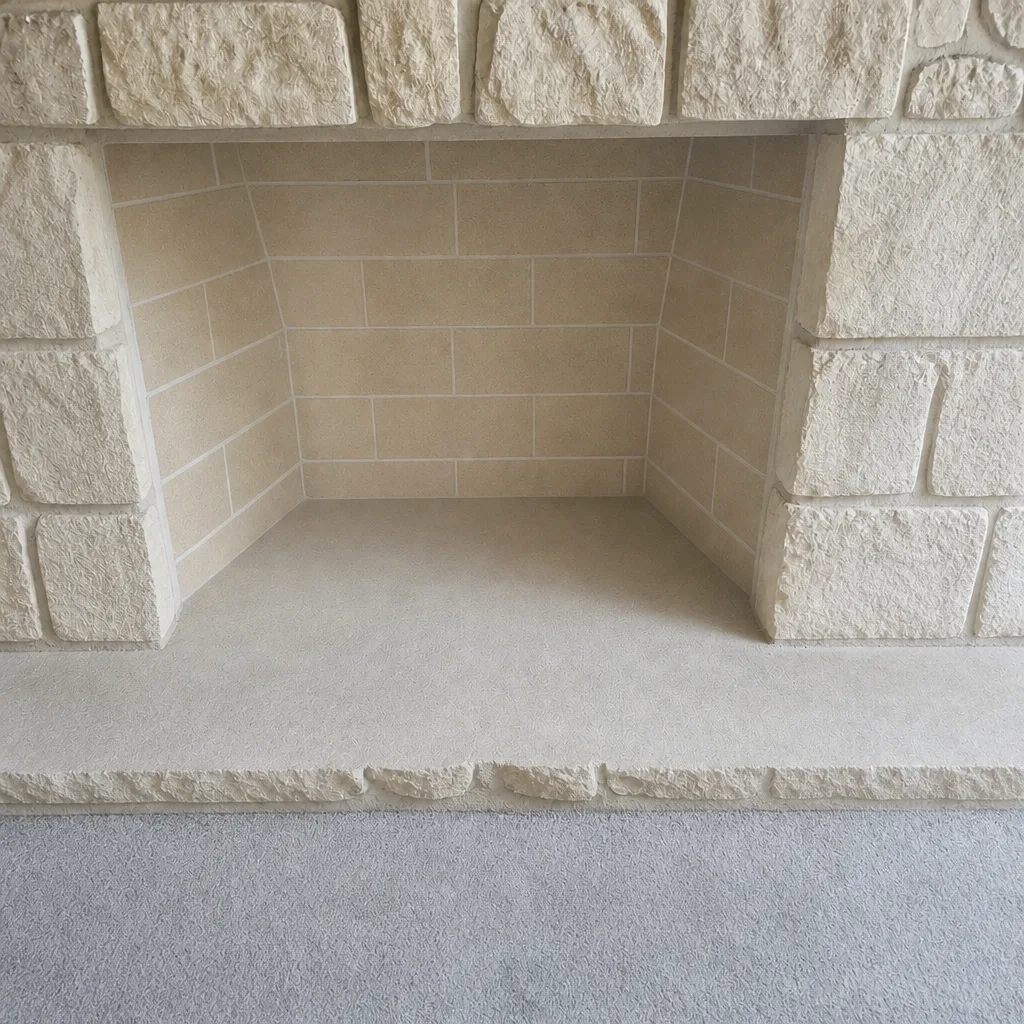
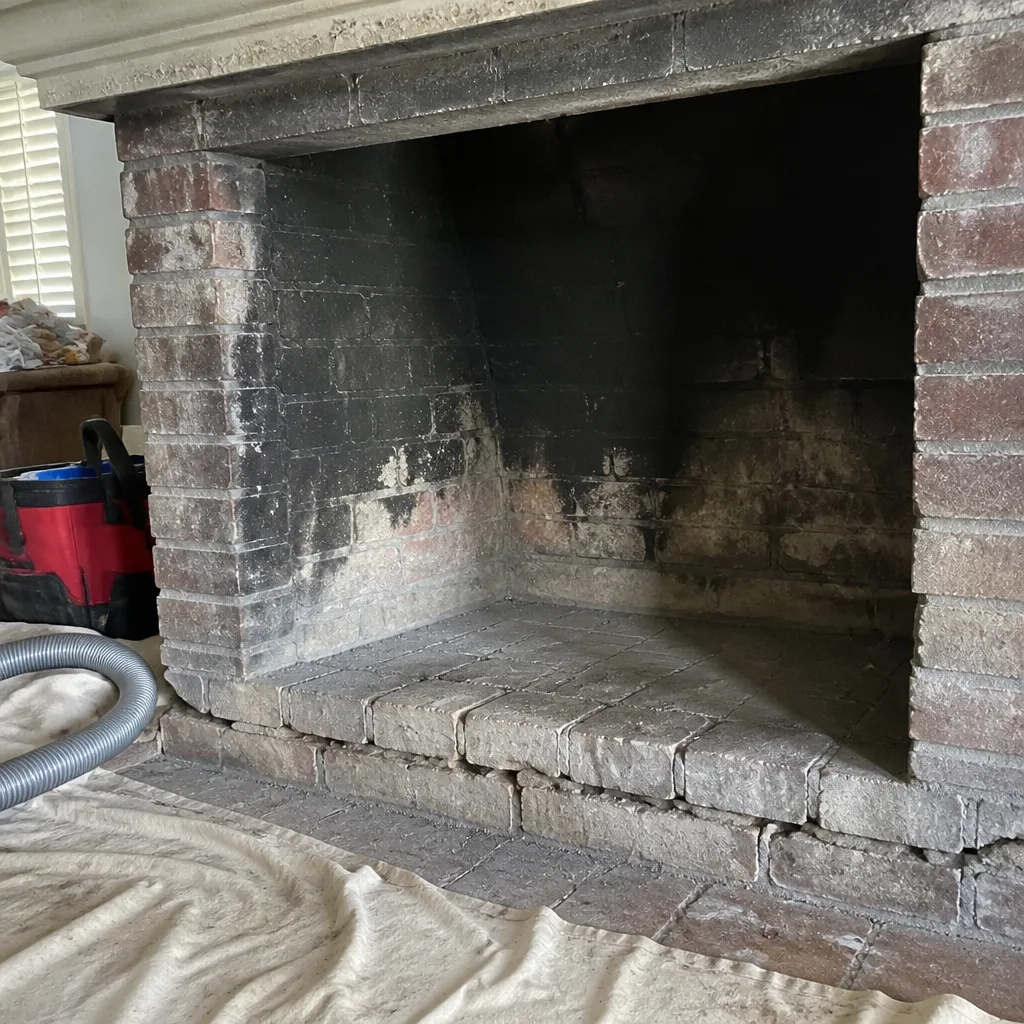
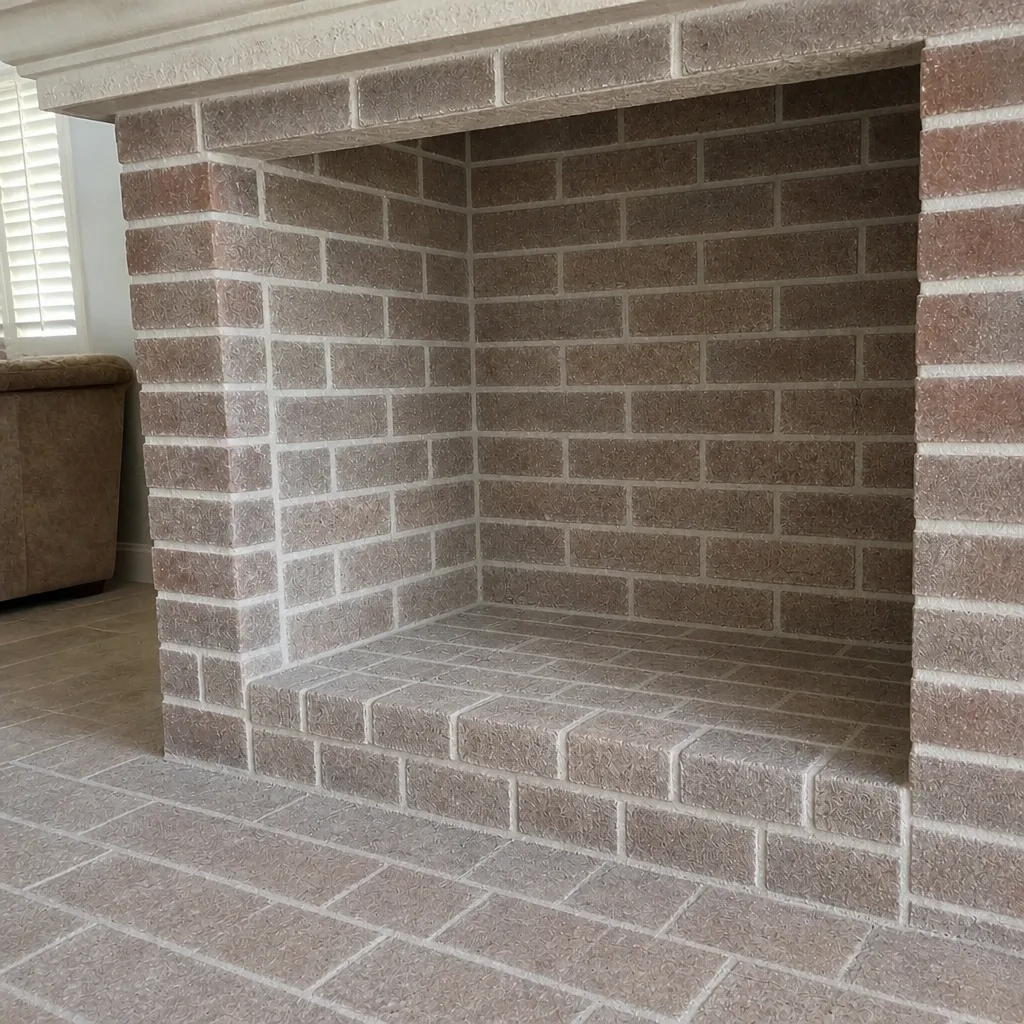
See the difference
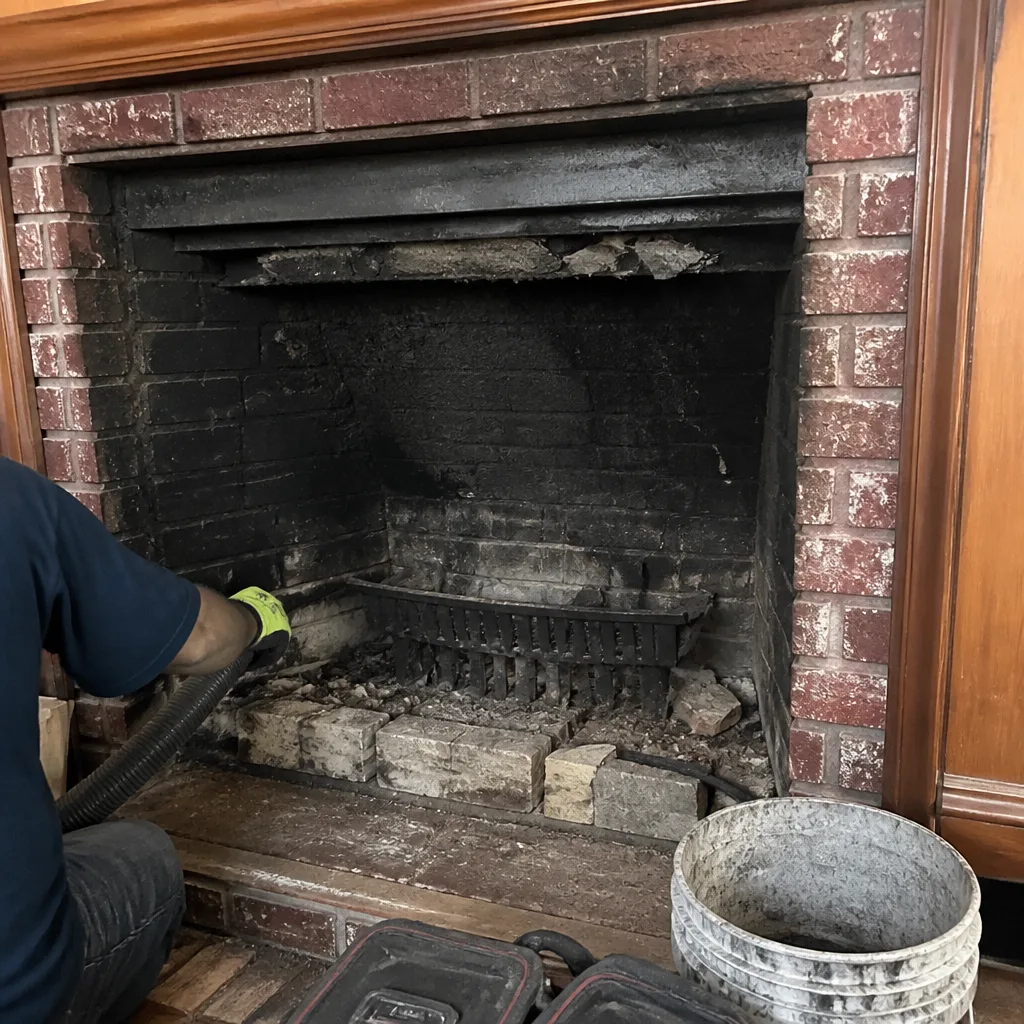 Before
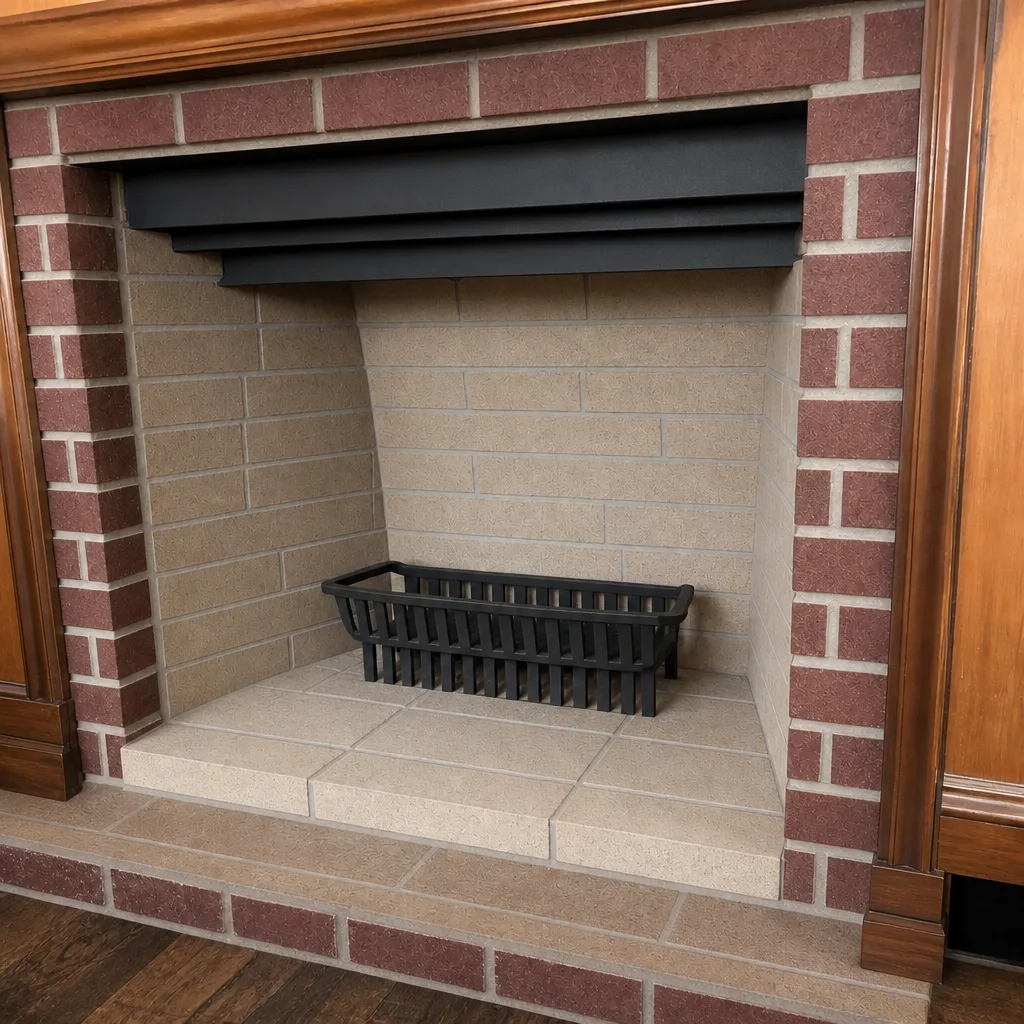 After
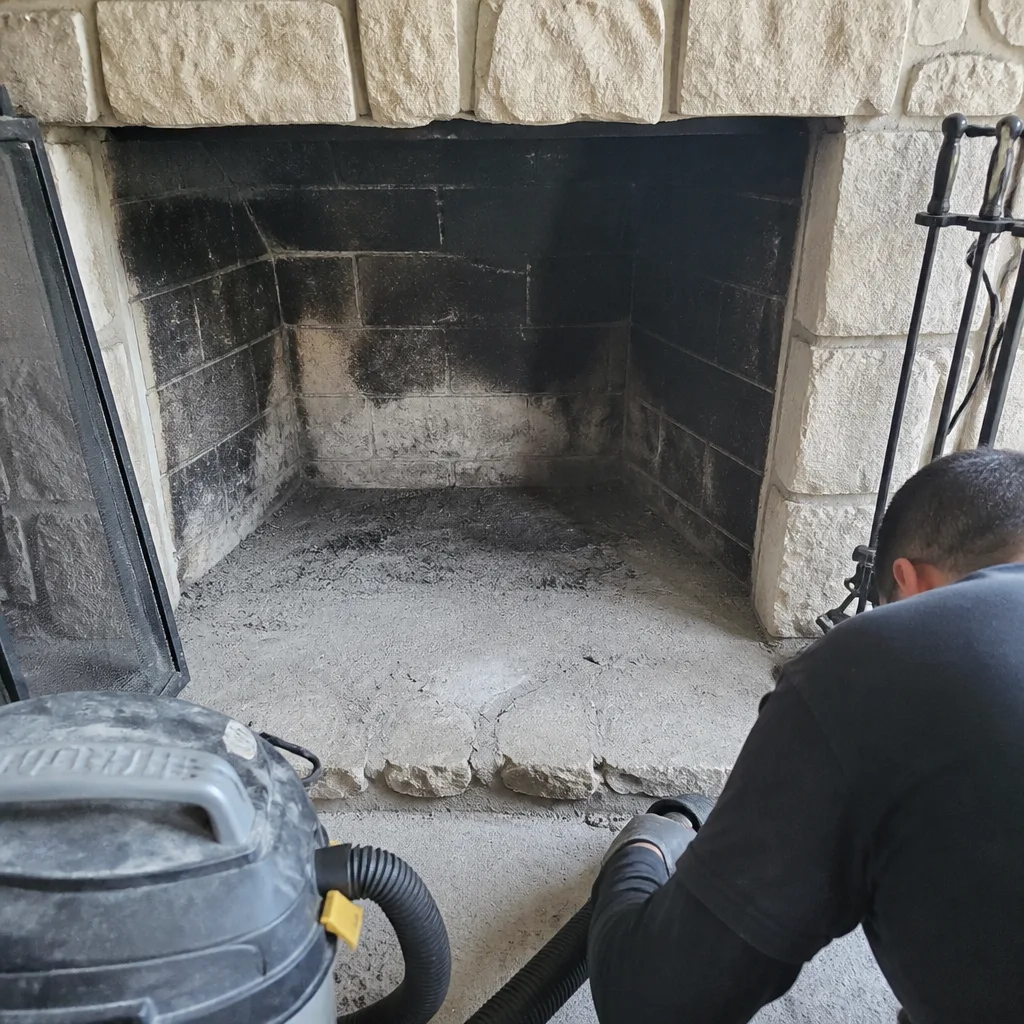 Before
 After
 Before
 After
When to Call a Professional
Call a professional when any of the following apply. You’re on a two-story home or a steep roof pitch, or you can’t reach the top of the flue from below. You see glazed, glossy, or puffy deposits in the firebox, or you can’t tell what stage you’re dealing with. Your chimney has never been inspected since you moved in. You have a gas fireplace or a prefabricated flue system. Your cap is missing or visibly damaged. You’ve had any animal activity in the flue. And always before the first fire of the season if you haven’t had the chimney checked in the past year. Chimney Sweep Cypress offers free estimates in Cypress, and we’re happy to give the honest answer about whether your chimney needs a cleaning this season or can safely wait. Call (844) 656-4099. We answer 24/7. Fast dispatch from 7am to 7pm, Sunday through Friday, closed Saturday.
Still Wondering Whether DIY Makes Sense?
If after reading all that, you’re still unsure whether your own chimney is a DIY candidate, that’s a very common place to be, and it’s the right moment to call. A quick inspection tells you more in twenty minutes than a week of researching ever will, because it’s your specific flue, your specific creosote stage, and your specific roof access. Book a fireplace repair evaluation, a full system inspection, or a routine sweep by calling (844) 656-4099. If it’s a DIY-able job, we’ll tell you. If it’s not, you’ll know exactly why, and you’ll have a plan. Every estimate is free, and the job is priced per project by written estimate before any work starts.
Frequently Asked Questions
Chimney sweeping is priced per job by estimate in Cypress, and the final price depends on your flue size, your creosote stage, and whether the job needs just a routine sweep or an inspection-plus-cleaning visit. The written estimate sets the final price, and we provide it for free before any work starts. Call (844) 656-4099 for an exact quote. Estimates are free.
Only if the chimney has a straight, single-story masonry flue, Stage 1 creosote, safe roof access, and you have the right equipment, including a properly sized brush and a HEPA-filtered vacuum. Most Cypress homeowners don’t know whether those conditions apply to their chimney, which is the reason to have it inspected before you decide.
Annual sweeping and inspection is the standard for any chimney with regular use, which for most Cypress fireplaces means once a year. If you burn frequently, burn wet wood, or use a wood stove, get it swept more often. A good rule of thumb is: when creosote reaches about a quarter inch inside the flue, it’s time. Call (844) 656-4099 to book an inspection.
Creosote builds up with every fire, and Stage 1 (dry and flaky) can advance to Stage 2 (hard and glazed) and Stage 3 (puffy and dangerous) over time. Stage 3 creosote is concentrated fuel in your chimney, and it’s the kind of buildup that can catch fire under normal conditions. A blocked or damaged flue also forces exhaust back into the home, which is a carbon monoxide risk. Skipping cleanings is the cheapest way to turn a modest project into a serious repair. Call (844) 656-4099 for an inspection before the next burn season starts.
The honest answer is: only if the evidence supports it. A damaged or cracked liner is a real problem and does need replacement, but you should always be shown the camera evidence from your own flue before anyone recommends liner work. If a contractor can’t show you what they’re seeing, or won’t walk you through why the liner needs to be replaced now rather than after another season, get a second opinion. A quality liner installation with a DuraFlex system or HeatShield resurfacing is a real fix, but you should always be able to see the evidence first. Call (844) 656-4099 for an inspection with documented findings. Estimates are free.
Legitimate DIY tasks include a visual look inside the firebox with a flashlight, checking the cap from the ground with binoculars, lubricating a stiff damper, keeping the firebox clean between burns, and watching for dark smoky exhaust that signals incomplete combustion. These are maintenance, not cleaning, but they’re useful and they help you know when something’s changed. For the actual sweep, most Cypress homeowners are better served by a professional visit.
We handle the full picture under one roof: sweeping, inspection, fireplace repair, chimney repair, and cap and crown installation. That means if the inspection turns up a problem, we’re ready to address it with the same visit, using professional-grade materials like DuraFlex, HeatShield, Gelco, and Olympia Chimney. You won’t be handed a report and told to find someone else. Call (844) 656-4099 to schedule.
The Bottom Line
DIY chimney cleaning is a real option under a very narrow set of conditions: straight masonry flue, single-story home, Stage 1 creosote, safe roof access, and proper equipment including a HEPA vacuum. It’s the wrong option the moment any one of those conditions is uncertain. The most useful thing a Cypress homeowner can do is learn to read the actual condition of the chimney inside the firebox, then let that guide the decision rather than assumptions. When in doubt, get an inspection. It costs less than a repair, it gives you the evidence behind any recommendation, and it lets you plan the work instead of reacting to it. If the inspection turns up a problem, you’ll know exactly what’s involved, and if it doesn’t, you’ll hear that too. For a free estimate and an honest assessment of your specific chimney, call Chimney Sweep Cypress at (844) 656-4099. We answer 24/7. Fast dispatch from 7am to 7pm, Sunday through Friday, closed Saturday.
Written by the team at Chimney Sweep Cypress.