
Last updated November 25, 2026
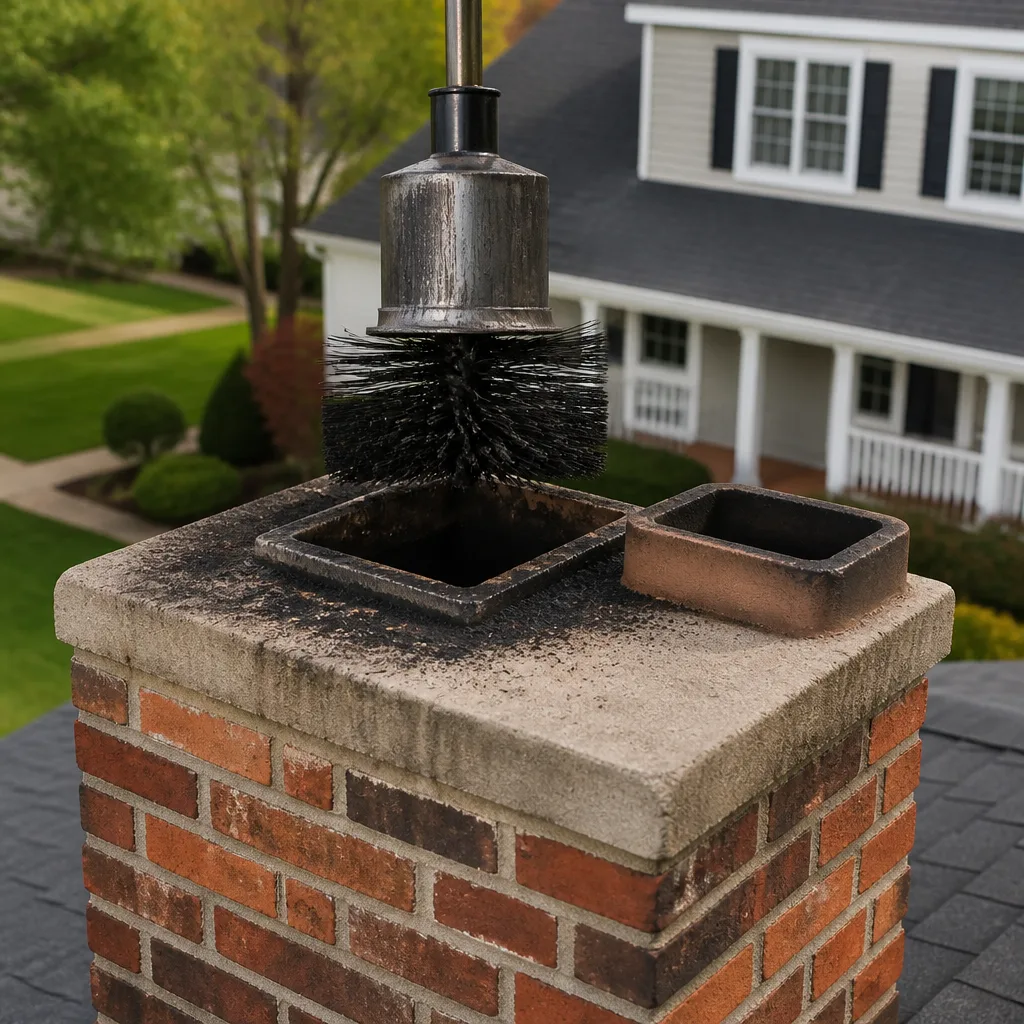 Sweep & inspection
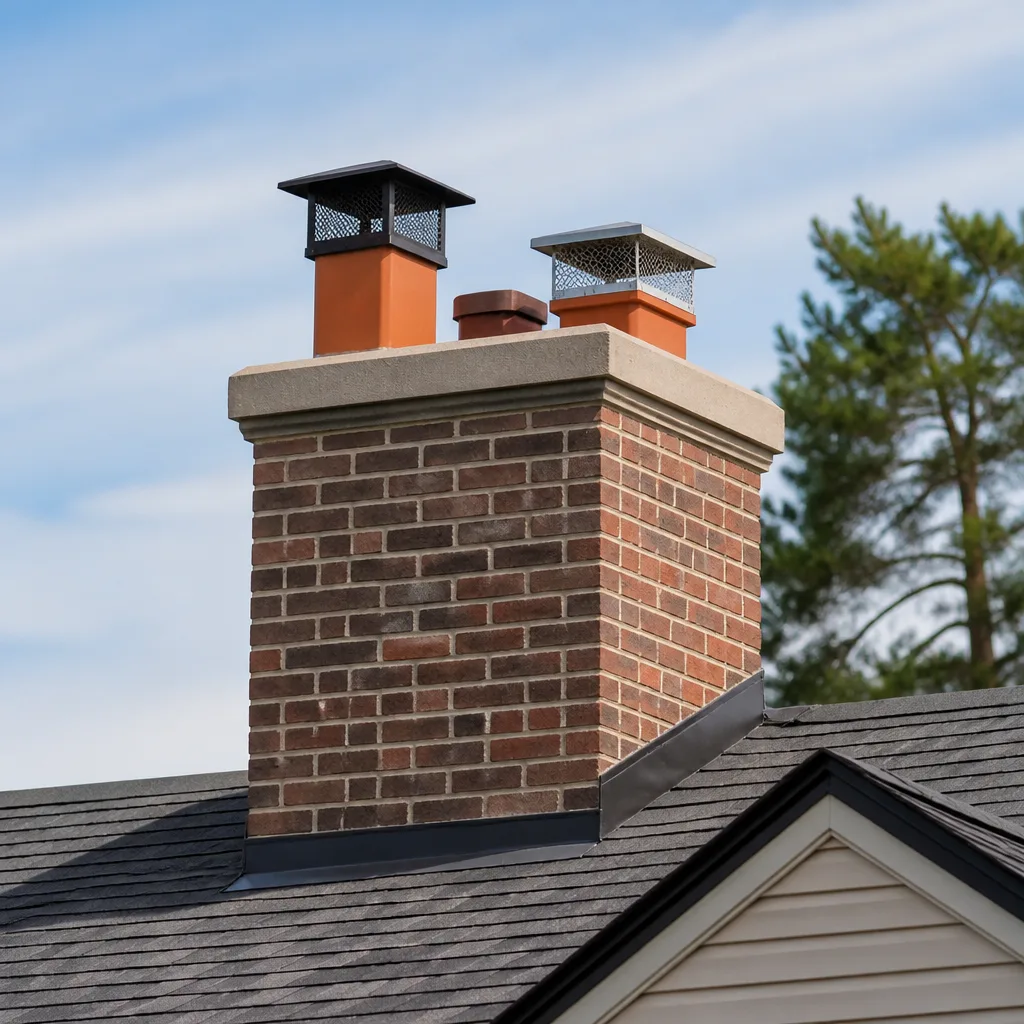 Caps & crowns
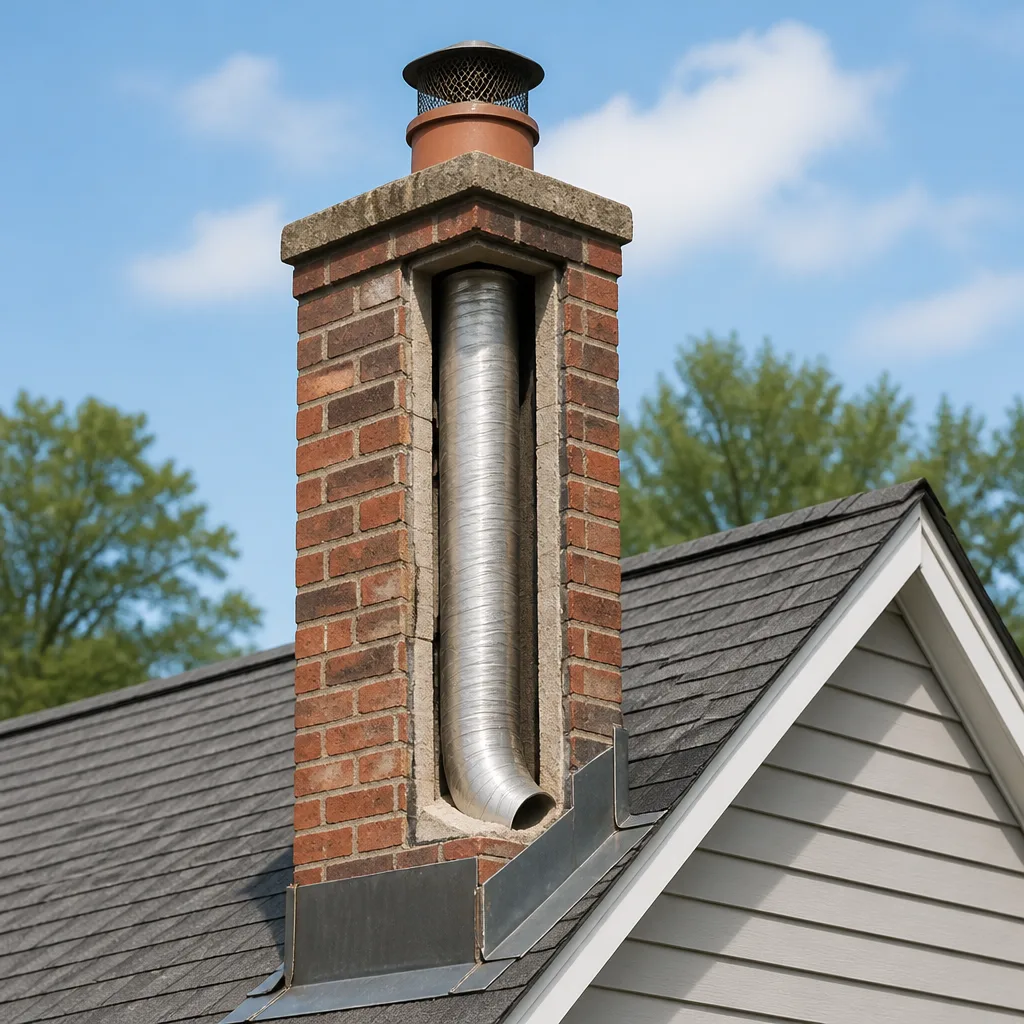 Flue relining
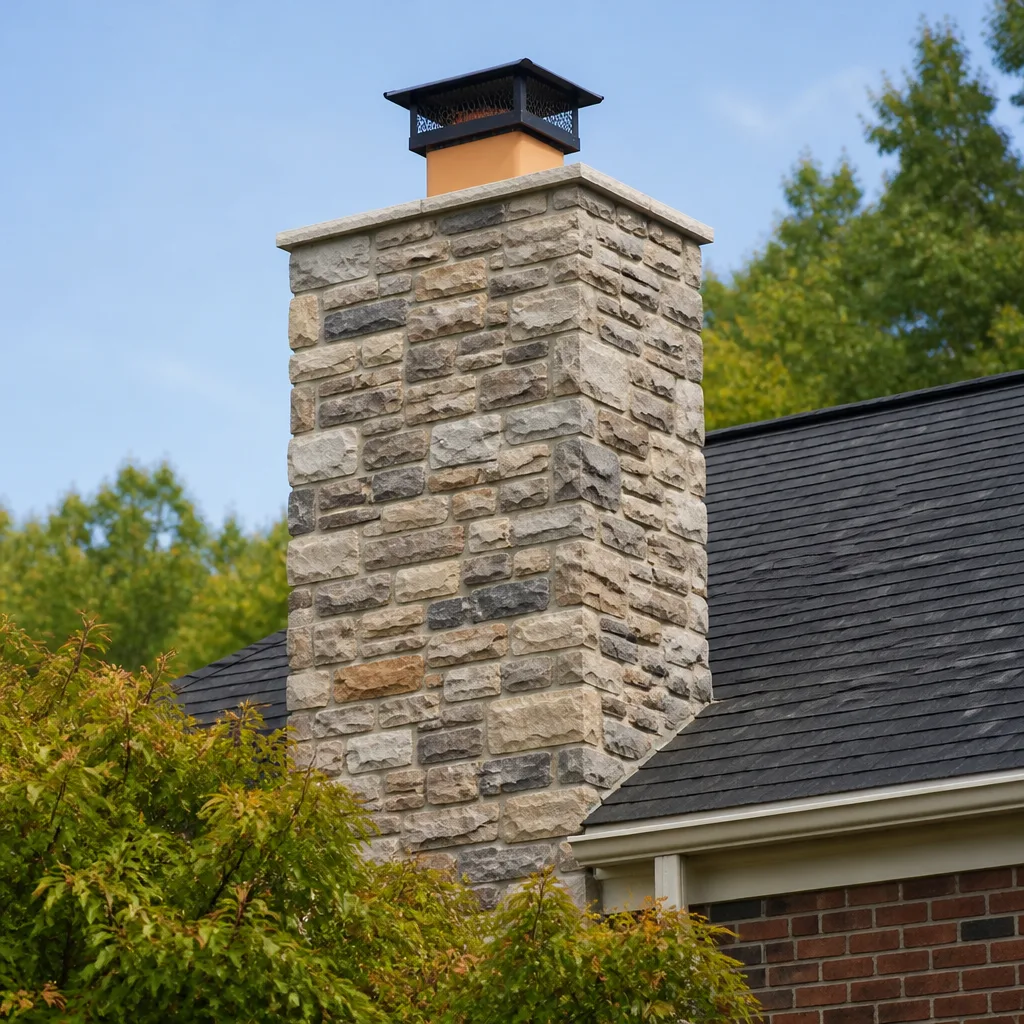 Masonry repair
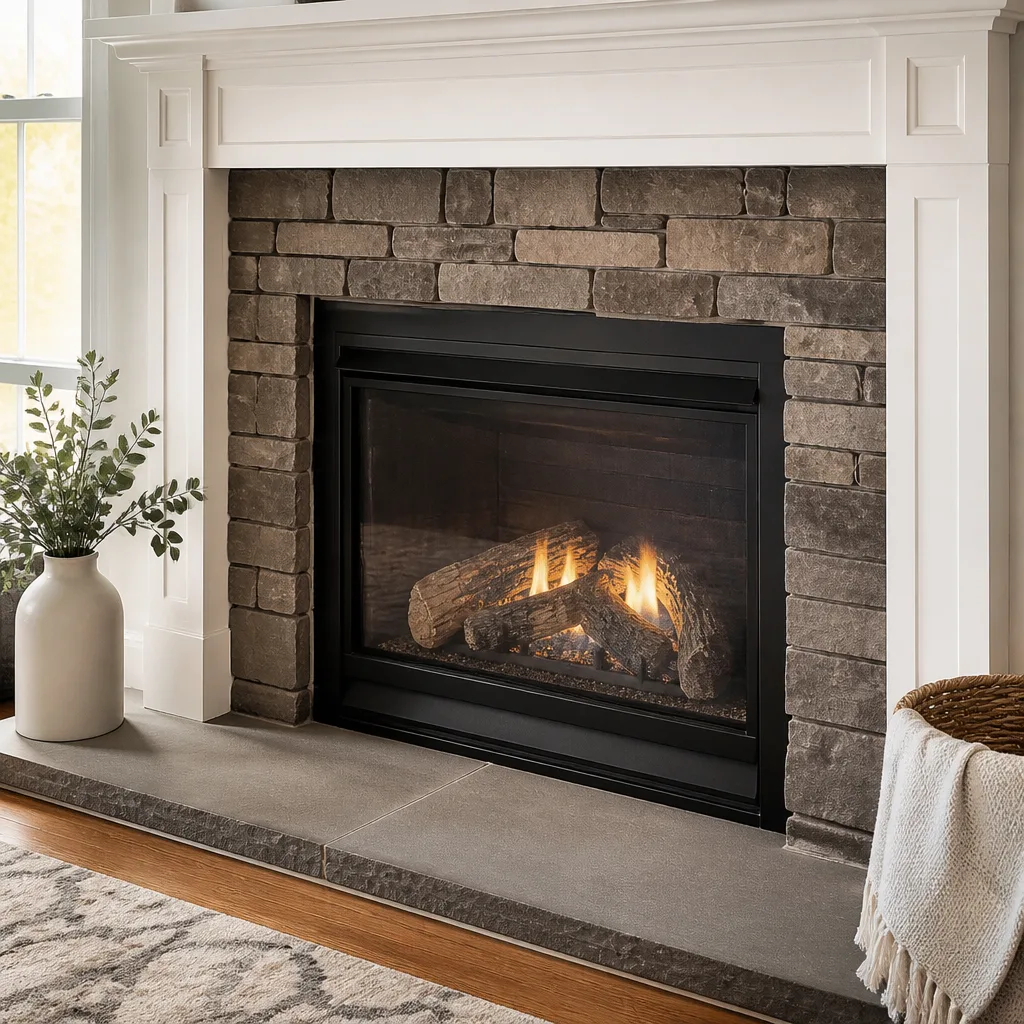 Gas fireplace service
Level 1 sweep and inspection to the NFPA 211 annual standard - flue, crown, cap, and flashing checked and photographed
Chimney sweep logs do not sweep chimneys. They loosen some creosote - which then falls where a brush and vacuum still have to collect it.
Chimney Cleaning Warning Signs: A Cypress Homeowner’s Reference Guide
The most dangerous chimney problems are the ones that look like nothing at all. A white stain on the brick reads as cosmetic. A little smoke in the room reads as a draft. A fireplace that smells in July reads as weather. In our experience, the homeowners who end up with the biggest repair bills aren’t careless people – they simply never had a reference for what a healthy chimney looks like, so they had nothing to compare against. This guide fixes that. We’ll map the eight warning signs we see most often in Cypress to the failure happening behind each one, explain which signs mean “schedule this soon” and which mean “stop using the fireplace,” and show you how to document what you’re seeing accurately enough to get a real answer before anyone climbs onto your roof.
Styles & brands we work with
- Sweep & inspection
- Caps & crowns
- Flue relining
- Masonry repair
- Gas fireplace service
Quick Answer
The warning signs that matter most are the ones you can see from the ground: white or gray staining on exterior masonry, rust or dark streaks on the firebox or damper, crumbling mortar joints, a cap that’s missing or damaged, and any odor from the fireplace when it isn’t in use. Indoors, watch for smoke spilling into the room, soot flakes on the hearth, and a fire that struggles to draw. In Cypress, the mild winters mean a chimney can sit unused for months, which lets small water and moisture problems grow quietly between burning seasons – so a spring or early-fall look at the system catches most of what matters.
Table of Contents
- What a Healthy Cypress Chimney Actually Looks Like
- The Eight Warning Signs and What’s Really Causing Them
- Cosmetic vs. Structural: Reading the Difference From the Ground
- Warning Signs Specific to Cypress Housing
- “Schedule Soon” vs. “Stop Using It Now”
- How to Photograph Warning Signs So They Mean Something
- Why Creosote Buildup Is a Different Animal
- How Often a Cypress Chimney Needs Eyes On It
- Common Mistakes to Avoid
- When to Call a Professional
- Frequently Asked Questions
What a Healthy Cypress Chimney Actually Looks Like
You can’t spot an abnormal chimney until you know an ordinary one. Here’s the baseline. A sound chimney, viewed from your yard, has crisp mortar joints that don’t recess or crumble when you look closely, brick or stucco that’s uniform in color without white bloom, and a flue you can’t see cracks or gaps in from the firebox. The firebox walls should be intact refractory surface, not crumbling or flaking. The damper should open and close cleanly and sit flush when shut.
Inside the firebox, normal means some soot deposit on the smoke shelf (it collects there), a faint smell of ash when the chimney is cold, and a fire that lights and burns upward without smoke billowing forward into the room. At the top, normal means a properly fitted cap with intact mesh, no daylight visible through the flue when you look up from below with the damper open and the room dark.
A few things that look wrong but aren’t:
- A thin, dry soot film on the firebox walls. This is ordinary residue from normal burning. It’s the flaky, shiny or tar-like deposits you should pay attention to.
- A slight creosote smell on a cold, damp morning. Aromatic, not sharp. Sharp or chemical odors are a different matter.
- Minor hairline cracks in the mortar of an older chimney crown. A crown crack can become serious, but hairline surface checks aren’t automatically structural.
The point of the baseline is to make the abnormal jump out. Cypress’s mild climate makes this harder than in colder regions – your chimney may go from October to May without a fire, so you’re evaluating a system that’s been idle for months. Here is the starting reference: whatever your chimney looks like in late spring, that’s the picture you’ll compare against when burning season comes back. If it has changed, that’s a signal.
The Eight Warning Signs and What’s Really Causing Them
Each of these is a symptom. What matters more than the symptom itself is the mechanism behind it – why the sign appears and what’s happening inside the masonry or flue to produce it. Once you know the “why,” you can tell the mundane signs from the meaningful ones.
1. White or Gray Bloom on Exterior Masonry (Efflorescence)
A white or light gray crust on brick or mortar looks like surface dust, but it means water is moving through the masonry. Water dissolves salts present in the material, then wicks to the surface and evaporates, leaving the salts behind as a crust. The bloom is only the visible end of a process that requires a path for moisture to enter the wall. By the time it’s visible from the ground, moisture has usually already worked on the internal mortar – the joints you can’t see – softening it and opening the door to spalling. Left alone, freeze-thaw isn’t the driver here; Cypress winters are too mild for that. The real damage in Cypress is moisture cycling through the wall over many months, and the faster-growing biological growth that thrives in a damp, warm climate.
2. Crumbling Mortar Joints
Mortar is the softer part of a masonry chimney, and it erodes first. Recessed joints, sandy texture, or joints that can be raked with a fingernail are a sign the mortar has lost its binding ability. A chimney that has been through repeated damp-dry cycles without repointing will show exactly this. Structural integrity lives in those joints; once they’re gone, the brick faces have nothing holding them in a straight line.
3. Spalling Brick Faces
Spalling means the front face of a brick has peeled or popped off, revealing a rough inner layer. It’s a moisture problem, not a brick-quality problem. Water gets behind the brick face, sits there, and pushes it off from the inside. Once spalling begins, the flue and the masonry surrounding it are exposed to the water that started the cycle in the first place. This is where an intact cap and crown stop being a detail and start being the boundary between a chimney and a reconstruction job.
4. Rust or Dark Streaks on the Firebox, Damper or Crown
Rust on metal components is a footprint of moisture. Streaking on the crown, rust on a damper blade, or dark drip lines running down the interior of the flue are all evidence that water has found a path in. A rusted damper can stop sealing, which lets conditioned air escape and smoke into the room. A crown that streaks is usually a crown that has lost its slope and is pooling water at the flue.
5. A Missing, Cracked or Loose Cap
A chimney cap is a small piece of metal or masonry that does a large job. It keeps rain, animals, and debris from dropping straight into the flue. When a cap is cracked, loose or gone, the inside of the chimney becomes a rain-catch. Cap and crown work are the piece homeowners tend to skip because nothing bad has happened yet – and the leading cause of chimney water damage is exactly that gap, not a dramatic storm.
6. Smoke Spilling Into the Room
A fire that sends smoke forward out of the firebox instead of up the flue has a pressure or geometry problem, not a cosmetic one. Common causes include a blocked or undersized flue, a firebox opening that’s too wide for the flue’s capacity, negative pressure from an exhaust fan or very tight home construction, or a partially collapsed flue lining. This is a mechanical stack issue, and it deserves a pro’s eye: smoke in the living room is a habitability problem and often a sign of something more serious in the flue.
7. Odor From the Fireplace When It’s Not in Use
A cold fireplace that smells strongly of creosote in warm weather is usually breathing the smell back into the house through pressure changes. The culprit is a combination of accumulated creosote on a summer-hot flue and negative pressure. This is one of the top reasons homeowners call us in July in Cypress, and it’s a genuinely useful warning sign: a smelly idle chimney often means creosote has built up to a level that warrants a sweep before the next season.
8. Soot Flakes, Staining or Glaze on the Firebox Walls
Thin, dry soot is normal. Flaking sheets of soot, shiny black glaze, or a tar-like coating on the firebox walls is not. It’s the difference between a film that will wipe off and a deposit that has been through the full creosote formation cycle. That glaze is combustible, and it means the previous burning seasons have been depositing material faster than a sweep will remove with a light brush. Our technician team has up to 12 years of experience, and glaze is the warning sign we take most seriously before anything else on this list.
Cosmetic vs. Structural: Reading the Difference From the Ground
You don’t need a ladder to tell the difference between a surface blemish and a structural problem – you need to know what to look at. Here’s a working rule to use from your yard, no rope required:
- Look at the mortar, not the brick. Brick faces usually peel off after the mortar around them has already gone soft. Recessed joints and sandy texture are the early sign.
- Trace the water. If a stair stain runs down the masonry near the flashing (where the chimney meets the roof), it’s often a flashing issue rather than a masonry issue. If it runs down the wall face in a sheet, the moisture is coming through the wall, not from above.
- Check the top of the chimney by eye, not by hand. A crown that’s flat, cracked in a line, or visibly sagging is a structural issue. A crown that has a single hairline surface check and still sheds water is usually cosmetic until a sweep sees it up close.
- Listen and watch the fire. Smoke that doesn’t leave, or a fire that keeps going out, is a flue problem. Soot that stays on the firebox wall after a normal burn is a deposit problem. Neither is cosmetic.
A simple decision framework:
- Likely cosmetic: minor surface dust, a single hairline in the mortar of the crown, a slightly dulled brick face, a well-fitting cap with a small amount of surface rust but intact mesh.
- Likely structural: blooming efflorescence plus recessed mortar joints, spalling brick faces, a crown that’s cracked through the middle or missing a chunk, flashing that’s pulling away from the chimney, rust streaks inside the flue, any smoke spilling into the room.
The distinction isn’t about severity of appearance. It’s about which failure is already in motion. Water through masonry is structural even when it looks harmless, and a chimney with a great-looking outside can have a cracked flue lining inside that no yard inspection will see.
Warning Signs Specific to Cypress Housing
Cypress’s housing stock is not the same as a 100-year-old snow-belt town, and neither are its warning signs. Two features push to the front here.
Stucco-Clad Chimneys Hiding Brick Deterioration
A stucco finish is popular on Cypress homes and it’s a good look – but it’s also a mask. A sealed stucco skin can hide the early signs of what we’d normally see as blooming or spalling brick underneath. When a stucco-clad chimney has a moisture problem, the first sign is often a soft spot, a crack running along a stress line, or a stain on the stucco rather than on brick. If your stucco chimney is more than a few years old and you’ve never had the masonry checked, a crack in the finish is a prompt for a proper inspection rather than a paint touch-up.
Older Prefab Fireplace Units Nearing Rated Lifespan
Many Cypress homes have modern prefabricated fireplaces built into a framed chase rather than a full masonry chimney. These are efficient and cost-effective, but they have a rated lifespan, and the metal flue and firebox lining can lose integrity long before the outside looks worn. Signs that a prefab is nearing the end of its rated life include rust streaks in the firebox, cracking or flaking of the firebox liner, a chase that looks like it’s sagging, and the chimney cap loosening from its housing. When a prefab unit is past its service window, repair decisions change: some can be relined with a system like DuraFlex, and some need the unit replaced entirely. That distinction is a professional’s call, but the warning signs above are the ones to track from home.
One thing Cypress homes share with almost every warm-climate market: season-to-season dormancy. The chimney sits cold for months, moisture from the wetter months works on it, and the first fire of the season is when a lot of problems announce themselves. Running the fireplace a few minutes before the season’s first real fire, and watching the draw, gives you a quick early read.
“Schedule Soon” vs. “Stop Using It Now”
This is the question we get asked most often in plain English: “Can I still use my fireplace?” The answer depends on which warning sign you’re looking at, and getting it wrong in either direction has a cost – either you burn a chimney that shouldn’t be burned, or you stop using a fireplace that’s fine to use until the appointment.
Stop using the fireplace and book an inspection before your next fire if you see:
- A heavy, shiny or tar-like glaze on the firebox walls (creosote in its third stage)
- Smoke spilling into the room when you burn
- A strong chimney smell indoors when the fireplace is off
- Visible cracks or gaps in the flue lining, or daylight visible through it
- A collapsed or obstructed cap that lets rain or animals into the flue
- A firebox wall that’s crumbling, flaking, or has lost its refractory face
Schedule an inspection soon but can keep using the fireplace carefully if you see:
- Efflorescence on the outside masonry with otherwise sound joints
- A single hairline crack in the crown that still sheds water
- Mild surface rust on a damper that still opens and closes
- A cap that’s intact but slightly loose
The dividing line is often not “how bad does it look,” but “is it actively letting water or hazard into the system.” A glazed firebox is a reason to stop burning even if the outside of the chimney looks perfect. A stained crown is a reason to schedule, not a reason to close the damper for good. When the sign is in the “stop” list, use it as information, not as alarm: a chimney inspection is a diagnostic appointment and a sweep is a routine one, and neither is a re-roof. For more detail on what an inspection actually covers, our chimney sweep page walks through what gets evaluated and why.
How to Photograph Warning Signs So They Mean Something
A photograph taken with no scale or reference is almost useless for a remote assessment. A contractor looking at a picture of a stain can’t tell whether it’s two inches or two feet tall. Here’s the way to capture warning signs so a pro can look at them before the site visit and tell you whether you’re in “schedule” or “stop” territory, with a real answer instead of a shrug.
- Wide shot first, then close-up. Take one photo from your yard that shows the full chimney from ground at an angle, then a tight shot of the specific area. The wide shot gives context; the close-up shows detail.
- Include a scale object in the close-up. A coin, a ruler, a pen – anything with a known size – laid next to the crack or joint gives the photo meaning.
- Photograph the firebox from the opening of the firebox. With the fire well out and the chimney cold, take a shot of the firebox wall, the smoke shelf, and the damper blade. Rake light across them with a flashlight to make the glaze or rust show.
- Photograph the cap area from below, looking up the flue. If you can see daylight at the top of the flue with the damper open and the room darkened, that’s a photo worth taking.
- Take a photo of the roof line where the chimney meets the roof, if you can safely shoot it from the ground at an angle. You’re looking for the flashing and the crown in one picture. Don’t climb; a zoom image from the yard is fine.
- Add a short description to each photo. “Crown, west side, crack runs from the flue to the edge.” The words orient the photo more than the image alone.
- Note the date and whether the chimney was last swept. If you know when it was last cleaned, that single line of information changes how a pro reads the deposit level in your pictures.
Send those photos to your contractor before the visit. A sweep who has seen your chimney pictures can usually tell you whether you’re looking at something routine or something that needs a full chimney repair assessment on arrival, which helps them schedule the right amount of time and the right materials.
Why Creosote Buildup Is a Different Animal
Creosote is the deposit that forms when fire byproducts cool as they travel up the flue. It deposits in three broad forms, and each is a different signal:
- First stage – soot and light ash. Wipes or brushes off easily. Normal. No concern beyond a routine sweep.
- Second stage – flaky, dry, crusty. Puffs up like a dry sponge and comes off in flakes. It’s the sign that your burning pattern or the flue’s draw is leaving material behind, and it’s a normal target for a sweep.
- Third stage – shiny, glazed, tar-like. Pens or brushes skid across it. It’s the hardest to remove and the most combustible. This is the deposit stage that warrants stopping use until the flue is cleaned and inspected.
Why this matters more in Cypress than you’d guess: mild weather means the flue is often cold when you start a fire, and a cold flue gives the smoke more time to cool on its way up, which deposits creosote faster than a hot running flue. Burning “short, hot” to heat the flue first is a good habit. The deposit that builds over a few months of intermittent fires is what you can’t see from the ground; the surface streak on the firebox is what gives you a hint.
Creosote size is not a measure of a healthy chimney – a large firebox with a light deposit can be less of a problem than a small firebox with glazed walls. If your deposit has reached the shiny stage, stop burning and book a professional sweep. Our team handles creosote removal alongside fireplace repair so a glaze problem doesn’t get treated in isolation. For an explanation of what a proper sweep actually involves, see the Chimney Sweep Cypress overview page.
How Often a Cypress Chimney Needs Eyes On It
A general rule that holds up in practice: an annual inspection, and a sweep whenever the deposit level calls for it. In Cypress, the practical timing is before the fire season starts, which in a mild climate is roughly late October – late enough to catch anything the wetter months have done, early enough to have the system ready.
Two exceptions shorten that interval:
- After any event that could have disturbed the chimney. A chimney cap that’s been knocked loose, a storm that’s taken shingles off the roof near the flashing, or visible damage from the ground are all reasons to get an inspection early, regardless of the calendar.
- When the burning season ends. A post-season look catches what the last few months of burning left behind before the dormant season. Many Cypress homeowners find that the “smelly in July” episode disappears once the chimney has had a post-season sweep.
If your chimney has a stucco finish, a prefab firebox past its rated life, or a history of glazed creosote, an annual visit from someone who can connect what they see to the repair behind it is worth the calendar reminder. We say “connect to the repair” deliberately: a chimney sweep who can’t also handle a crown, a cap, or liner work leaves you coordinating a second contractor. That’s why our work runs from cleaning through chimney repair to cap and crown installation, and why we keep professional-grade materials – systems like DuraFlex flexible liners and HeatShield resurfacing compounds, along with components from Gelco and Copperfield – on hand for the moment an inspection turns into a repair.
Common Mistakes to Avoid
- Treating efflorescence as a paint problem. White bloom isn’t a stain to spray off – it’s a moisture signature, and painting over it traps the water. If you see bloom, look at the mortar joints and the cap and crown.
- Assuming a clean firebox means a clean flue. The firebox is the room; the flue is the pipe. A firebox can look spotless while the flue carries creosote above the damper. Sweeps clean the flue, not just the visible opening.
- Burning before the flue is inspected because “the fire looks fine.” A fire can look perfect and still be running up against a blocked or cracked flue. The whole reason for a sweep is to see what you can’t see when you light it.
- Skipping the cap because it “doesn’t affect the fire.” It affects the chimney housing, the flue, and the damper. Water in the flue is one of the leading causes of chimney damage, and the cap is the boundary against it.
- Doing the roof work yourself. A roof inspection or cap installation is height work, and it’s a job for someone with the right access and fall protection. A chimney sweep inspection can be booked without you ever setting foot on a ladder.
- Myting the “stucco looks fine” pass. Stucco on a Cypress chimney can hide internal brick deterioration. If you have a stucco-clad chimney and no inspection history, treat your first look as the starting point, not the all-clear.
- Calling for a sweep only after the house smells like smoke. By the time the house smells, the problem is usually a deposit or pressure issue that’s been building for months. A pre-season inspection flags it when it’s a sweep, not a repair.
When to Call a Professional
Call a chimney professional now, before your next fire, if you see any of these: smoke spilling into the room, a strong creosote smell when the fireplace is off, a shiny or glazed firebox, crumbling firebox walls, visible cracks or daylight through the flue, a crown that’s cracked all the way through, or spalling brick on the exterior. Those are the “stop” signals, and every one of them is a reason to have a trained technician look inside the flue, not just at the fireplace. If your only sign is a white bloom on the outside masonry or a hairline in the mortar, that’s a “schedule soon” call – it’s information, and it can usually wait for the next scheduled sweep unless the joints are soft or the crown is failing. In Cypress, chimney concerns run into spring and summer months just as often as fall, because that’s when the dormant chimney shows off what it’s been doing all winter. Chimney Sweep Cypress offers free estimates in Cypress – call (844) 656-4099. We answer 24/7. Fast dispatch from 7am to 7pm, Sunday through Friday.
Frequently Asked Questions
The four most serious are smoke spilling into the room, a shiny or glazed firebox wall, visible cracks or gaps in the flue lining, and a strong creosote smell inside the house when the fireplace is off. Each of these points to a live deposit, obstruction or flue integrity problem – not a cosmetic issue. Call (844) 656-4099 for an inspection before your next fire; estimates are free.
You look at the mortar, not the brick, and you look at whether water is actively entering the system. Recessed, sandy or crumbling mortar joints, spalling brick faces, a crown that’s cracked through or missing a piece, and staining that runs in a sheet down the wall are structural signs. Surface dust, a single hairline surface check in the crown, and a slightly dulled brick face are generally cosmetic until a sweep confirms it. If you can photograph the sign with something for scale, a pro can give you a meaningful answer before the visit. Call (844) 656-4099 if you’d like us to look at what you’ve photographed; estimates are free.
Yes. Mild winters don’t reduce creosote buildup; if anything, they let a cold flue sit longer, and a dormant chimney gives moisture a season’s worth of time to work on the masonry and crown without any fire to burn it off. The Cypress climate is gentle on the house but not on a chimney that’s sitting unused. Call (844) 656-4099 to schedule a sweep before the next season; estimates are free.
Once a year for an inspection, and a sweep whenever the deposit level needs it. In practice, an annual pre-season inspection is the anchor: it tells you whether this year is a sweep year or a repair year. A chimney with glazed creosote, a stucco exterior or a prefab firebox past its rated life is the kind that benefits most from keeping the annual appointment. Call (844) 656-4099 for a free estimate on an inspection; we’ll tell you what we see before recommending anything.
Creosote accumulates faster than it burns off, and a chimney with enough of it is one fire away from a chimney fire – which is a serious hazard, not a nuisance. The other path is quieter: moisture finds its way through an unmaintained cap or crown, the masonry softens, and what was a routine sweep turns into a structural repair. Neither is speculation – they’re the two failure modes a warning sign is telling you about before they happen. If you’ve skipped seasons in Cypress, call (844) 656-4099 and get the system looked at; estimates are free.
It depends on which sign you have. If your only observation is exterior efflorescence, a hairline in a sound crown, or a slightly loose cap, careful use is usually fine while you schedule. If you have smoke spilling into the room, a shiny or tar-like firebox, a creosote smell when the fireplace is off, or a visible crack in the flue, don’t burn until it’s been inspected. Call (844) 656-4099 and we’ll help you sort your warning signs into the two groups; estimates are free.
The Bottom Line
Chimney warning signs are not a mystery once you have a baseline to compare against. White bloom means water is moving through the masonry. Crumbling mortar and spalling brick mean the joints have already lost the fight. Rust streaks, a loose cap and a cracked crown mean moisture is getting into the flue. Smoke in the room and a glazed firebox are the two signs that say stop burning now, not eventually. In Cypress, the mild climate and the long dormant season are a reason to look, not a reason to relax. Photograph what you see, add a scale, get a professional’s eyes on it before the season starts, and treat the warning signs as information you can use rather than a judgement you have to fear.
If any sign in this guide has you wondering, call (844) 656-4099 for a free estimate. We’ll look at the firebox, the flue, the crown, the cap and the flashing, tell you plainly what’s cosmetic and what’s structural, and put the repair in writing before any work begins. Our technicians have up to 12 years of experience and work full-system, from the firebox to the cap, so the person who diagnoses the problem is the person who fixes it.
Written by the team at Chimney Sweep Cypress.
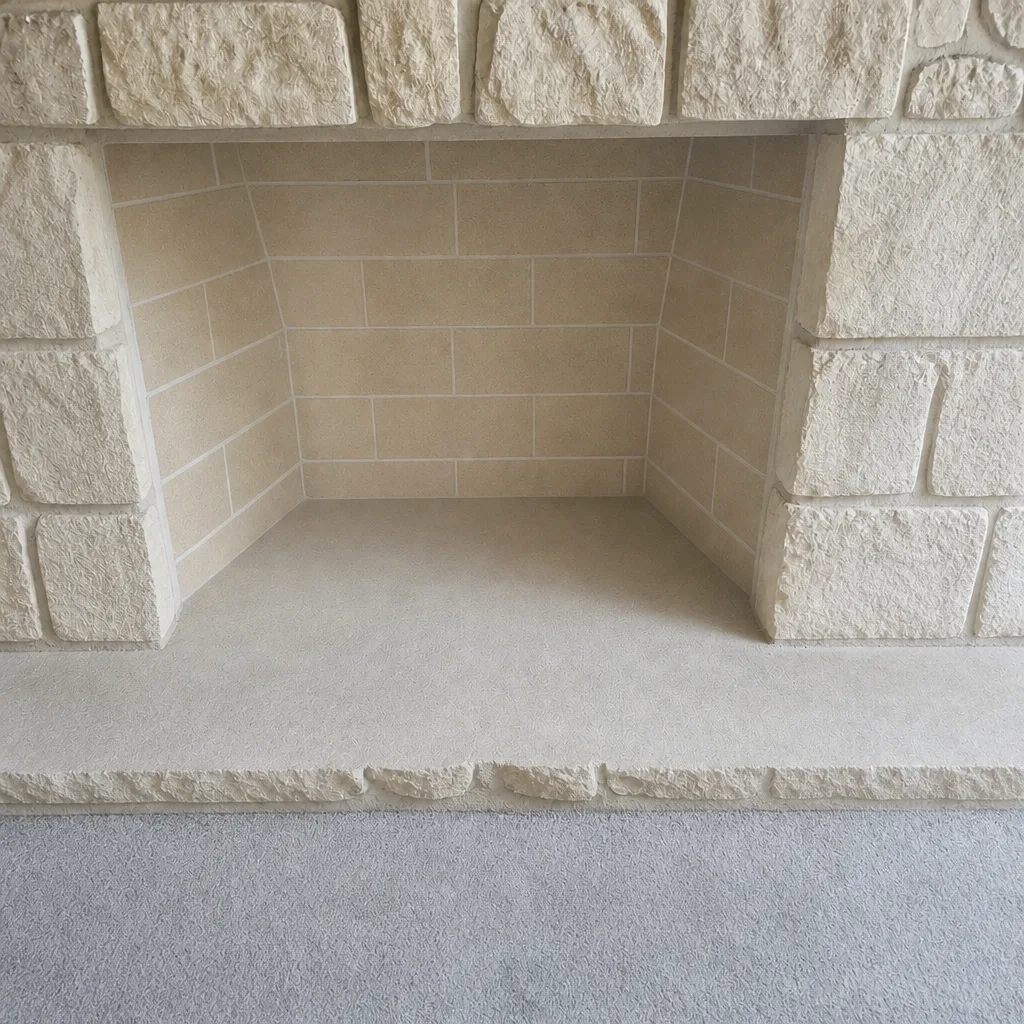
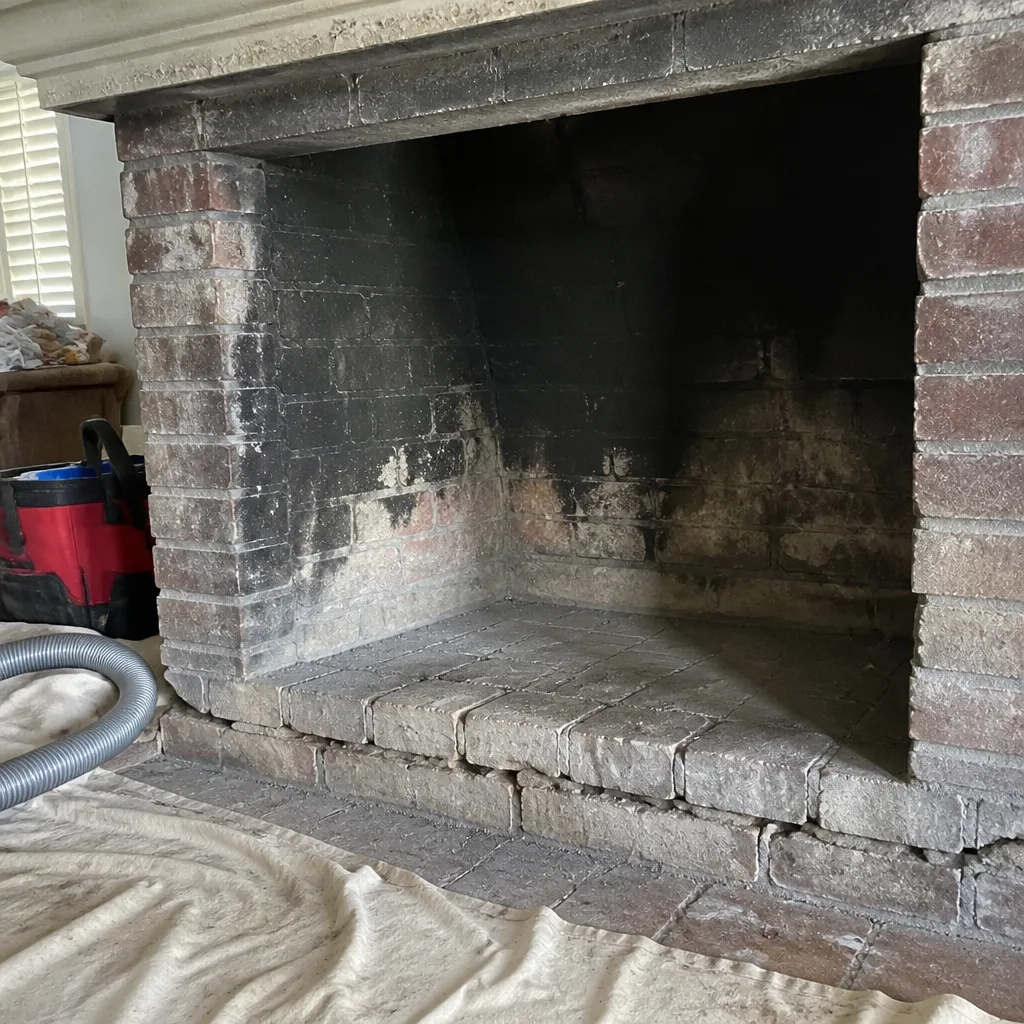
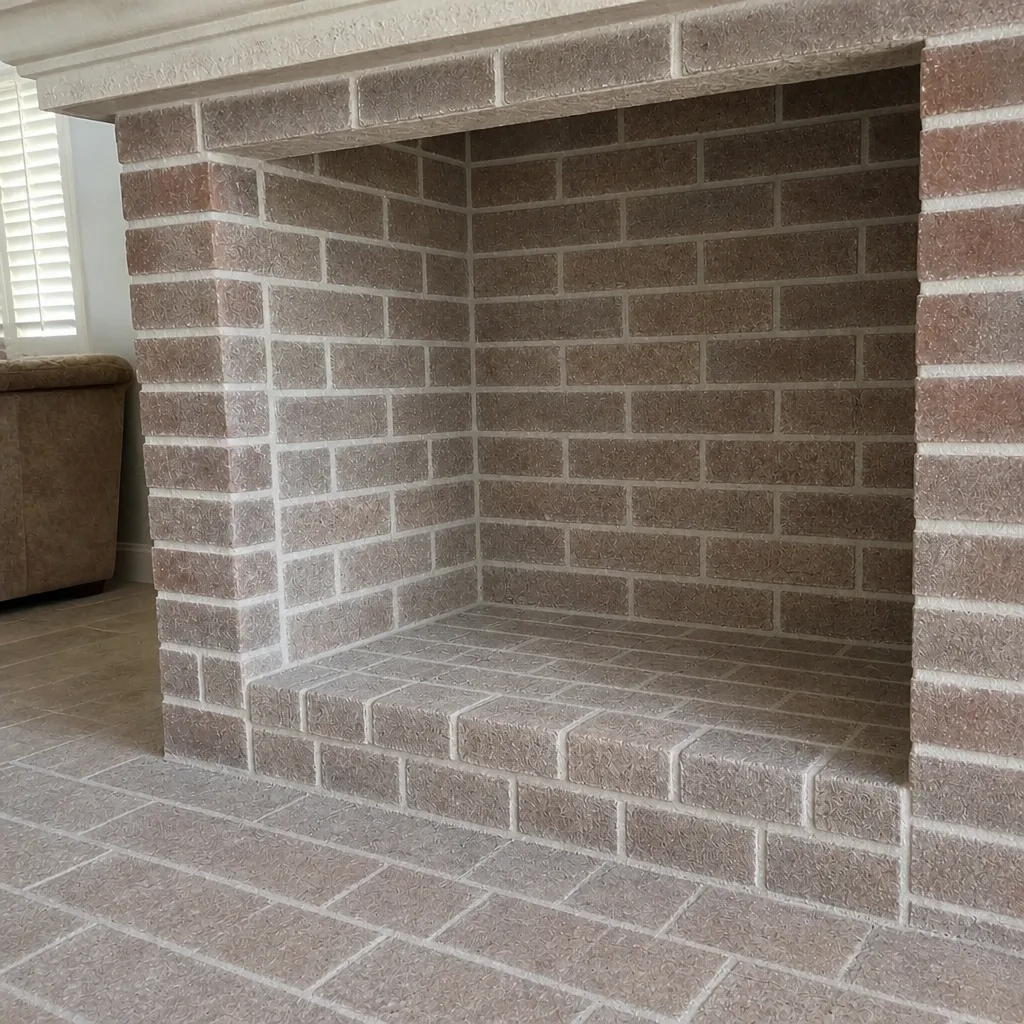
See the difference
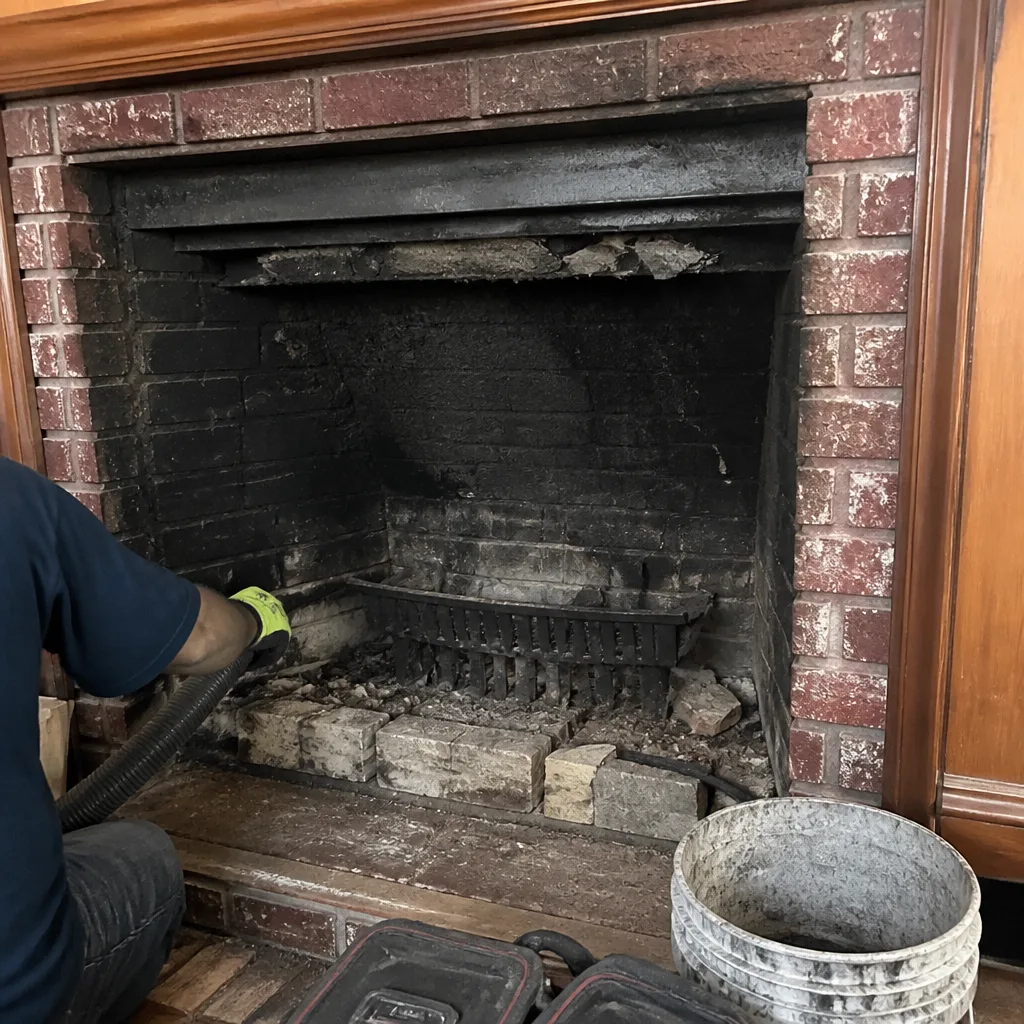 Before
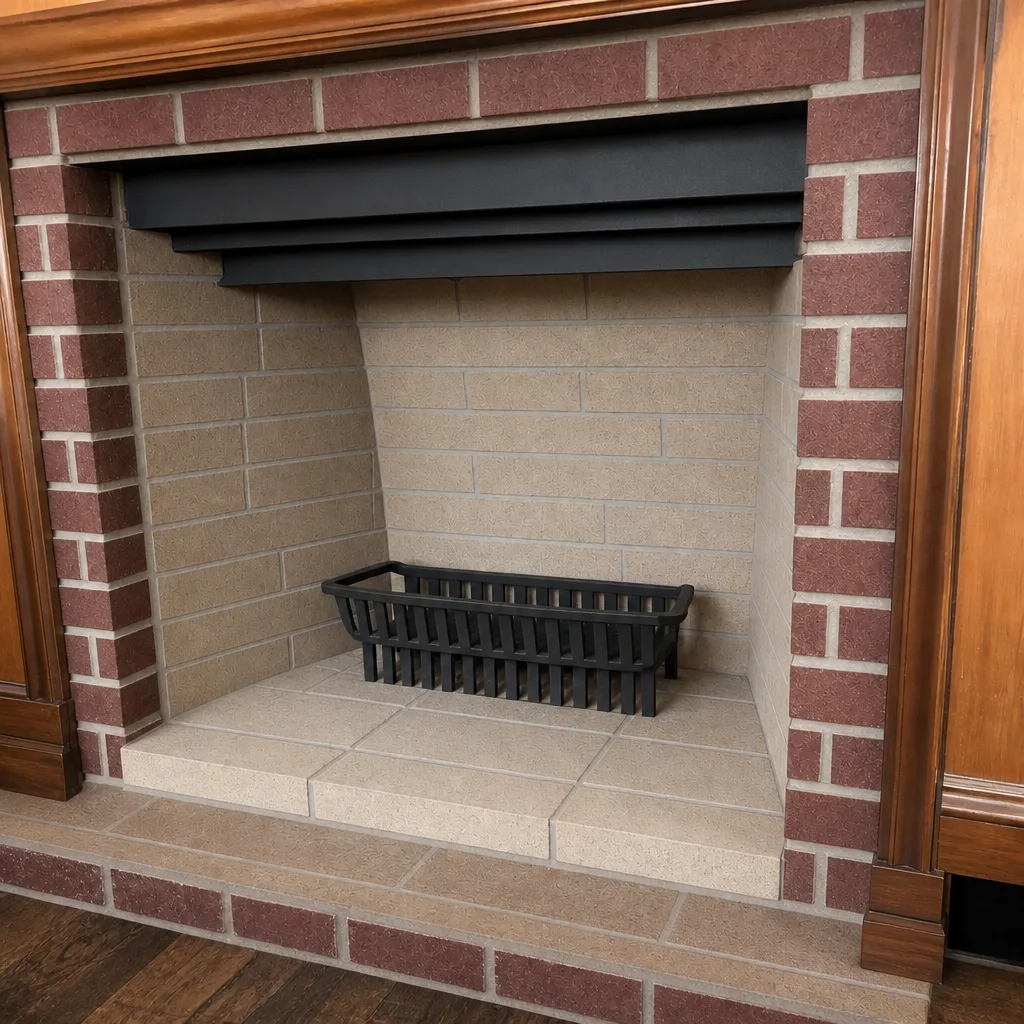 After
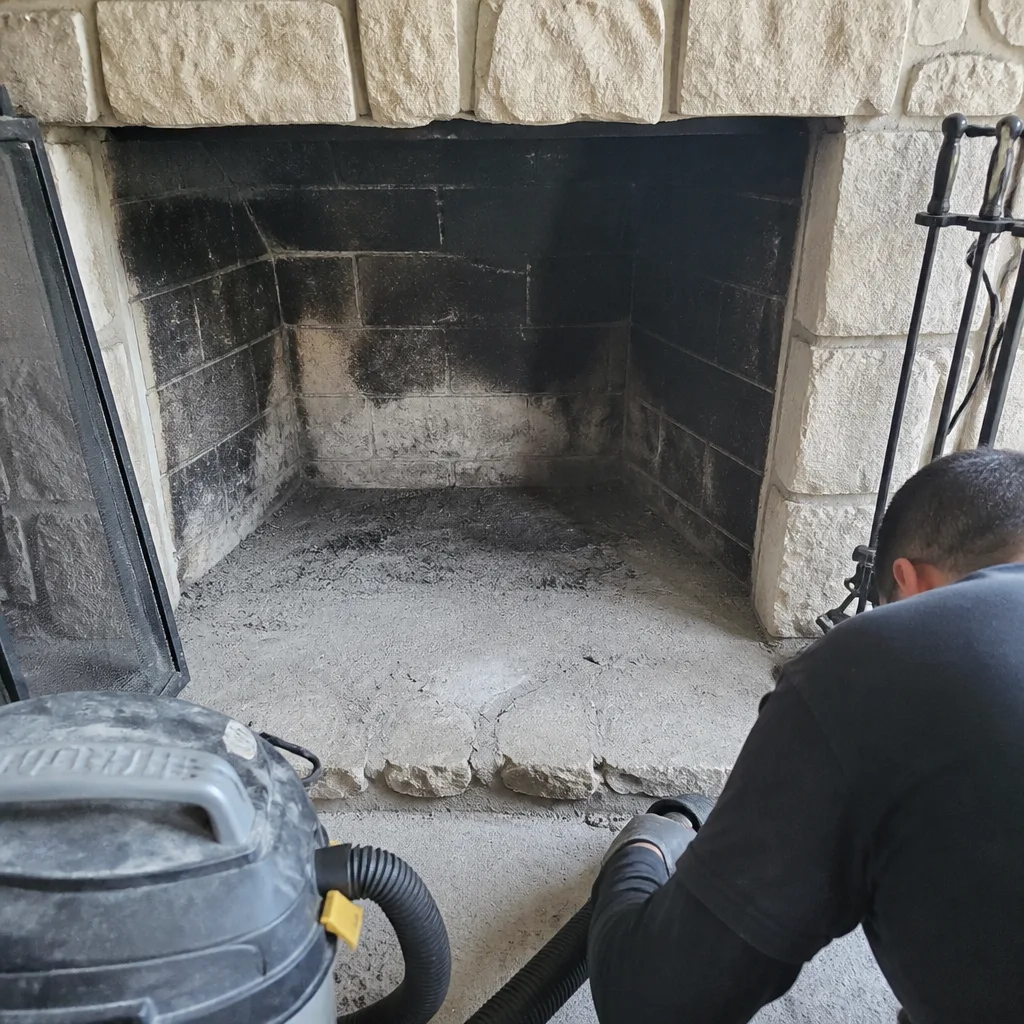 Before
 After
 Before
 After