
Last updated November 25, 2026
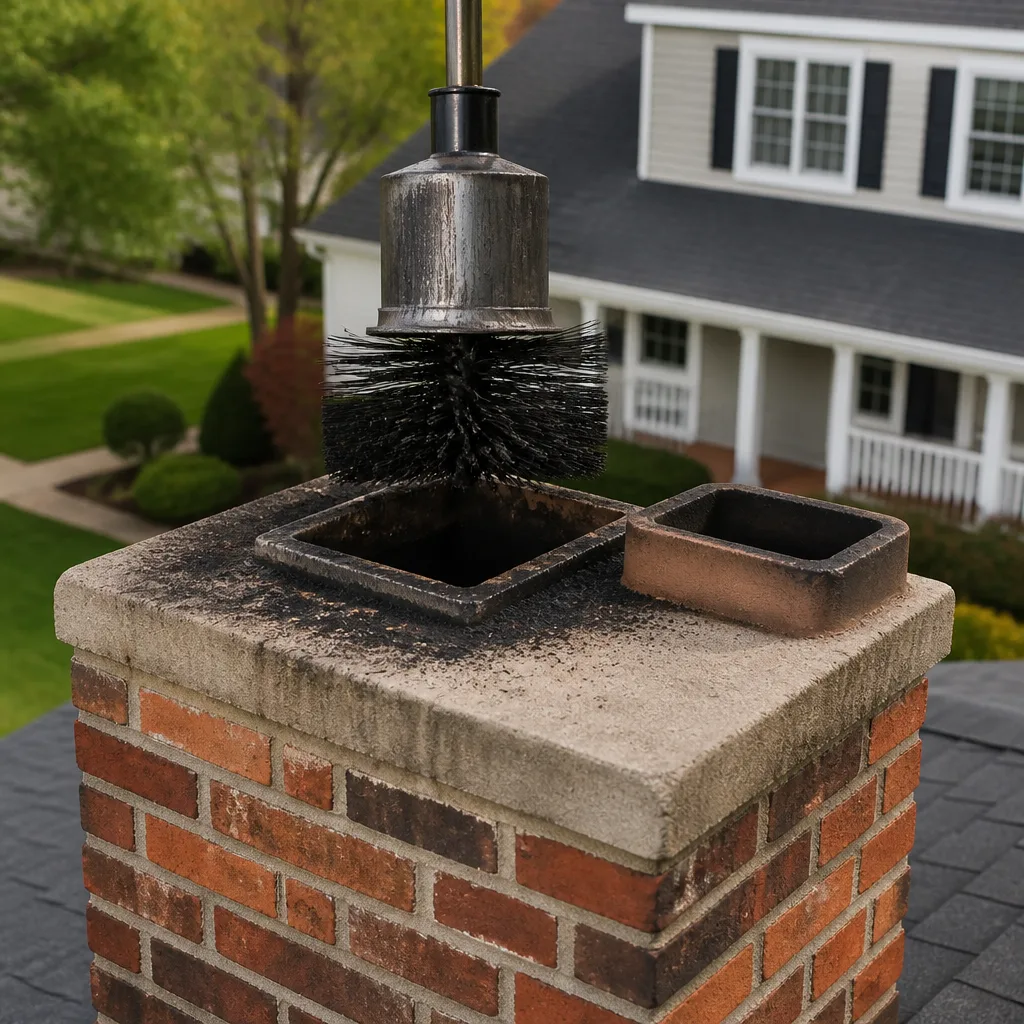 Sweep & inspection
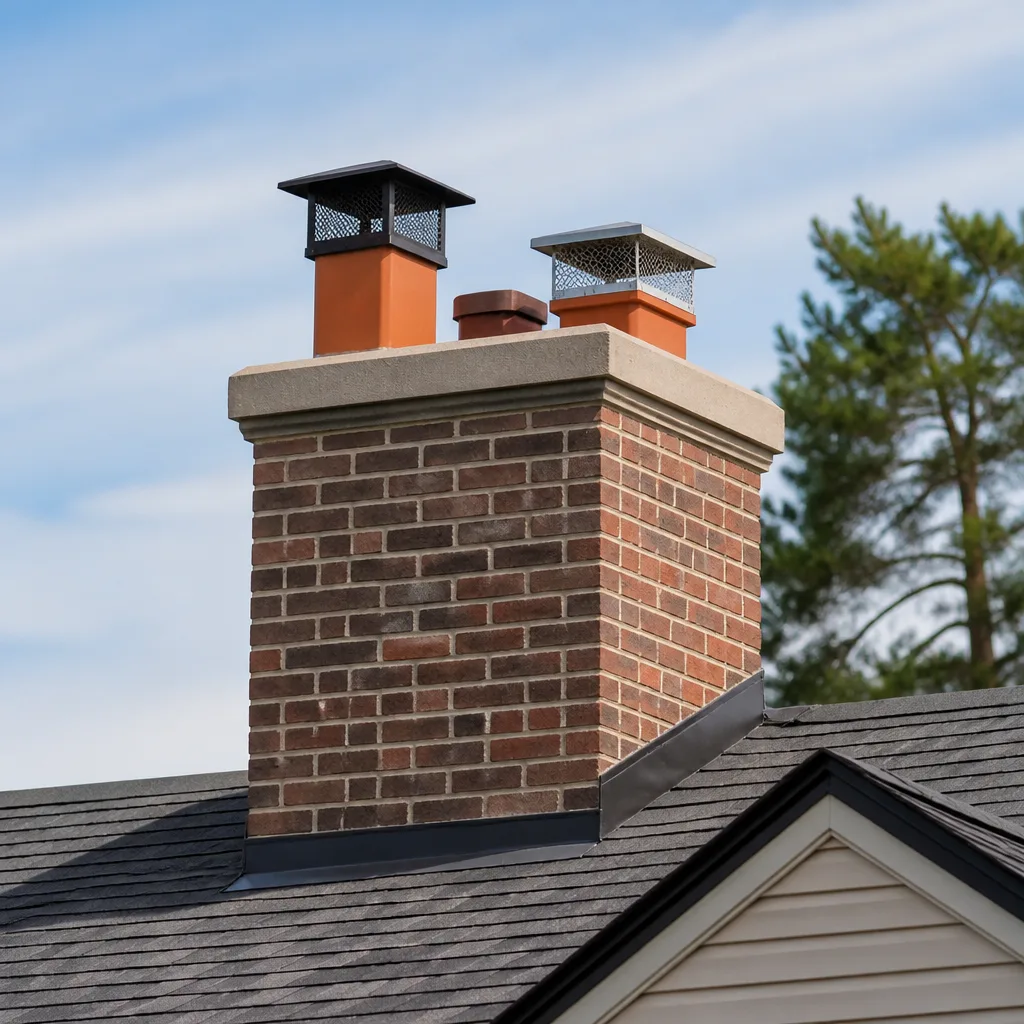 Caps & crowns
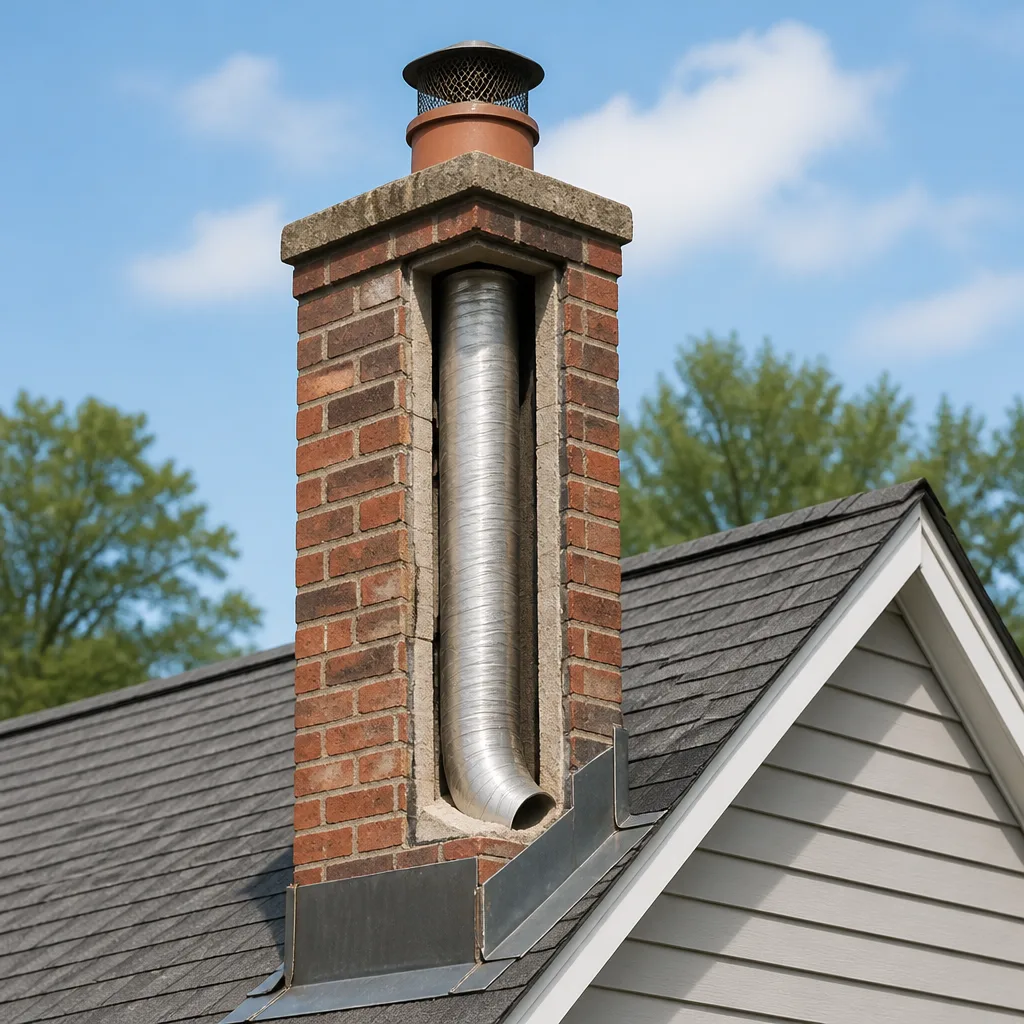 Flue relining
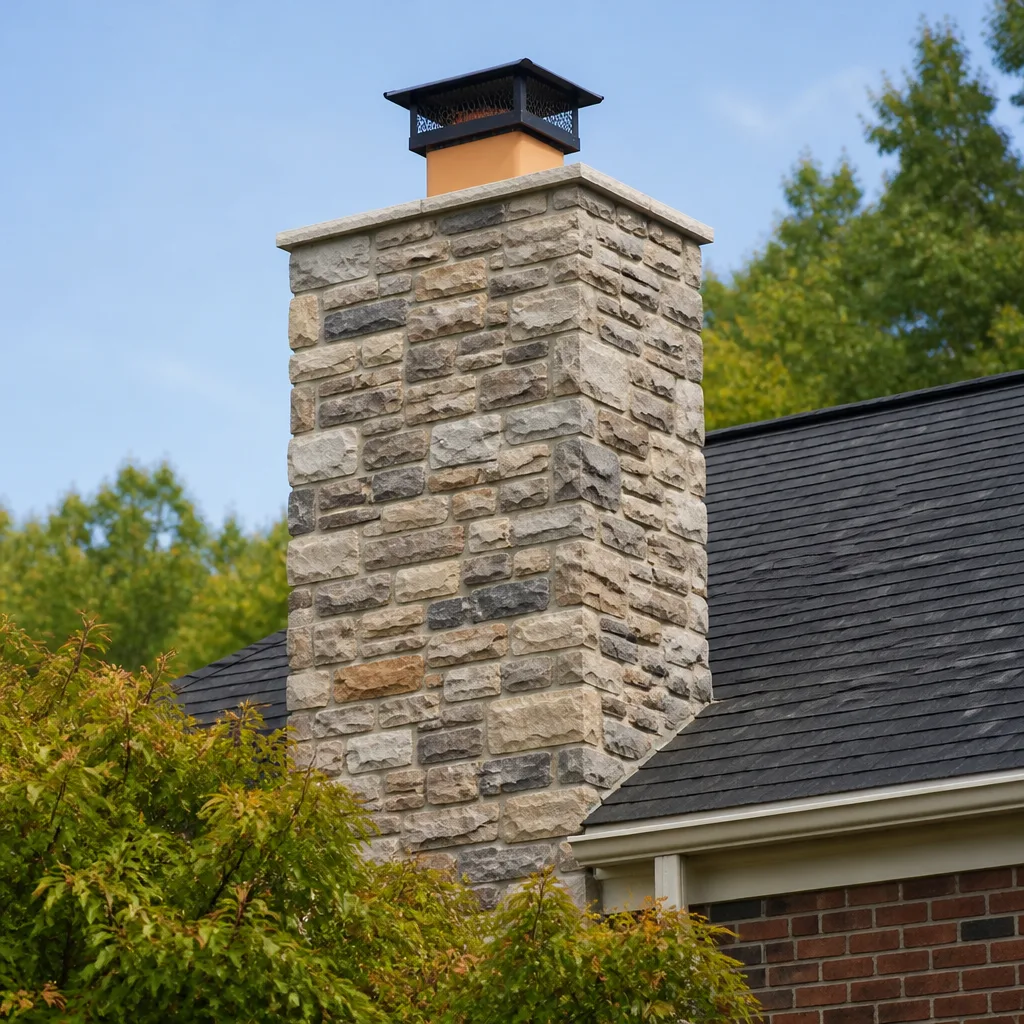 Masonry repair
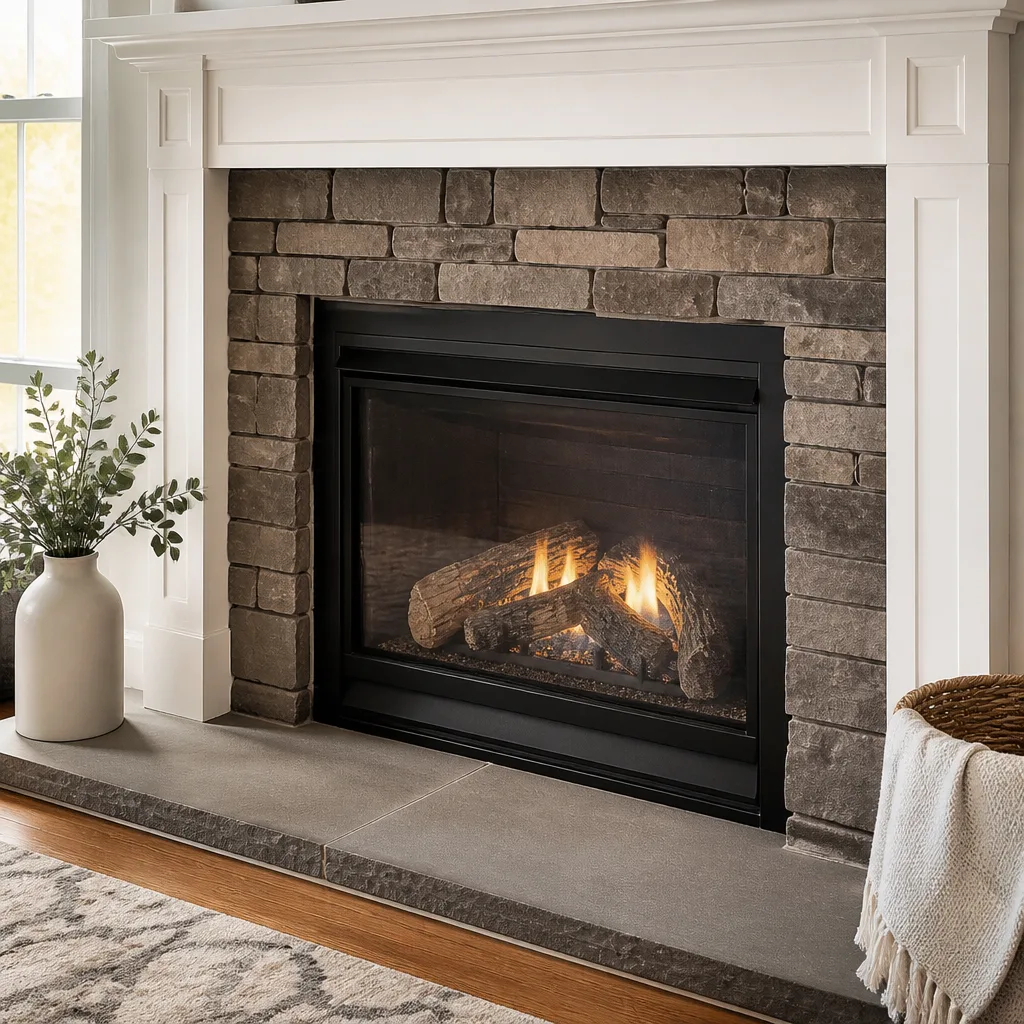 Gas fireplace service
Level 1 sweep and inspection to the NFPA 211 annual standard - flue, crown, cap, and flashing checked and photographed
Chimney sweep logs do not sweep chimneys. They loosen some creosote - which then falls where a brush and vacuum still have to collect it.
Chimney Cleaning Cost Breakdown: The Cypress Homeowner’s Reference for 2026
The $99 chimney cleaning coupon in your mailbox is real. It covers a basic flue sweep with a brush and vacuum, and for some homes that’s genuinely all you need. What it doesn’t cover is the camera inspection, liner assessment, or smoke chamber work that a complete service includes, which are often where the actual problems get found. Chimney cleaning pricing in Cypress runs from that low-end special up past $400 for a full-service visit, and the gap usually isn’t fraud. It’s scope. This guide breaks down every component, what each costs separately in the Cypress market, and how to price the service you actually need instead of the one being advertised.
Quick Answer
A basic flue sweep in Cypress typically runs $89 to $175, a standard sweep with a visual inspection lands around $175 to $250, and a full-service visit with camera inspection, smoke chamber work, and a written report usually falls between $250 and $400 or more. The price you pay depends on your chimney type, how much creosote has built up, and which components are included in the quoted scope. Get the scope in writing before you book.
Styles & brands we work with
- Sweep & inspection
- Caps & crowns
- Flue relining
- Masonry repair
- Gas fireplace service
Table of Contents
- What’s Actually Inside a Chimney Cleaning Quote?
- Why Does the Price Range From $89 to $400+?
- Which Add-Ons Are Legitimate and Which Are Upsells?
- How Does Chimney Type Change the Base Price?
- What Does Deferred Maintenance Actually Cost You?
- What Makes Cypress Chimneys Different?
- How Do You Choose and Book the Right Service?
- Common Mistakes to Avoid
- When to Call a Professional
- Frequently Asked Questions
What’s Actually Inside a Chimney Cleaning Quote?
A chimney cleaning quote is a stack of separate services bundled into one number. When you compare two prices, you’re usually comparing two different bundles, not two prices for the same work. Here’s how the components break down in the Cypress market.
Line-Item Cost Ranges for a Cypress Chimney Cleaning
- Basic flue sweep (brush and vacuum): $89 to $150. Clears soot and light creosote from the flue only.
- Visual inspection (Level 1): $50 to $100 when bundled, often included free with a sweep.
- Camera inspection (Level 2, video scan of the flue): $125 to $250 as a standalone service.
- Smoke chamber cleaning and resurfacing prep: $150 to $300 depending on access and condition.
- Firebox cleaning: $60 to $120.
- Creosote removal beyond light buildup (glaze or tar stage): $200 to $500 for heavy cases, requiring chemical treatment or rotary tools.
- Written report with photos: usually bundled into a Level 2 inspection, occasionally $25 to $50 standalone.
What the Bundle Tells You
A $99 coupon typically covers the top two items only: brush, vacuum, and maybe a flashlight look up the flue. A $300 full-service visit typically includes everything on that list except heavy creosote removal. Neither price is dishonest. They answer different questions. One says “is the flue clear right now?” The other says “what condition is this whole system in?”
When you request an estimate, ask which of these line items the price includes. That single question separates honest quotes from confusing ones faster than anything else. Our chimney sweep visits are quoted this way, with each component itemized, and the flat price is agreed before anything is booked. The written estimate sets the final number, so there’s no surprise add-on at the door.
Why Does the Price Range From $89 to $400+?
The range is legitimate because the scope is genuinely different. It’s not that one company is cheap and another is gouging. It’s that “chimney cleaning” describes at least four distinct services under one label.
Tier 1: The Basic Sweep ($89 to $150)
A technician runs a brush down the flue, vacuums the debris, and does a quick look. This is appropriate for a homeowner who burns occasionally, has had the chimney serviced in the past few years, and just wants the flue cleared before the season. It’s a maintenance visit, not a diagnostic one.
Tier 2: Sweep Plus Visual Inspection ($175 to $250)
This adds a proper Level 1 inspection: checking the firebox, damper, smoke chamber, flue, and cap top to bottom. It catches obvious problems like cracked flue tiles or a rusted damper. Most homes in Cypress fall into this tier as a sensible yearly baseline.
Tier 3: Full-Service With Camera ($250 to $400+)
A camera inspection goes inside the flue and records video. The technician can see the condition of the liner, joints, and offsets that a flashlight can’t reach. You get photos and a written report. This tier is where real findings show up: gaps in a clay tile liner, a failed connector on a prefab system, or heavy creosote glazing that needs special treatment.
Tier 4: Heavy Creosote or Specialized Work ($400 and Up)
Stage 3 creosote is a tar-like glaze that a brush won’t remove. It requires chemical treatment or rotary cleaning tools, and it takes longer. A chimney in this condition isn’t being overcharged. It’s being treated properly, and the price reflects the labor and the elevated fire risk that stage of buildup represents. If you’ve skipped several seasons, this may be where you land – and the chimney repair conversation often follows close behind.
Which Add-Ons Are Legitimate and Which Are Upsells?
This is where homeowners get talked into spending more than they need, or talked out of spending on something they actually do need. We’ve watched both happen. Here’s how to judge each recommendation on its merits.
Add-Ons With a Legitimate Basis
- Camera inspection: Worth it whenever the chimney hasn’t been checked in years, has had a chimney fire, or is showing signs of a liner problem. You can’t assess a flue you can’t see.
- Creosote treatment: Necessary for stage 2 or stage 3 buildup. Skipping it isn’t a savings; it’s a fire waiting to happen.
- Crown or cap repair: A cracked crown or a missing cap lets water into the masonry, which is one of the leading causes of chimney damage in this region. Repairing it early is cheaper than rebuilding.
- Smoke chamber resurfacing: Legitimate when the chamber’s parging has cracked or fallen away. HeatShield resurfacing is a specialized repair that basic sweep companies aren’t equipped to offer, and it restores the chamber without a rebuild.
Add-Ons That Are Usually Upsells
- Liner replacement recommended before any camera evidence: A liner replacement is a real service when justified, but it should be backed by video or photos you can see. If a technician can’t show you the problem, ask why.
- Chemical treatments sold before the chimney has been assessed: Treatment should follow diagnosis, not precede it.
- Repairs bundled into the sweep visit before you’ve seen the report: The work may be needed, but you should be able to review the findings calmly before anything is scheduled.
The pattern is simple: real findings come with evidence you can look at. A cracked tile, a rusted damper, a failed crown – each shows up on a camera or a photo. When a recommendation comes with photos and a written report, take it seriously. When it comes without either, ask for them before you agree to anything. Our approach is that we never recommend work without camera evidence you can review yourself, and we’ll tell you plainly when something can safely wait another season.
How Does Chimney Type Change the Base Price?
The base price shifts based on what’s inside your chimney, and Cypress has a real mix of construction types. Knowing yours helps you read a quote accurately.
Masonry vs. Prefab
Masonry chimneys are built from brick and clay flue tiles. They’re heavy, they hold heat, and they tend to accumulate creosote in ways that require more careful sweeping. They also weather slowly, which means crown and flashing repairs come up more often.
Prefab (factory-built) chimneys have a metal flue with a separate liner. They sweep faster and cheaper in many cases, but the liner and connectors have to be inspected properly. A failed gasket or a loose joint on a prefab system isn’t something a brush sweep will catch. That’s a camera job.
Wood-Burning vs. Gas
A wood-burning fireplace produces creosote and soot, so it needs real sweeping. A gas fireplace produces little creosote, but it can produce condensation and debris from the vent, and it still needs a check for blockages and proper venting. A gas insert cleaning typically costs less – often $100 to $175 – because there’s less material to remove, but skipping it entirely is a mistake. A blocked gas vent can push combustion byproducts back into the home.
What This Means for Your Quote
If you have a masonry chimney with a wood-burning fireplace, expect a full-service visit in the $250 to $400 range once you factor in a proper inspection. If you have a prefab insert that you burn a few times a year, a sweep-plus-check may run $125 to $200. Ask the company to quote based on your actual chimney rather than a one-size price.
What Does Deferred Maintenance Actually Cost You?
Skipping a $150 to $250 cleaning doesn’t save you that money. It usually moves the cost forward and multiplies it. A chimney that goes several seasons without service doesn’t just accumulate more soot – it accumulates problems that cost far more to fix than they would have to prevent.
The 18-Month Rule of Thumb
Here’s the pattern we see. A homeowner skips a cleaning one season because nothing seems wrong. The next season they notice smoke backing up, or a smell, or water stains on the ceiling near the chimney. By the time they call, the problem has typically moved from “needs sweeping” to “needs masonry or liner work.” The job they could have done for a couple hundred dollars is now a repair measured in the thousands.
What Deferred Maintenance Costs, Component by Component
- Crown crack left unrepaired: water enters the masonry, freezes in cold snaps, and fractures the crown and brickwork. Crown repair runs a few hundred; a crown rebuild or upper chimney rebuild runs well into four figures.
- Missing cap: rain, birds, and debris enter the flue. A cap installation is a minor cost compared to clearing a blocked flue or repairing water-damaged interior masonry.
- Ignored stage 3 creosote: the fire risk rises and the cleaning itself becomes a specialty job at a higher price.
- Cracked flue tile left unaddressed: heat and gases escape into the chimney structure, and the repair escalates from relining to rebuilding.
The Math of Prevention
A yearly full-service visit at around $250, over several years, costs less than one major structural repair. That’s the whole argument for regular maintenance, and it’s the reason we frame chimney care as total cost of ownership rather than a one-time purchase. The most expensive chimney is the one you never look at.
What Makes Cypress Chimneys Different?
Cypress sits in a mild-winter climate, which quietly changes how chimneys here wear compared to colder parts of the country. We’re not dealing with months of hard freeze, so the dramatic cold-weather damage you read about elsewhere isn’t the main story here. The local story is different.
Mild Winters, Real Buildup
Because winters are gentle, many Cypress homeowners burn their fireplaces less intensely than they might in a colder climate. That sounds like good news, but it can work against you. A fire that burns cool and slow – common when you’re taking the chill off rather than heating a house – deposits more creosote than a hot, roaring fire. Cooler, smoldering burns leave more residue in the flue, which means a chimney here can build up creosote faster than the number of fires would suggest.
Rain and the Masonry Envelope
Rain, not snow, is the main weather threat to Cypress chimneys. Water is the enemy of masonry, and a cracked crown, a failed flashing, or a missing cap is how water gets in. Over a wet season, that moisture works into brick and mortar, and the damage compounds. This is why cap and crown work matters as much as the sweeping itself. Products like Gelco and Famco caps and crowns are built to keep water out and let the chimney breathe, and installing them properly is a structural repair, not a cosmetic touch-up.
The Local Housing Mix
Cypress has a range of home ages and construction styles, from older masonry fireplaces to newer builds with prefab inserts. That mix matters because the two types fail differently and need different service. A company that only knows how to run a brush up a brick flue isn’t equipped for a prefab liner inspection. We work with DuraFlex flexible liner systems for relining and Olympia Chimney components for prefab work, which lets us handle both without sending you to a second contractor.
How Do You Choose and Book the Right Service?
The right booking starts with asking better questions, not hunting for the lowest number. Here’s a sequence that keeps the process honest.
- Identify your chimney type. Masonry or prefab, wood-burning or gas. This sets the base scope and price.
- Ask what the quote includes. Camera inspection? Written report? Smoke chamber? Firebox? Get the line items.
- Ask for the estimate in writing. The written estimate should be the final price, with the scope spelled out.
- Confirm the materials. If repair is needed, ask what brands and products go into your chimney. Professional-grade materials like HeatShield, DuraFlex, Olympia Chimney, or Gelco tell you the technician is working to a standard, not patching to pass.
- Review the findings yourself. Any recommended repair should come with photos or video you can see. Ask questions before you agree.
- Decide what’s urgent and what can wait. A good technician will tell you which findings are safe to defer and which aren’t.
One more thing to weigh: whether the company can do both the diagnosis and the repair. A sweep-and-go service may find a problem and hand you a report, leaving you to find a mason or a liner specialist. A full-system chimney company inspects it and fixes it, from the fireplace repair to the cap on top. That single-source accountability is worth factoring into the total cost, because it saves you coordination time and the risk of two contractors blaming each other.
Common Mistakes to Avoid
- Buying on the coupon price alone. The $99 special is a real service, but it isn’t a complete one. Compare what’s included, not just the number.
- Skipping the camera inspection on an older or unfamiliar chimney. If you don’t know the history of your flue, a visual check can miss a liner problem that only shows on camera. Cypress homes with older brick chimneys especially benefit from a proper look.
- Treating a repair recommendation as automatically an upsell. Some recommendations are real. The way to tell is whether the technician shows you the evidence, so ask to see it rather than dismissing it outright.
- Letting a missing cap or cracked crown sit through the rainy season. Water damage in masonry compounds quietly, and a small cap installation is far cheaper than the masonry repair it prevents.
- Assuming a gas fireplace needs no service. Gas vents still block, and a blocked vent can send combustion byproducts into the home. It needs a check even without the soot.
- Booking a sweep and assuming the repair will be easy to arrange later. If your chimney has known issues, choose a company that can handle the repair, so you’re not starting the hunt all over again when the problems are confirmed.
- Ignoring the smell or the smoke backup. Those are symptoms, not annoyances. They usually mean creosote buildup, a blockage, or a draft problem worth diagnosing.
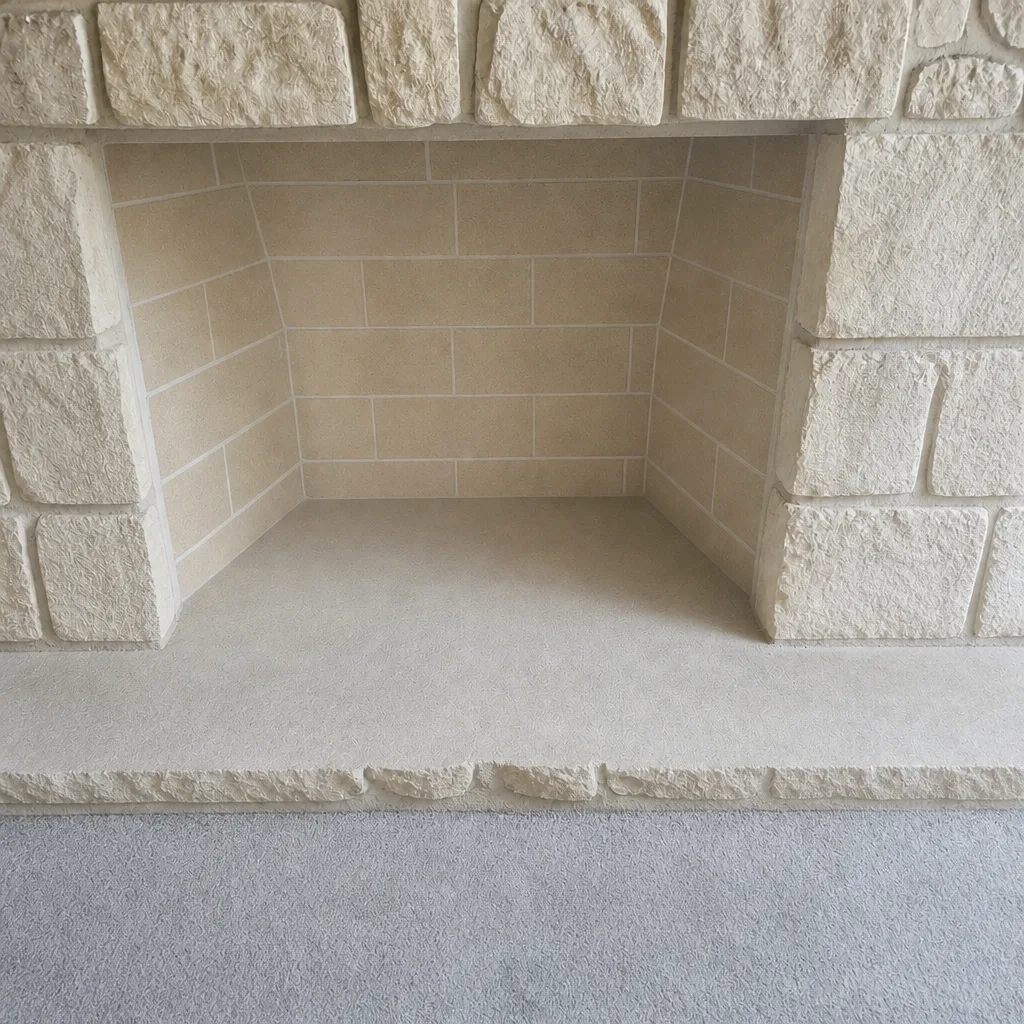
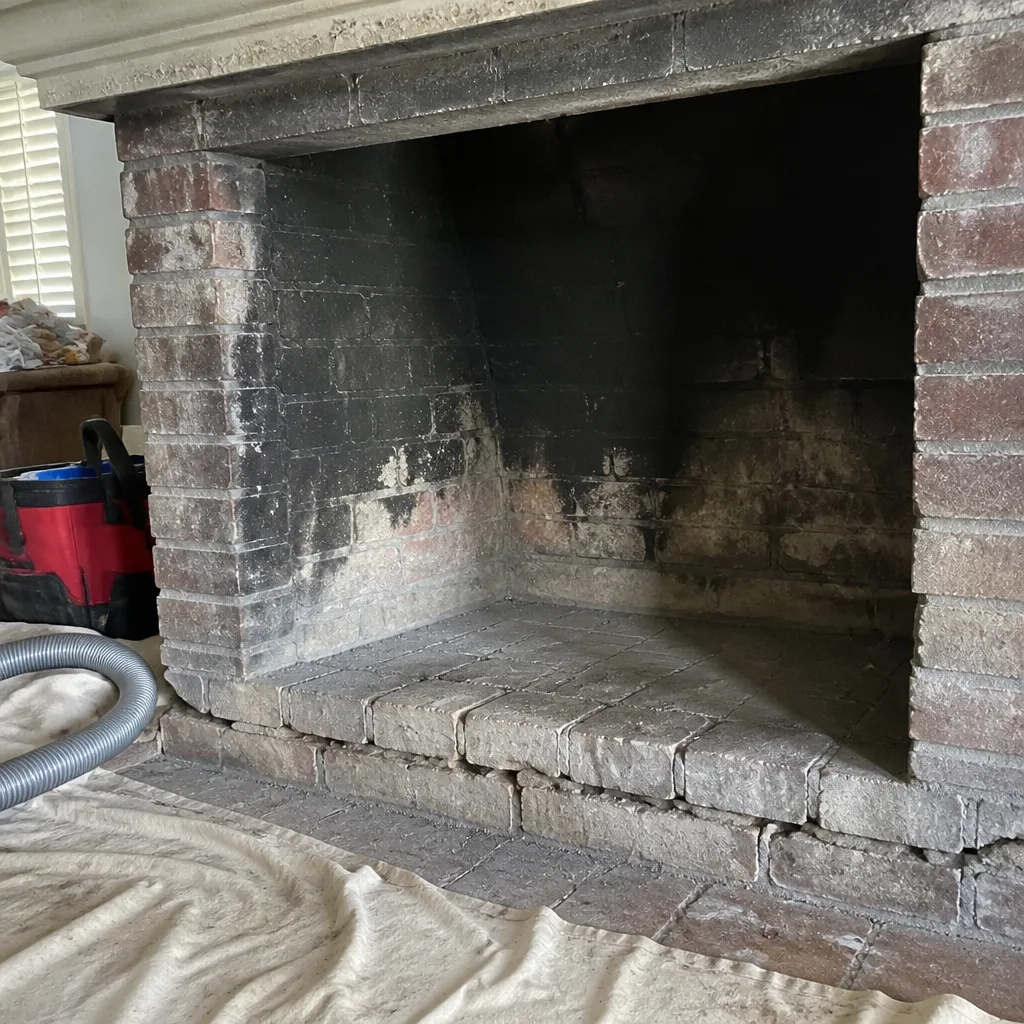
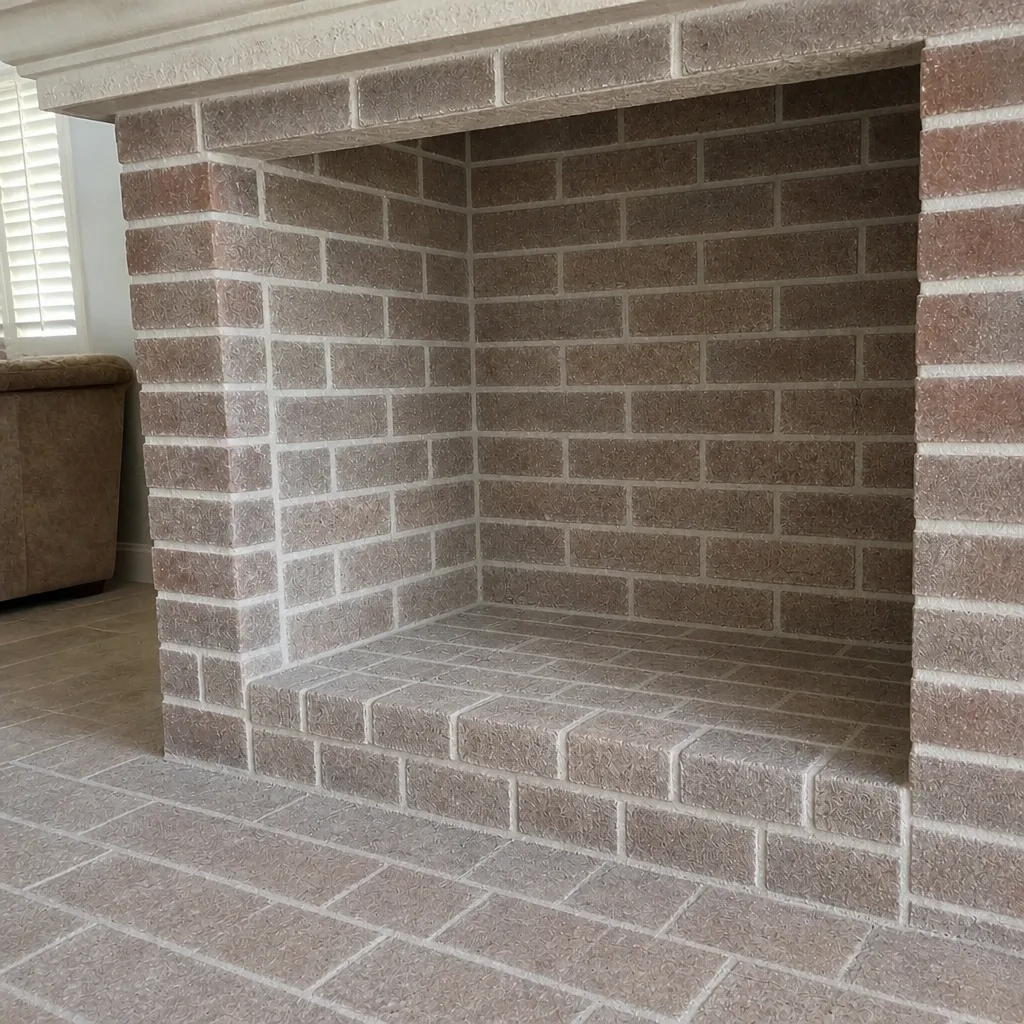
See the difference
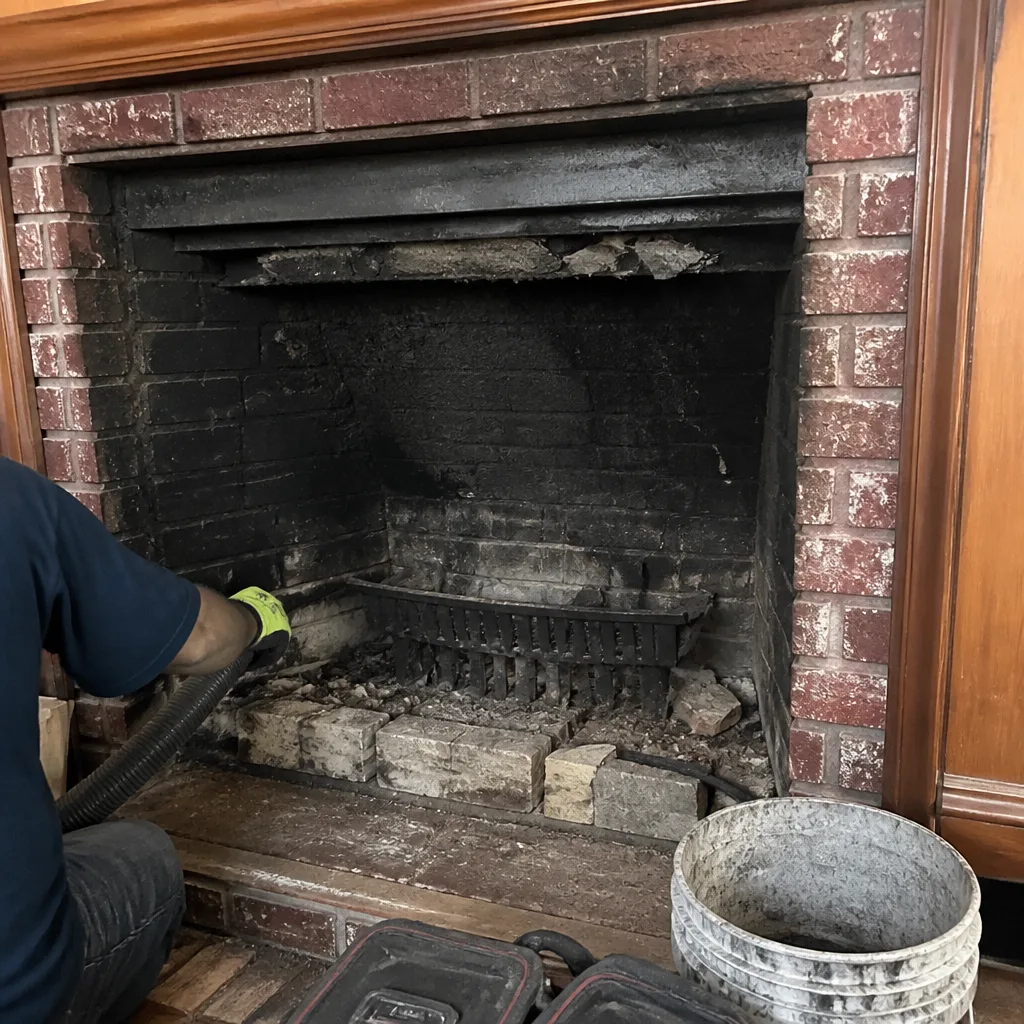 Before
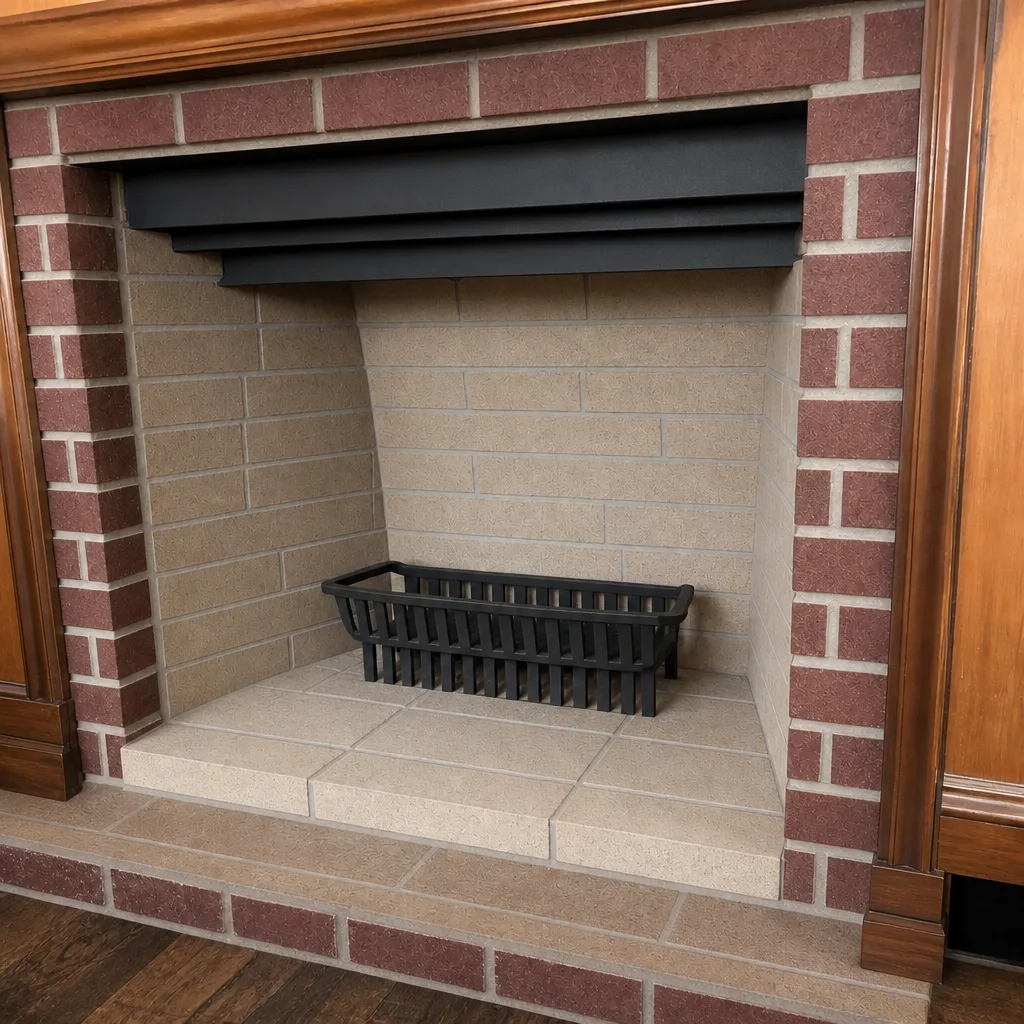 After
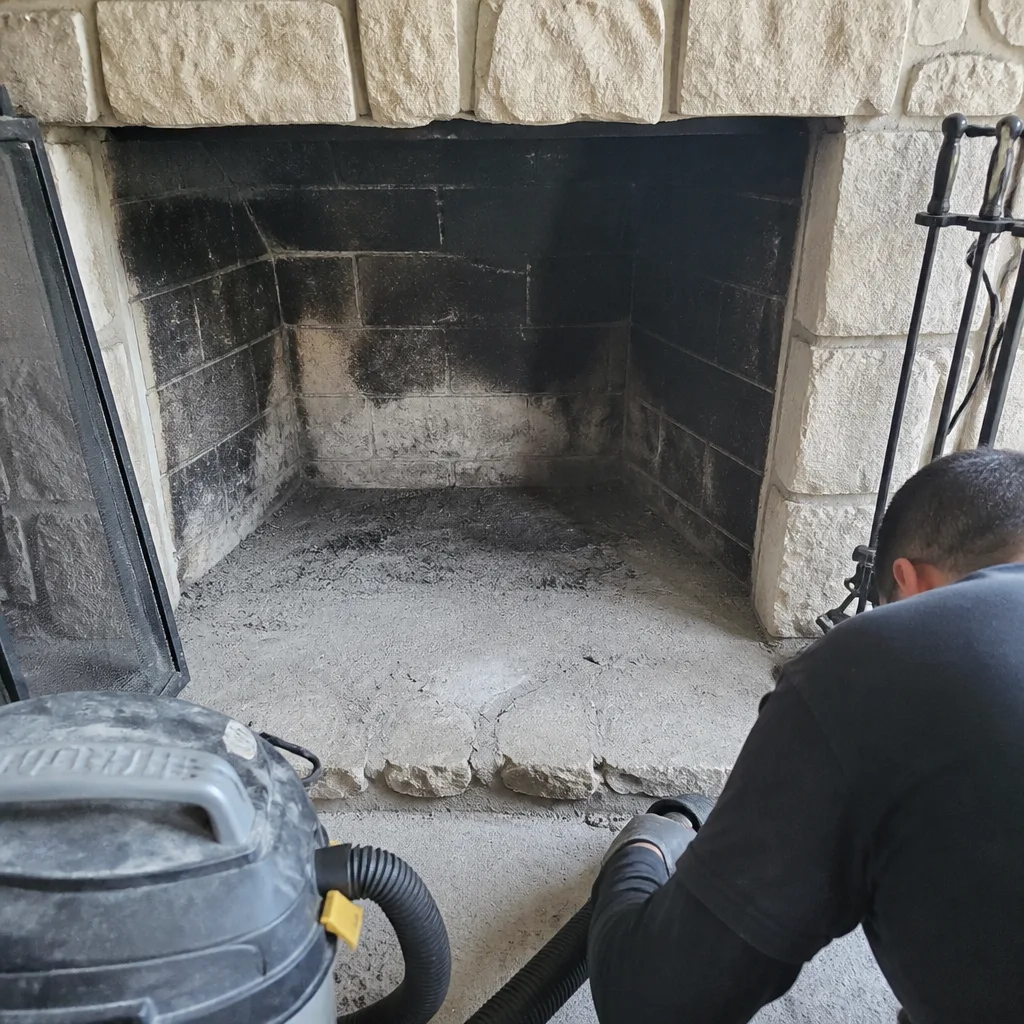 Before
 After
 Before
 After
When to Call a Professional
Call a professional if you’ve burned your fireplace for a season or more without a sweep, if you smell a strong smoky or tar-like odor even when the fireplace is off, if smoke rolls into the room instead of going up the flue, or if you’ve noticed water stains or crumbling mortar around the chimney. Any of these points to buildup, a blockage, or a structural issue that a professional needs to assess. If you’ve had a chimney fire, even a small one, get the flue inspected before you burn again. And if you’ve never had the chimney checked since moving in, that’s the best place to start. Chimney Sweep Cypress offers free estimates in Cypress – call (844) 656-4099 for a free estimate. We answer 24/7, with fast dispatch from 7am to 7pm, Sunday through Friday. Our technicians have up to 12 years of experience, and we inspect it and fix it.
Frequently Asked Questions
A basic chimney sweep in Cypress typically costs between $89 and $175, while a sweep combined with a full inspection and camera scan usually runs $250 to $400 or more. The final price depends on your chimney type, how much creosote has built up, and which services are included. Call (844) 656-4099 for an exact quote – estimates are free.
You need a liner inspection whenever your flue hasn’t been checked in years or has had a fire, and you need a new liner only when the existing one is shown to be failed or unsafe. A liner recommendation should always come with camera evidence you can see. If a technician can’t show you the problem, ask why before you agree. We never recommend liner work without evidence you can review yourself.
A chimney should generally be swept once a year if you use your fireplace regularly, and more often if you burn frequently or notice heavy buildup. Cypress’s mild winters mean many fires burn cooler and slower, which can deposit more creosote than you’d expect from the number of fires. A yearly visit catches problems before they become repairs. Call (844) 656-4099 for an exact quote – estimates are free.
Skipping a cleaning lets creosote and soot accumulate, which raises fire risk and can escalate a simple sweep into a heavy-creosote removal job or a masonry repair that costs far more. A crown or cap issue left unaddressed lets rain into the masonry, and that damage compounds over a wet season. The cheapest chimney care is the visit you don’t put off.
The difference is almost always scope. A $99 quote typically covers a basic brush-and-vacuum flue sweep, while a $350 quote usually includes a camera inspection, smoke chamber assessment, and a written report with photos. Neither is dishonest – they answer different questions. Ask each company which line items their price includes before you compare the numbers.
We handle the full system, so a single visit can cover diagnostics and the repair itself – from liner work with DuraFlex to cap and crown installation using Gelco and Famco components. That means you’re not hunting for a mason or a liner specialist after the inspection flags a problem. Call (844) 656-4099 to book an estimate, and we’ll explain exactly what your chimney needs and what can safely wait.
The Bottom Line
Chimney cleaning in Cypress costs what it costs because the work is different at each tier. A basic sweep clears the flue for under $150, a full-service visit with camera inspection and a written report runs $250 to $400, and heavy creosote or specialized repair pushes higher. The right question isn’t “what’s the cheapest price?” It’s “what does this quote actually include, and do the findings come with evidence I can see?” The $99 coupon and the $350 full-service visit can both be fair, as long as you know which one your chimney needs. Get the written estimate, review the camera findings, choose a company that can both inspect and repair, and treat the yearly visit as prevention rather than an expense. That approach is what keeps a small maintenance cost from turning into a large repair bill eighteen months down the line. Chimney Sweep Cypress works from the firebox to the cap with professional-grade materials, and we’re glad to walk you through your options. Call (844) 656-4099 for a free estimate.
Written by the team at Chimney Sweep Cypress.