
Last updated November 25, 2026
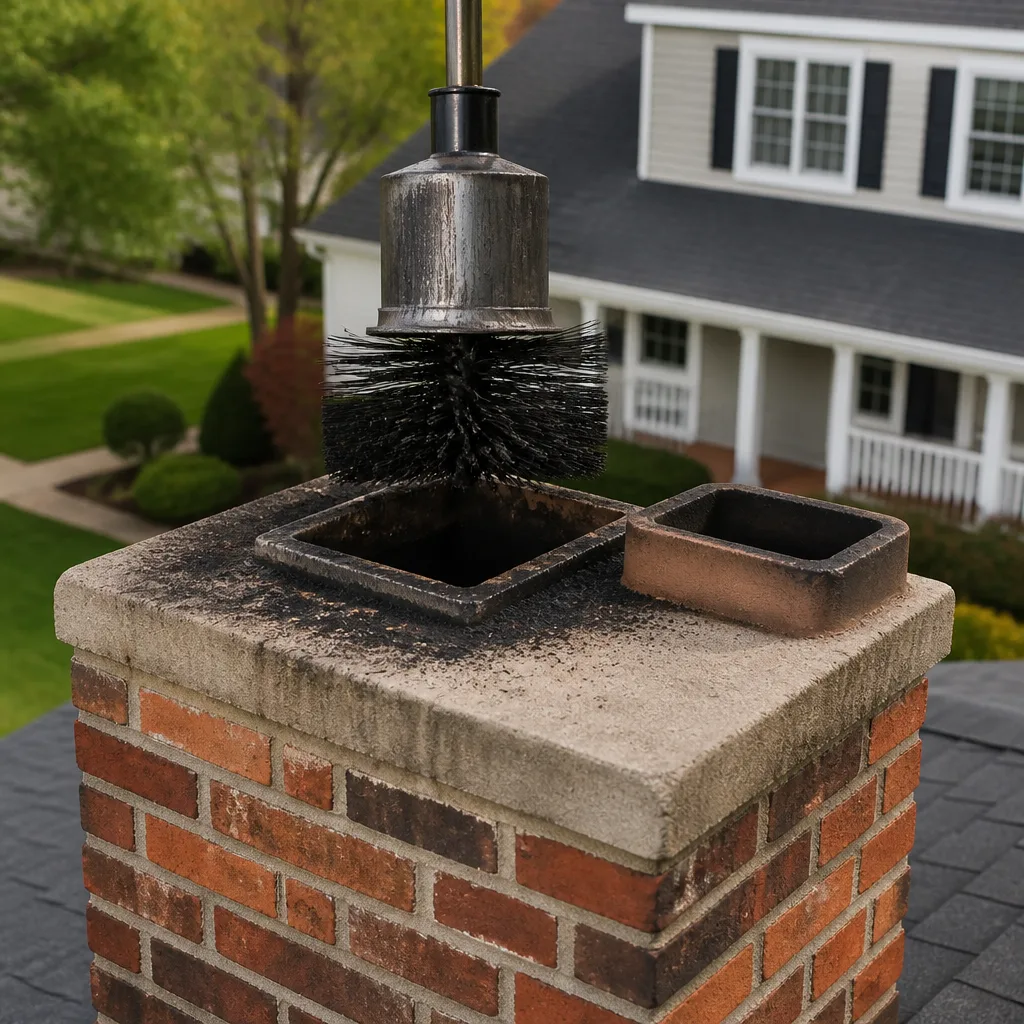 Sweep & inspection
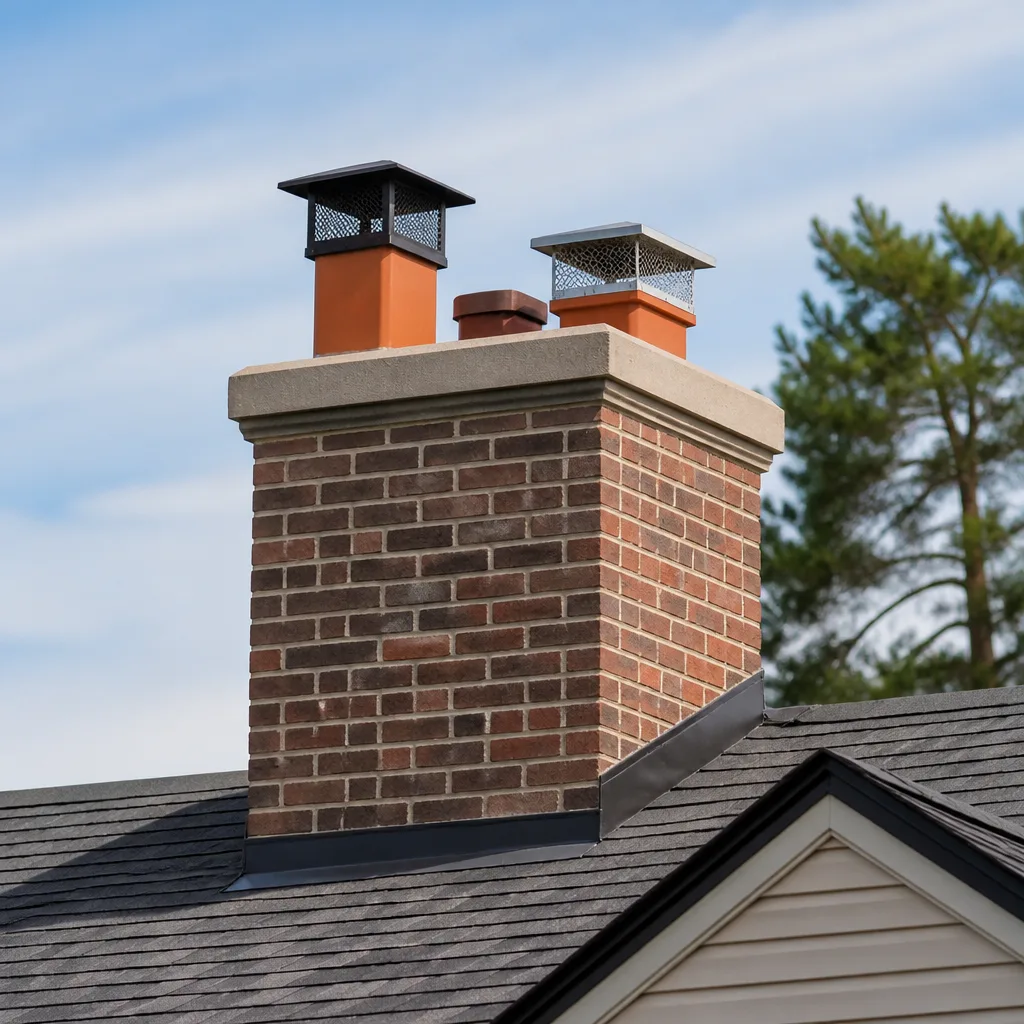 Caps & crowns
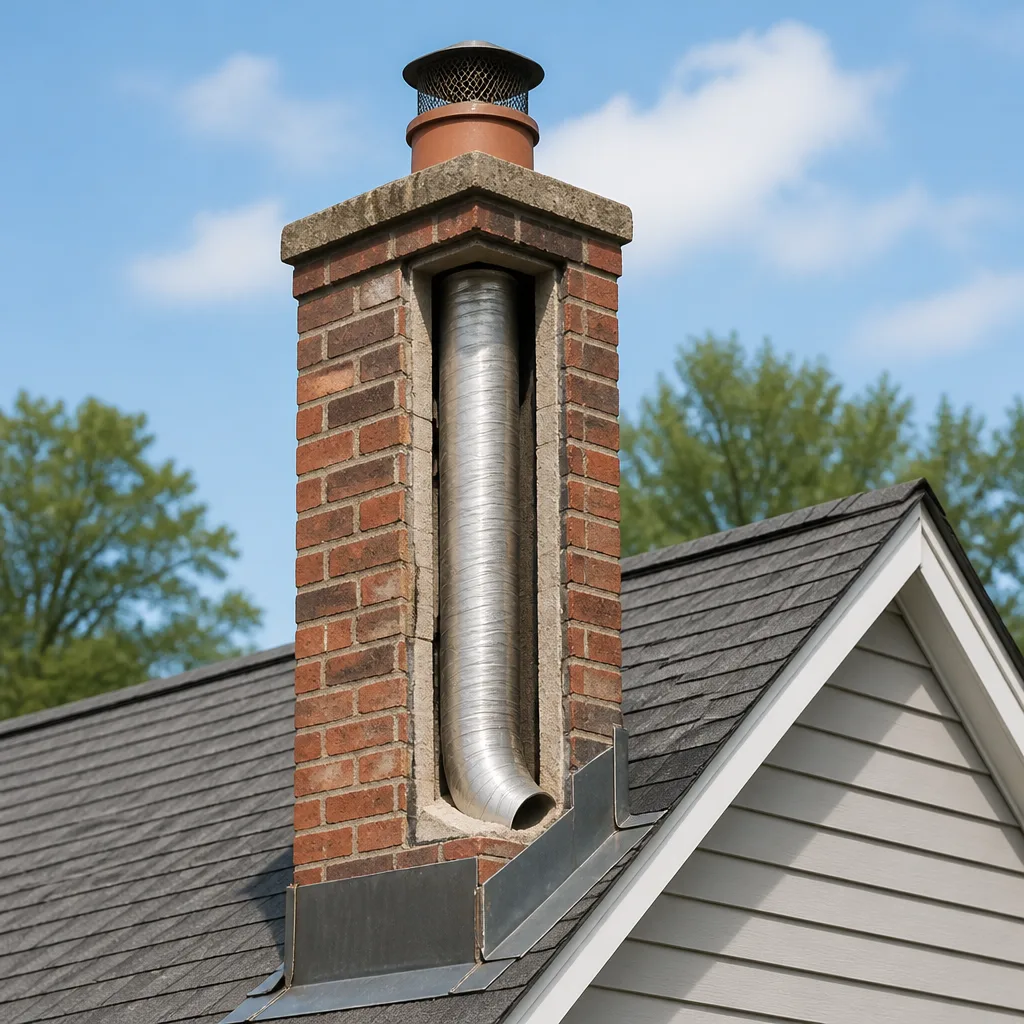 Flue relining
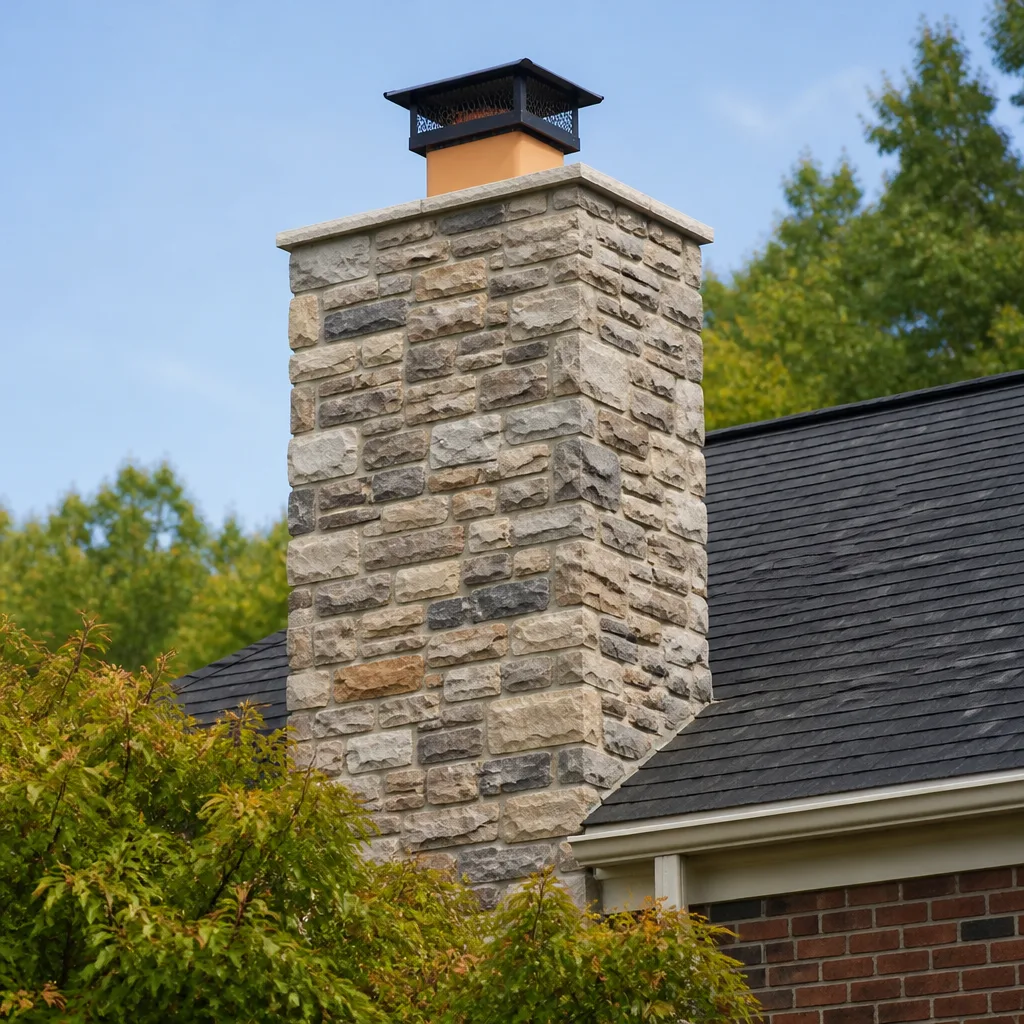 Masonry repair
 Gas fireplace service
Level 1 sweep and inspection to the NFPA 211 annual standard - flue, crown, cap, and flashing checked and photographed
Chimney sweep logs do not sweep chimneys. They loosen some creosote - which then falls where a brush and vacuum still have to collect it.
Chimney Cleaning Emergency Preparedness Guide for Cypress Homes
A chimney fire can burn at over 2,000°F inside the flue while the person in the living room notices nothing more dramatic than louder-than-usual crackling. By the time flames are visible at the top or smoke backs up into the room, the liner may already be cracked. That gap between what’s happening and what you can perceive is the reason this guide exists. Most chimney emergency advice stops at “call 911,” which is correct but incomplete. Below we walk through what actually happens during a chimney fire and a carbon monoxide event, what to do in the moment, how to confirm a fire after the fact, and what has to happen before you light another fire in your Cypress home. You’ll leave with protocols you can act on, not just awareness.
Quick Answer
If you suspect a chimney fire in Cypress, close the fireplace doors and damper, cut off combustion air to the firebox, get everyone outside, and call 911. Tell the dispatcher you believe the chimney flue is on fire so they bring the right equipment. After any suspected chimney fire, the flue needs a Level 2 camera inspection before the fireplace is used again; a standard sweep alone won’t tell you whether the liner cracked. Keep working carbon monoxide detectors on every level of your home, and call (844) 656-4099 for a free estimate on inspection or repair when you’re ready.
Styles & brands we work with
- Sweep & inspection
- Caps & crowns
- Flue relining
- Masonry repair
- Gas fireplace service
Table of Contents
- Step-by-Step: What to Do During a Suspected Chimney Fire
- How to Confirm a Chimney Fire After the Fact
- Carbon Monoxide and Your Chimney: How the Risk Builds
- What Must Happen Before You Use the Fireplace Again
- Pre-Season Emergency Preparedness for Cypress Homes
- What Happens to the Chimney Structure During a Fire
- Documentation for the Insurance Adjuster
Step-by-Step: What to Do During a Suspected Chimney Fire
The first thing to understand is that chimney fires don’t always announce themselves. A slow-burning fire in a creosote-lined flue can smolder at high heat without the roar or the visible plume people expect from a house fire. In our experience, homeowners in Cypress often discover a fire occurred days later when they see a cracked flue tile or find pieces of creosote on the roof. Still, the protocol below is what you follow the moment you suspect something is wrong.
- Stop adding fuel. Don’t open the firebox doors to add wood. Extra air feeds the fire inside the flue.
- Close the fireplace doors or glass screen, then close the damper. Cutting off the air supply to the firebox starves both the fire in the hearth and the fire in the flue. If the damper is too hot to touch with the tool, leave it and get out.
- Get everyone outside and confirm no one is missing. Do not stop to gather belongings. Don’t re-enter for pets until the fire department says it’s safe.
- Call 911 from outside. Give your address, state that you believe the chimney flue is on fire, and say whether you see smoke, flames, or sparks from the top of the chimney.
- Tell the fire department what you observed. When crews arrive, explain: the sound you heard, whether the fire was burning at the time, how much creosote buildup you were aware of, and whether anyone in the house felt short of breath, dizzy, or nauseous. Those last details help them check for carbon monoxide.
- Don’t go back inside to inspect the flue yourself. A hot liner can crack and fall; the roof can be compromised. Let the trained crew evaluate it.
One thing worth noting about where fire departments are: Cypress is covered by the Orange County Fire Authority through its local stations, and dispatchers know the city well. Give them your cross streets and street number, and mention any gate code or access issue. That speeds things up if there’s an actual fire.
How to Confirm a Chimney Fire After the Fact
Chimney fires don’t always leave obvious signs where you can see them from the living room. The indicators below are the ones professionals look for when we’re called out to investigate a possible past event. If you’ve already had a fire and want to know whether it was a real event or just a noisy one, this is where to look.
- Inside the firebox: Warped or discolored metal components on the firebox or damper assembly; new cracks in the firebrick; a damper that suddenly doesn’t open or close smoothly.
- Inside the flue: Cracked flue tiles, missing mortar joints between tiles, or a lumpy, “honeycombed” creosote pattern that looks like it bubbled and cooled. This is the clearest sign of a fire inside the flue, and you can only see it with a camera.
- On the roof: Creosote flakes or dark, curled pieces of creosote on the roof or in the gutters, especially on the side of the chimney where building codes require a spark arrestor cap. Bubbled or blistered paint on an exterior metal chimney chase is another sign.
- Outdoors, in landscaping: Dark soot or creosote spots on the roof, patio, or driveway below the chimney cap. Sometimes creosote flakes land on the roof and blow off; other times they collect in patio corners.
- Inside the house: A strong, acrid smell that lingers for days, or smoke stains on the wall above the fireplace doors.
The visible signs can be subtle at the firebox but unmistakable inside the flue. That’s why a sweep and visual inspection after a suspected fire is not the same thing as a camera inspection. If you want to understand how a prompt response starts before the fire is even suspected, our chimney sweep is a good place to begin.
Carbon Monoxide and Your Chimney: How the Risk Builds
Carbon monoxide doesn’t smell, doesn’t look like anything, and doesn’t set off a smoke alarm. In a chimney context, CO problems usually come from one of a few specific conditions. The most common: a blocked or partially blocked flue (bird nests, leaf debris, or collapsed liner pieces); a cracked or disconnected flue that lets exhaust into the house instead of up the chimney; a negative pressure condition in the home that pulls exhaust backward down the chimney; or a firebox that’s been altered in a way that changes draft. Each of those conditions has a signature.
A chimney-source CO event often looks different from other CO sources. It tends to happen while a fire or gas appliance is burning, gets worse when the house is closed up, and clears when the fire goes out. A gas water heater or furnace with a blocked vent can leak CO even when no fire is burning. That distinction matters for diagnosis: if you feel symptoms only when the fireplace or gas log set is on, tell your technician exactly that. It narrows the search to the chimney system.
How a chimney CO event presents in people: headache, dizziness, nausea, fatigue, and confusion – often described as “feels like the flu” without the fever. Anyone with those symptoms who has been near a burning fireplace should get fresh air immediately and call 911 if symptoms are severe. Don’t test whether you feel better after a few minutes inside.
What Must Happen Before You Use the Fireplace Again
A standard sweep is insufficient after any suspected chimney fire, and here’s why: a sweep removes soot and creosote from the flue walls but doesn’t show you the cracks in the flue tile or the gaps in the mortar. A fire inside the flue can crack a ceramic tile liner or open mortar joints wide enough to let hot gas and carbon monoxide into the wall cavity – and none of that shows up in a sweep-only service. Before you use the fireplace again, the flue needs a camera inspection and a clear report on its condition.
Here’s what we look at in the aftermath of a suspected chimney fire:
- Level 2 camera inspection of the entire flue. This is the standard post-fire inspection, and it reads the full length of the liner.
- Firebox and damper evaluation. Warped metal, cracked brick, and damper failure get noted and addressed.
- Creosote assessment. How much remains, what stage it is (the sticky, glazed stages are the hardest to clean), and whether the flue needs a professional-grade chemical treatment before sweeping.
- Liner condition and recommendation. If the liner is cracked or the joints are open, a liner replacement may be necessary; this is where professional materials like DuraFlex or HeatShield chimney resurfacing come into the conversation. These are systems installed to specific tolerances and they aren’t interchangeable with generic flue pipe.
- Cap, crown, and flashing check. Water intrusion after a fire makes everything worse, and a compromised crown or cap is often the entry point.
We inspect it and we fix it. That’s the point of having inspection and repair under one roof: the person looking at the flue can also authorize the repair with the materials the chimney was designed for. If you need repair work done after an incident, our chimney repair services handle liner, masonry, cap, and crown work as a whole system, not as an upsell report.
Pre-Season Emergency Preparedness for Cypress Homes
Emergency preparedness for a chimney starts with three things: detectors in the right places, a phone number you can find without searching, and documentation ready before you need it. Cypress winters are mild – this isn’t a snow-and-ice climate – but that’s actually part of the risk. A mild winter means the fireplace gets used intermittently, restarts more often, and stays dirty between burns. It also means people are less likely to think about chimney maintenance until something smells off.
Where to put carbon monoxide detectors: one on every level of the home, one inside or just outside each sleeping area, and one in the room that contains the fireplace. Not in the attic. Not just in the hallway. The one in the fireplace room is the one that catches a chimney-source event first. Follow the manufacturer’s placement instructions on the detector’s packaging; those instructions account for the unit’s sensor type. Test the batteries on a schedule you will actually keep – pick a specific date, like the first of each month, and stick to it.
Fire department contact info: Cypress is served by the Orange County Fire Authority. Program the non-emergency line into your phone under a name you’ll recognize, and put 911 at the top of your emergency contacts. In a real event, call 911 first, not the non-emergency line.
Documentation for the insurance adjuster: Keep an envelope or folder that includes your homeowner’s policy number and the insurer’s claims phone number, prior chimney sweep and inspection reports, receipts for any fireplace or chimney work, and a simple sheet of paper that lists the date of your last sweep. If a fire happens, you’ll be asked for all of this and you won’t want to dig through email at 10 p.m. A pre-season camera inspection also means you can prove the chimney’s condition before an event, which makes the claims conversation much simpler.
For more on getting the whole system into shape before the season starts, our full-system chimney care in Cypress covers the sweep-to-repair relationship.
What Happens to the Chimney Structure During a Fire
A chimney fire isn’t just heat in a tube. Under sustained high temperature, the flue lining expands faster than the masonry around it. Ceramic flue tiles crack; mortar joints between tiles open; the firebox can spall (flake) and the damper assembly can warp. If the liner fails, hot gases reach the wood framing around the chimney chase. That’s the mechanism by which a chimney fire becomes a house fire, and it’s why the “the fire went out on its own” outcome isn’t a clean bill of health.
On the exterior side, a prolonged flue fire can blister paint on a metal chimney, crack a masonry crown, and shrink the flashing seals around the cap. Those are all entry points for water, and water damage to a chimney is a slow problem that starts as a stain and ends as a masonry rebuild. The structural story is why we carry cap and crown materials from Famco and Gelco alongside flue liners from DuraFlex. Rebuilding that weather seal is part of restoring the chimney after an event, not a separate project.
What we usually see in the field after a suspected fire: a flue that looks fine at the top and the bottom but is cracked in the middle third. That’s not visible without a camera. It’s also not something a homeowner should try to diagnose by lowering a flashlight on a string – the flue geometry and the angle make that approach unreliable, and it won’t show mortar joints.
Documentation for the Insurance Adjuster
Insurance claims for chimney fires go smoother when the homeowner has a pre-event inspection on file. Without one, the adjuster has to assume the condition of the chimney at the time of the fire, and the claim leans on the report from the post-fire inspection. With one, you can show the condition of the flue before the event and demonstrate that the damage was sudden, not the result of deferred maintenance. Most homeowner policies treat long-term deterioration differently from a sudden event.
What to have ready:
- Your policy number and the claims department phone number.
- Any chimney sweep or inspection reports from the last several years, including photos or camera footage the technician captured.
- Receipts for fireplace installations, gas log sets, or prior chimney repairs.
- The fire department’s incident report number, if one was filed.
- A written record of what you observed during the event (sounds, smells, smoke, duration) and how soon afterward you noticed the after-effects.
The post-fire inspection report matters most. Make sure the inspection includes a camera pass of the full flue, notes on the firebox and damper, and a clear written recommendation. If your adjuster wants a second opinion, an independent inspection from a chimney specialist usually settles the question.
Common Mistakes to Avoid
- Assuming the fire went out on its own means no damage. A chimney fire can put itself out and still leave cracks in the flue that only a camera will show.
- Re-lighting the fire after a suspected event without an inspection. It’s not a test of whether the chimney works; it’s a test of whether the flue can contain hot gas safely, and you don’t want to find out the hard way.
- Relying on a smoke alarm to warn about carbon monoxide. Smoke and carbon monoxide are different hazards with different detectors. You need both, placed according to the manufacturer’s instructions for each.
- Treating a sweep as the whole answer after a fire. A sweep cleans; it doesn’t diagnose cracks and joint failures. Post-incident work needs a camera inspection, not just a cleaning.
- Burning unseasoned wood to “get through” the season. Wet wood smolders, deposits more creosote, and increases the flue load. In Cypress, where fireplaces are used in short bursts, wood quality matters just as much as in longer seasons.
- Ignoring the cap and crown. Most chimney damage in Southern California comes from water, not heat. If the crown is cracked or the cap is loose, the chimney is taking water every time it rains, and that turns a small repair into a rebuild.
- Not documenting the condition of the chimney before the season. A pre-season inspection report is the single most useful piece of paper you can have when an insurance adjuster asks what the flue looked like before the event.
See the difference
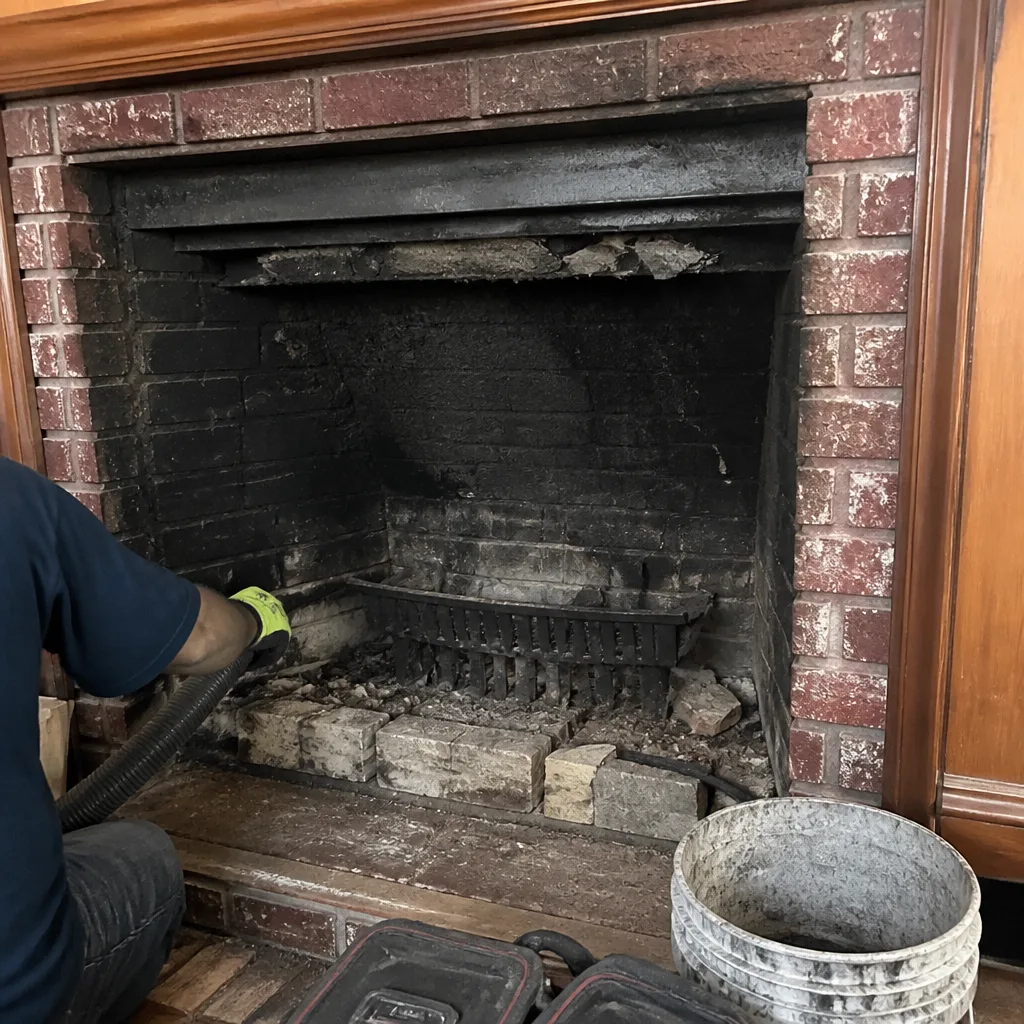 Before
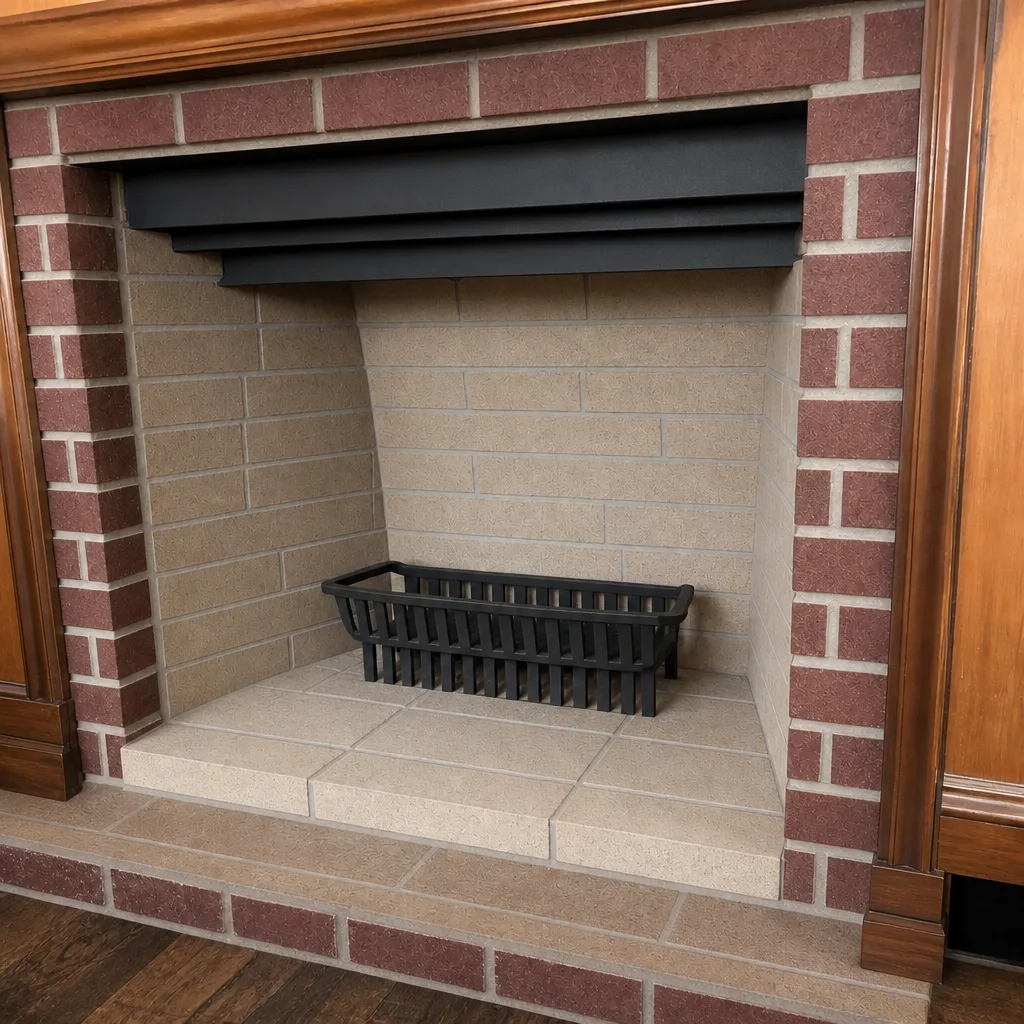 After
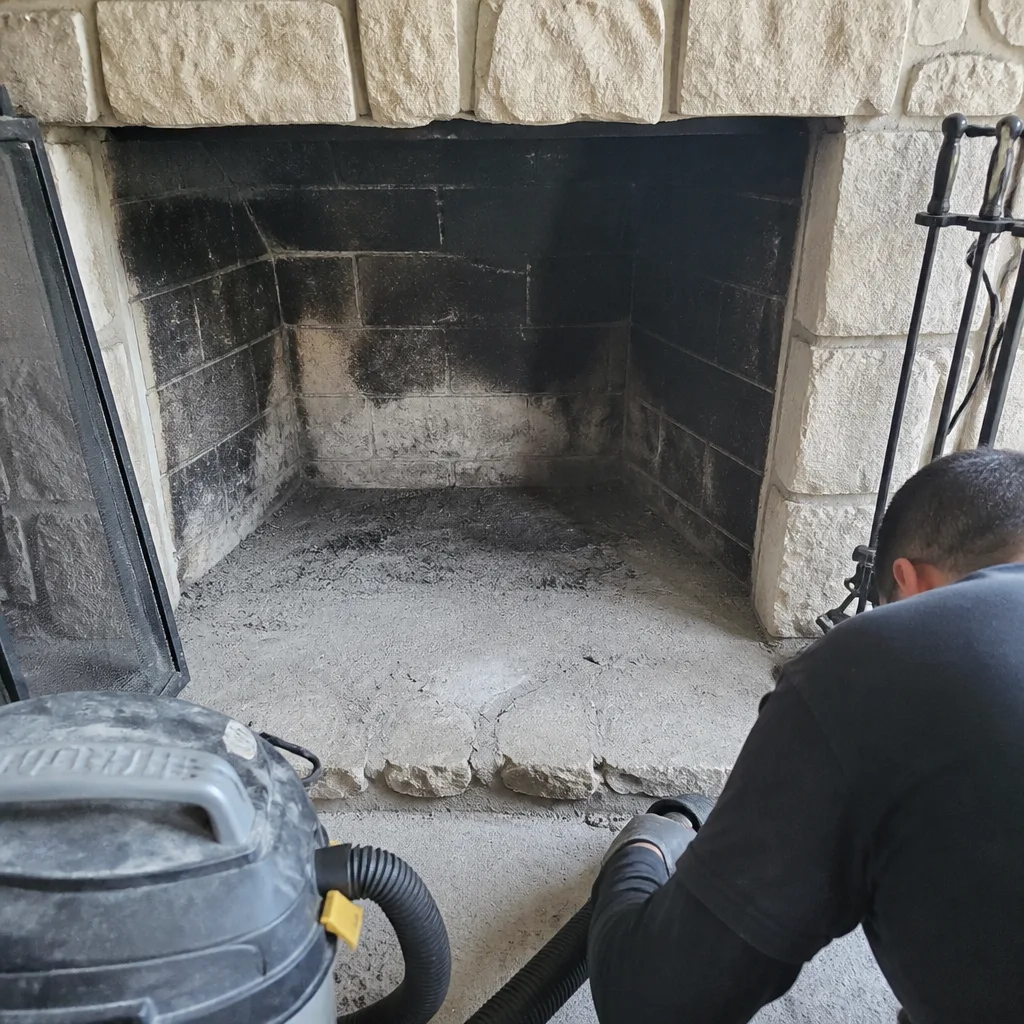 Before
 After
 Before
 After
When to Call a Professional
Call us if you’ve had a suspected chimney fire and haven’t had the flue inspected since; if you smell smoke in the living space when there’s no fire burning; if the damper suddenly sticks or won’t close; if a carbon monoxide detector has alarmed near the fireplace; if there’s water staining on the chase, ceiling, or walls around the chimney; or if it’s been more than a year since your last sweep or inspection, whichever came first. If you notice creosote flakes on the roof or see dark soot on the chimney chase, that’s also grounds for a call. Chimney Sweep Cypress offers free estimates in Cypress – call (844) 656-4099. We answer 24/7. Fast dispatch from 7am to 7pm, Sunday through Friday. If you’re also seeing problems inside the firebox, our fireplace repair team handles the firebox, damper, and hearth as part of the same visit.
Frequently Asked Questions
Close the fireplace doors, shut the damper to cut off combustion air, get everyone outside, and call 911 from outside the house. Tell the dispatcher that the chimney flue is on fire. Don’t go back inside to inspect the flue – the fire department should confirm the flue is out and cold before anyone re-enters. Once the event is over, schedule a camera inspection before lighting another fire.
Yes. Chimney fires routinely smother themselves when the fuel or oxygen runs out, but the flue can still be cracked, the mortar joints opened, and the firebox damaged. The fire ending isn’t a sign the flue passed – it just means the fire needs fuel and air it no longer had. The only way to know the condition of the flue is a camera inspection.
Not always. A crack in the flue tile can sometimes be repaired with HeatShield resurfacing, and a clay tile liner can sometimes be resurfaced rather than replaced. But if the tile has broken, a section is missing, or mortar joints are open wide, a full liner replacement with a system like DuraFlex is usually the safer answer. We don’t recommend replacement without showing you the camera footage that justifies it.
Look for cracked or missing flue tiles, creosote flakes on the roof or in gutters, warped metal on the firebox or damper, a “honeycombed” creosote pattern inside the flue, and a persistent acrid smell after the fire went out. On the exterior, blistered paint on a metal chimney chase or cracked masonry crown are common signs. The only way to confirm is a camera inspection of the full flue.
Follow the detector manufacturer’s instructions, and in general put one on every level of the home, one inside or just outside each sleeping area, and one in the room with the fireplace. The fireplace-room detector is the one most likely to catch a chimney-source CO event. Test the batteries regularly, and replace detectors on the manufacturer’s schedule.
Most homeowner policies cover sudden fire damage, but the adjuster needs documentation of the chimney’s condition before the event to rule out long-term deterioration. A pre-season camera inspection and a written report are the most useful documents you can have when you file a claim. Call your insurer’s claims line as soon as it’s safe to do so, and keep the fire department’s incident number.
The Bottom Line
A chimney fire is a silent event most of the time, which is why the response has to be prepared in advance rather than improvised. Close the air supply, get out, call 911, and confirm the flue’s condition with a camera before you light another fire. Carbon monoxide is a separate, quieter hazard: detectors in the right places catch what your nose can’t. Documentation – inspection reports, receipts, your policy number – turns a claims conversation into a simple one. And the structural care that follows any event, including liner work with DuraFlex or HeatShield, cap and crown repair, and firebox work, is what keeps a chimney safe beyond the night of the scare. Call (844) 656-4099 for a free estimate. We answer 24/7. Fast dispatch from 7am to 7pm, Sunday through Friday.
Written by the team at Chimney Sweep Cypress.