
Last updated November 25, 2026
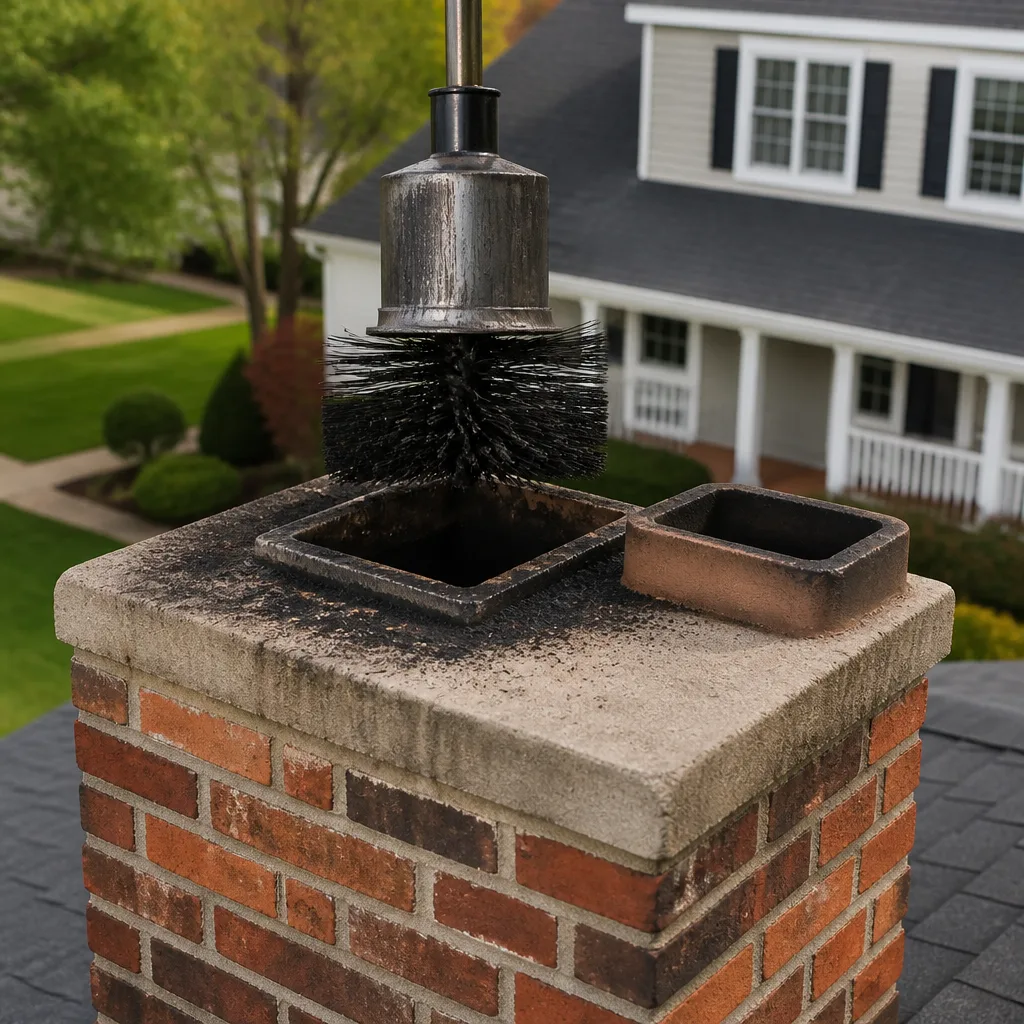 Sweep & inspection
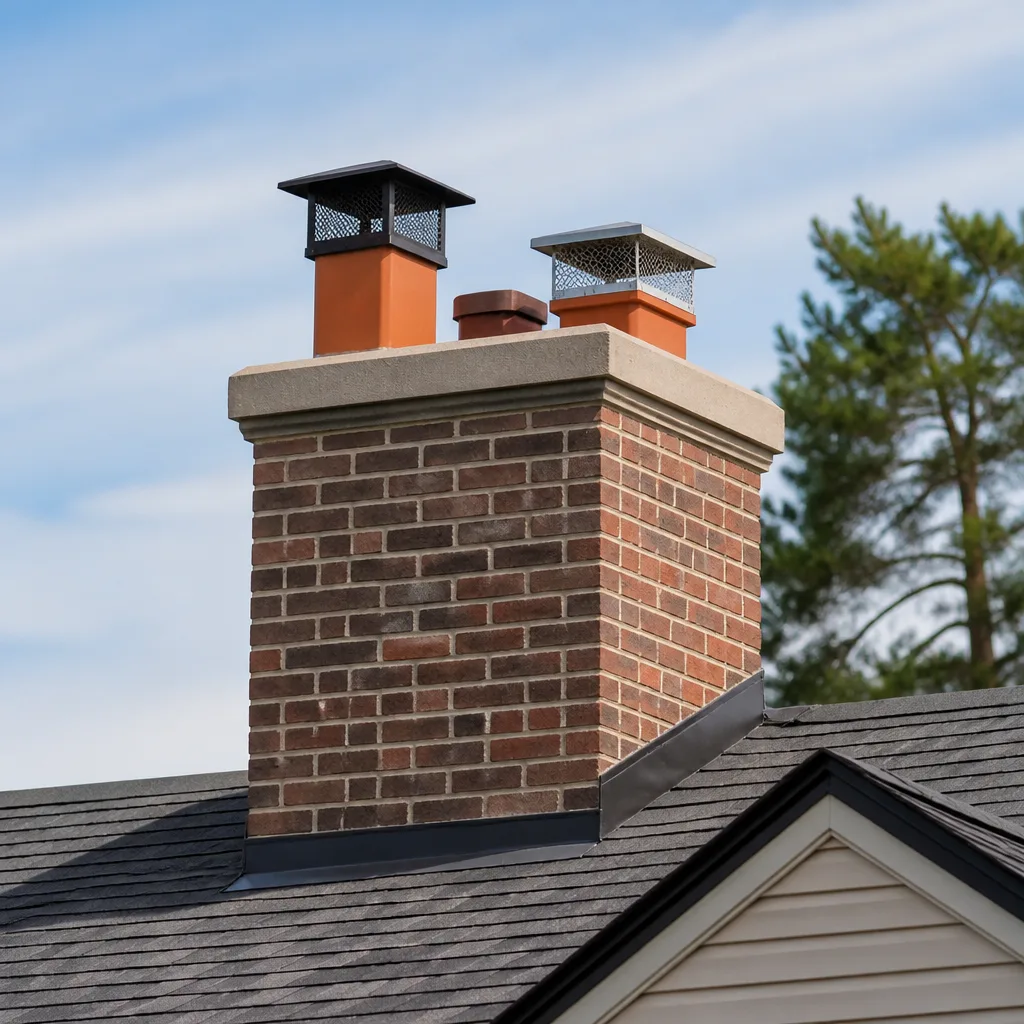 Caps & crowns
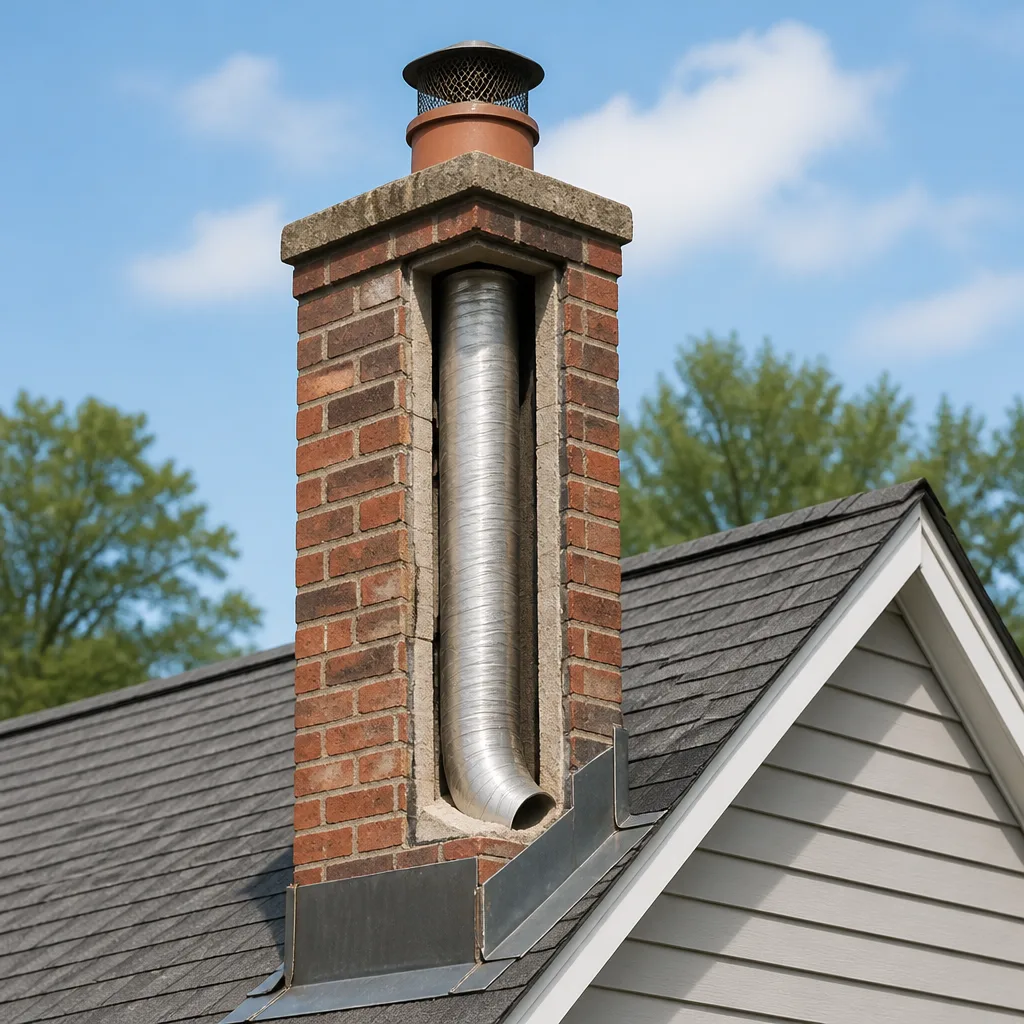 Flue relining
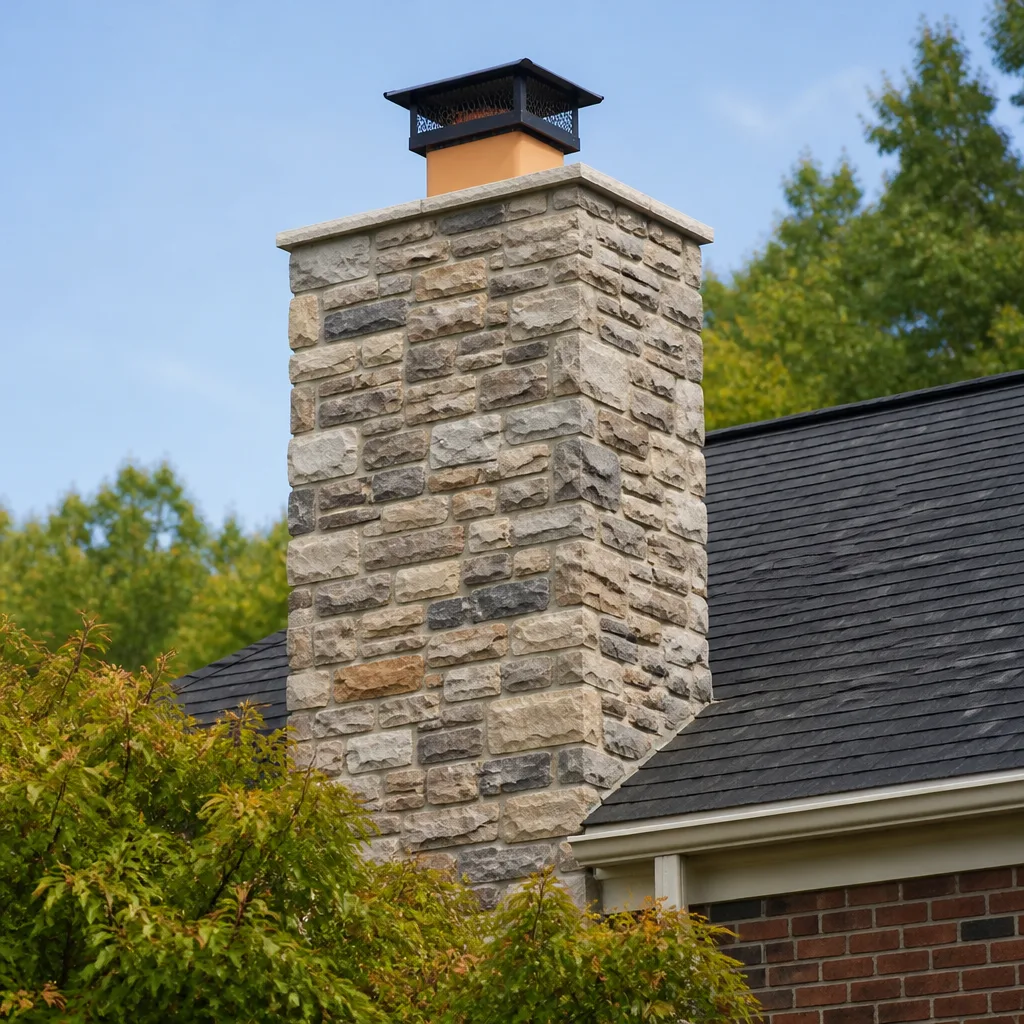 Masonry repair
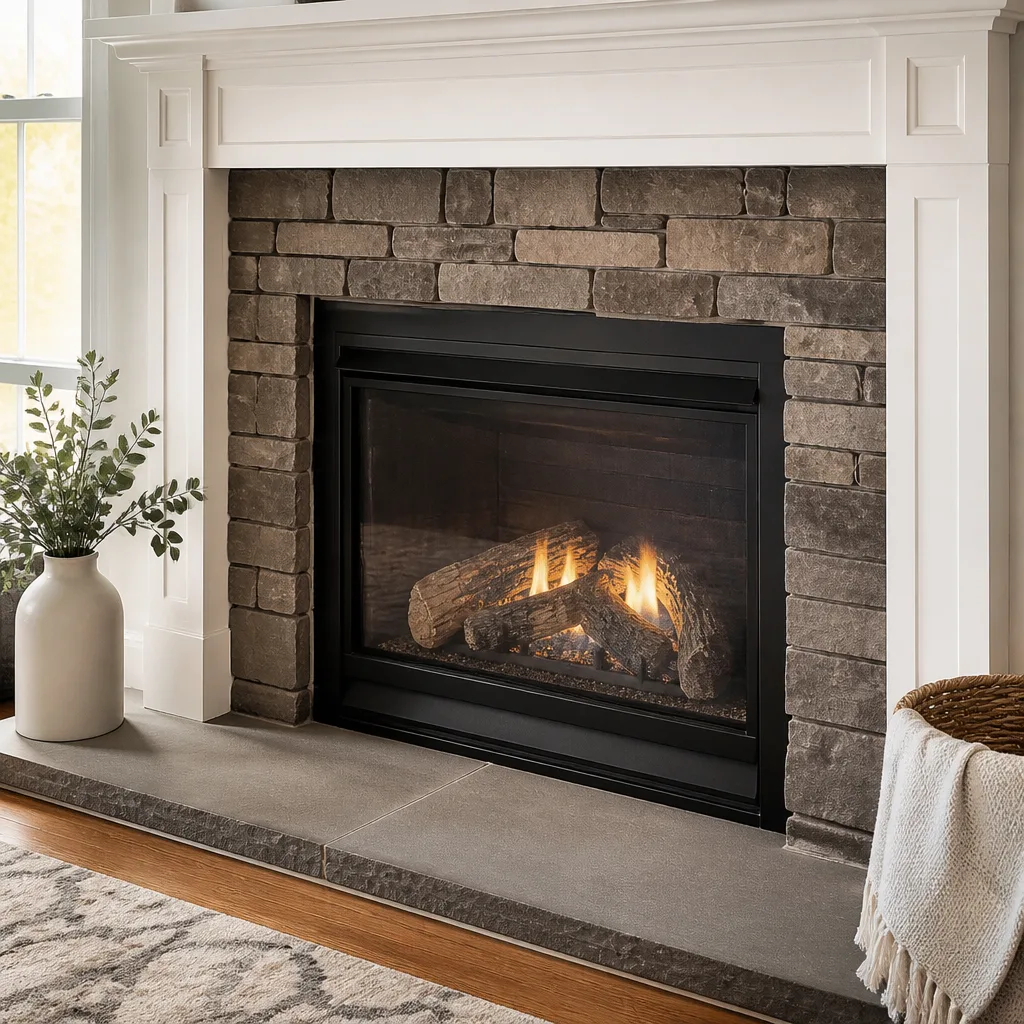 Gas fireplace service
Level 1 sweep and inspection to the NFPA 211 annual standard - flue, crown, cap, and flashing checked and photographed
Chimney sweep logs do not sweep chimneys. They loosen some creosote - which then falls where a brush and vacuum still have to collect it.
Chimney Sweep Troubleshooting in Cypress: Common Problems and How to Fix Them
If a chimney sweep tells you smoke backdraft “just means it’s dirty,” they’ve skipped the part where negative air pressure, flue sizing, and cap design all cause the exact same symptom. That single shortcut is why so many Cypress homeowners end up paying for a cleaning that never fixes the problem. Cleaning is one tool. Diagnosis is the job. Most of what brings people to the phone is a complaint with a name and a cause: smoke rolling into the room, a smell that shows up in warm weather, staining on the chase, a fire that’s harder to light than it used to be.
In this guide we walk through the diagnostic logic behind the five most common chimney complaints we handle in Cypress. You’ll learn how a technician tells one cause from another, what creosote stages mean for the cleaning method, why our mild climate changes what fails first, and which problems you can safely watch versus which mean stop using the fireplace today. No fear, no guesswork. Just the sequence a trained eye follows from the firebox to the cap.
Quick Answer
Most chimney problems fall into five categories: draft and backdraft, creosote buildup, water intrusion, liner damage, and debris or animal blockage. The right fix depends on which one you actually have, and the causes overlap closely enough that a proper diagnosis comes before any quote. A technician should identify the root cause with a camera inspection and show you the evidence before recommending work.
Styles & brands we work with
- Sweep & inspection
- Caps & crowns
- Flue relining
- Masonry repair
- Gas fireplace service
Table of Contents
- Why does smoke come into the room instead of going up the chimney?
- What do creosote stages 1, 2, and 3 actually mean?
- Why do Cypress chimneys fail differently in a mild climate?
- Is it a damper problem or a draft problem?
- How do you know if your chimney liner is failing?
- Where does water intrusion start and how is it stopped?
- Blockages: nests, debris, and how they’re cleared
- Monitor or stop using it? A simple decision guide
Why does smoke come into the room instead of going up the chimney?
Smoke entering the room is almost never a single cause. In our experience it comes down to one of three root problems, and they present almost identically. A technician’s job is to rule them out in order. If someone quotes a cleaning before doing that, they haven’t diagnosed anything.
1. Negative pressure inside the house
A chimney is a passive system. It relies on warm air rising up the flue and pulling fresh air into the firebox. When the house is sealed tightly, or when a kitchen exhaust fan, bathroom fan, or clothes dryer pulls more air out than the house lets back in, the chimney competes with the appliances for air. The result is a backdraft: smoke rolls out of the firebox even with a clean flue. Cypress homes built in the last couple of decades tend to be tighter than older stock, which makes this more common than people expect. A technician can test for it by lighting a small smoke source near the open damper and watching which way the air moves.
2. A blocked or partially blocked flue
A bird nest, a fallen cap fragment, or a heavy layer of glazed creosote narrowing the flue will cause the same symptom. The difference is that a blockage doesn’t care about pressure; it restricts flow no matter how the house is sealed. A camera inspection confirms this quickly, and it’s why we never recommend clearing a blockage over the phone.
3. Wrong flue-to-firebox ratio
Every firebox is designed to vent through a flue of a specific cross-sectional size. A flue that’s too small chokes the fire. A flue that’s too large cools the smoke before it exits, which slows the draft and lets creosote condense on the walls. Fireplace inserts added without matching the flue are a frequent source of this mismatch. Measuring the firebox opening and comparing it to the flue is a two-minute check that too often gets skipped.
What do creosote stages 1, 2, and 3 actually mean?
Creosote is the tar-like residue left behind when wood smoke cools on the flue walls. It comes in three forms, and the stage determines both the cleaning method and the risk. A standard brush sweep handles stage 1. It does not handle stage 3, and anyone who tells you otherwise hasn’t looked.
- Stage 1 (soot and light flake): A dusty, dark coating you can brush away with a standard flue brush. Normal accumulation after a season of use. Standard sweep.
- Stage 2 (crusty, flaky glaze): Harder and denser, still removable with a standard brush but requires more passes and often a chemical treatment to soften it first. If ignored, it thickens over time.
- Stage 3 (glazed, hardened tar): A shiny, rock-hard layer bonded to the flue. A brush will skip over it. Removal requires a chemical agent applied over time to break it down, followed by careful mechanical cleaning. Stage 3 is the form most associated with chimney fires, and it’s a stop-use situation until it’s removed.
Why does the stage matter for your wallet? Because a sweep who quotes a flat cleaning fee without inspecting is quoting for stage 1 and hoping. If your flue is stage 2 or 3, the job takes longer and the method is different. In our approach, the camera goes in first, the technician shows you the flue on the monitor, and the cleaning method is chosen based on what we see. That’s part of why our inspection and cleaning are connected: a technician who finds stage 3 during a sweep can address it, rather than handing you a report and telling you to call someone else. If you want the full picture of what a routine visit involves, see our guide to chimney sweep services.
Why do Cypress chimneys fail differently in a mild climate?
Here’s a pattern that catches people off guard. In a cold climate, fireplaces get used hard through the winter, and the seasonal rhythm of burn-and-rest keeps some problems in check. In Cypress, winters are mild, so many fireplaces sit dormant for months between fires. That idle time creates its own failures, and they’re different from what you’d expect in colder regions.
- Liner condensation: Warm, humid air moving against cool masonry during the off-season can leave moisture inside the flue. When the fireplace is finally lit again, that moisture combines with fresh soot and speeds up the bond of stage 2 and stage 3 creosote. The first fire of the season is often when people notice the smell.
- Spalling masonry: Water absorbed into brick and mortar expands when temperatures dip just enough to matter, and the surface flakes away over time. Cypress doesn’t get deep freezes, but a few cool nights after a wet spell can do real damage to a chase that’s already cracked.
- Check-damper rust and stuck dampers: A fireplace that hasn’t run in six months can have a damper that’s seized or a hinge that’s rusted. Mild, humid air in the off-season is harder on metal parts than dry cold.
- Pest entry: Extended dormant periods give birds, squirrels, and insects more time to nest. A cap that would get knocked loose or blocked in a busy winter can sit open through a full off-season.
The takeaway: a Cypress fireplace isn’t low-risk just because it gets less use. It just fails on a different schedule. If you’re seeing staining on the chase or a smell that shows up when the weather warms, water and condensation are the first suspects, and our chimney repair team handles the masonry, cap, and crown side of that work.
Is it a damper problem or a draft problem?
Homeowners consistently confuse these two, because both show up as “the fire won’t take” or “smoke won’t go up.” The fix is completely different, so getting the diagnosis right is the whole game. Here’s the distinction:
- Damper problem: The metal plate at the top of the firebox is stuck, warped, rusted, or not opening fully. The flue is fine, but the gate is blocking it. You’ll often hear it grind, or find it won’t stay open on its own. A damper problem is mechanical and visible.
- Draft problem: The damper opens and closes freely, the flue is clear, but the chimney still won’t pull. The fire struggles, smoke lingers, and the fire feels “lazy.” Draft problems come from pressure, flue sizing, flue height, or a cap that blocks the exit.
A quick test a technician runs: open the damper fully, look up the flue with a light, and confirm you can see clear daylight (or a clean shadow) from one end to the other. If the flue is visually clear and the fire still won’t pull, you’ve got a draft problem. If the flue is blocked by the damper itself, the damper is the issue. Beyond that, a smoke test near the open damper tells the technician whether the air is moving up, down, or sitting still, which rules in or out negative pressure. A cap with too small or blocked mesh also chokes the draft, and that’s a common find on Cypress homes where the original cap has aged. Our fireplace repair work covers damper replacement, firebox repairs, and the hardware that keeps the fire breathing properly.
How do you know if your chimney liner is failing?
A failing liner is a serious problem, and the honest answer is that you can’t tell from the firebox. The symptoms that bring a homeowner to call are vague by design: a faint smell when the fire is out, a fire that drafts worse than it used to, a rust streak inside the firebox door, or visible white staining on the outside of the chase. Any of those can point to liner damage, and none of them confirms it. That’s what the camera is for.
The liner is the flue surface inside the chimney, and it’s what protects the surrounding structure from heat and combustion byproducts. When it cracks, deteriorates, or separates at the joints, the chimney is no longer safely containing the fire. Our approach is to reline with professional-grade materials suited to the appliance and flue size, and we use DuraFlex flexible liner systems for that work. DuraFlex is a professional-tier product that requires correct installation knowledge, sizing, and insulation specification, which is a big part of why generalist handymen don’t offer it. But relining isn’t always the answer. Sometimes the “failing liner” is actually a masonry issue that HeatShield resurfacing can solve, restoring the flue surface rather than replacing the whole liner.
Here’s where we draw a hard line: no liner replacement is recommended without camera evidence you can see for yourself. If the liner looks intact on the monitor, we say so, and we tell you what to monitor instead. If a technician can’t show you the crack they’re asking you to pay to fix, keep asking questions.
Where does water intrusion start and how is it stopped?
Water damage is one of the most common and most preventable chimney problems, and it almost always starts at the top. The chase, crown, cap, and flashing are the weather surface, and any one of them failing lets water in. From there, water runs down the flue, soaks into masonry, and shows up as a smell or a stain weeks later, far from where it started.
The four places water gets in, in order of frequency:
- Cracked crown: The concrete cap at the top of the chase cracks as it ages, and water seeps into the masonry beneath it. Resurfacing or rebuilding the crown seals the top.
- Missing or damaged cap: A chimney cap keeps rain, debris, and animals out. One that’s cracked, loose, or missing lets all three in. Our cap and crown work with Gelco and Famco components is designed for this exact problem.
- Failed flashing: The metal where the chimney meets the roof. When it pulls away or rusts through, water runs down the roof line and into the attic or the chase.
- Porous masonry: Brick that has absorbed water over years becomes a sponge. A breathable waterproofing treatment can stop it, but only after the actual source of water is fixed.
Catching this early is the entire game. A cap and crown appointment is cheap compared with masonry reconstruction, and it’s the structural side of chimney care most basic cleaning companies don’t handle. If you’re seeing any of the water symptoms above, our chimney repair team can diagnose the source and fix it in one visit rather than passing you to a roofer and back again.
Blockages: nests, debris, and how they’re cleared
A blocked flue is dangerous for two reasons: it forces smoke and combustion gases back into the home, and it can trap a fire that never vents properly. Blockages are common in Cypress during the off-season, when a quiet dormant chimney becomes a protected nesting site. A properly installed cap prevents this entirely, which is one of the quieter benefits of getting the cap right.
How a technician clears a blockage, and why it’s not a phone fix:
- Confirm the location with the camera. A blockage near the top of the flue is a different job from one sitting just above the damper.
- Isolate the flue. A technician closes off the firebox so debris doesn’t fall into the living space. This is a containment step, not a cleaning shortcut.
- Remove the blockage mechanically. Birds’ nests need to come out in one piece where possible, and the flue gets a full sweep afterward because nesting material leaves a residue that attracts more nesting.
- Inspect the flue for damage the nest may have hidden. Nesting material holds moisture against flue walls, and a six-month nest can leave damage a cleaner brush never touches.
- Fit or repair the cap. Without a cap, the blockage recurs next season. No exceptions.
Never try to clear a flue from the firebox on your own. It’s unsafe, it’s likely to leave debris lodged midway, and it can’t be done safely without knowing what’s in there. Chimney sweeping in Cypress is a booked job for this reason. If you suspect a blockage, stop using the fireplace and call.
Common Mistakes to Avoid
- Assuming smoke means “needs cleaning.” A dirty flue is one of five or six causes of backdraft. Cleaning a pressure problem doesn’t fix a pressure problem, and you’ll be right back on the phone.
- Running a brush sweep over a stage 3 glazed flue. Standard brushes skip over glazed creosote. The flue looks clean from the top, but the dangerous layer is still there. Stage 3 needs chemical treatment, not a brush.
- Treating a cap as a cosmetic item. A missing or damaged cap is the front door for water, debris, and animals. Replacing one is a cheap call compared with fixing what it lets in.
- Ignoring a smell that only shows up in summer. The warm-weather smell is often a sign of moisture stuck in the flue, not a mystery. Mild Cypress winters make condensation a real culprit, and it won’t go away on its own.
- Replacing a liner without seeing the crack. If a technician recommends relining and won’t show you the camera footage, get a second opinion. Our rule is simple: nothing is recommended that you can’t see on the monitor.
- Skipping the sweep because the fireplace gets “light use.” A fireplace that sits dormant most of the year in a mild climate is a magnet for condensation and nest-building. Light use is not a low-risk pattern in Cypress; it’s a different pattern.
- Fixing the symptom and not the source. Painting over a stain or caulking a crack in the chase might look tidy, but water intrusion comes from the crown, cap, or flashing above. A repair that doesn’t address the source just buys you time until the next rainy season.
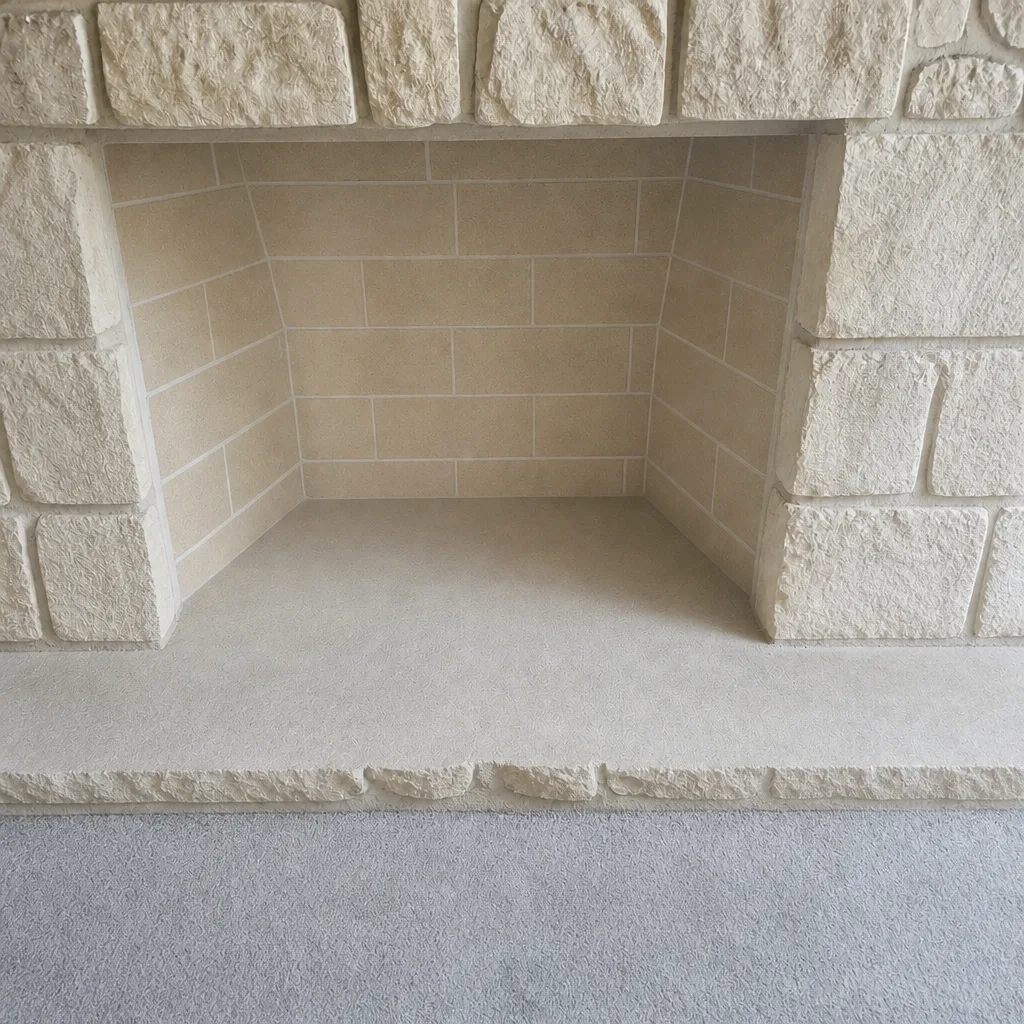
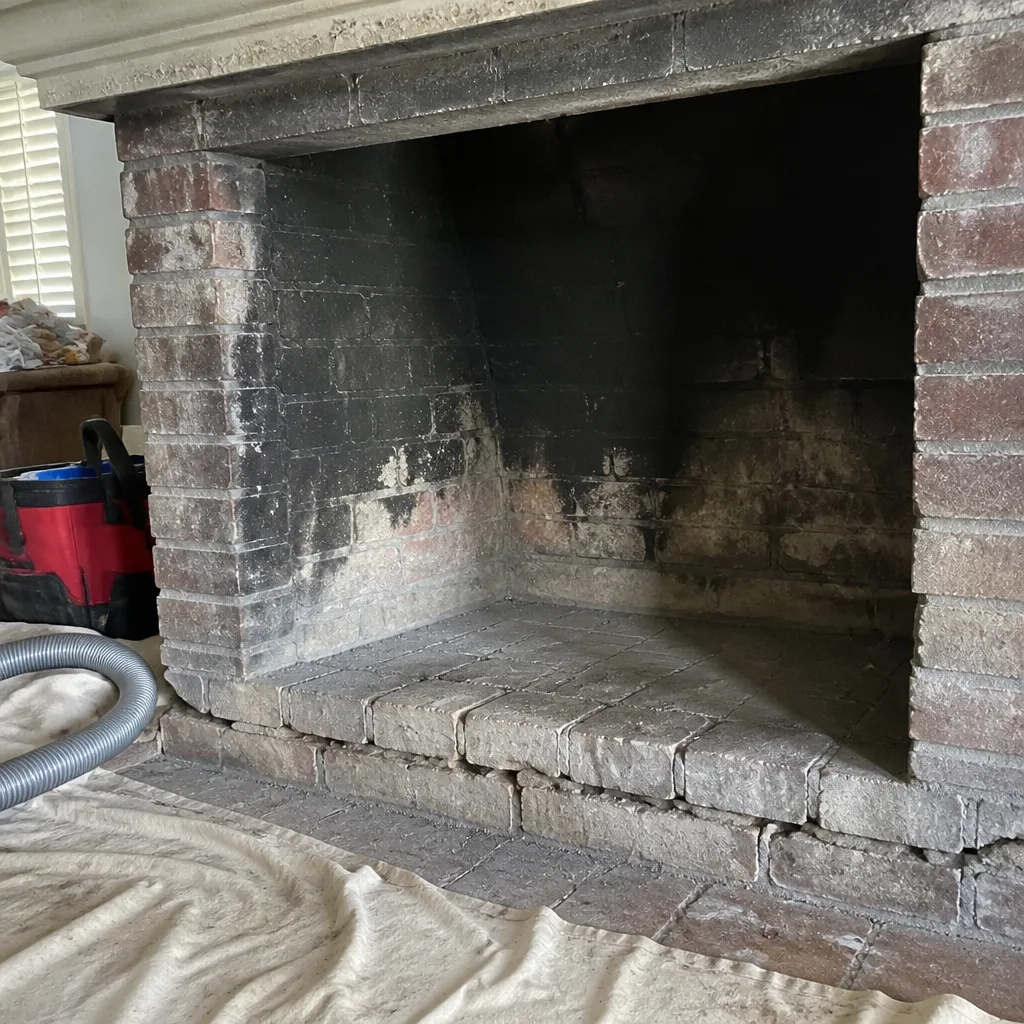
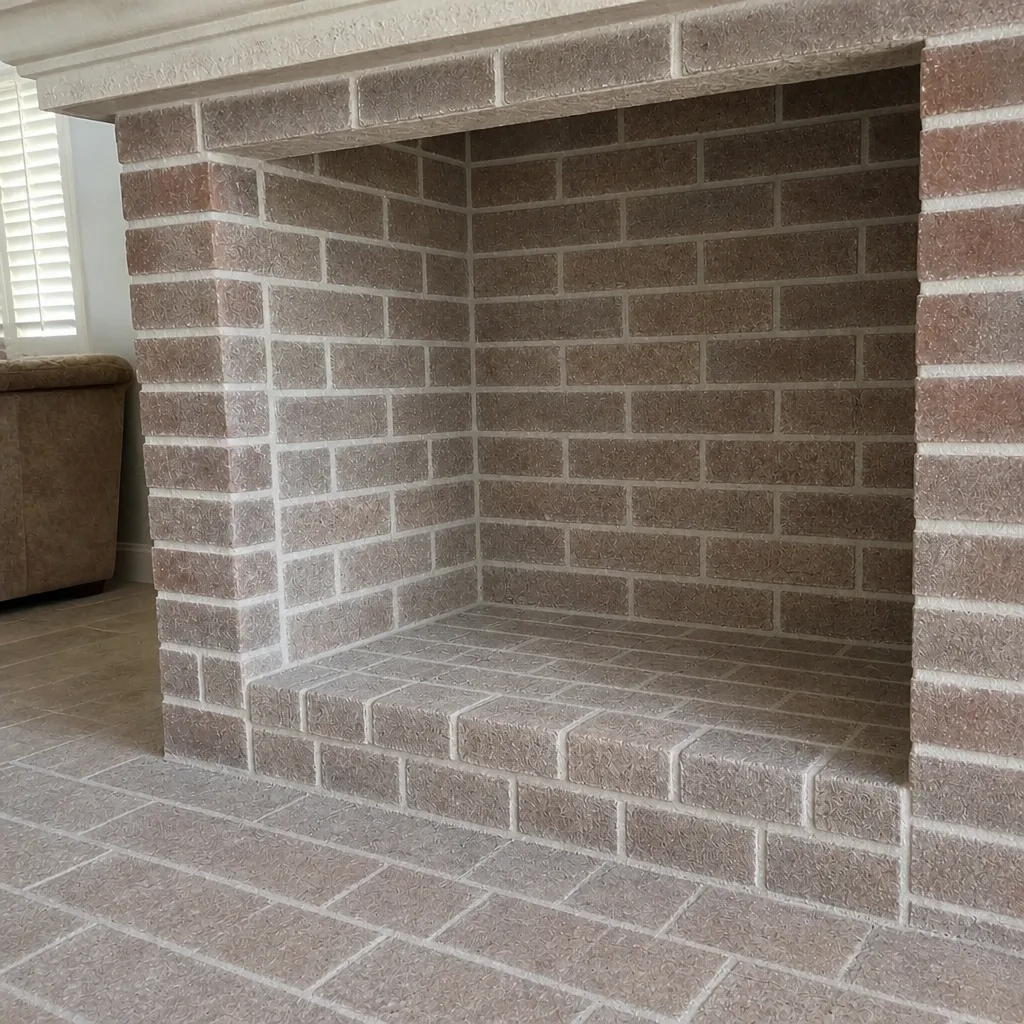
See the difference
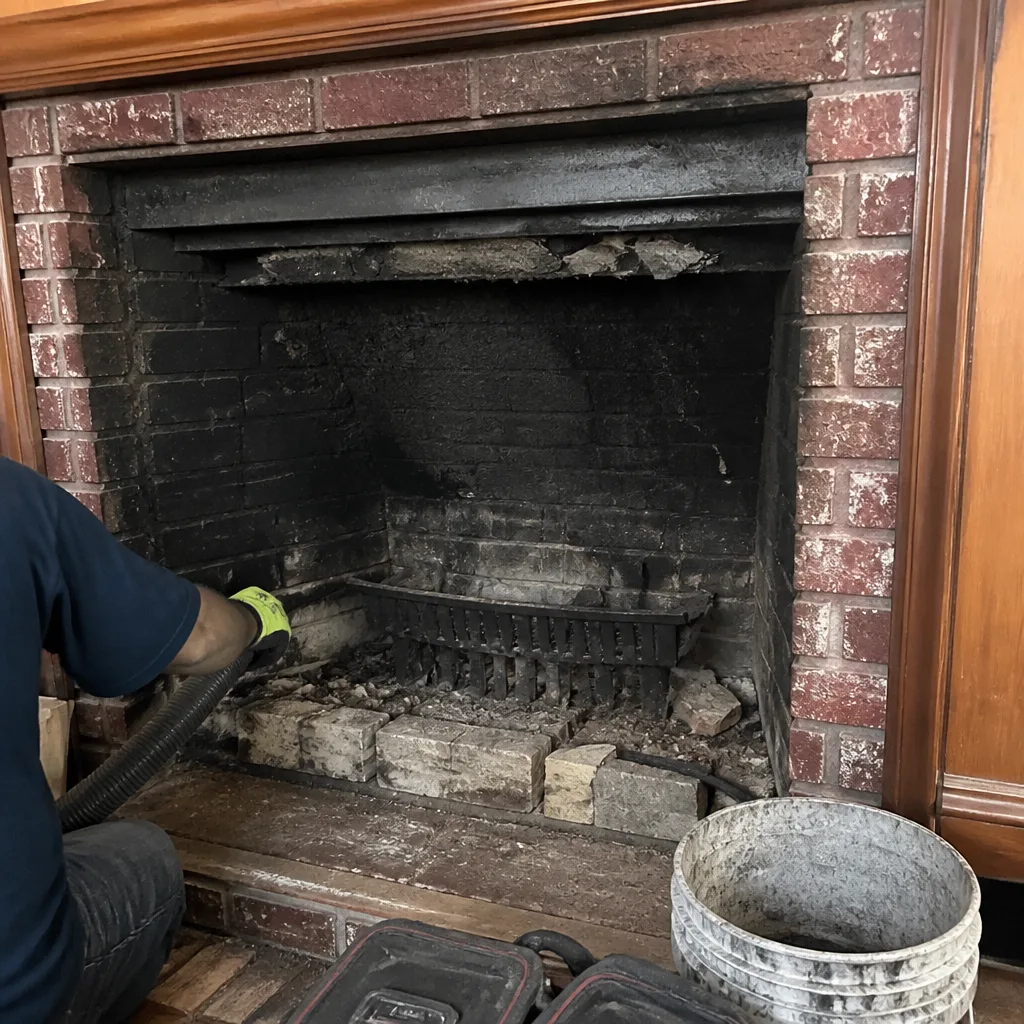 Before
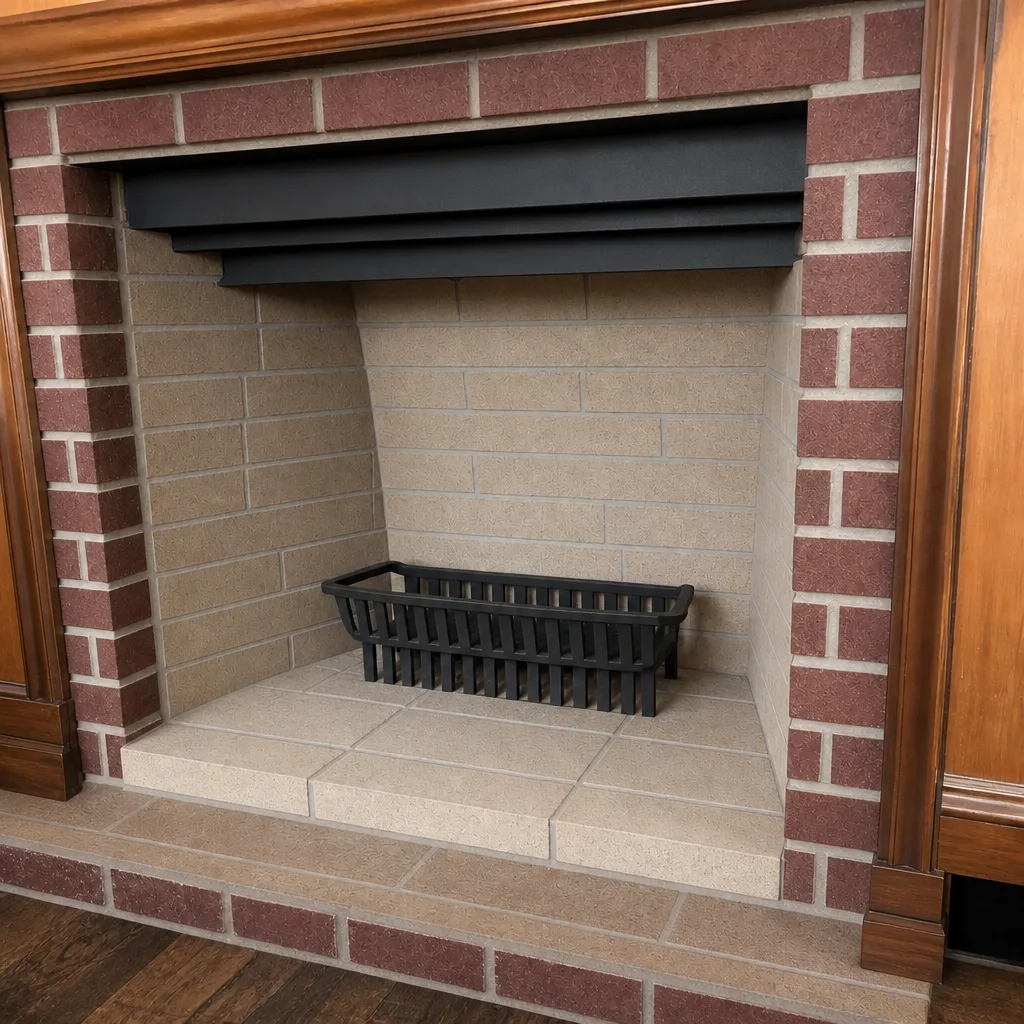 After
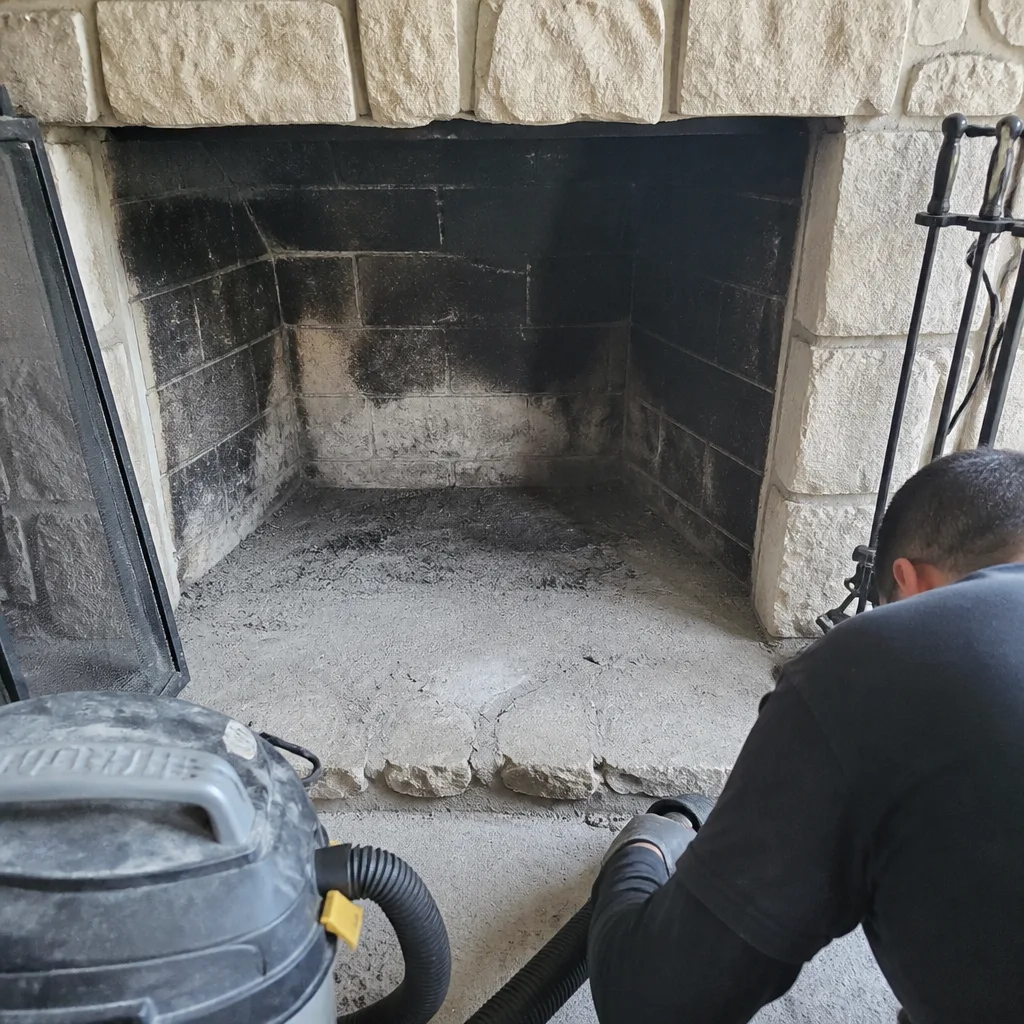 Before
 After
 Before
 After
When to Call a Professional
Some issues can wait for a scheduled sweep. Others can’t. Call a professional before the next fire if you’ve noticed any of these: smoke rolling back into the room with a clean, open damper; a smell of soot or moisture in the house when the fireplace is off; visible white staining on the chase or a rust streak near the firebox; a damper that won’t open fully or won’t stay open; visible debris on top of the chimney or a missing cap; or a fire that takes noticeably longer to catch than it used to. Any of those is a reason for a proper inspection, not a guess.
A chimney sweep is a booked service, and the urgency is seasonal, not hourly. Get it scheduled before the first fire of the season. Chimney Sweep Cypress offers free estimates in Cypress. Call (844) 656-4099. We answer 24/7. Fast dispatch from 7am to 7pm, Sunday through Friday.
Frequently Asked Questions
For a fireplace that gets regular winter use, most professionals recommend an annual inspection with a sweep as needed. In Cypress, a mild climate means many fireplaces sit dormant for months, which shifts the risk from heavy soot to condensation and nesting. An annual check catches both. Call (844) 656-4099 for a free estimate – estimates are free.
The most likely cause is moisture or soot trapped in the flue, activated by warm, humid air in the off-season. Cypress’s mild climate makes this common because the fireplace sits unused while moisture works on the flue walls. The fix depends on whether the source is soot, moisture, or both, and a camera inspection tells the technician which. Call (844) 656-4099 for an exact quote.
Only if the camera shows a crack, separation, or deterioration that can’t be resurfaced. Many “failing liners” can be repaired with HeatShield resurfacing, and some are fine and only need monitoring. Our rule is that no liner replacement is recommended without evidence on the monitor you can see for yourself. Call (844) 656-4099 and ask for the evidence first.
Skipping one annual inspection is usually low-risk if the flue was clean last time and the fireplace is in good condition. The real risk builds over multiple skipped seasons, when creosote thickens toward stage 3 and small cracks in the crown or cap go unrepaired through rainy weather. Call (844) 656-4099 for a free estimate before the next fire season instead of guessing.
You can rule out a stuck damper without calling anyone, but you can’t safely diagnose negative pressure, flue sizing, or a blockage from the firebox. The most common mistake we see is homeowners trying to clear a blockage from below, which can leave debris lodged mid-flue. Call (844) 656-4099 for a professional diagnosis and a free estimate.
Yes. A cap separates a functioning chimney from one that gets rain, debris, and nesting animals inside it. In our experience, most water damage and animal blockages we handle in Cypress trace back to a cap that was missing or damaged. Our cap and crown work with Gelco and Famco components is designed to close that gap. Call (844) 656-4099 for a free estimate.
The Bottom Line
Most chimney problems in Cypress have a diagnosable root cause, and the five common categories have more in common than they do in isolation. Backdraft, creosote, water intrusion, liner damage, and blockages present with overlapping symptoms, which means the fix only works when you know which one you’re looking at. The three habits that protect a fireplace are simple: get an annual inspection, fix water intrusion at the cap and crown before it works its way down, and insist on seeing the evidence before agreeing to any repair. At Chimney Sweep Cypress, our approach is to inspect it and fix it in one relationship, using professional-grade materials like DuraFlex, HeatShield, Gelco, and Famco, well beyond a basic sweep. We inspect it and we fix it, from the firebox to the cap. Built to last, not patched to pass inspection. Call (844) 656-4099. We answer 24/7. Fast dispatch from 7am to 7pm, Sunday through Friday.
Written by the team at Chimney Sweep Cypress.