
Last updated November 25, 2026
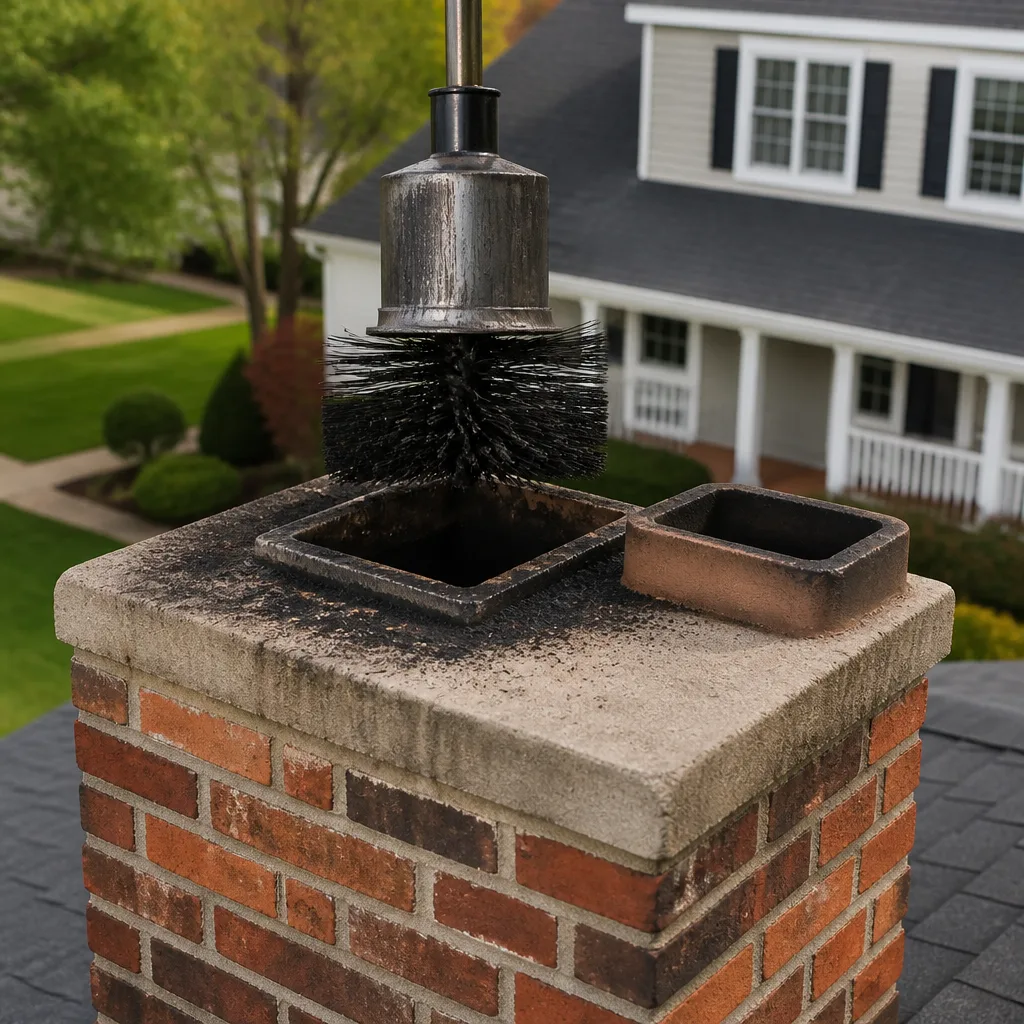 Sweep & inspection
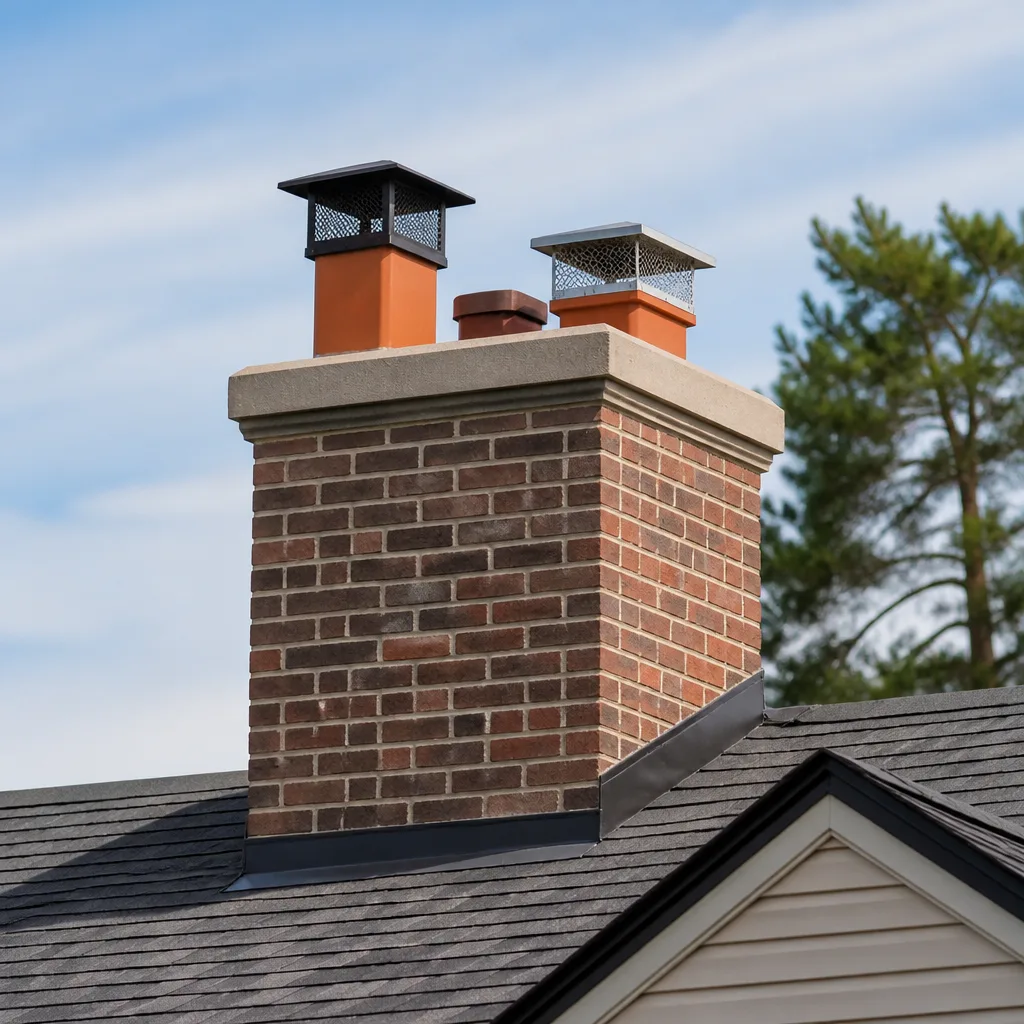 Caps & crowns
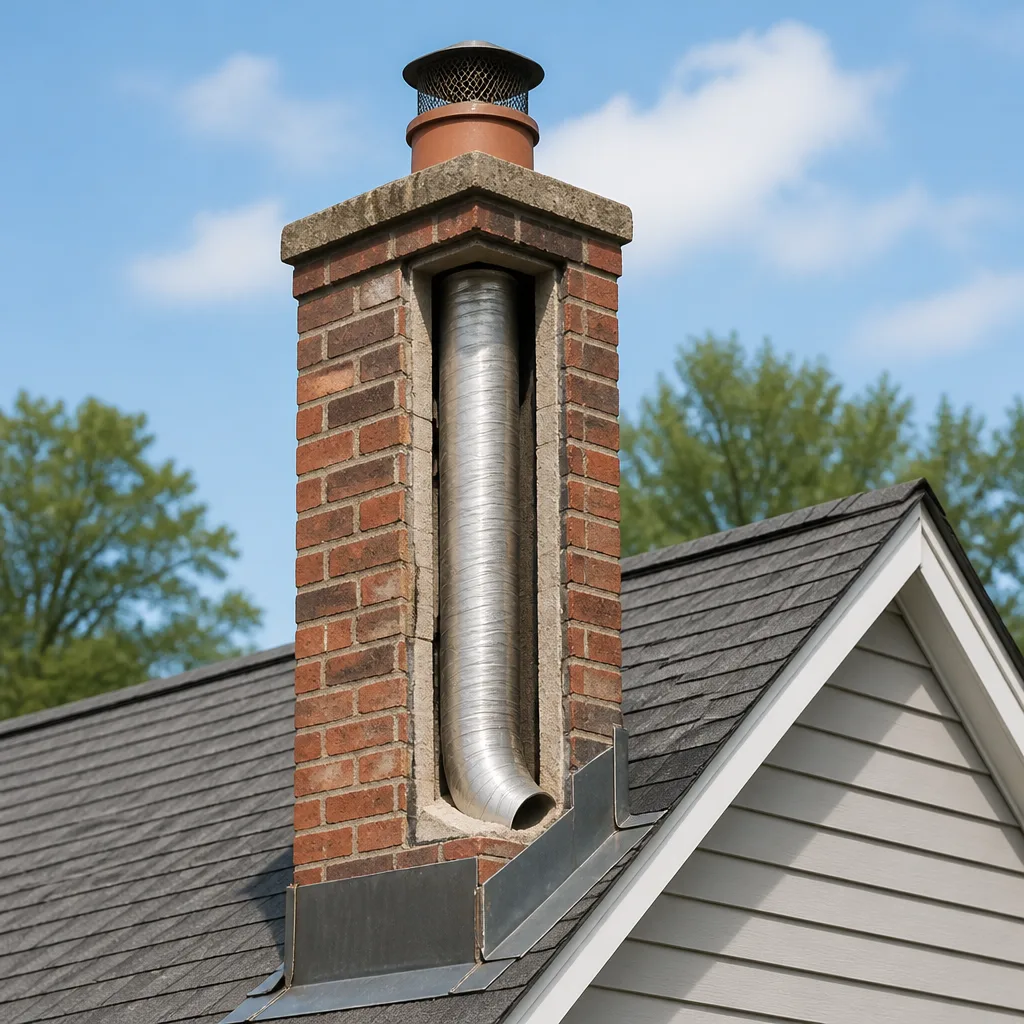 Flue relining
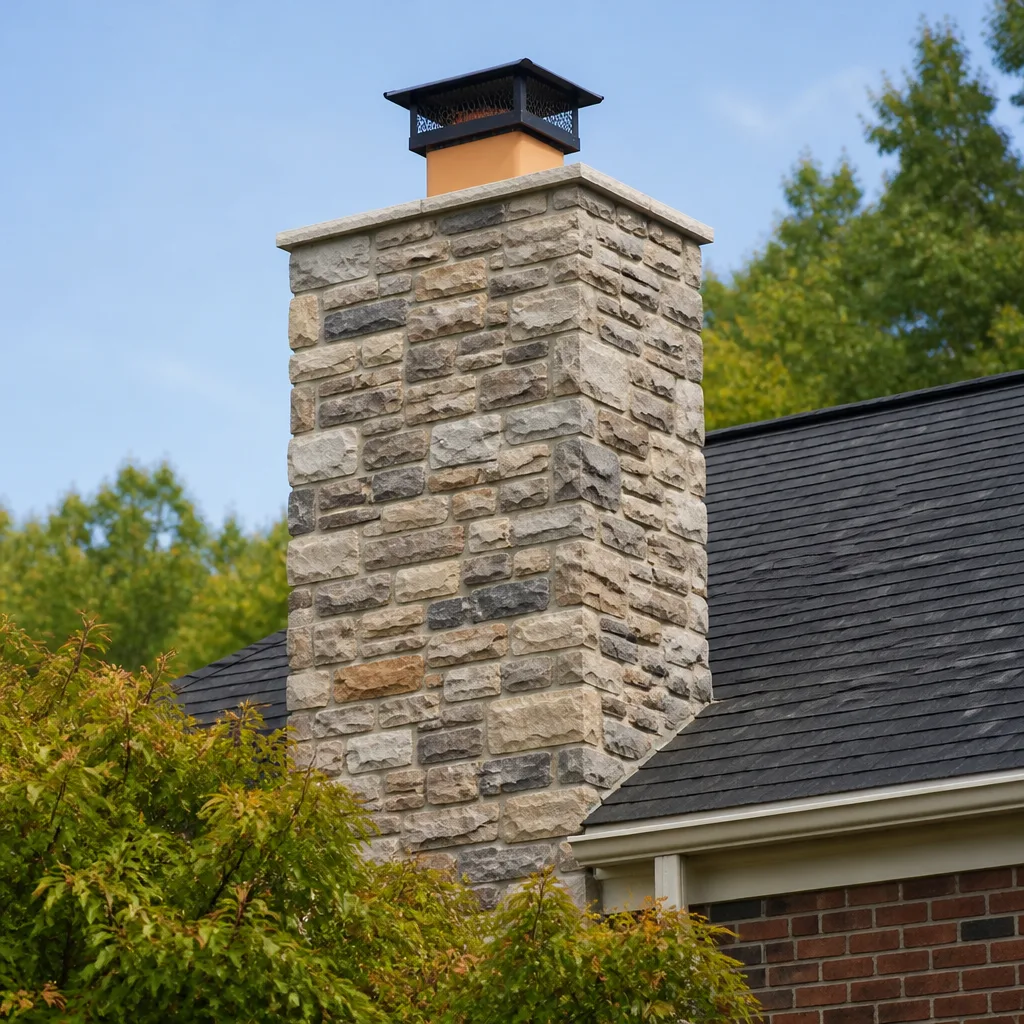 Masonry repair
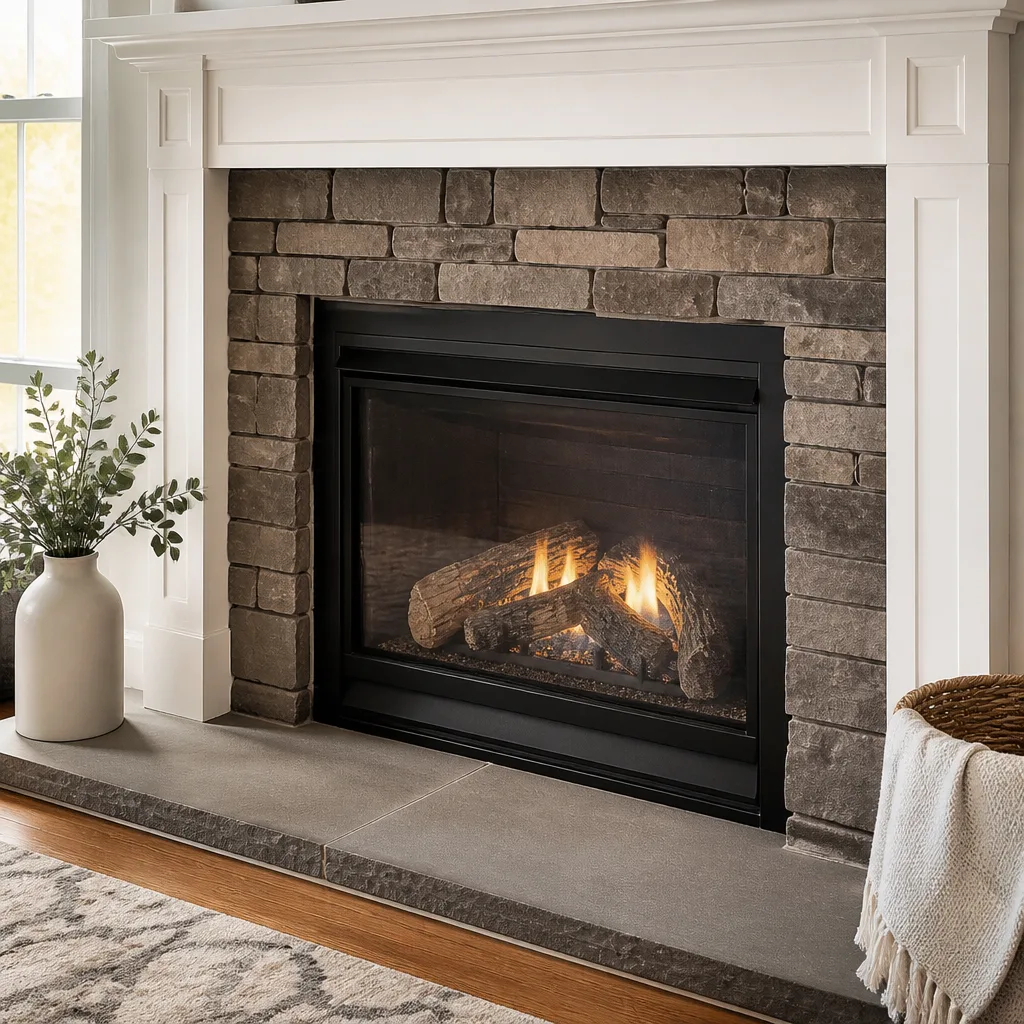 Gas fireplace service
Level 1 sweep and inspection to the NFPA 211 annual standard - flue, crown, cap, and flashing checked and photographed
Chimney sweep logs do not sweep chimneys. They loosen some creosote - which then falls where a brush and vacuum still have to collect it.
Choosing the Right Chimney Cleaning Brand: A Buyer’s Guide for Cypress
Two contractors quote the same stainless steel liner replacement at nearly the same price. One installs 304-grade stainless, which corrodes faster in a wood-burning application. The other installs 316Ti alloy, the grade actually rated for the job. Same line on the estimate. Very different chimney ten years from now. That gap is the whole point of this guide. When Cypress homeowners ask who the best chimney cleaning company is, the honest answer comes down to material specs, not franchise signs on the side of a truck. We’ll walk through what to ask, what to verify, and how to read a written estimate so the brands and grades do the work for you.
Quick Answer
The right chimney cleaning brand in Cypress is the one that names its equipment materials, liner alloy grades, crown coatings, and sealants in writing, then stands behind that spec with the actual repair. A contractor who says “stainless liner” and won’t specify grade or wall thickness is a contractor you can’t verify. In this guide you’ll learn which product categories matter most, how to ask contractors what brands they use, and how to read a material spec like a professional.
Styles & brands we work with
- Sweep & inspection
- Caps & crowns
- Flue relining
- Masonry repair
- Gas fireplace service
Table of Contents
- Why “brand” means materials, not franchise names
- The four material categories where grade determines lifespan
- Liner alloys: 304 versus 316Ti and what actually matters
- Caps, crowns, and flashing: structural weatherproofing
- Creosote treatments: what the research shows
- How to ask a contractor about brands and grades
- How to read a material spec in a written estimate
- Franchises versus independent specialists in Cypress
Why “Brand” Means Materials, Not Franchise Names
When most people search for a chimney cleaning company in Cypress, the word “brand” usually refers to the logo on the truck. That’s the least useful thing to evaluate. The franchise name on the door tells you almost nothing about what goes into your chimney. It tells you something about training structure and advertising spend. It does not tell you which liner alloy your chimney will get, which crown coating will seal the top, or which flashing sealant holds up through a warm Southern California summer followed by a wet winter.
The material brand, by contrast, tells you almost everything. Professional-grade manufacturers like DuraFlex, HeatShield, Gelco, Olympia Chimney, Famco, and Copperfield exist because the chimney trade has spent decades establishing what actually survives in the field. These companies supply the materials that certified professionals nationwide rely on for repair work that has to last. When a contractor names those brands, they’re telling you something measurable. When they name a franchise instead, they’re telling you about marketing.
Here in Cypress, that distinction has a practical edge. Winters are mild and summers are dry, which changes the failure modes compared to colder climates. Creosote still forms from wood smoke. Water still finds its way into crowns and flashing during winter rains. Liner corrosion still happens from moisture and acidic condensate, just at a different pace. The material spec is what governs how the chimney handles all of it.
The right question, then, isn’t “which franchise is best?” It’s “which contractor uses which materials, and can they prove it?” That’s the question this guide is built around. If you want to start with the basics of what a cleaning visit actually involves, our chimney sweep page covers the process from the firebox outward.
The Four Material Categories Where Grade Determines Lifespan
Chimney work touches dozens of materials, but four categories decide whether a repair lasts five years or twenty. Get these right and the rest is housekeeping. Get them wrong and you’ll be back on the phone in a few seasons.
1. Liner alloy and construction
The flue liner is the internal pipe that carries smoke and gas to the top of the chimney. Stainless steel flexible liners are the standard for wood-burning and gas appliances. The alloy grade, wall thickness, and joint construction are the spec that matters. More on this below.
2. Chimney caps
The cap sits at the top (or should) and keeps rain, animals, and debris out of the flue. A stainless cap from a professional brand like Gelco or Olympia Chimney outlasts a galvanized hardware-store cap by a wide margin. Caps are also the cheapest prevention against water intrusion into a flue.
3. Crown coatings and repair materials
The crown is the concrete slab at the top that sheds water away from the flue. Cracked crowns let water into the chimney structure. Crown coatings from brands like Copperfield and HeatShield resurfacing systems address the crown and upper flue in a way that basic mortar patch work cannot. This is where structural specialists separate themselves from sweep-and-go cleaners.
4. Flashing sealants
Flashing is the metal and sealant that bridges the chimney and the roof. It’s the most common source of leaks that homeowners blame on the chimney itself. Professional-grade sealants (Famco and Copperfield both make products in this category) hold through the rain-dry cycle of a Cypress year better than cheap caulking. If the estimate says “seal flashing” without naming a product, ask.
Each of these categories has a real brand-level answer and a generic answer. The contractor who reaches for the brand-level answer is telling you they’ve thought about failure modes. The contractor who doesn’t is telling you the same, in reverse. If you’re already sensing the chimney needs more than a sweep, our chimney repair page covers the diagnostic side.
Liner Alloys: 304 Versus 316Ti and What Actually Matters
The opening line of this guide is worth repeating here, because it’s the single most common quality gap we see in Cypress estimates. Two contractors quote the same stainless steel liner. One installs 304-grade, one installs 316Ti. Both look like stainless. Both are stainless. They are not the same product.
304-grade stainless is a general-purpose alloy with reasonable corrosion resistance. 316Ti adds titanium and molybdenum, which improves resistance to chloride and to the acidic condensate that wood smoke produces. For a wood-burning appliance in active use, 316Ti is the grade rated for the job. 304 is often used in lower-cost installs because the material is cheaper and easier to form.
What to ask about a liner spec
- Alloy grade: “Which alloy, 304 or 316Ti, and why did you choose it for this application?”
- Wall thickness: Listed in thousandths of an inch. Thicker is more durable, not automatically better, but a spec sheet will state it.
- Joint construction: Whether seams are welded or riveted. Welded is the professional standard for flexible liners.
- UL listing: The liner should carry a UL 1777 listing for the application. Ask to see the reference.
- Manufacturer: DuraFlex is one professional-tier brand in this category. If the estimate names a brand, you can verify the spec sheet independently.
- Insulation: Whether the liner install includes a wrap or pre-insulated system, and what product.
The reason to care about the brand name is that names like DuraFlex, Olympia Chimney, and Copperfield publish their own technical specs. If the contractor names the brand, you can look it up. If the contractor refuses to name the brand, that’s your answer.
The wrong reason to choose a liner
Price alone is the wrong reason. The gap between a 304 and a 316Ti install is real money, but a liner that fails early in a wood-burning application costs more to replace than the difference at install. The right reason to choose a liner is that the spec matches the appliance and the use. Our fireplace repair page covers how the appliance side connects to the flue side, which is where that matching happens.
Caps, Crowns, and Flashing: Structural Weatherproofing
Water damage is the leading non-fire cause of chimney deterioration in Cypress. That statement surprises people who picture the chimney as a fire appliance. But the top of the chimney is a concrete slab and a metal cap sitting on a roof, and it takes the brunt of the winter rain while the sun works on it the rest of the year. A cracked crown or a missing cap will do more long-term damage than a season of neglected sweeping.
This is why we treat cap, crown, and flashing work as structural, not cosmetic. It’s also why a buyer’s guide to chimney brands has to cover them. A sweep-only contractor can tell you the crown is cracked. They can’t necessarily fix it. The material brands that matter here are different from the liner brands.
What a structural weatherproofing scope should include
- Crown inspection: Identify cracks, spalling, or separation from the flue tile.
- Crown coating or rebuild: A proper crown coating from a brand like Copperfield or a HeatShield resurfacing on the upper flue, depending on the condition found.
- Cap replacement or install: A stainless cap sized and fitted to the flue. Gelco and Olympia Chimney are professional-tier brands in this category.
- Flashing seal and repair: Famco and Copperfield both make professional-grade flashing sealants. The spec should name the product.
- Photo documentation: Before-and-after photos of the crown, cap, and flashing, so you can see what was actually done.
That last point matters in Cypress, because the crown and cap are on the roof where you can’t easily see them. Ask for the photos. A contractor who does this work routinely takes them without being asked. A contractor who doesn’t have photos is telling you something about how they work.
What a cap actually does
A chimney cap does three jobs. It keeps rain out of the flue, which protects the liner and the firebox. It keeps animals out, which prevents nests and debris blockages. And it improves draft by reducing downdrafts. The cap is one of the highest-value items on any chimney scope. If your chimney doesn’t have one, that’s worth resolving first, before anything else on the list.
Creosote Treatments: What the Research Shows
The chimney industry sells a lot of chemical products marketed for creosote removal and prevention. Some of them work. Many of them are sold as a shortcut around physical sweeping, which is the only method that removes the hard glazed creosote that causes chimney fires. A buyer’s guide that ignores this category leaves you exposed to upselling.
What you need to know about creosote chemistry
Creosote forms in three stages, from light soot to flaky deposits to glazed, tar-like creosote that’s essentially baked onto the flue. Stage three creosote is what causes chimney fires. No chemical product sold to homeowners removes stage three creosote from a flue. Chemical treatments can soften or loosen lighter deposits to make a sweep more effective. They can act as a maintenance supplement between sweeps. They are not a replacement for mechanical cleaning.
How to evaluate the claim
- Ask whether the product is being used to supplement a sweep or to replace one. If the answer is “replace,” push back.
- Ask the brand name and whether the product has an independent lab reference. If the contractor can’t name it, don’t buy it.
- Ask what stage of creosote they’re treating. A responsible contractor will tell you which stages respond to chemistry and which require mechanical removal.
- Ask whether the treatment is applied by the contractor or sold to you as a log or powder. A product you apply yourself between professional visits is fine. A product sold as a substitute for professional cleaning is a red flag.
In our experience, the products worth using are the ones a professional brand stands behind and applies during or after a sweep as a supplement. The products to avoid are the ones advertised with language promising a “sweep-free” chimney. Sweeping is the standard. Chemistry is the assist.
How to Ask a Contractor About Brands and Grades
Most homeowners never ask. That’s where the quality gap starts. Here’s a sequence of questions that will tell you more about a contractor’s material discipline than any review or brochure.
Step 1: Ask the open question first
“Which brands of liner, cap, crown, and flashing products do you typically install?” Then wait. A contractor who works with professional-tier brands will name them without hesitation. A contractor who doesn’t will give you a general answer (“we use quality materials”) or change the subject. Both are useful data.
Step 2: Ask the specific spec question
“For a wood-burning appliance of this type, which alloy grade would you install and why?” The answer should reference 304 or 316Ti, and should explain the choice based on the appliance and how it’s used. If the answer is “whatever’s available” or “our standard liner,” you’re not talking to a materials specialist.
Step 3: Ask to see the spec sheet
Professional brands publish technical specifications. DuraFlex, Olympia Chimney, and Copperfield all have this documentation. Ask to see the spec for the product being quoted. If the contractor can produce it, that’s a positive sign. If they can’t, that’s a real limiter on how much you can trust the install.
Step 4: Ask for the written estimate’s material line
The estimate should name the product and grade, not just the category. “Stainless liner” is a category. “DuraFlex 316Ti, [wall thickness], UL 1777 listed” is a spec. Ask for the spec. If the estimate doesn’t have it, ask them to add it before you sign.
Step 5: Ask what happens if the material fails
Professional-grade materials come with manufacturer warranty terms. Ask what those terms are, and whether the contractor’s workmanship guarantee extends beyond them. A contractor who can answer both questions in specific language is worth taking seriously.
None of these questions are hostile. A professional-grade contractor expects them and answers them readily. The contractor who gets defensive when asked about grades is telling you what the install will actually be. If you’d like to run these questions by us first, the team at Chimney Sweep Cypress answers the phone.
How to Read a Material Spec in a Written Estimate
The written estimate is where the truth lives. A vague estimate is worse than no estimate, because it lets the contractor substitute materials freely at install time without you noticing. Here’s how to read one like a professional.
Vague spec versus detailed spec
- Vague: “Install stainless steel liner, seal flashing, replace crown.”
- Detailed: “Install DuraFlex 316Ti flexible liner, [diameter], [wall thickness], with [insulation product]. Seal flashing with Famco sealant. Install Copperfield crown coating over prepared surface. Install Gelco stainless cap sized to [flue tile dimension].”
The detailed version is verifiable. You can look up each product, check the specs, and compare across quotes. The vague version is not verifiable, and that’s exactly why some contractors prefer it. If the estimate can’t be compared, the contractor controls the comparison.
What should appear in a professional estimate
- Product brand and model or grade for every material being installed.
- Quantity or dimension for each item (linear feet of liner, flue size, cap dimensions).
- Whether the existing liner is being removed or relined, and how.
- Whether the crown is being coated, rebuilt, or left alone, and why.
- Whether the flashing is being sealed or replaced, and with what product.
- The manufacturer warranty terms for materials, and the contractor’s workmanship guarantee terms.
- Photo documentation before and after.
An estimate without these is a conversation starter, not a quote. That’s fine, as long as you treat it that way. The one you sign against should have the spec in it. In Cypress, where mild winters and dry summers mean a well-spec’d repair genuinely lasts, the effort of verifying the spec is the difference between a repair that holds and one that doesn’t.
A note on “patching to pass inspection”
Some contractors work to a standard where the goal is for the chimney to pass inspection, not to last. If the crown is cracked, they smear sealant over it. If the flashing leaks, they caulk it. If the liner is failing, they patch the visible part. A professional-grade estimate prices the correct repair, not the cheapest one that survives a visual check. Ask which one you’re getting. Our full-system approach is built around the correct repair, because we inspect it and we fix it, from the firebox to the cap.
Franchises Versus Independent Specialists in Cypress
Big franchise chimney brands dominate the search results. That’s a marketing fact, not a quality signal. The franchise name on the truck is a promise about brand experience, not about which liner alloy your chimney gets. Those two things are unrelated, and the search results are what confuse them.
Where franchises tend to work well
Large franchises invest in training infrastructure and standardized processes. That produces consistent basic service. For a straight sweep and a visual inspection on a straightforward chimney, a franchise is often perfectly fine.
Where independent specialists tend to work better
The moment the scope gets past basic cleaning, the material and repair questions start to matter more than the brand experience. Independent specialists who’ve built their practice on full-system repair work tend to reach for professional-grade materials because their repeat business comes from the repair lasting. They also tend to be the ones stocking and installing liners, crown coatings, and structural caps from brands that a sweep-only operator may not carry.
In Cypress, the split shows up in a few specific areas:
- Liner work: Independent specialists who install DuraFlex and Olympia Chimney products carry the spec knowledge and can discuss alloy grade. A sweep-and-go operator typically hands off the install to a subcontractor.
- Crown and upper flue: HeatShield chimney resurfacing is a specialized repair capability. A basic sweep company may not offer it. The independent specialist who does can solve structural issues a cleaner would just flag in a report.
- Caps and flashing: Gelco and Famco products are professional-tier. The contractor who names them can specify them in the estimate. The contractor who doesn’t will use whatever the supply house has that week.
- Fireplace repair: The appliance side and the flue side are one system. The contractor who works both sides can diagnose problems that a cleaning-only service would miss.
None of this means every independent in Cypress is good. Plenty aren’t. It means the material spec and the repair capability are the things to check, and independent specialists are the category where that check is most likely to yield a professional-tier answer. If you want the diagnostic to connect directly to the repair, that’s the model we work in. Call (844) 656-4099 if you’d like to talk it through. We answer 24/7. Fast dispatch from 7am to 7pm, Sunday through Friday.
Common Mistakes to Avoid
- Accepting “stainless liner” as a spec. Stainless covers a wide range of alloys and wall thicknesses, and the difference matters in a wood-burning application. Ask for the alloy grade and the manufacturer name before you compare prices.
- Choosing the lowest bid without reading the material line. The lowest bid is usually the lowest because the material is cheaper, not because the contractor is faster or more efficient. Compare the spec first, then the price.
- Letting a sweep-only contractor hand off the repair. If the contractor who found the problem isn’t the one fixing it, nobody owns the outcome. One relationship, one standard of work.
- Skipping the cap because the chimney “seems dry.” Water damage in Cypress develops over seasons, not overnight, and the crown is the entry point. The cap is cheaper than the repair it prevents.
- Buying creosote treatments as a substitute for sweeping. No chemical product removes glazed stage-three creosote from a flue. Treatments are a supplement, not a replacement for mechanical cleaning.
- Treating the inspection as the end of the process. An inspection that produces a report you have to call someone else to act on hasn’t solved anything. An inspection should connect directly to the repair.
- Assuming the franchise name means better materials. It doesn’t. The franchise name is about brand experience. The materials are a separate decision made by whoever runs the truck, and the estimate should tell you exactly which materials those are.
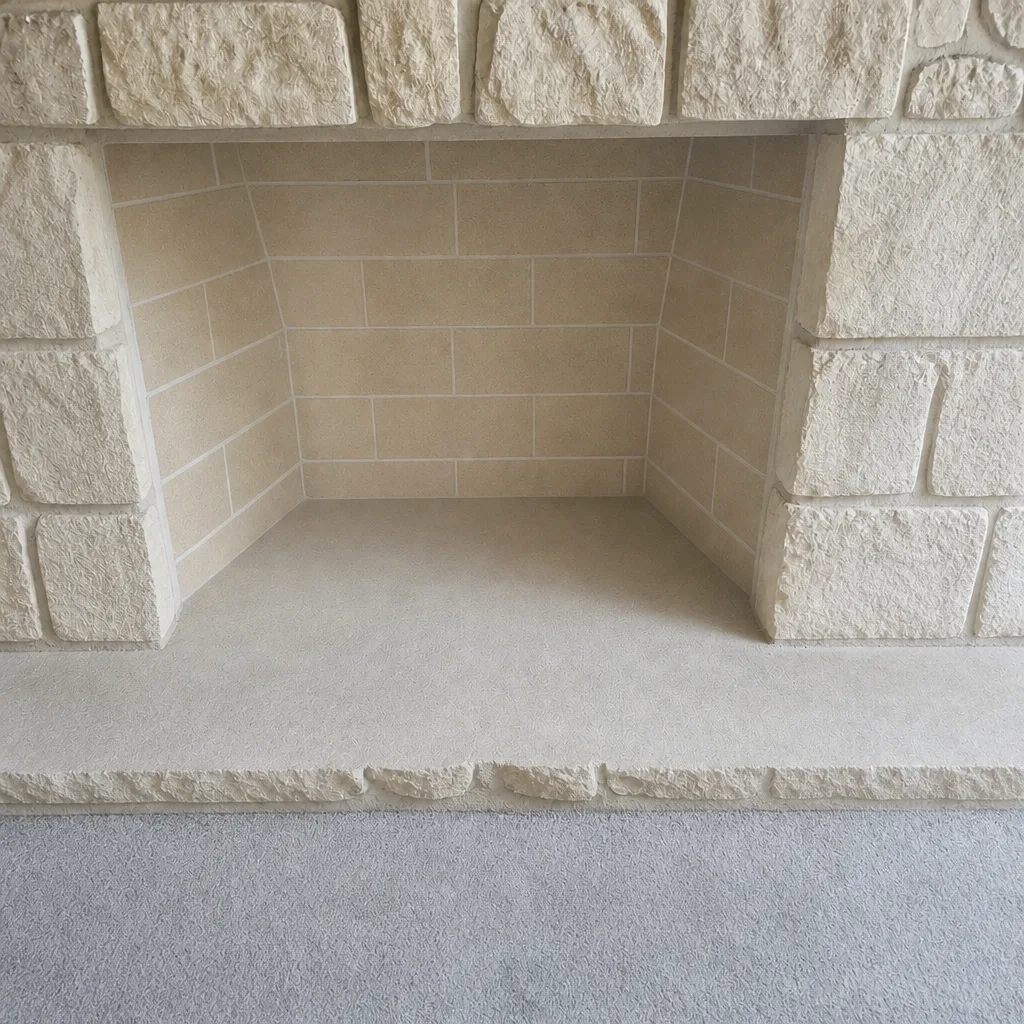
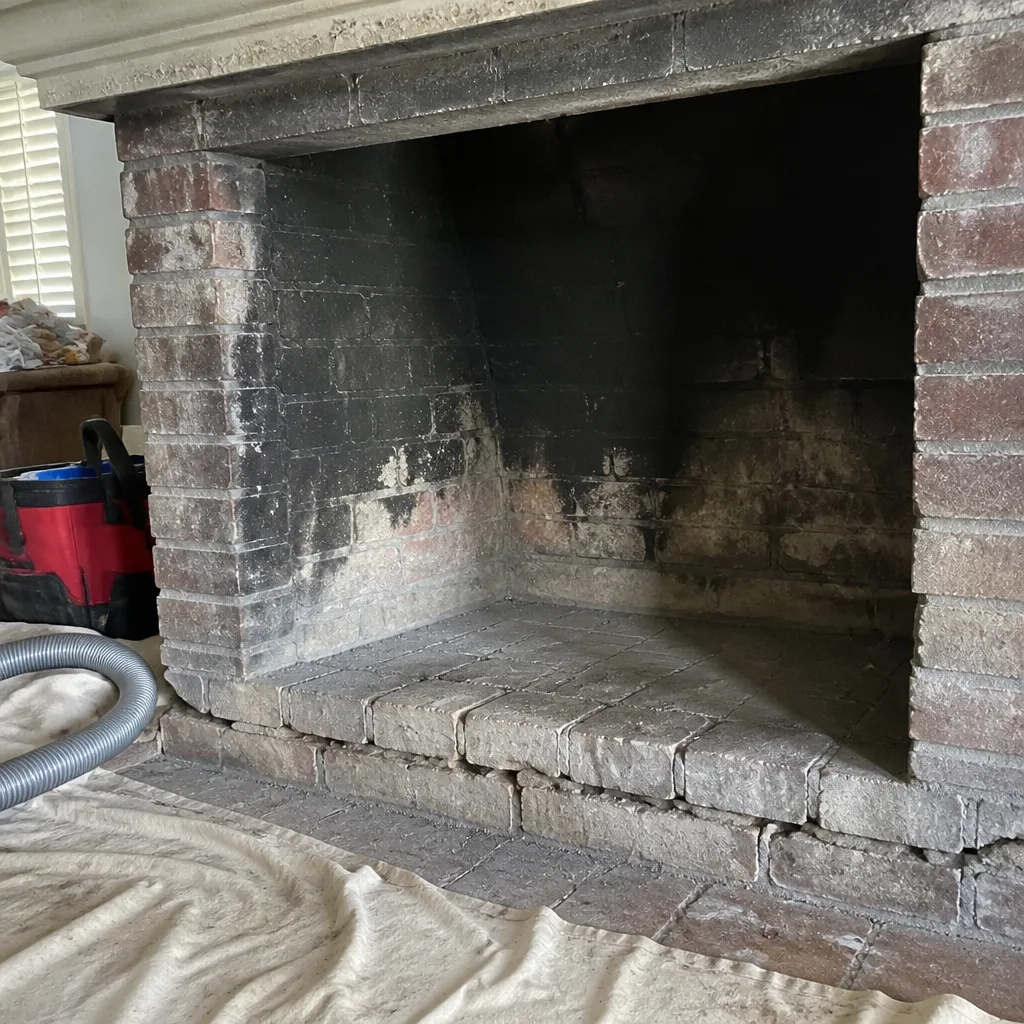
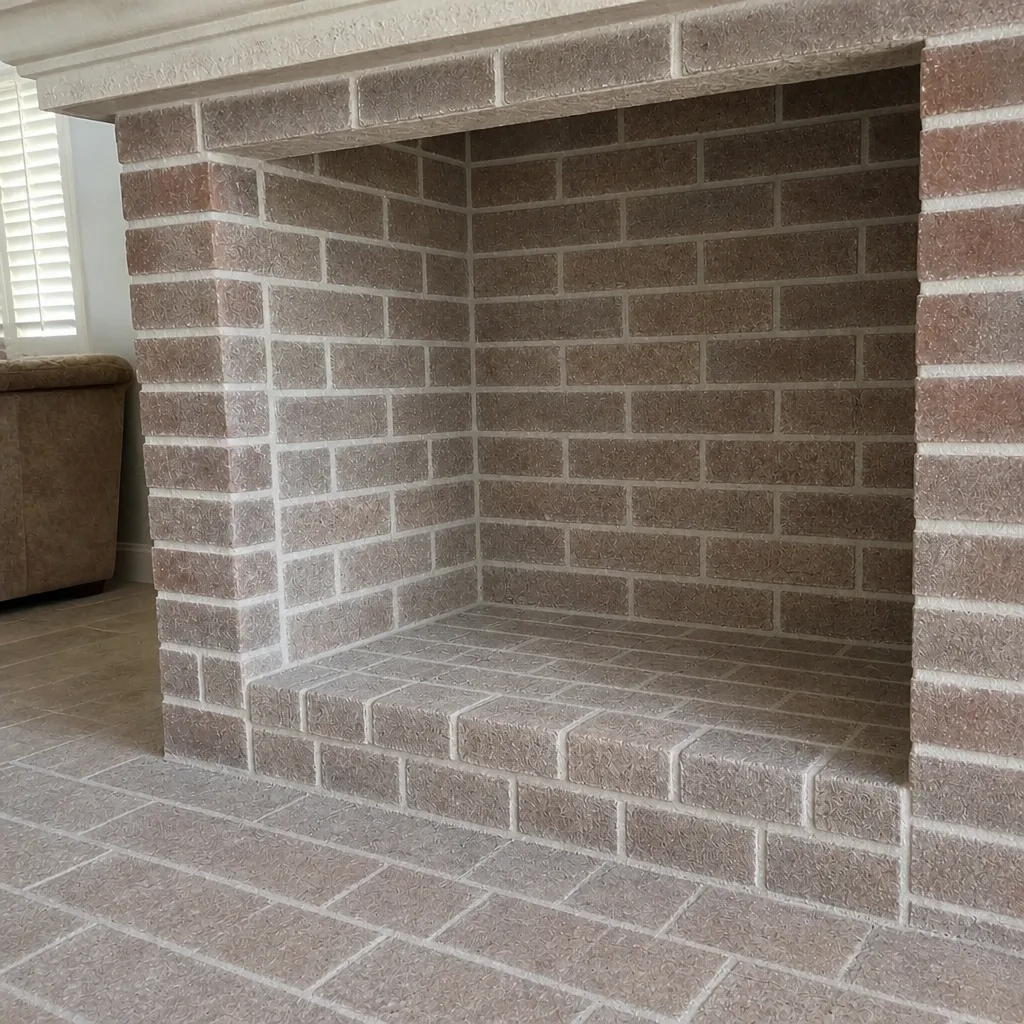
See the difference
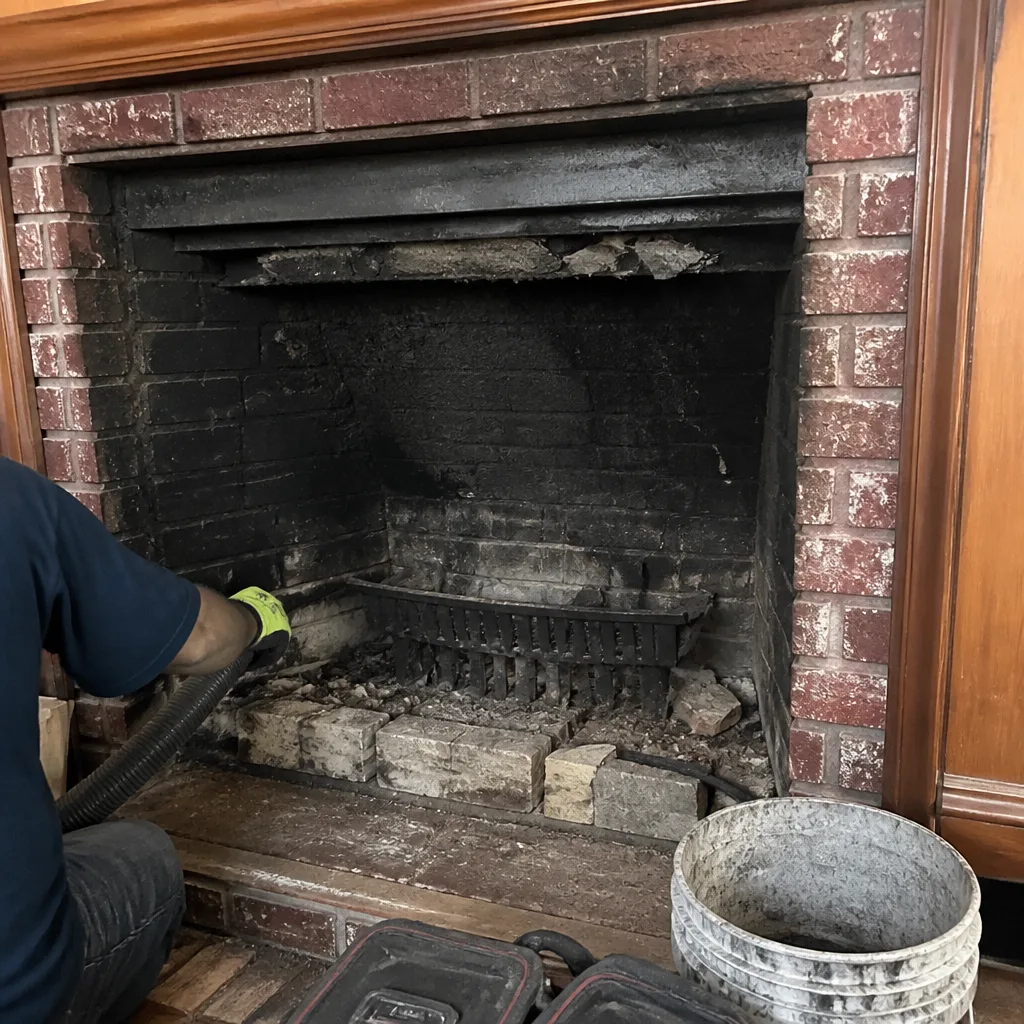 Before
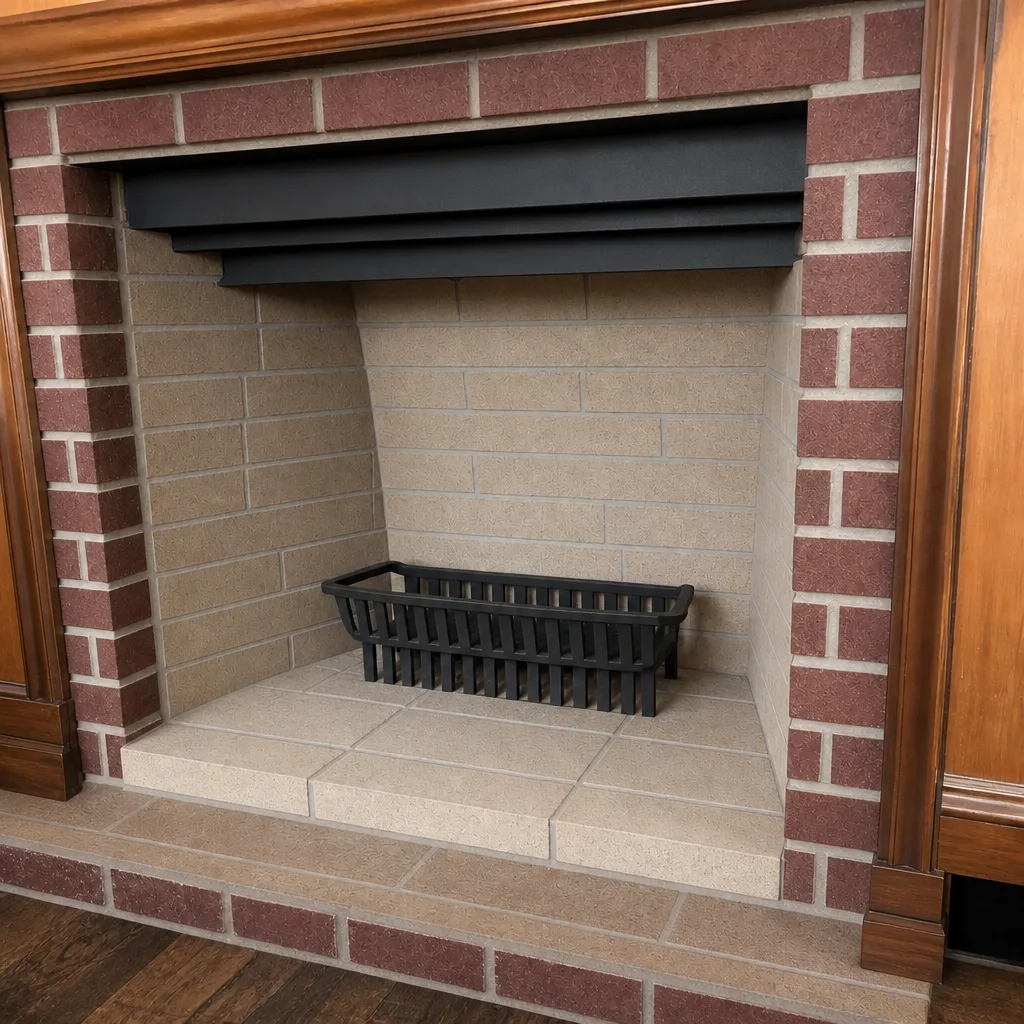 After
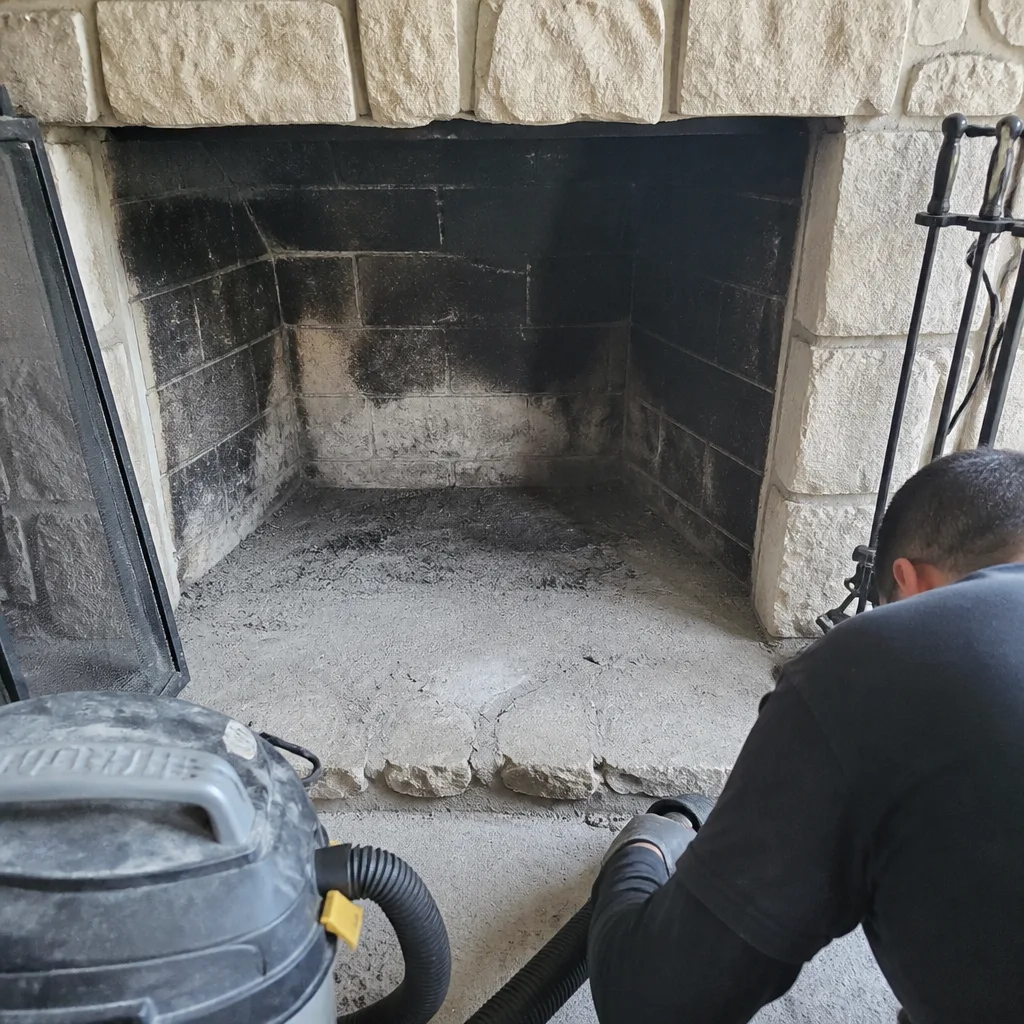 Before
 After
 Before
 After
When to Call a Professional
Call a professional when you’re ready to know what’s actually going on inside the chimney, not just what’s visible from the fireplace. Specific situations that warrant a call: you’ve never had the chimney inspected and the fireplace is in regular use; you’ve noticed staining on the exterior of the chimney or ceiling near the flue; the crown or cap looks cracked, missing, or damaged; there’s a smell of smoke in the house when the fireplace isn’t in use; the draft has gotten weaker over time; or you’re considering any repair over a few hundred dollars and want the material spec verified before you commit. In Cypress, all of these are common, and none require a rush. They do require a professional who can inspect and fix in the same visit. Chimney Sweep Cypress offers free estimates in Cypress. Call (844) 656-4099.
Frequently Asked Questions
The best chimney cleaning company in Cypress is the one that specifies its materials in writing and can perform the repair the inspection calls for. Look for a contractor who names professional brands like DuraFlex, HeatShield, Gelco, or Copperfield in the estimate, who can explain liner alloy grades, and who connects the inspection to the repair rather than handing it off. Reviews help but don’t reveal materials. The spec sheet does. Call (844) 656-4099 for a free estimate.
316Ti stainless steel contains titanium and molybdenum, which improves resistance to chloride and acidic condensate compared to 304-grade. For active wood-burning applications, 316Ti is the grade rated for the job. 304 is often used in lower-cost installs because it’s cheaper to form. Both are stainless. They are not the same product, and the difference shows up in how long the liner lasts. Ask which alloy your estimate specifies. Call (844) 656-4099 if you’d like us to walk through the spec.
Not necessarily. Franchise scale is a marketing and training story, not a materials story. Independent specialists often reach for professional-tier brands because their repeat business depends on the repair lasting. The way to know is to read the estimate and ask for brand names and grades, regardless of whether the contractor is a franchise or independent. Call (844) 656-4099 to compare specs on your chimney.
A professional estimate should include the product brand and grade for every material being installed, dimensions and quantities, whether the existing liner is being removed or relined, whether the crown is coated or rebuilt, the flashing product, manufacturer warranty terms, the contractor’s workmanship terms, and photo documentation. If the estimate says “stainless liner” without a brand or alloy, ask for the spec before you compare it to another quote. Call (844) 656-4099 for a written estimate.
No. Chemical treatments can soften or loosen lighter creosote deposits and work as a supplement between sweeps. They do not remove glazed stage-three creosote from a flue, and no product sold as a “sweep-free” solution is a substitute for mechanical cleaning. Treat chemistry as an assist, not a replacement. Call (844) 656-4099 with questions about your specific chimney.
An annual inspection is the standard for any chimney in active use, and a sweep whenever the creosote accumulation has reached a level that warrants it. Cypress homeowners who burn regularly should plan on an inspection once a year and a sweep on whatever cadence the inspection shows is needed. The crown, cap, and flashing should be checked at every inspection, since water intrusion does more long-term damage than most people expect. Call (844) 656-4099 to book an inspection.
The Bottom Line
The chimney brand question isn’t about logos on trucks. It’s about the brands on the materials: the liner alloy, the cap manufacturer, the crown coating, the flashing sealant. Verify those and you’ve answered the real question. Ask the contractor to name their brands, name the alloy grade, and put both in the written estimate. Compare specs across quotes before you compare prices. Franchise name doesn’t predict material quality; the spec sheet does. Independent specialists who work with professional-tier brands like DuraFlex, HeatShield, Gelco, and Copperfield are the category where full-system capability tends to show up in Cypress, and that’s the category we work in. Ask us the questions in this guide. We’ll answer them.
If you’re ready to know what’s actually in your chimney and what materials belong in the repair, call Chimney Sweep Cypress at (844) 656-4099 for a free estimate. We answer 24/7. Fast dispatch from 7am to 7pm, Sunday through Friday. We inspect it and we fix it, from the firebox to the cap, with the professional-grade materials the work actually requires. Built to last, not patched to pass inspection.
Written by the team at Chimney Sweep Cypress.